7 Tiny Off-Grid Towns In Oregon
From Canyonville to Myrtle Point, Oregon’s landscape plays a central role in shaping its smaller towns. The Pacific Northwest state is known for dense vegetation, pine forests, and mountain terrain, much of it preserved in national and state parks such as the Oregon Islands National Wildlife Refuge and Collier State Park.
Across the state, these towns reflect different sides of Oregon’s geography and history. Some are tied closely to the coast, others to forested land, offering a quieter way to experience the state, shaped by remoteness and long-standing local industries.
Bandon

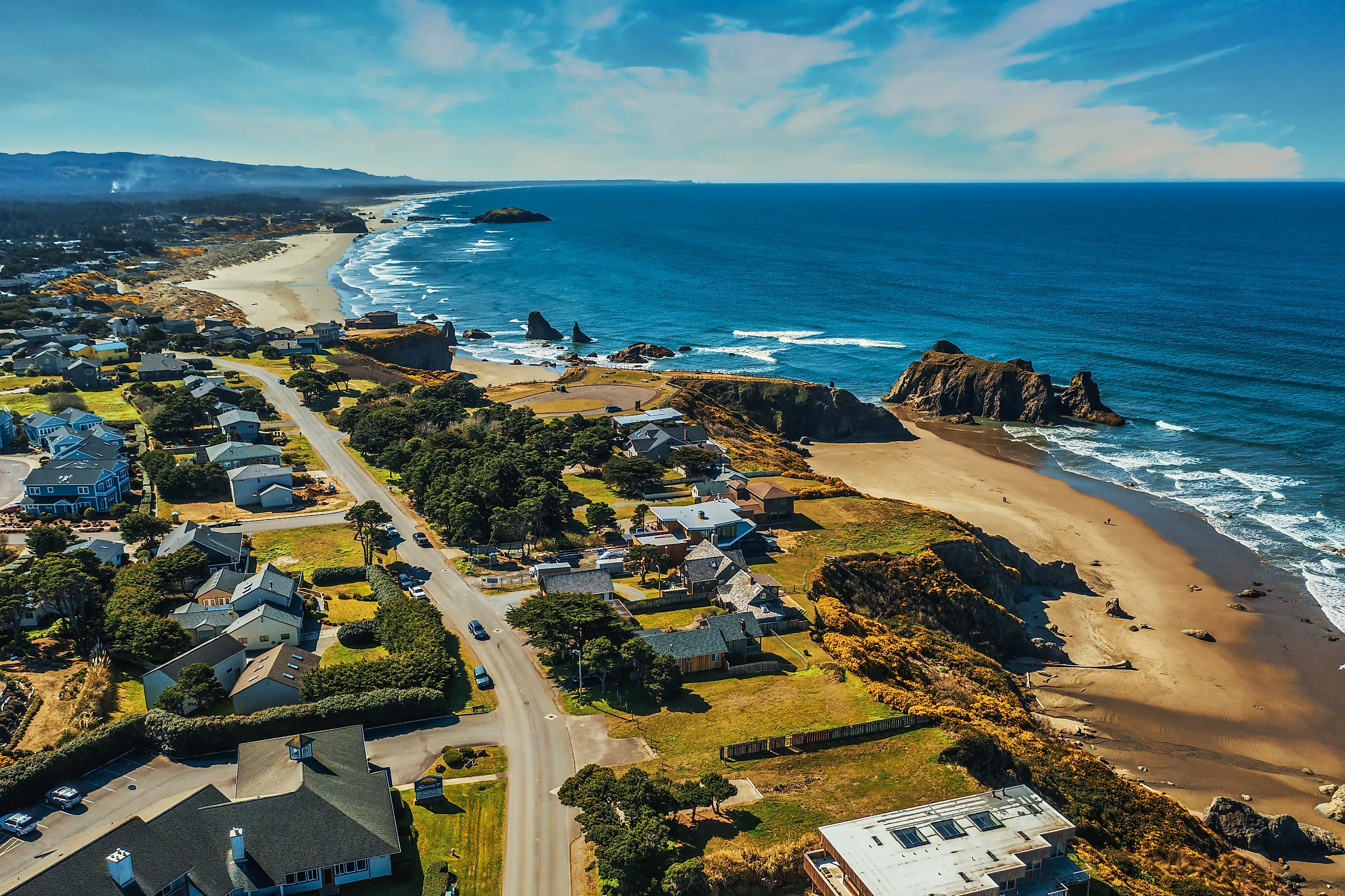
Known as "the Cranberry Capital of Oregon," Bandon is best known for its long-standing cranberry industry and its close relationship with the surrounding coastline. The town's famous cranberry bogs are located in the northeast part of the town, and visitors and locals alike can tour the cranberry bogs. Every September, the town hosts its annual Cranberry Festival. Visitors come from across the region to sample cranberry salsa, cranberry bread, and other variations on the tangy northern fruit.

Beyond its cranberry industry, Bandon’s coastline and nearby state parks shape much of the town’s outdoor life. The Oregon Islands National Wildlife Refuge provides opportunities to observe some of the state's most celebrated wildlife, such as the Steller sea lion, tufted puffins, and Pacific loons.
Myrtle Point

During the summer months, the Coos County Fairgrounds becomes a gathering place for live music, food, and local events that define the town’s seasonal rhythm. Rose City Archery is a long-standing local business known for manufacturing traditional wooden arrows.
The Railroad Cafe is known locally for its rustic, laid-back atmosphere. Kozy Kitchen and the Huffman's Spruce Street Bar & Grill are also among the highest-rated restaurants in Myrtle Point. Hoffman Memorial State Wayside offers picnic and hiking space amid dense wooded areas.
Canyonville

Located along I-5 through southern Oregon, Canyonville has several points of interest, including the South Umpqua Historical Society (also known as the Pioneer Indian Museum). The museum showcases technology and artifacts from the region's pioneer days, including baskets, beadwork, and tools by the region's Cow Creek Tribe.
The Seven Feathers Casino Resort is one of the town’s most prominent landmarks, offering lodging, dining, and entertainment. Along the highway, the Gorge of Canyon Creek Historical Marker highlights the region's history and the surrounding gorge's scenery.
Coos Bay

Coos Bay’s coastal location has long shaped its economy, culture, and connection to the Pacific Ocean. Ko-Kwel Casino Resort overlooks the bay and is one of the area’s largest lodging properties. Coos Bay is also the childhood home of Olympic runner Steve Prefontaine, and visitors can stop by the Steve Roland Prefontaine Historical Marker.
Coos Art Museum and Coos History Museum both offer a deeper look into the town's history and culture. For a taste of German cuisine on the coast, Blue Heron Bistro reflects one of the town’s cultural influences and is housed in a traditional Bavarian-inspired building.
Reedsport

Situated on Oregon's central coast, Reedsport is home to one of the state’s largest recreational fishing ports. Anglers from across the state come to Reedsport for its salmon fishing and shellfish harvests.
Fishing plays a central role in Reedsport, but the surrounding landscape shapes daily life just as strongly. The Oregon Dunes National Recreation Area boasts 40 miles of sandy dunes and seagrasses. The Umpqua River Bridge, also called the Reedsport River Bridge, spans the Umpqua River and connects Reedsport to Bolon Island. Birdwatching, swimming, and hiking are among the most common recreational activities on the small island.
Cave Junction

Cave Junction, situated just north of the California-Oregon border, is named for the Oregon Caves National Monument and Preserve. Cedar Bloom Farms and Great Cats World Park illustrate the mix of agriculture and tourism found in the surrounding countryside. The Illinois River Forks Disc Golf Course offers a 18-hole layout set along the river. Visitors can explore the region's rich history at the Kerbyville Museum and History Center, located just north of Cave Junction in nearby Kerby. The Siskiyou Smokejumper Museum highlights the role of the US Forest Service in fighting wildfires through aircraft displays and exhibits.
Chiloquin

Rugged, forested, and located in the state's south-central region, Chiloquin draws visitors interested in rail history and the surrounding forested landscape. The Train Mountain Railroad Museum is popular for adults and children alike, and holds the distinction of being the world’s longest miniature railroad.
On The Fly Guide Service offers guided hunting and fishing trips in the surrounding area, while nearby Agency Lake provides opportunities for boating. Collier State Park has plenty of space for camping or hiking. The Collier Logging Museum highlights the struggles of the region's early settlers and the state's still-booming logging industry, with logging equipment even dating back to the 1880s.
A Slower Side of Oregon’s Small Towns
These towns reflect a quieter, more grounded side of Oregon, where history, landscape, and local routines take priority over scale or spectacle. From working coastal communities to forested towns shaped by railroads, fishing, or logging, each place offers a distinct sense of how people live across the state.
Spread from the Pacific Coast to south-central Oregon, the towns on this list highlight the variety found beyond Oregon’s larger cities. Together, they show how smaller communities continue to reflect the state’s geography and long-standing industries.