7 Prettiest Small Towns In Rhode Island
Rhode Island stages a different view every few miles. Bristol lines its harbor with white-clapboard Federal-era homes above the country's oldest Fourth of July parade route. Newport's Cliff Walk traces the bluffs where the Atlantic meets the lawns of Bellevue Avenue. Little Compton holds stone walls and salt hay around a 17th-century commons. Block Island's Mohegan Bluffs drop sharply to the surf. Seven Rhode Island towns ahead, each pretty for its own reason.
Bristol

Bristol has a centuries-long maritime history and hosts the country's oldest continuous Fourth of July observance, dating to 1785. Visitors who time a trip outside the parade can ride the East Bay Bike Path along the shoreline, walk the grounds of Blithewold Mansion and Arboretum (a 33-acre estate from 1907 with a 90-foot Giant Sequoia), and have dinner at the DeWolf Tavern, a New American restaurant that opened in 2004 inside an 1818 stone warehouse on Thames Street. The warehouse was originally built by the DeWolf brothers, prominent Bristol slave traders whose family wealth came from the Triangle Trade. Bristol Harbor and Narragansett Bay are visible from most of downtown, and Colt State Park, a 464-acre former gentleman's farm with three miles of waterfront, is the local outdoor anchor on the bay's eastern shore.
Hopkinton
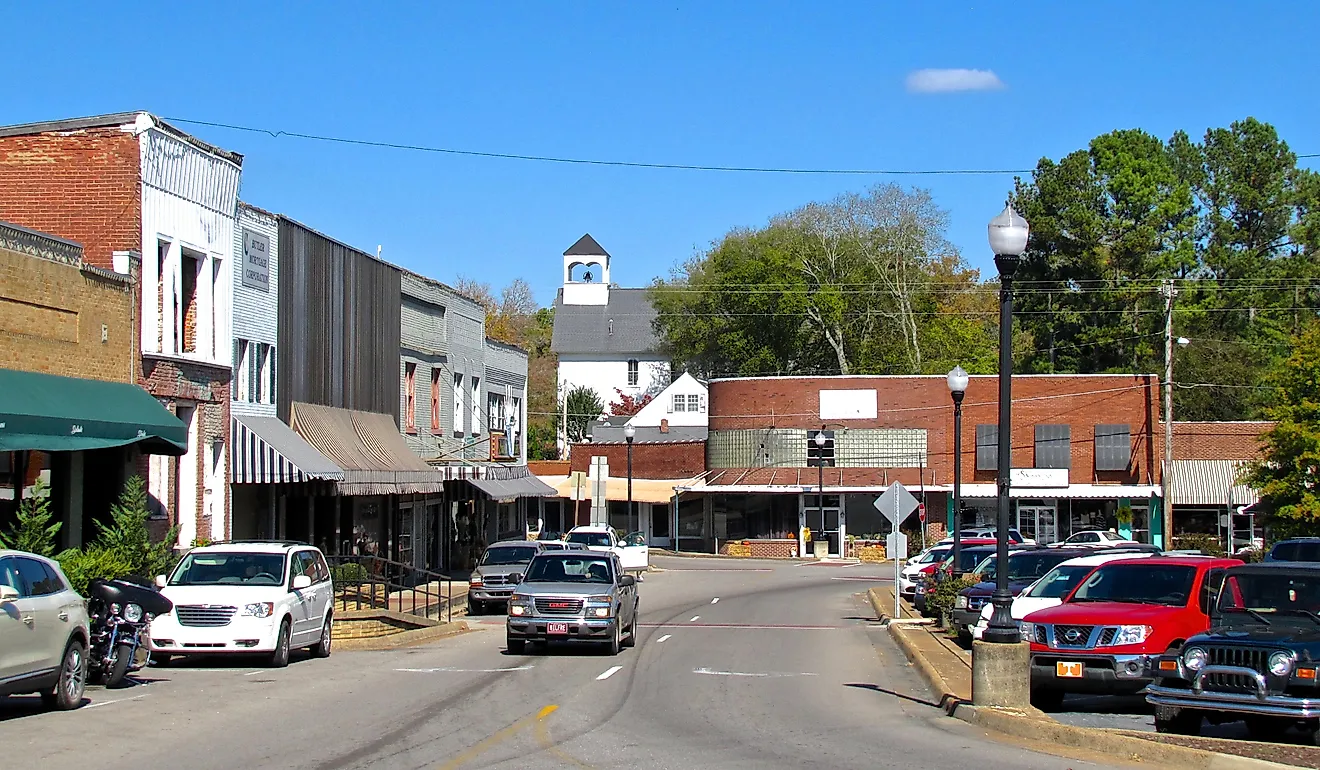
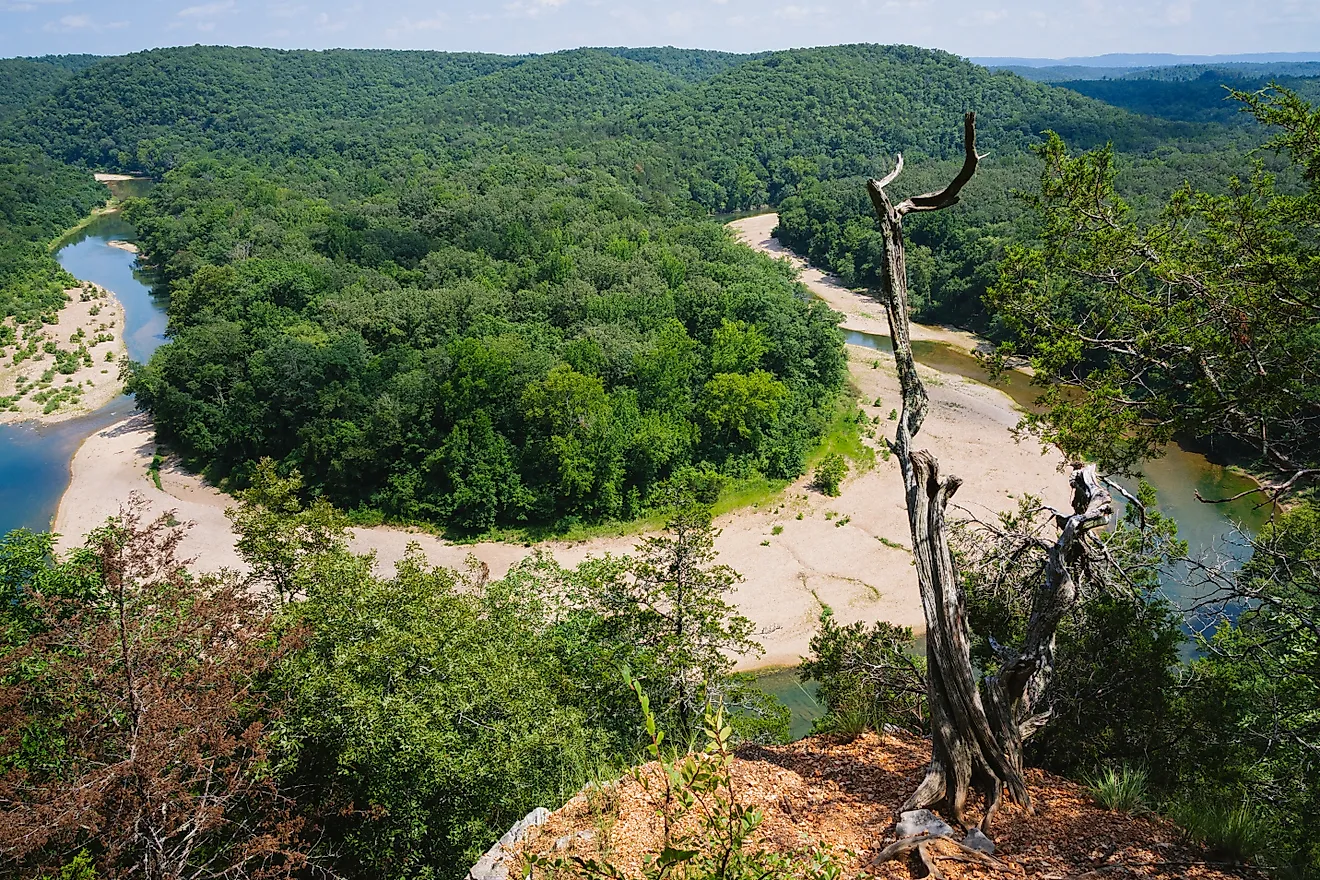
Hopkinton, in southwestern Rhode Island close to the Connecticut line, runs on outdoor recreation. Wood River Golf and Fenner Hill Golf Club give golfers two local 18-hole options, and the Arcadia Management Area, the largest state-managed wildlife area in Rhode Island at over 14,000 acres, runs hiking trails through second-growth forest along the Wood and Pawcatuck rivers. The Wood River itself is one of the better trout-and-canoe rivers in the state. Hopkinton's downtown clusters around Main Street in the village of Hope Valley, with a small-town pace that reads like a New England river town from a slower era.
Little Compton

Settled in 1675 and incorporated as a Rhode Island town in 1747, Little Compton sits on the Sakonnet River across from Newport and runs as a quiet, agriculturally focused contrast to the bigger summer destinations on the same coast. The town common, originally the village green of the 17th-century settlement, is one of the few intact early commons in southern New England. South Shore Beach holds up well against the better-known beaches in the state, and the Art Cafe and Sakonnet Vineyard handle most of the everyday cultural life. Sakonnet, founded in 1975 by Jim and Lolly Mitchell, is recognized as the oldest vineyard in New England and was the first licensed winery in the region after Prohibition. The vineyard celebrated its 50th anniversary in 2025.
Narragansett

Narragansett has been a tourism destination since the mid-1800s, and its summer population still more than doubles when beachgoers arrive. Its Victorian-era resort architecture reads less like a modern resort and more like a coastal town that grew up before the resort circuit existed. The Narragansett Towers, a McKim, Mead and White design from 1888 that originally formed the entrance arches to the long-since-burned-down Narragansett Pier Casino, preside over Narragansett Town Beach. Black Point, on the Hazard Avenue end of town, is a good spot for ocean views and ledge-top photography. Down at Galilee, the active fishing port at the south end of Point Judith Pond, George's of Galilee has been serving stuffies and clam cakes since 1948 and remains the local choice for waterfront seafood.
New Shoreham

New Shoreham occupies all of Block Island, about 12 miles off the southern Rhode Island coast and reachable only by ferry (year-round service from Point Judith on the mainland and seasonal routes from Newport, New London, and Long Island) or by small plane. New Shoreham has been the only town on Block Island since 1672 and remains so today, with a year-round population of around 1,400 that climbs into the tens of thousands in summer. The Mohegan Bluffs on the south shore drop about 150 feet from the cliff-top trail to the surf below, and a wooden staircase from the trailhead near Mohegan Trail leads down to the beach. Mansion Beach on the east side has the longer stretch of sand and the bigger waves on most days. The island has roughly 17 miles of public hiking trails and 32% of its land is permanently protected through The Nature Conservancy and the Block Island Conservancy. Ernie's Old Harbor Restaurant, on the harbor in the village, has been a breakfast institution for decades.
Newport

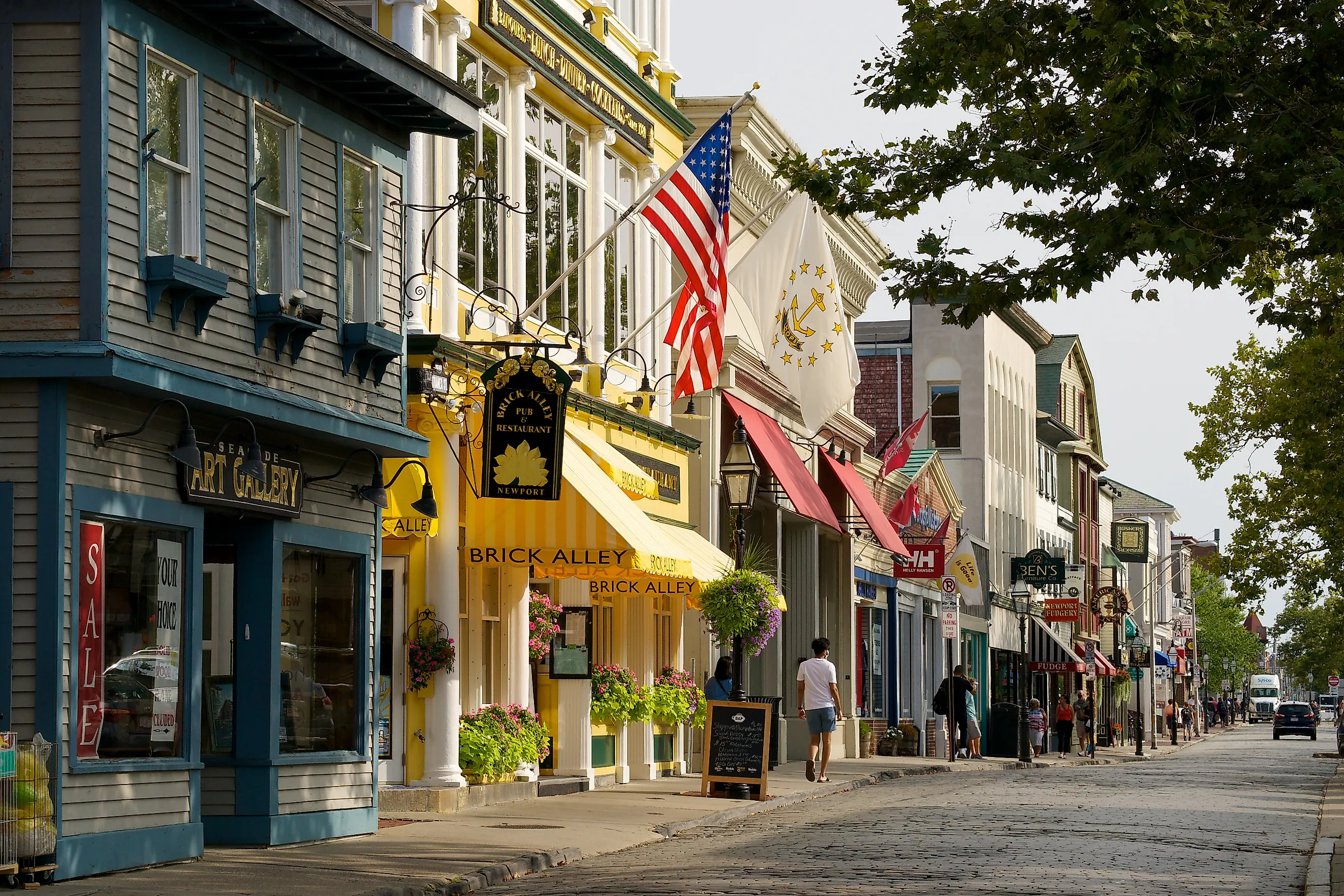
Newport is well-known enough that it does not usually come to mind when listing small towns, but the year-round population is about 25,000 and the historic core qualifies on every other count. East Coast Gilded Age industrialists built their summer cottages here, and the Preservation Society of Newport County now operates 11 of those properties, including The Breakers, Marble House, The Elms, and Rosecliff, as house museums open to the public. The 3.5-mile Cliff Walk runs along the Atlantic shoreline at the back of the same estates and is open year-round and free. Newport hosted the America's Cup defense from 1930 to 1983 and remains one of the world's serious sailing harbors. Easton's Beach (locally just "First Beach") and Sachuest Beach (Second Beach) bring summer crowds, while Fort Adams State Park on the harbor entrance hosts the Newport Folk Festival and the Newport Jazz Festival each summer.
Wickford Village

Wickford Village is a colonial fishing village in the town of North Kingstown, with one of the largest collections of 18th-century homes still in their original locations of any village in the country. The harbor still has working boats. Brown Street and Main Street run between Old Narragansett Church (a 1707 Anglican church, one of the oldest still-active churches in Rhode Island) and the harbor, with shops and restaurants in restored 18th-century houses along the way. Just outside the village, Smith's Castle, built in 1678 and rebuilt after King Philip's War, is one of the oldest plantation houses in the country and is open for guided tours from late spring through fall. Wickford Art Festival, held each July since 1962, is one of the longest-running outdoor art festivals in New England.
Small But Mighty
Each of the seven towns above earns its place in this kind of list a different way. Bristol does it with maritime history. Hopkinton with woods and water. Little Compton with stone walls and the oldest vineyard in New England. Narragansett with Victorian seaside architecture. New Shoreham with the cliffs and beaches of Block Island. Newport with the Gilded Age and the working harbor it inherited. Wickford with one of the most intact colonial streetscapes anywhere on the East Coast. None of these places are far from any of the others. The right one depends on what you want a trip to feel like.