7 of the Friendliest Towns To Retire In The Rockies
The best Rocky Mountain retirement towns feel personal because daily life stays close together. A river path can double as the main sidewalk. A compact main street can keep coffee, groceries, and conversation within a few blocks.
In Salida, the Arkansas River corridor turns quick errands into friendly hellos as the Riverwalk carries people past Riverside Park and into the SteamPlant’s concerts and civic gatherings. In Durango, the Durango & Silverton Narrow Gauge Railroad sets a steady downtown tempo from the depot platform to Main Avenue cafés and Snowdown’s winter street events. The seven towns ahead thrive because routines stay centered and friendships grow through repeated encounters with the locals.
Salida, Colorado

Salida sits right in the flow of the Arkansas River, with the water cutting through the historic core and shaping the way the town moves. Mornings bring walkers along the banks, and afternoons pull people back toward downtown for dinner, errands, and familiar faces. Rail and smelting history still shows up in the street grid and brick storefronts, and many of those buildings hold everyday businesses that locals use year-round. Colorado’s first Creative District designation fits the town’s long-running mix of working artists, small manufacturers, and steady civic participation.
The Arkansas Riverwalk runs along both banks and stays lively from early hours into the evening. The SteamPlant Event Center, inside a converted power plant, keeps the calendar active with concerts, lectures, community meetings, and holiday gatherings. Riverside Park adds its own rhythm through FIBArk, farmers markets, and weekly music nights that bring a consistent crowd downtown. For a clear look at Salida’s roots, the Salida Museum in Centennial Park off West Rainbow Boulevard highlights railroad, mining, and ranching exhibits tied to the area’s industrial story.
Durango, Colorado

Durango carries a strong transportation-town identity, and the Durango & Silverton Narrow Gauge Railroad keeps that identity visible every day. Trains roll out from the central depot and put a predictable beat into the downtown hours. That same rail legacy shaped the street grid, with services and shops laid out for workers and merchants along a walkable stretch. Main Avenue still holds the heart of daily life, from basic errands to evening meetups.
The Animas River Trail threads through town from Santa Rita Park and stays popular for walking, cycling, and quick conversations along the path. Main Avenue stays active through every season, with stops like Jean Pierre Bakery and Carver Brewing Company on the core blocks, plus College Café on East Ninth Street for an easy sit-down. The Animas Museum adds a solid local anchor, with exhibits covering regional rail, mining, and agriculture in a straightforward way. Snowdown brings winter energy into town through resident-run teams, neighborhood events, and downtown venues that draw repeat participation.
Pagosa Springs, Colorado

Pagosa Springs gathers around warm water and a riverfront main drag, with the San Juan River running straight through the commercial core. The town sits atop one of the world’s deepest geothermal systems, and the springs remain part of everyday routine for locals who live nearby. Homes, shops, and soaking pools sit within an easy downtown loop, so a quick stop often turns into a longer visit. Pagosa Springs also built its reputation as a service center for ranching and timber, and that practical layout still guides the way people move through town.
Locals head to The Springs Resort and Overlook Hot Springs on weekday mornings and winter evenings, mixing a soak with friendly conversation. Along the water, Pagosa Springs Riverwalk Park offers a flat, paved route that links downtown to neighborhoods and picnic spots. The Pagosa Springs Center for the Arts keeps the schedule lively with theater productions and small concerts that draw familiar faces. Higher Grounds Coffee on Talisman Drive stays steady as a daily meet-up for retirees, remote workers, and long-term residents.
Whitefish, Montana

Whitefish pairs lake time with an active rail stop, and that mix makes the town feel easy to settle into. Amtrak arrives right downtown, and Whitefish Lake sits about a mile away, so travel, errands, and a shoreline walk can fit into the same morning. The town grew as a service hub for rail workers and loggers, then expanded as a gateway to Glacier National Park. Grocery stores, clinics, and civic buildings remain close to the center, keeping daily routines simple and walkable.
City Beach on Whitefish Lake draws residents for walks, swims, and shaded breaks near the water. Downtown, Montana Coffee Traders and the Great Northern Bar stay familiar as regular meeting spots for long-term residents. The Whitefish Theatre Company fills the year with productions that bring repeat audiences back into town. Winter adds a festive rhythm through the Whitefish Winter Carnival, with parades, bonfires, and community dinners that bring people into the streets.
Cody, Wyoming

Cody grew from William F. Cody’s founding vision into a lasting administrative and ranching center for the Bighorn Basin. Sheridan Avenue sets the town’s everyday pace, with banks, clinics, restaurants, and municipal buildings lining the main corridor. People run errands on the same blocks where they meet friends for lunch, and the layout supports a steady year-round routine. The Buffalo Bill Center of the West adds cultural pull through lectures, exhibitions, and community gatherings tied directly to regional history.
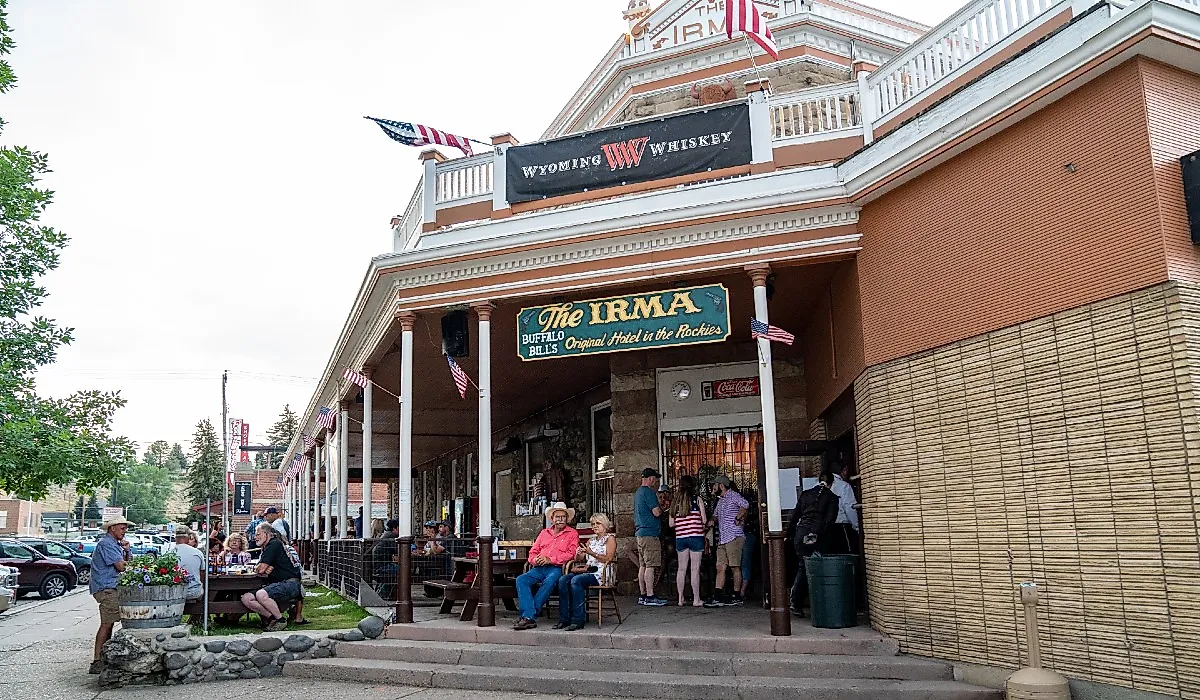
The Cody Nite Rodeo becomes part of the weekly rhythm in summer, drawing residents back again and again. Beck Lake Park offers a paved loop for walking, fishing, and easy conversation beside the water. The Irma Hotel stays busy as a dependable downtown meeting spot, with its dining room and bar hosting recurring lunches, evening catch-ups, and local events. The Buffalo Bill Center of the West keeps the indoor calendar moving through the colder months with programs that encourage repeat attendance.
Lander, Wyoming

Lander sits at the base of the Wind River Range and holds a clear place as a county seat and supply town. Federal land offices, schools, and healthcare services arrived early and remain part of the town’s core. Main Street stays compact, with civic buildings, cafés, hardware stores, and local shops sharing the same walkable grid. That close layout makes daily life feel familiar fast, especially for residents who keep a steady routine.
Exhibitions and classes at the Lander Art Center give locals a reason to stop in week after week. Sinks Canyon State Park begins just outside town limits, opening up trails, fishing pullouts, and wildlife viewing for an easy afternoon outing. Gannett Grill fills early with breakfast orders and mid-morning coffee, and conversation carries across tables. The Lander Community and Convention Center rounds out the schedule with lectures, town meetings, and seasonal events that keep people connected across the year.
Taos, New Mexico

Taos carries a long record of continuous cultural life, shaped by its connection to Taos Pueblo, a community with uninterrupted habitation stretching back more than a millennium. That relationship influences land use, architecture, and civic life across the region. Adobe construction remains practical across town, giving streets and neighborhoods a consistent look and feel. Irrigation acequias still guide property boundaries and agriculture, keeping long-standing patterns in place across the landscape.
Taos Plaza stays active through the day, with markets, seasonal celebrations, and familiar stops like World Cup Café and The Alley Cantina. The Taos Center for the Arts draws repeat crowds for theater nights, film screenings, and community talks. Along US-64, the Rio Grande Gorge Bridge viewpoint turns everyday drives into quick scenic pauses with wide canyon views. The Harwood Museum of Art keeps the local story moving through permanent collections and rotating exhibitions tied to Taos artists and residents across generations.
These towns show how a strong retirement landscape grows from everyday routines that bring people into the same places. Rail depots, riverwalks, and compact main streets create repeated contact during errands, walks, and shared events. Museums, community theaters, and parks keep gatherings close to downtown, so residents see familiar faces throughout the week. Over time, that steady local rhythm supports friendships that form naturally through daily life across seasons.