7 Classic Americana Downtowns In Indiana
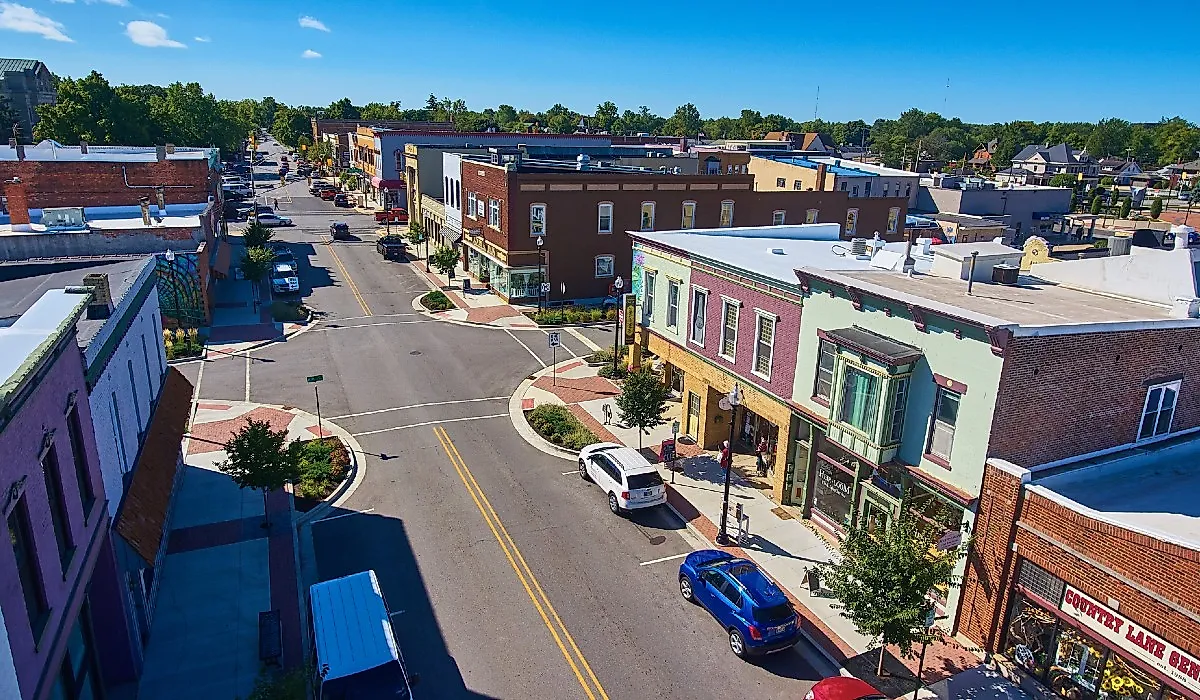
Many of Indiana’s downtown streets were strategically set alongside major rivers like the White and the Ohio and, eventually, rail lines, in order to make them dependable hubs for trade and transportation in the country's early days. College towns like Greencastle and one-time automotive hot spots like Auburn reflect classic Americana on a local scale, where early-20th-century buildings still shape how the downtown functions. Independent shops, operating theaters, and long-standing pubs and restaurants remain vital to the street, giving each district a sense of permanence and continuity that will endure for generations. If Americana is classic heritage and traditions built on hard-earned progress that started as a dream and became a living, breathing reality, these towns have it in spades.
Greencastle

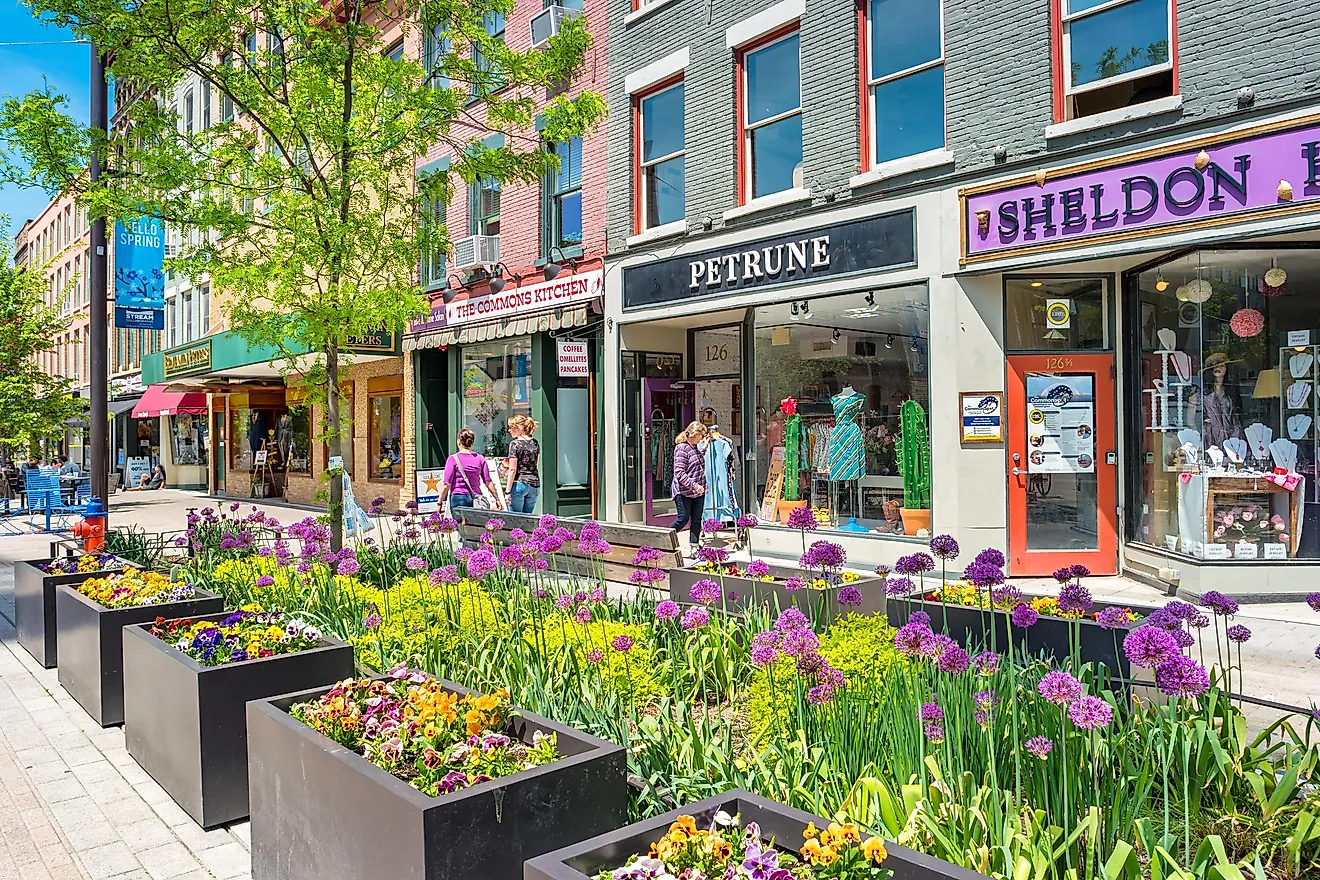
Greencastle began as a small pioneer settlement, but quickly grew into a vibrant college town with a rich local history. The 1905 courthouse still stands prominently in the square, and most of the brick storefronts around it haven't changed much since they went up in the early 1900s. DePauw University is a highly rated private liberal arts college that brings its own element of Americana, with athletics and hometown pride on game days and during Old Gold alumni weekend.

Start your day in Greencastle at Almost Home Restaurant, just steps from the square. The local institution has served comfort food and American staples such as fried chicken and homemade pie since 1989. The Putnam County Museum is a great next stop, where you can learn about the history of the region via exhibits that trace how the town evolved from limestone quarries and railroad stops into what it is today. Conspire Contemporary Craft showcases handmade pottery, jewelry, and textiles by regional artisans, one of several independent shops around the square, and the perfect place to find a unique gift or souvenir.
Delphi

Delphi's compact downtown still serves as the town's gathering place, just as it did when railroad passengers and farm families filled its brick storefronts over a century ago. The two-story buildings along Main and Washington Streets create a walkable stretch where the coffee shops and stores get steady business from locals. The Delphi Opera House is the main draw, hosting everything from bluegrass shows to high school theater productions in a restored space dating back to 1865.

To fuel your adventures in Delphi, Stone House Restaurant & Bakery sits in an old limestone building a few doors down, serving breakfast skillets and fresh-baked cinnamon rolls to a crowd that's mostly regulars. Urban Chique Boutique, just off Main Street, is a popular go-to for women's clothing, vintage collectibles, and holiday decor, and when it's time for a break from browsing the shops, Delphi Historic Trails connects downtown to the Wabash River corridor, so you can walk from Main Street straight into wooded paths without getting in your car.
Vevay

The Ohio River practically touches Vevay's doorstep, and the town's brick commercial buildings rise just steps from the water that built this community. The Switzerland County Historical Museum tells the stories of the early Swiss settlement and steamboat trade, connecting the historic buildings to the people who built them, while the Switzerland County Courthouse stands at the district's center, and storefronts dating to the late 1800s and early 1900s give Main Street its compact, cohesive character.

Roxano's Restaurant on Ferry Street is one of Vevay's most familiar independent restaurants, known locally for classic Italian-American dishes and a loyal following. For the treasure hunters, Vevay Antique Mall features multiple vendor booths selling antique finds, including Depression glass and handmade crafts. Paul Ogle Riverfront Park sits just behind the commercial blocks, putting the Ohio River within easy walking distance and serving as a constant reminder of where it all began.
Aurora

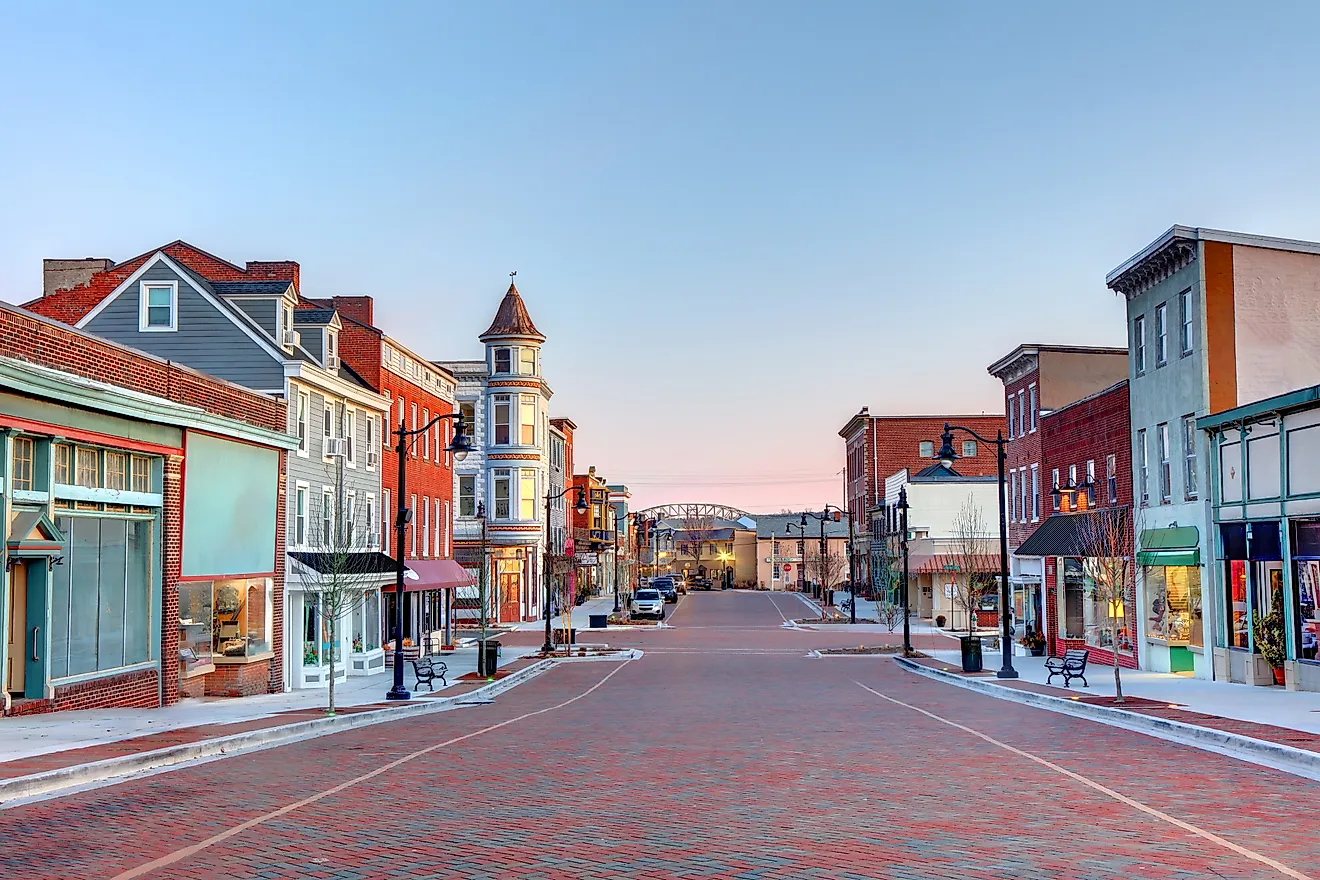
Aurora's downtown also has a long history as an Ohio River port, with brick commercial buildings lining Third Street from the riverfront. Many of the structures date to the late 1800s and early 1900s, built during a period when river trade supported hotels, warehouses, and retail shops clustered close together. The result is a downtown with strong visual continuity, where original masonry, tall windows, and narrow storefronts still define the street.

Third and Main Restaurant occupies one of Indiana's oldest operating taverns. First opened in 1891, it is a testament to the staying power of this downtown. At the edge of the district, the Hillforest Victorian House Museum stands as one of Indiana's best-preserved Italian Renaissance homes, showcasing the wealth river commerce brought to the region in the 19th century. Lesko Park sits just below the commercial blocks with walking paths and direct river access. When you're walking along Third Street, the Ohio River is never more than a block away, which explains why Aurora's downtown ended up where it did and why it still feels so connected to the water.
Washington

Like so many others, Washington began as a river town in 1815, but the arrival of railroads transformed the community. The town became a major depot and repair yard for the Ohio and Mississippi Railroad (and later the Baltimore and Ohio), employing over 1,000 workers at its peak. The brick storefronts and commercial buildings downtown showcase the heritage built by railroad money. Built in 1926, the Indiana Theater is an ornate venue turned movie theater that shows films on two screens.

Many of those railroad-era buildings now house local businesses like The Stitching Post, which carries over 10,000 fabric bolts and draws quilters and crafters from across southern Indiana. The Daviess County Museum, an 1869 Masonic Lodge on Main Street, features exhibits on the town's railroad boom, early settlement, and local industry. Washington's railroad days may be over, but the town they created keeps on running.
Angola

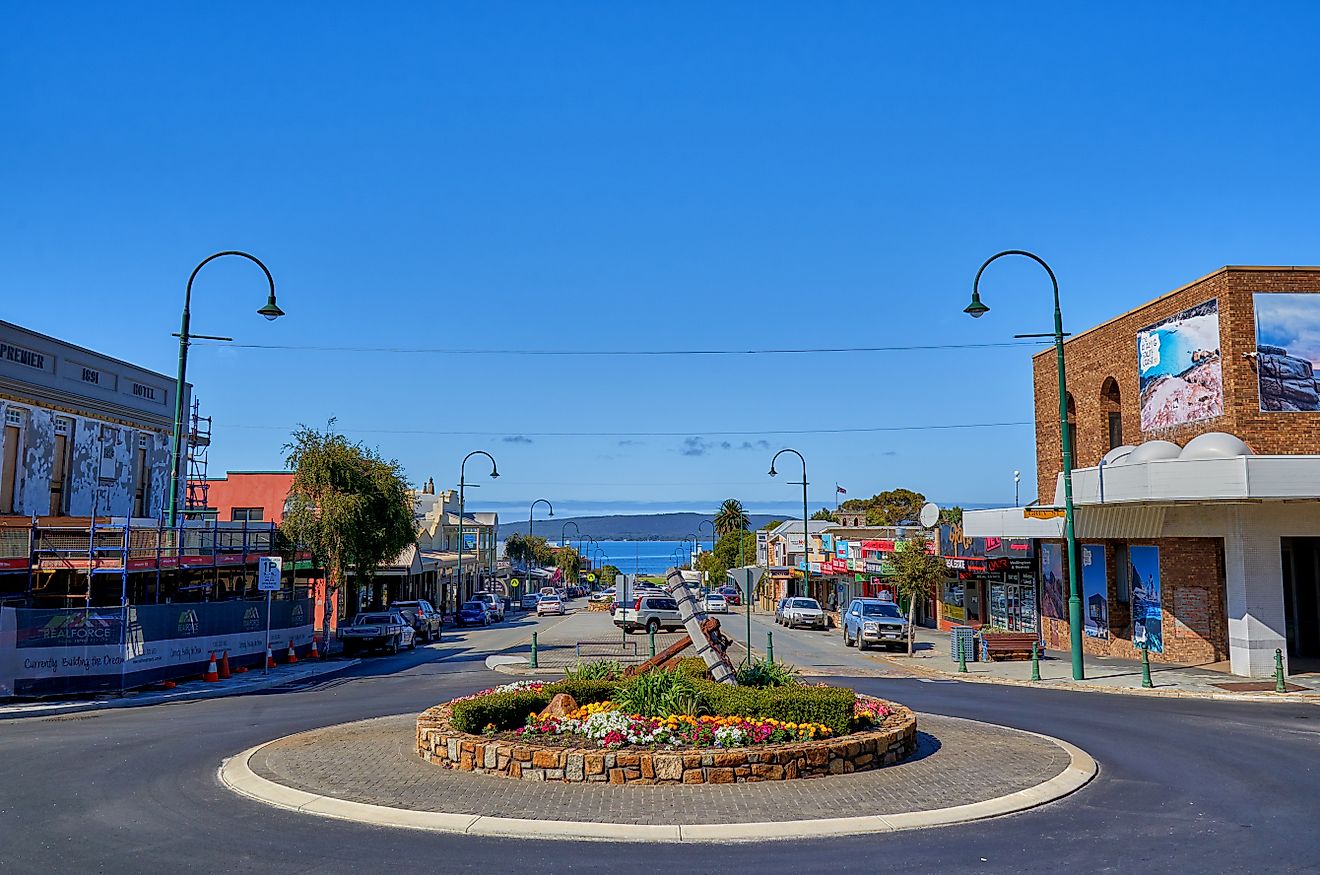
Angola's downtown centers on an unusual Lancaster-style circle where The Mound, a 70-foot Civil War monument, rises above a traffic roundabout that's been there since 1917. The Soldiers' Monument honors the 1,278 Steuben County men who fought in the Civil War, more per capita than any other Indiana county.

The Steuben County Courthouse sits on one side of the circle, surrounded by brick storefronts that earned the whole district a spot on the National Register of Historic Places. The vintage Brokaw Movie House has been showing films since the 1930s, making it one of the few small-town theaters that is still open following extensive renovations. Meanwhile, Cahoots Coffee Café operates as both a coffee shop and a non-profit youth center, providing a space where teenagers can socialize and access programs, keeping one eye on the past and another on the future of this historic town.
Auburn

Auburn wears its automotive heritage without apology. The town of 13,000 built some of America's most prestigious cars in the 1920s and '30s, and downtown still revolves around that legacy. The Auburn Cord Duesenberg Automobile Museum occupies the original 1930 Art Deco headquarters where Auburns, Cords, and Duesenbergs rolled off assembly lines. Three floors display over 120 classic cars, including custom-built Duesenbergs that once sold for more than most houses. Next door, the National Auto & Truck Museum fills two National Historic Landmark factory buildings with 130 years of American automotive manufacturing history, including the L-29 Cord, the first front-wheel-drive car mass-produced in the US.
When it's time to toast a day well spent, Mad Anthony's Auburn Tap Room sits just off the north side of the square, serving craft beers and pub food in a space that draws both locals and visitors. Auburn also hosts Winterfest each February, bringing ice sculptures and carriage rides to Main Street. This festival is one of the biggest winter events in northeastern Indiana, drawing crowds from across the region.
Visit These Classic Americana Small Towns in Indiana
River commerce, railroad expansion, and automobile manufacturing may have shaped these towns, but what keeps them integral to their communities isn't just restoration or renovation. The daily work of running businesses, conducting county business, and meeting neighbors on the sidewalk makes these places shining examples of Americana at its best. These downtowns remain authentically American, not because of preservation, but because they've never stopped serving their original purpose. They're working town centers first, historic districts second, and that's precisely what makes them worth visiting.