7 Classic Americana Downtowns In Colorado
Colorado preserves its rich heritage from the lucky gold strikes through the second half of the 19th century. When the gold dwindled, some places became ghost towns, while others continued into the 20th century, including Vail. Beyond the big-name resort corridors, many Colorado main streets still feel like they have held onto their original purpose.
What ties these places together is the downtown itself, a tight historic core with Victorian-era facades, old storefront blocks, and the kind of main street you can take in on foot. Whether you are after skiing or entertainment, or an adventurous or relaxing mountain getaway, these seven are more than towns. They are turn-of-the-20th-century postcards.
Central City

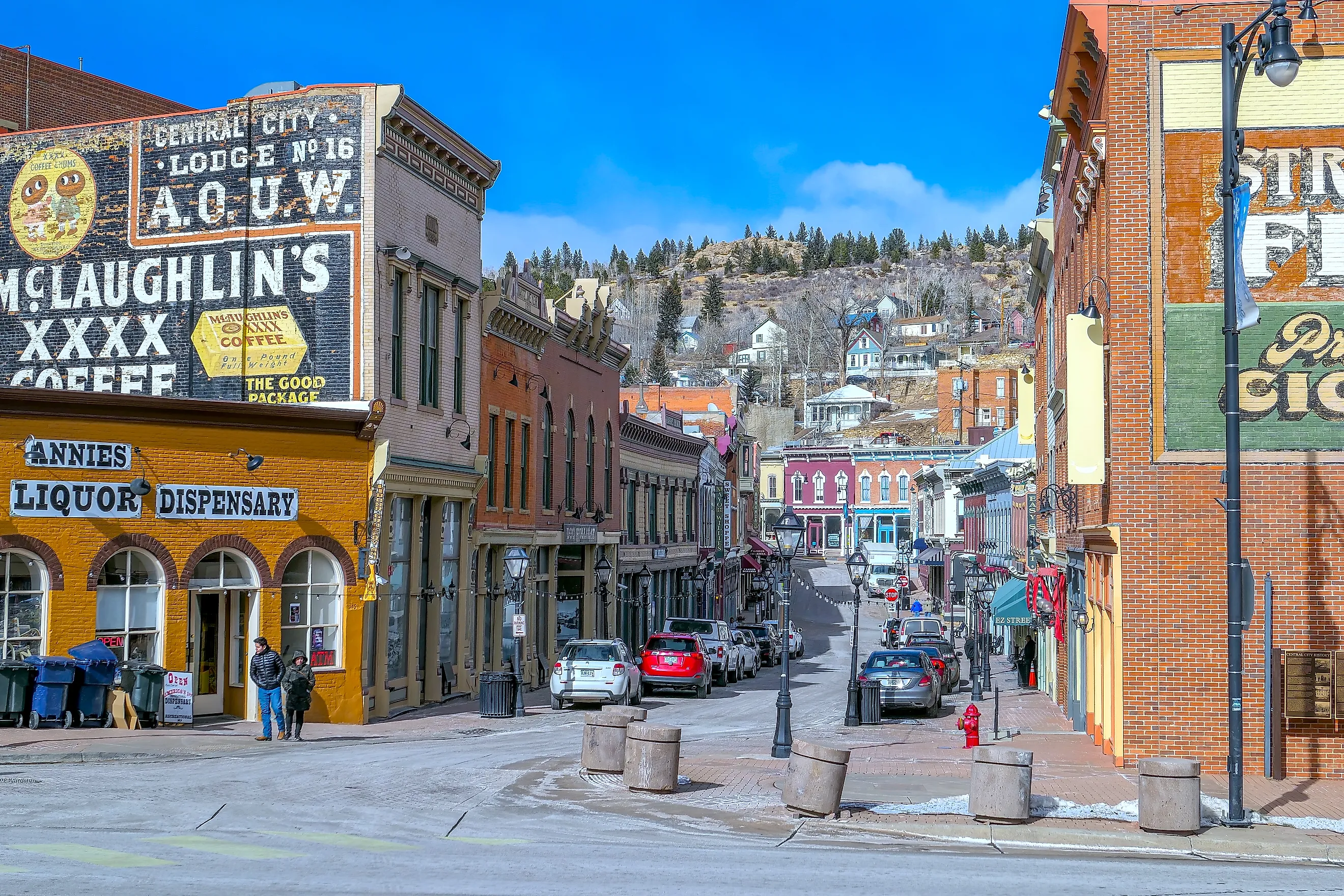
Just 35 miles from Denver, this loudly named mountain town shows true alpine rigor at 8,500 feet. The Gilpin County Arts Association runs a local gallery in a former courthouse and jail, with rotating exhibits in historic venues around town, including 1861-1862 Washington Hall. You can travel back in time along streets laid out shortly after the town’s founding by gold miners in 1859, set amid noble peaks. Drop by the original Central City Opera House for a summertime production at this exquisite 1878 jewel-box venue.

Mt. Pisgah, Pewabic Mountain, and Bald Mountain frame the town for easy strolls, browsing small shops, and taking in the old mining-era streetscape. Outdoor access is close at Golden Gate Canyon State Park, which offers CX-skiing, camping, fishing, wildlife viewing, and views of the Continental Divide from Panorama Point. Meanwhile, the Gilpin History Museum presents local history exhibits, including the Nautilus mountain submarine rescued from a Colorado lake.
Durango

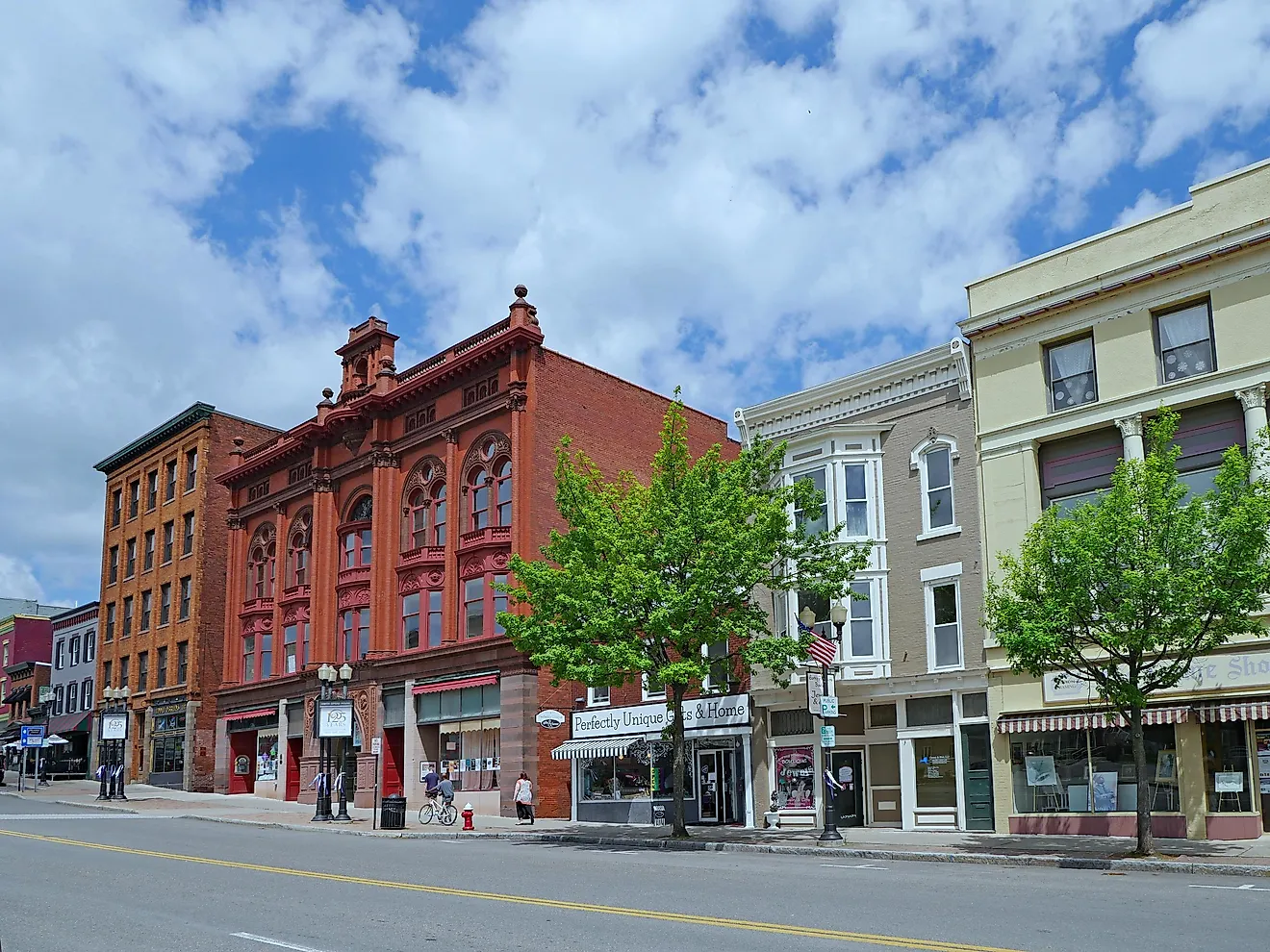
Founded in 1880 by the Denver & Rio Grande Railroad, this town draws visitors year-round to the lush Animas River Valley, with a Wild West-inflected atmosphere and wide-open views at 6,512 feet near the state’s southern border. In addition to its blend of Western and Victorian styles, Downtown Durango includes a concentration of independent shops, galleries, and cultural venues. The steam- and diesel-powered railroad has operated continuously since 1882.

After a scenic ride to Silverton and back, Historic Main Avenue lends itself to an unhurried walk, with longtime galleries and shops like Durango Rug Company still shaping the rhythm of downtown, alongside relaxed cafes. Downtown also sits close to open space, with Animas City Mountain and Lake Nighthorse near enough to visit before or after a Main Avenue stroll.
Georgetown

In one of Clear Creek County’s four original mining towns, you can take in views of the Rockies, sample sweets at Georgetown Valley Candy Company, and visit the pristine 1867 Hamill House Museum, built by Joseph Watson and later purchased by William Arthur Hamill (Mark Hamill’s great-great-great-grandfather). Under an hour west of Denver, the Georgetown-Silver Plume National Historic Landmark District draws weekend visitors to shop and dine locally, including restaurants decorated with mining-era photographs.

Famed as the Silver Queen of the Rockies, this Victorian-era town at 8,530 feet reflects both prosperity and excess from its mining years. The Hotel de Paris Museum, inside a former 1875 French inn, features an ornate interior with period details. The Georgetown Loop Railroad runs through open scenery and dense evergreen forests to nearby Silver Plume aboard a 3-foot narrow-gauge engineering marvel of its time. After time downtown, spending the night at a cozy bed-and-breakfast makes for an easy extension.
Leadville

Once home to 30,000 people, this Victorian-era mining town has seen its population decline since the 1880s, when saloons, dance halls, and brothels drew figures like gambler, dentist, and gunslinger Doc Holliday in search of gold and entertainment. Now set along US-24, part of the Top of the Rockies scenic and historic byway, the town is anchored by the Tabor Opera House, a 650-seat theater that remains a cultural venue and a reminder of the influence of Horace Tabor.

At 10,152 feet, Leadville is North America’s highest incorporated city, known for its thin air and high-alpine setting near the geographic center of Colorado. The walkable downtown includes museums, shops, and independent businesses such as Treeline Kitchen, which features rooftop seating. Two Mile Brewing Co. operates as a local craft brewery, while Mineral 1886 serves breakfast and lunch inside the Delaware Hotel, which offers Victorian-era rooms.
Silverton

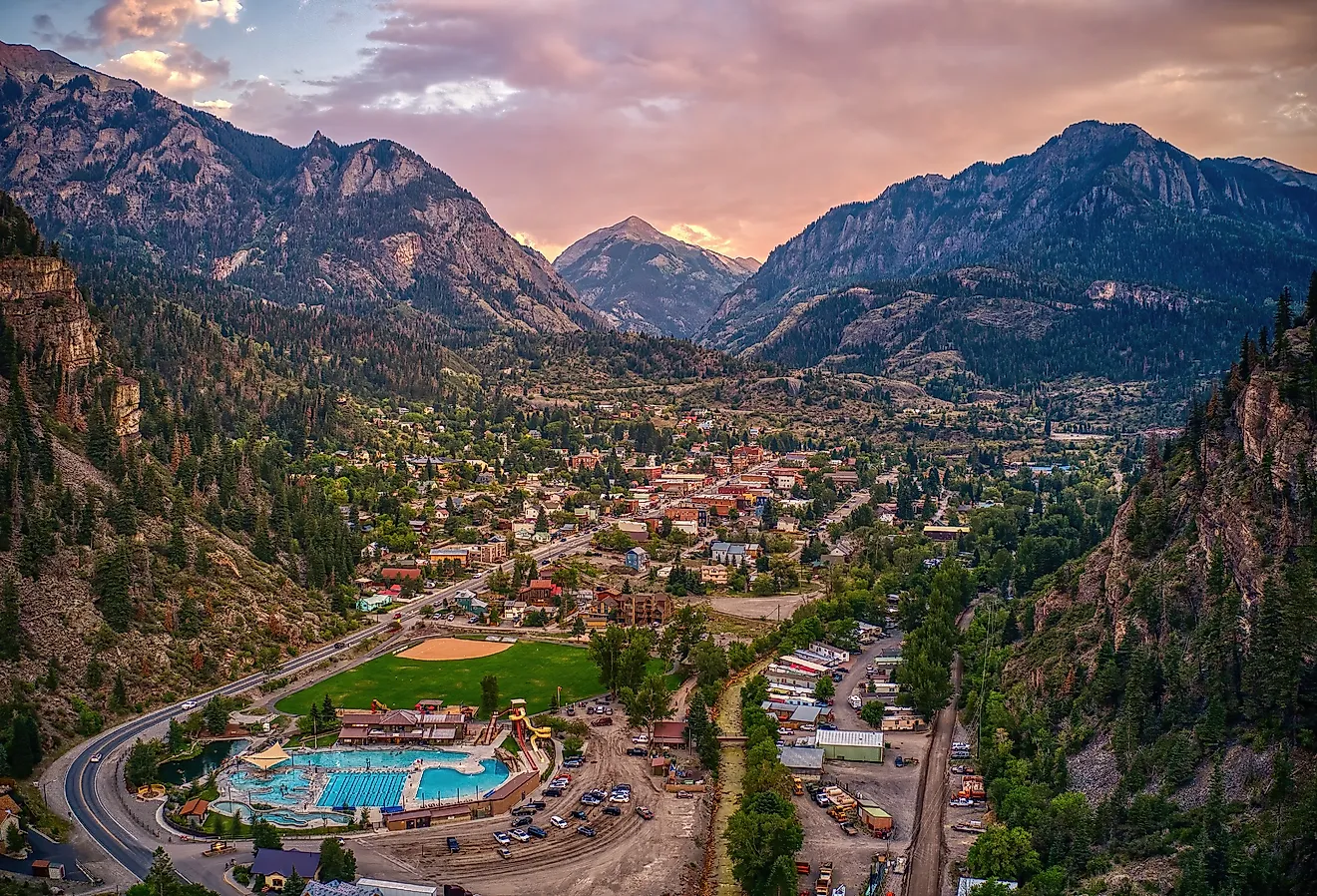
The rugged San Juans surround the town along the Animas River, where historic buildings house breweries, cafes, and shops such as Fetch's Mining & Mercantile and Gertie's Gifts At The Old Arcade. You can step back in time at the San Juan County Historical Society and tour mines that once drove the local economy. The town’s Christ of the Mines Shrine reflects the importance of mining to the area’s history.

Just about 45 minutes from Ouray via the Million Dollar Highway, this former mining boomtown is a National Historic Landmark District, with several towering fourteeners visible along the Alpine Loop scenic byway. In addition to scenic drives, the Durango & Silverton Narrow Gauge Railroad follows the river corridor between steep canyon walls. The 1882 Victorian Grand Imperial Hotel offers late 19th-century accommodations in the center of town.
Telluride

The Victorian-era alpine village inside a box canyon is a designated National Historic Landmark District, with clapboard storefronts and historic buildings housing dining, boutiques, and galleries such as Between the Covers Bookstore and Bruno Cafe. Colorful homes sit against a backdrop of seasonal landscape changes, from summer wildflowers to fall foliage, with two waterfalls just outside town. The 1913 Sheridan Opera House opened as a vaudeville theater and continues to serve as a cultural center.

Best known for its ski resort, Telluride draws visitors throughout the year, with a free 13-minute gondola ride, luxury hotels, and a range of small businesses supporting recreation and cultural events across the seasons.
Victor

This living Victorian relic at nearly 10,000 feet features turn-of-the-century architecture and the highest bridge on the Colorado State Highway system, a 250-foot bridge over Arequa Gulch. Instead of 21st-century commercialism, the town includes shops and eateries such as the Gold Camp Bakery Cafe & Deli, along with retail spaces like Victor Trading Co. & Manufacturing Works. The Lowell Thomas Museum provides historical context through period artifacts, maps, and nearby gold mine remnants.
Scenic drives offer another way to explore the area, including the Shelf and Phantom Canyon roads and the historic Gold Camp Road to Colorado Springs. Just west of town, visitors can see Victor’s large-scale public art installation, Rita the Rock Planter, created from recycled materials by Danish artist Thomas Dambo. The Twin Flame Gallery exhibits fine art by emerging and established artists, including paintings, photography, and sculpture.
Where Colorado’s Past Still Shapes Its Main Streets
In the 1850s, the lure of profitable gold, along with the promise of entertainment and fortune, set many of these towns in motion, and that influence still resonates today. Though many have declined in size since the boom, former mining towns continue to sustain themselves through a mix of outdoor access and cultural activity, including historic railroad routes, skiing, and scenic drives in the Rockies.
Daily life still runs through these historic streets, with locals and visitors sharing the same sidewalks, storefronts, and old brick blocks beneath mountain views. Each corner reflects a layer of the past, supported by steady activity tied to the area’s enduring Old West setting.