6 Towns In New Hampshire That Transport You To The Past
New Hampshire has so much New England history to explore. Exeter, New Hampshire’s de facto capital during the Revolution, is home to the American Independence Museum, where visitors can see a copy of the Declaration of Independence and learn about the town’s role in the Revolutionary War. And Portsmouth, settled in 1623 on the state’s coast, is one of the oldest towns in the country and home to places like Strawbery Banke Museum and Portsmouth Harbor Lighthouse. From Shaker heritage These six towns make it easy to step back into earlier chapters of American life.
Portsmouth

This old coastal town began its tale way back in 1623, making it one of the first established across the whole country. To start off, head to the Strawbery Banke Museum. This museum spans 10 acres, with preserved buildings from ages past. Portsmouth Harbor Lighthouse is another intriguing place filled with history. Its original structure rose as early as 1771, but its current iron version dates back to 1878. Placed within grounds originally known as the Fort William and Mary area, this lighthouse has been witness to important historical events. In December 1774, citizens boldly attacked Fort William and Mary, an early sign of rebellion against British rule.
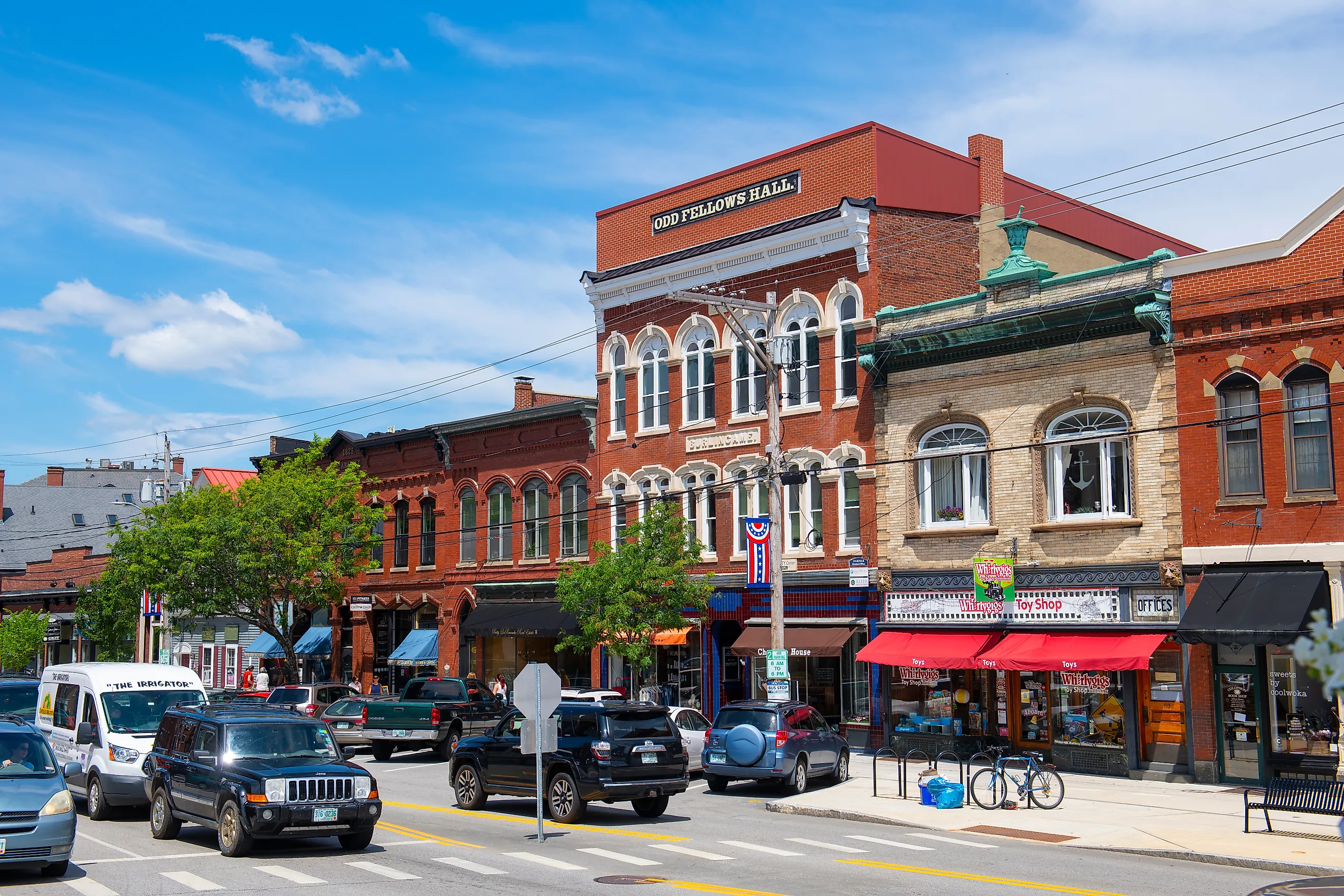
For modern history, visit the USS Albacore Museum, where you can explore a Cold War-era submarine. Experience the cramped conditions and hear stories from sailors who served aboard. Portsmouth preserves its historic charm with brick buildings and occasional cobblestone streets that create an authentic atmosphere. The Moffatt-Ladd House offers an immersive colonial experience, while Market Square remains a vibrant center of activity, reflecting the town’s deep roots in maritime trade and travel.
Exeter

Want to walk around a town from the Revolutionary War era? There are few places that can help you discover that feeling more than Exeter. The area was first settled in 1638 and later served as the state's de facto capital during the Revolution, home to the state's governing body and rebel leaders. Ready to dive into history? Your first stop is none other than the American Independence Museum. Boasting an actual copy of the Declaration of Independence, it's a treasure chest for history buffs. Not only that, but the museum also paints a vivid picture of Exeter's contribution as New Hampshire’s command center during the Revolutionary War.
If you're interested in a historical stroll, the Exeter Historical District is an excellent choice. This area features well-preserved buildings from the 18th and 19th centuries, allowing visitors to experience the spirit of America's early colonial era when homes and public spaces were first established. After exploring this rich history, head over to Exeter River and Swasey Parkway for a scenic walk along the river. The parkway offers tranquil trails and unique views of the downtown area from a different vantage point.
Harrisville

Harrisville is a town where history feels alive. Incorporated in 1870, it remains one of New England’s best-preserved mill villages, with 19th-century woollen mills and workers' homes still intact. Strolling through the Harrisville Historic District, history peeks through every corner. The whole area is a National Historic Landmark, boasting preserved wool factories, workers' homes, and a local shop that has been kept in tip-top condition. The town's history is preserved through Historic Harrisville, Inc., an organization dedicated to maintaining the Historic District. It helps shed light on how this town played a vital part in New Hampshire's flourishing cloth-making trade.
Harrisville's unhurried pace adds to its charm. The historic Harrisville General Store, open since the era of horse carriages, continues to serve as a gathering point. Locals stop by for meals, while visitors get a glimpse of life in a town that deeply preserves its heritage. In addition to its history, Harrisville offers tranquil spots to enjoy nature. At the town's center, Harrisville Pond mirrors the surrounding hills and historic buildings in its calm waters. Nearby, peaceful walking trails provide perfect opportunities to take in the scenic beauty.
Canterbury

Canterbury began as a farming settlement before growing into one of New England’s largest Shaker communities. At the 694-acre historic Canterbury Shaker Village, they share the story of the Shakers, a religious group famous for their plain living, craftsmanship, and innovative ideas. People coming here can see buildings from the 18th and 19th centuries, still standing proudly today. After, head to the Canterbury Center. In the heart of town, there are all sorts of historic places of worship and buildings to see. The Canterbury Town Hall was built in 1857 while the United Community Church has been around since 1823, both of which reflect the age-old character of a historic New England town.
For a fun outdoor experience, visit Hackleboro Orchards. This locally owned orchard is a part of Canterbury's history, and in the fall, you can pick your own apples. While there, explore the orchard's farm stand, which offers fresh local foods and homemade products. Finally, stop by the Fox Country Smoke House, which has been using slow-curing methods for over fifty years to craft some of the finest smoked meats in New England. Their bacon, dry-cured and smoked over native hardwood, boasts a deep, rich flavor.
Keene

Few things helped advance the U.S.A. more than the railroad, and that history is alive in Keene. The Cheshire Railroad Stone Arch Bridge, built in 1847, spans the Branch River and remains one of the best-preserved pre-1850 stone arch bridges. Originally part of the Cheshire Railroad, it is now part of the Cheshire Rail Trail which offers views along the former railroad line. The Historical Society of Cheshire County lets you learn about the old railroad history, teaching all about interesting stories of the area. You will hear about the region's first-ever train in 1848 and the businesses that grew by the tracks.
Central Square in downtown Keene showcases historic architecture, local shops, and the well-known United Church of Christ, often called the "White Church." For a scenic walk, the 33-mile Cheshire Rail Trail spans through the heart of Keene, offering beautiful views—perfect for biking, walking, or hiking. Nearby, Stonewall Farm presents a real dairy farm open for visits. It also features hiking trails and educational programs focused on sustainable farming.
Walpole

Walpole sits only 15 miles upwards from the Massachusetts border and lies alongside the flowing waters of the Connecticut River. The town boasts a colorful past, dotted with well-kept homes, businesses passed down generations, and heritage farms. The Walpole Historical Society Museum shares tales of the town through relics and displays about its first residents and primary businesses. Just a short walk away, the Walpole Town Common is surrounded by historic homes and structures. Not far from the common, the Bellows Walpole Inn, steeped in history dating back to the 1760s, once hosted stagecoach travelers, preserving a colonial-era atmosphere that endures today.
L.A. Burdick Chocolates is a cherished highlight of the town, popular for its handmade confections and rich, velvety hot chocolate. Nearby, Distant Hill Gardens offers walking paths through wooded areas and swamps, making it a peaceful retreat. In the fall, many visitors go to Alyson's Orchard for apple picking and to admire the beautiful hillside scenery.
New Hampshire's towns can feel like a trip down memory lane into the books of history, where the past is not just memorialized—it is appreciated. Walk through Portsmouth, where hints of its marine history are still present. In Exeter, fervor for freedom from the Revolution keeps strong. Harrisville’s factories stay untouched by time, while Walpole’s old-time allure survives. Here, memories never vanish and when you come to visit, you will be going home with countless stories and memories from days long ago.