6 Quirky Little Towns In Oklahoma
Oklahoma rewards the kind of driving where you’re willing to pull over for something strange. This gorgeous state is full of surprises. For instance, while keeping an eye on the sky for a funnel cloud, you may pass a giant cement whale lounging beside a pond on a busy highway. Or, while you explore Oklahoma’s small towns, you may stumble across red granite cobblestones that look like they come straight out of a fairytale. In fact, many of the quirky little towns have at least one unusual or even downright bizarre claim to fame. If you want to experience some of them for yourself, start by visiting one or all of the following six towns.
Medicine Park

Medicine Park is a town of fewer than 500 residents in Comanche County, and the place where you will find the above-mentioned red cobblestones. Founded in 1908, Medicine Park is nicknamed "America's First Cobblestone Community." The cobblestones are smooth, oval-shaped, and were taken from the nearby Wichita Mountains. Their naturally red hue helped create a landscape that you will not find anywhere else. Some of the town’s first residents hand-set the stones alongside laborers under the watchful eye of town founder, Senator Elmer Thomas. Today, you will find cobblestone buildings throughout Medicine Park. These include the Old Plantation Restaurant, cottages along East Lake Drive, and the former dance hall next to Bath Lake.
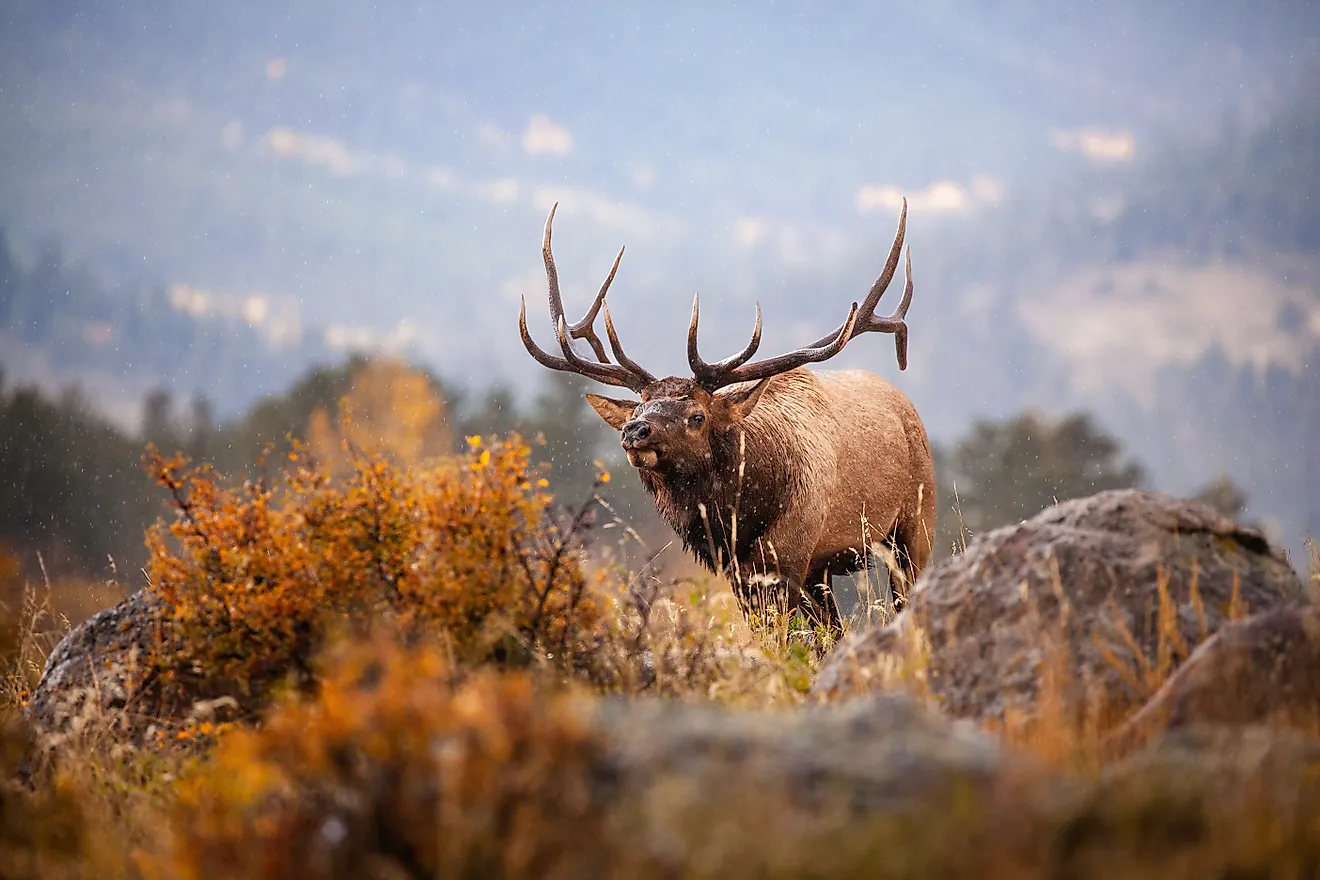
Other activities to enjoy in Medicine Park include exploring the Yellow, Orange, and Blue hiking trails located near the Wichita Mountains Wildlife Refuge. The trails offer memorable views of Mount Scott and Lake Lawtonka. You might also see elk, deer, and bison along the way. There are several campgrounds, including spots within the refuge, where you can pitch a tent or park your RV if you plan to stay a few days. And, there are plenty of fish in Medicine Creek if you want to cast a line and relax.
Beaver
The small town of Beaver was once just a house where traders stopped along the Jones and Plummer Trail. The house was a hotel, restaurant, and general store in one, built and managed by Jim Lane. Today, there are around 1,300 residents here, and the town’s claim to fame is no longer being a ‘one-stop shop.’ Instead, Beaver is famous for hosting an annual World Cow Chip Throwing Championship. The first championship was held in 1969, and now people come from far and wide to see how far they can throw dried cow manure. If you have not done this before, do not listen to those telling you to lick your fingers for luck between throws.
If cow manure is not something you look forward to seeing or touching, there are lots of other things to do in Beaver. At Beaver Dunes Park, you can go off-road riding on the dunes or camp under the stars. Or, you can head to the Jones and Plummer Trail Museum to learn more about Beaver and the surrounding area. There are incredible collections, sights, and artifacts here, including a piano, windmill, huge saddle collection, and a restored one-room schoolhouse.
Pawhuska

Pawhuska is located in northern Oklahoma and was named for Chief Paw-Hiu-Skah. Known as the home of Ree Drummond (The Pioneer Woman), this historic town skillfully blends Old West spirit with the creature comforts modern visitors expect. When you get here, your first stop should be the Pioneer Woman Mercantile, where you can eat, buy souvenirs, or just check out the pioneer gear. This shop gets very busy, so we recommend planning your visit for the first thing in the morning. As for Pawhuska’s ‘quirk’, you will find that at the Buckin’ Flamingo. There are incredibly unique jewelry selections here, a flamingo rig, and shelves full of curiosities. The shop is known as the largest selection of turquoise jewelry in the entire state.
While you are downtown shopping, remember to stop by Immaculate Conception Catholic Church to see the unusual stained-glass windows, or take a walk through the Ben Johnson Cowboy Museum. You will find everything Western and cowboy here, including information on Johnson, or "the world’s greatest cowboy," who has won a Rodeo World Championship and an Oscar. He is said to be the only man to have achieved this feat so far.
Hugo
Hugo was founded in 1901, and by 1937, the first circus began spending its winters here. More than twenty-two circuses would follow suit, with both the animals and the performers preferring the milder climate of southern Oklahoma. Unsurprisingly, Hugo became known as "Circus City," and circuses still perform here today. At the local Mount Oliver Cemetery, there is a dedicated section called Showmen’s Rest. This section was established around 1960 after the death of circus owner Kelly Miller. There are several granite gravestones here that carry on the spirit of the circus. They include sculpted tusked elephants, a marker for trapeze artist Grace McFarland, and stones shaped like a circus tent. At the center of Showmen’s Rest is a large monument featuring a carved elephant balancing on two legs.
Aside from visiting the cemetery, there are many other sights in Hugo. At the Frisco Depot Museum, you will find intriguing displays including a miniature circus, an antique whiskey still, and a model railroad. If you want to spend some time outdoors, you can rent a pontoon at Hugo Lake Park or go hiking along Hugo Lake. There are also 10 campsites here, each with a grill and picnic table.
Tahlequah

Tahlequah is one of the oldest municipalities in Oklahoma and is the capital of both the Cherokee Nation and the United Keetoowah Band of Cherokee Indians. The first long-distance telephone line to Tahlequah was established in 1885, and memorial stones commemorating this achievement are located on the grounds of the Cherokee National History Museum. The museum features several seasonal and permanent exhibits, including the Trail of Tears Art Show, scheduled to take place from April to May 2026.
While adventuring through Tahlequah, you can also visit the grave of America’s favorite talking horse, Mister Ed. The grave is on a farm just north of Tahlequah and features a stone mural that depicts Ed’s head through a barn door. If you visit the city during the summer, you can go floating or river rafting on the Illinois River, which runs just east of town. Or, you can take the short drive to Welling Ridge Trails, where you can go on a hike or have a picnic.
Bartlesville

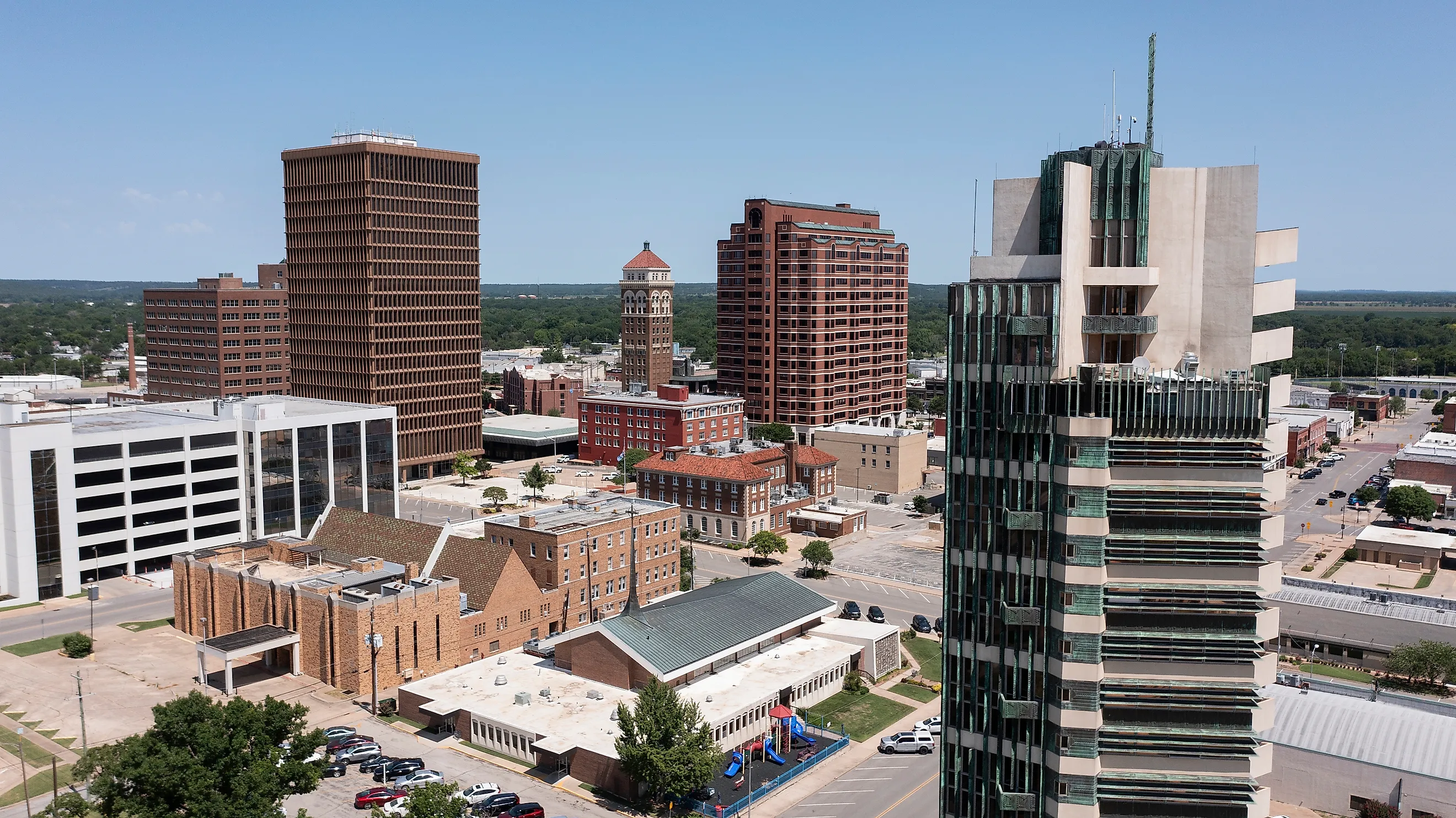
Bartlesville is one of the larger towns in Oklahoma, and there are plenty of things to see and do here, so you should ideally spend a couple of days. Bartlesville is home to Price Tower, the only skyscraper built by the famous architect Frank Lloyd Wright. The building was constructed of concrete slabs that resemble tree branches. The exterior walls were covered in copper and gold-tinted glass to create the illusion of leaves. If the tree tower is not quirky enough for you, you might be inspired by the Playtower designed by Bruce Goff. The tower was originally a gift to the children of Bartlesville and once featured an observation room and a sand pit at its base.
There is more fun to be had at Bartlesville Kiddie Park. The park is open during the summer and features a mini-train and bumper cars for children ages 12 and under. And, at Sooner Park, you can enjoy a game of volleyball or tennis, attend live events, or go for a swim. Sooner Park is also home to the aforementioned Playtower. There are more rides, picnic spots, and a playground at Johnstone Park, which sits at the river’s bend. The park offers amusement fair rides and features a replica of the state’s first commercial well.
Going On an Offbeat Adventure
If you want to experience something out of the ordinary, these small towns and many other Oklahoma towns offer you just that. You will find charm and quirk wherever you turn and be rewarded with a sense of character you will not find anywhere else. Whether you want a nostalgic adventure or if you are simply curious about the state of Oklahoma, the small communities here will compel you to stay longer and look a little closer. And, when you do, you will find that the simplest stops are often the most memorable.