6 Quietly Charming Towns In Georgia
Among Georgia’s quieter corners, you’ll find winding mountain roads and historic downtowns where the pace feels noticeably more relaxed. Madison stands out for its Historic District, where more than 50 antebellum homes and landmarks showcase the town’s past. In the foothills of the Blue Ridge Mountains, Dahlonega draws travelers with its gold-rush heritage at the Dahlonega Gold Museum. These quietly charming towns show why Georgia’s smaller communities are some of the most rewarding places in the state to slow down and explore.
Madison

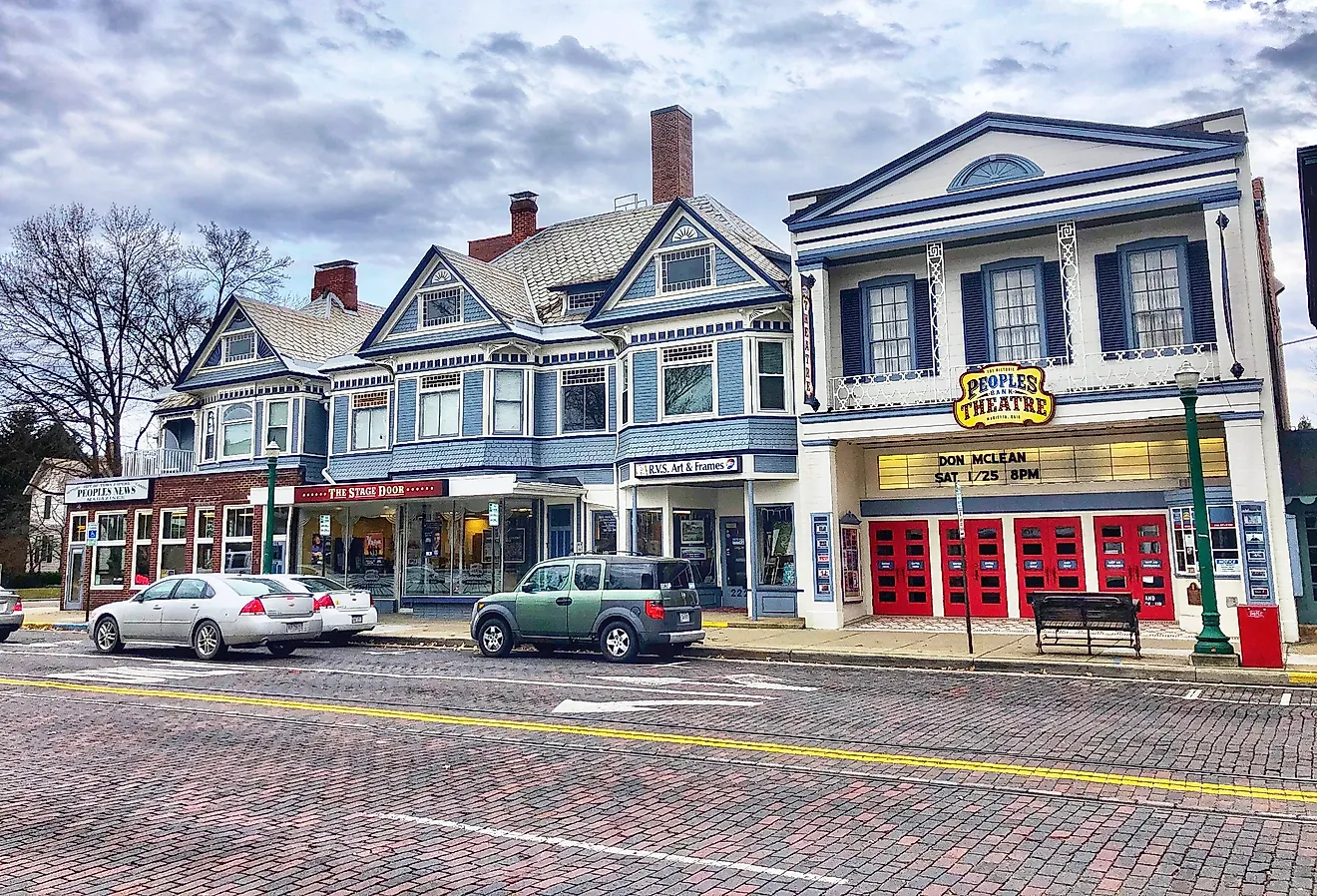
Located just an hour east of Atlanta along Interstate 20, Madison is famous as “the town that Sherman refused to burn” after locals persuaded Union forces to spare it from destruction. As a result, Madison is now home to one of the largest intact collections of 19th-century architecture in the state. The Madison Historic District alone contains over 50 elegant antebellum homes and is fun to explore for its architectural eye-candy.
Three of the district’s oldest homes are now museums, including Heritage Hall, a Greek Revival mansion built in 1811. Highlights include period furnishings and a medicinal herb garden on its four-acre grounds. Nearby, Rogers House looks just as it would have in 1873, while Rose Cottage, built in 1891, tells the story of Adeline Rose, a woman born into slavery who became a property owner.
The Madison-Morgan Cultural Center is also worth checking out. Housed in a magnificent red-brick Romanesque Revival style building constructed in 1895, this arts hub features galleries, performances, and exhibitions, including displays dedicated to civil rights.
Dahlonega

Set in the foothills of the Blue Ridge Mountains, Dahlonega is best known as the site of the first major U.S. gold rush, which began here in 1828, nearly two decades before California’s famous discovery. Today, the town’s beautifully preserved square centers on the Dahlonega Gold Museum, housed in the historic Lumpkin County Courthouse built in 1836. Inside, exhibits showcase mining tools, gold coins, and stories from the early prospectors who once flooded the region in search of fortune.
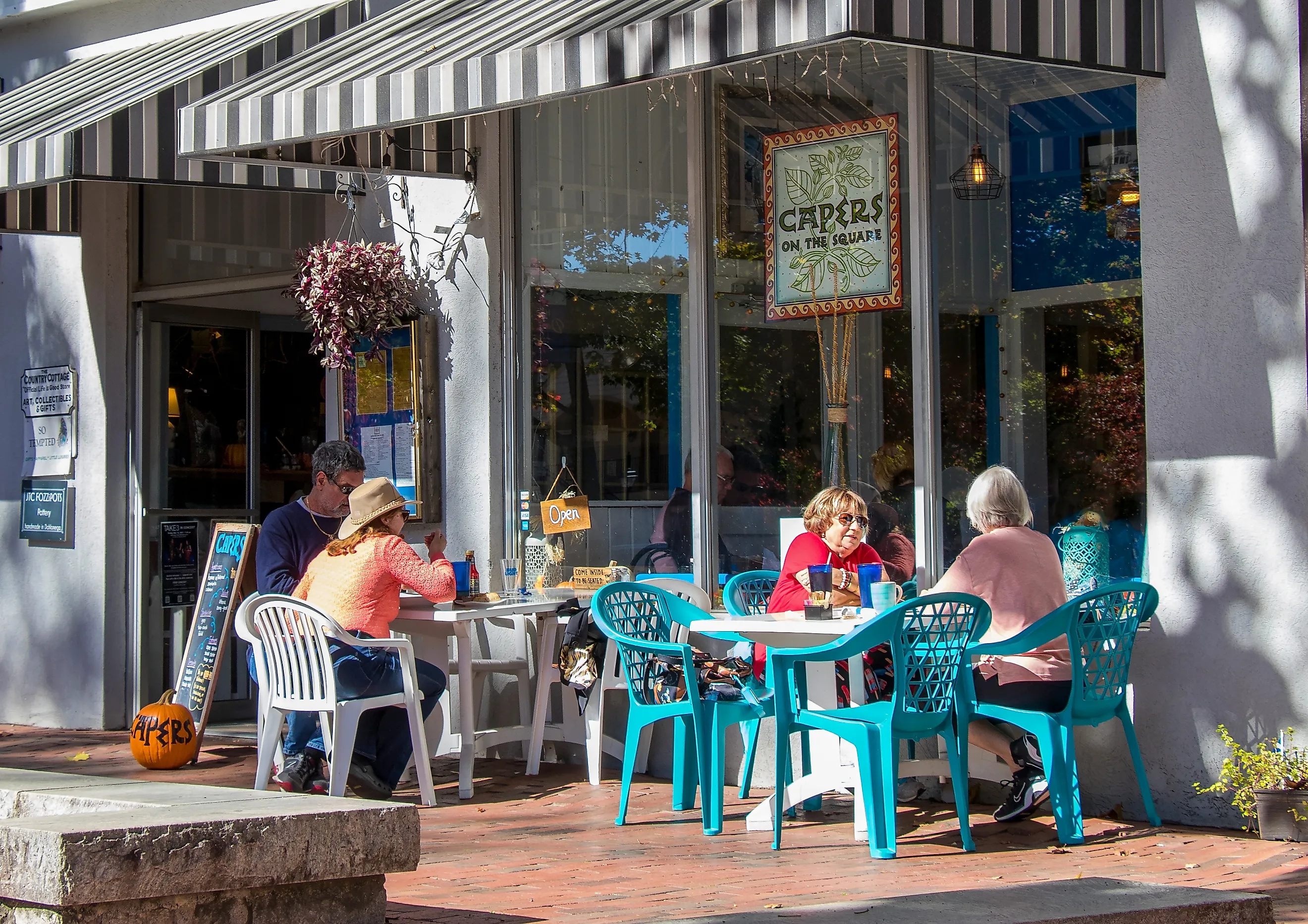
The surrounding countryside remains closely tied to that heritage. Visitors can pan for gold at nearby attractions such as Consolidated Gold Mine and Crisson Gold Mine, where underground tours explore the tunnels once worked by miners. Back in town, the walkable square is lined with cozy cafés, boutiques, and galleries that make it easy to spend an afternoon browsing.
Dahlonega has also become a hub for North Georgia wine country. Just minutes from downtown, scenic vineyards such as Wolf Mountain Vineyards and Kaya Vineyard & Winery offer tastings with sweeping mountain views. Add in the nearby trails and waterfalls of the Chattahoochee National Forest, and it’s easy to see why Dahlonega is one of the state’s most appealing small-town escapes.
Thomasville

Fondly referred to as Georgia’s “Rose City,” Thomasville plants more than 1,000 roses in 85 beds spread throughout town. Add to this the countless private gardens maintained by residents, and it’s little wonder people travel from far and wide to see them in bloom. The Thomasville Rose Garden at Cherokee Lake Park is ground zero for roses here, with over 1,500 bushes blossoming between April and July.
Every April since 1922, the Thomasville Rose Show and Festival has attracted rose growers from around the world to compete, while flower fans join in fun parades, antique car shows, markets, and entertainment.
Fans of quirky architecture will want to visit the Lapham-Patterson House. Built in 1884 as a winter cottage, it has no square or rectangular rooms at all due to the owner’s fear of fire. Also worth seeing is the Pebble Hill Plantation, a sprawling property south of town. Established in the 1820s as a cotton and tobacco farm, highlights include the attractive neoclassical Main House with its collections of Audubon lithographs, period antiques, and rare Chinese porcelain. It also houses the Elisabeth Ireland Poe Sporting Art Gallery.
And don’t leave town without seeing Thomasville’s famous Historic Big Oak. This huge live oak tree (it’s the biggest on the country) dates to approximately 1685 and boasts a circumference of 26 feet, with limbs that shade most of the surrounding park. It’s also the ultimate selfie spot, with the Big Oak by the Big Oak Cam set up to take your photo next to the tree.
Milledgeville

Milledgeville is so pleasant that it’s hard to believe it once served as Georgia’s state capital, a role it occupied from 1804 until the seat of government moved to Atlanta after the Civil War. The centerpiece of that era is Georgia’s Old Governor’s Mansion, an attractive Greek Revival structure completed in 1839 that served as the residence for the state’s chief executives until Sherman’s forces claimed it as a headquarters during the March to the Sea.
Now a museum, guided tours include seeing its period furnishings, documents, and restored interiors. The nearby castle-like Old State Capitol is an early example of Gothic Revival architecture and is worth grabbing a photo of, while the Milledgeville Historic District comprises one of Georgia’s largest collections of preserved Federal-style architecture. To make the most of your visit, pop into the Milledgeville Visitor’s Center for details of their handy self-guided walking tour.
You’re guaranteed a quiet and relaxing time at the Lockerly Arboretum, a 50-acre property just minutes from downtown. In addition to walking trails, you’ll enjoy seasonal plantings and a chance to photograph Rose Hill, an elegant mansion built in 1852. Lake Sinclair is another good excuse to visit and is popular for boating, fishing, and watersports (local marinas offering half- and full-day boat rentals).
Darien

Georgia’s second-oldest city, the coastal town of Darien was founded in 1736 by immigrants from the Scottish Highlands near the site of Fort King George, the first British outpost in what would become the colony of Georgia. The reconstructed fort, located just east of town, features authentic reproductions of the original blockhouse, barracks, and earthen walls, with easy-to-follow displays about the colonial struggle between the British and Spanish for regional control.
Darien later became a center of the lucrative rice trade, with plantations like the Hofwyl-Broadfield Plantation still intact. Pay a visit to explore its museum (tours are available) and beautiful grounds with its nature trails. Another historic site worth visiting is the Old Jail Art Center, set in a building from 1888 that now exhibits work from local and regional artists.
The town’s shrimping heritage is still a thing, and you’ll spot shrimp boats lining the docks and Waterfront Park along the Darien River. You’ll get a strong sense of this connection to the sea if you visit in spring for the annual Blessing of the Fleet festival. This three-day event includes a boat parade, live music, food vendors, and a formal blessing ceremony that’s been a part of local tradition since 1938.
St. Marys

On the north bank of the St. Marys River and just eight miles from the Florida border, the town of St. Marys was first settled by the Spanish in the 16th century before becoming a part of Georgia in 1763. Considered the “Gateway to Cumberland Island,” it’s only a 45-minute passenger ferry ride to Georgia’s largest and southernmost barrier island.
Cumberland Island National Seashore is a delight to explore, especially for those seeking a little solitude. In addition to its quiet maritime forests, undeveloped beaches, and wide marshes, it boasts 50 miles of trails. There’s also 18 miles of shoreline to explore, complete with wild horses that roam freely.
St. Marys itself is worth more than just a pass-through on the way to the ferry. St. Marys Historic District is fun to explore on foot, with Osborne Street serving as the main corridor. Must-visits include the Cumberland Island National Seashore Museum with exhibits covering everything from the Timucuan Indians who first inhabited the island, to the lavish homes of Gilded Age families who once vacationed here. You’ll catch most of the important facts while strolling the peaceful St. Marys History Walk, a pleasant trail with interpretive signs that passes most town landmarks.
A Quieter Side of Georgia
Together, these six towns share an authenticity and charm that’s impossible to find in bigger, more visited destinations. From Madison’s preserved antebellum homes to Thomasville’s spectacular roses, and to the coastal heritage of both Darien and St. Marys, they each encourage you to slow down, take your time, and stay a little longer than you might otherwise have planned.