6 Of The Best Affordable Towns To Retire In California
Retirement in California is often sold as a coastal fantasy with a luxury price tag, but a different reality quietly exists inland and along the less-traveled edges of the map. In towns like Clearlake, Susanville, Ridgecrest, Red Bluff, Eureka, and Ukiah, median home prices sit well below the state’s eye-watering norm, yet the daily returns are rich: lake views, river walks, redwood fog, desert horizons, historic downtowns, and real, repeatable community rituals. These are places where you can still become a regular, where the museum staff recognizes you, the bookseller sets aside a title you’d like, and the server at the diner knows your usual order.
For retirees on a fixed income, that combination matters more than any postcard fantasy. It means healthcare within reach, groceries that don’t shock, fuel for day trips, and enough left over for a glass of local wine or a ticket to the restored theater. Choosing one of these towns is trading hype for substance and cost for value, and stepping into a version of California that still feels livable and genuinely yours.
Clearlake

Clearlake, tucked into the folds of Lake County, offers retirees a rare mix of affordability and natural grandeur without the rush of coastal crowds. Despite those lake views, median home prices hover around the mid-$200,000s, far below California's high-$800,000 statewide median, so a place near the water is actually within reach for many retirees. What makes this town more than just scenic is the sheer intimacy it offers with California's largest freshwater lake. Retirees with a love for wildlife will find Anderson Marsh State Historic Park especially meaningful, not just for its hiking trails, but for the glimpses of tule elk and otters among Native American archaeological sites. Nearby, Cache Creek Vineyards provides a distinctly local wine-tasting experience, where estate-grown Syrah is often paired with panoramic views and the occasional herd of wild turkey meandering across the lawn.
For those who prefer a slower rhythm, the Clear Lake Campground hosts outdoor movie nights right along the water's edge, a small but beloved community tradition. And when it comes to comfort food with character, there's no missing The Spot, a retro walk-up burger stand where the lake breeze drifts through picnic tables and locals swap fish stories over milkshakes. Even shopping gets personal at Strong Financial Services' neighboring gift shop, which curates regional artisan goods retirees can actually use.
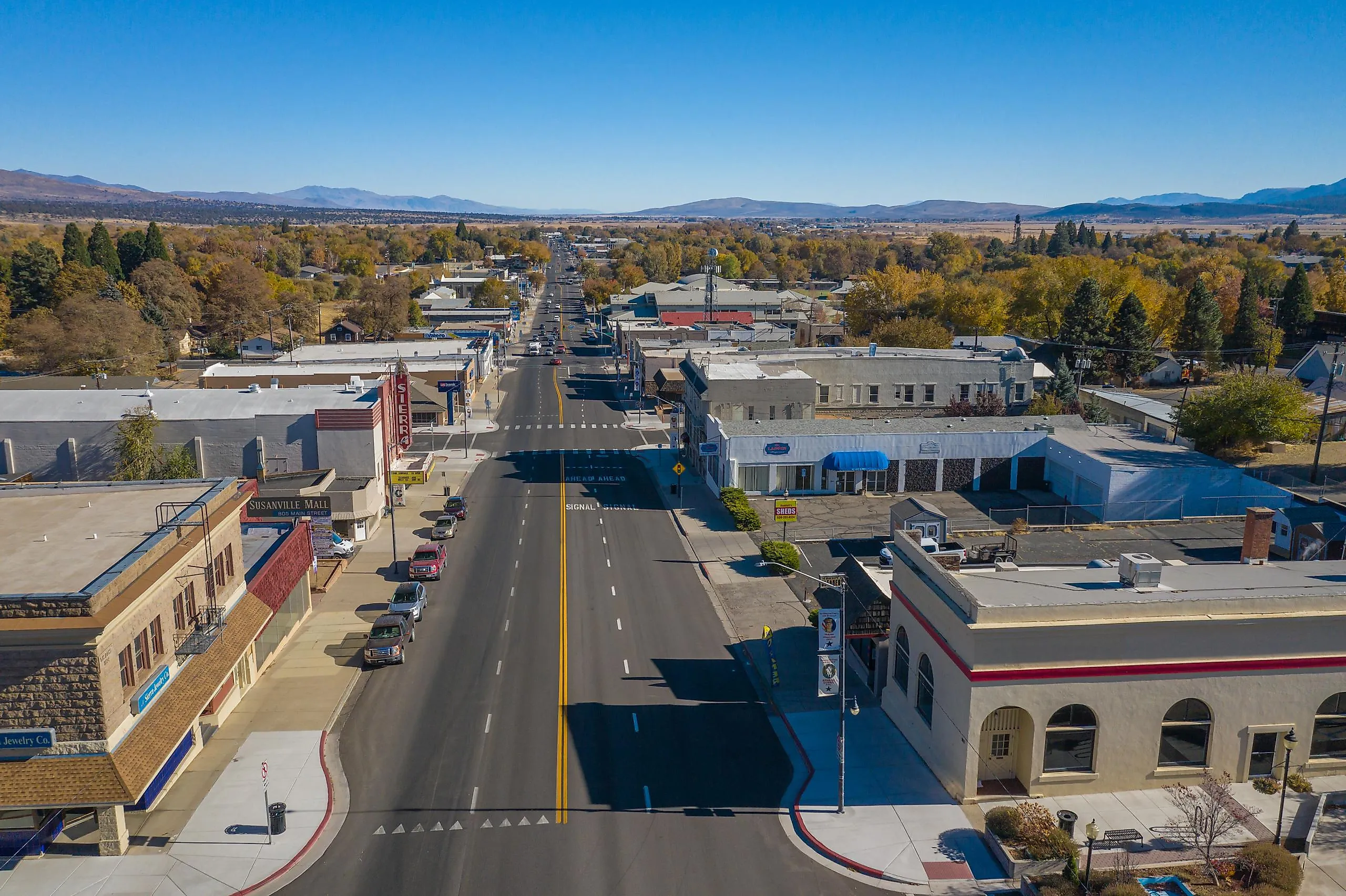
Susanville

Susanville, nestled against the eastern slopes of the Sierra Nevada, has a way of rewarding retirees who still crave a bit of the frontier. Homes here typically sell in the low-$200,000s, a number that leaves noticeably more room in a fixed retirement budget than most California markets can offer. The town's history as a former logging hub comes alive at the Lassen Historical Museum, where exhibits include everything from antique firefighting gear to a preserved jailhouse, offering a clear-eyed look at a town built by grit. Just beyond it, the Bizz Johnson Trail draws walkers and bikers alike, with its converted railroad tunnels and trestle bridges winding through rugged canyonland. It's the kind of trail where someone might stop more than once, not for rest, but to admire where pine forests meet the Susan River.
What keeps many locals rooted, though, is the small-town pride behind places like the Lumberjack's Restaurant. It's not just the generous portions, it's that the place still feels like a tribute to the logging families that shaped the area. Book lovers often gravitate toward Margie's Book Nook, a long-standing shop where staff actually remember customers' names and reading habits. And retirees looking to tap into local events often find themselves at the Lassen County Fairgrounds, where quilt shows and bluegrass festivals make good on the promise that there's still plenty happening, even in retirement.
Ridgecrest

Ridgecrest may sit in the Mojave Desert, but for retirees drawn to the drama of wide-open landscapes and curious history, it delivers more than just solitude. Median home values sit in the mid-$200,000s, keeping Ridgecrest firmly in the "attainable" column for retirees relocating from far pricier corners of California. The Maturango Museum is the town's cultural anchor, not just for its exhibits on desert flora and local petroglyphs, but because it serves as the exclusive gateway to the Coso Rock Art District, home to thousands of ancient Native American carvings, accessible only through museum-led tours. Just north of town, retirees willing to make the short drive are rewarded with the otherworldly Trona Pinnacles, a surreal cluster of spires rising from the desert floor, often featured in films but somehow never overrun.
But Ridgecrest isn't just for hikers and history buffs. Those who stay quickly come to appreciate the role of places like Casa Corona, a locally beloved Mexican restaurant where chile rellenos come smothered in housemade salsa and the staff greets familiar faces with easy warmth. At Red Rock Books, retirees find a reliable local haunt, more than a bookstore, it doubles as a community hub for author readings and handmade gift finds. Even in a desert town anchored by a Naval base, Ridgecrest finds ways to surprise, especially for those who like their retirement seasoned with a bit of the unexpected.
Red Bluff

Red Bluff has long been overshadowed by larger Northern California cities, but retirees who land here often wonder why it took them so long. With a median home price sitting in roughly the mid-$300,000s, well under the statewide figure, retirees can claim river access without taking on a city-sized mortgage. The town's connection to the Sacramento River is more than scenic, at William B. Ide Adobe State Historic Park, visitors can walk through the preserved 1850s homestead of California's brief Bear Flag Republic president, with original furnishings and live history programs that lend real weight to the story. Just upriver, the Sacramento River Bend Area offers miles of lesser-known trails where retirees can spot bald eagles or simply take in the sight of lava-strewn bluffs without ever encountering a crowd.
In town, the State Theatre holds unexpected charm, it's a 1940s Art Deco performance hall that's been carefully restored and now hosts everything from touring jazz ensembles to local stage plays, making it a rare gem for retirees who want to stay culturally engaged without a big-city commute. And across the street, Green Barn Whiskey Kitchen has become a standout not for trendiness, but for its precision, slow-smoked brisket, heirloom cocktails, and staff who know the provenance of every ingredient.
Eureka

Eureka rewards retirees who prefer depth over dazzle. Median home prices here generally fall in the low-$400,000s, substantially below California's nearly $900,000 statewide median, which is striking given the town's access to both historic architecture and wild coastline. Its Old Town district is more than postcard charm, it's anchored by the Carson Mansion, an 1880s Victorian masterpiece once owned by a lumber baron and now one of the most photographed private homes in the country. Just a short walk away, the Clarke Historical Museum offers an unusually rich collection of Native American basketry and Gold Rush-era artifacts, curated with an eye for California's layered past.
Nature here isn't peripheral, it surrounds and defines. The Humboldt Bay National Wildlife Refuge, a quick drive south, provides retirees with tranquil access to migrating shorebirds and Roosevelt elk, with flat, accessible trails designed for all mobility levels. But Eureka doesn't forget the pleasures of town life. At Dick Taylor Craft Chocolate, retired visitors often linger longer than expected, drawn in by the open-concept factory and the way each bar is hand-wrapped like a gift. And The Booklegger, one of the longest-running independent bookstores on the North Coast, offers the kind of browsing experience where the staff's recommendations feel like trusted advice.
Ukiah

Ukiah offers retirees the kind of quiet magnetism that comes from a deep-rooted sense of place. Even with a median home price in roughly the high-$400,000s to $500,000 range, Ukiah still comes in at around half the broader California median, which is why many buyers here are downsizing from costlier wine-country or Bay Area ZIP codes. At the Grace Hudson Museum, housed on the former homestead of the early 20th-century painter, visitors encounter more than just artwork, they find an intimate record of Pomo life and the Hudsons' legacy in California anthropology. Just beyond, the adjacent Wild Gardens create a seamless bridge to Ukiah's native landscape, planted with species that reflect the region's ecological history.
Downtown, the Mendocino Book Company stands as a cornerstone, independently run for decades, with shelves that seem to anticipate what readers didn't know they were looking for. A short walk away, Schat's Bakery earns its reputation not just for sourdough, but for the steady line of longtime locals waiting for morning coffee and almond horns. Those seeking something quieter often make their way to City of Ten Thousand Buddhas, one of the largest Buddhist monasteries in the U.S., open to the public, with peaceful grounds and a vegetarian restaurant where retirees can take lunch in near silence.
Retirement in California doesn't have to mean compromise; it just requires choosing the right map. In these six towns, housing costs loosen their grip, and the things that usually feel like upgrades, trailheads, working harbors, serious museums, family-run diners, come standard. The decision, in the end, is simple: pay for a famous ZIP code, or buy yourself time, mobility, breathing room, and a genuine daily life you actually look forward to living.