6 Classic Americana Downtowns In Alabama
Often, the storefront of a small town building tells the story better than any history book. That is especially true in Alabama's smaller communities. Walk through the heart of these close-knit downtowns, and you will pass red brick facades, smell fresh coffee from century-old buildings, and get a wave from strangers who actually mean it.
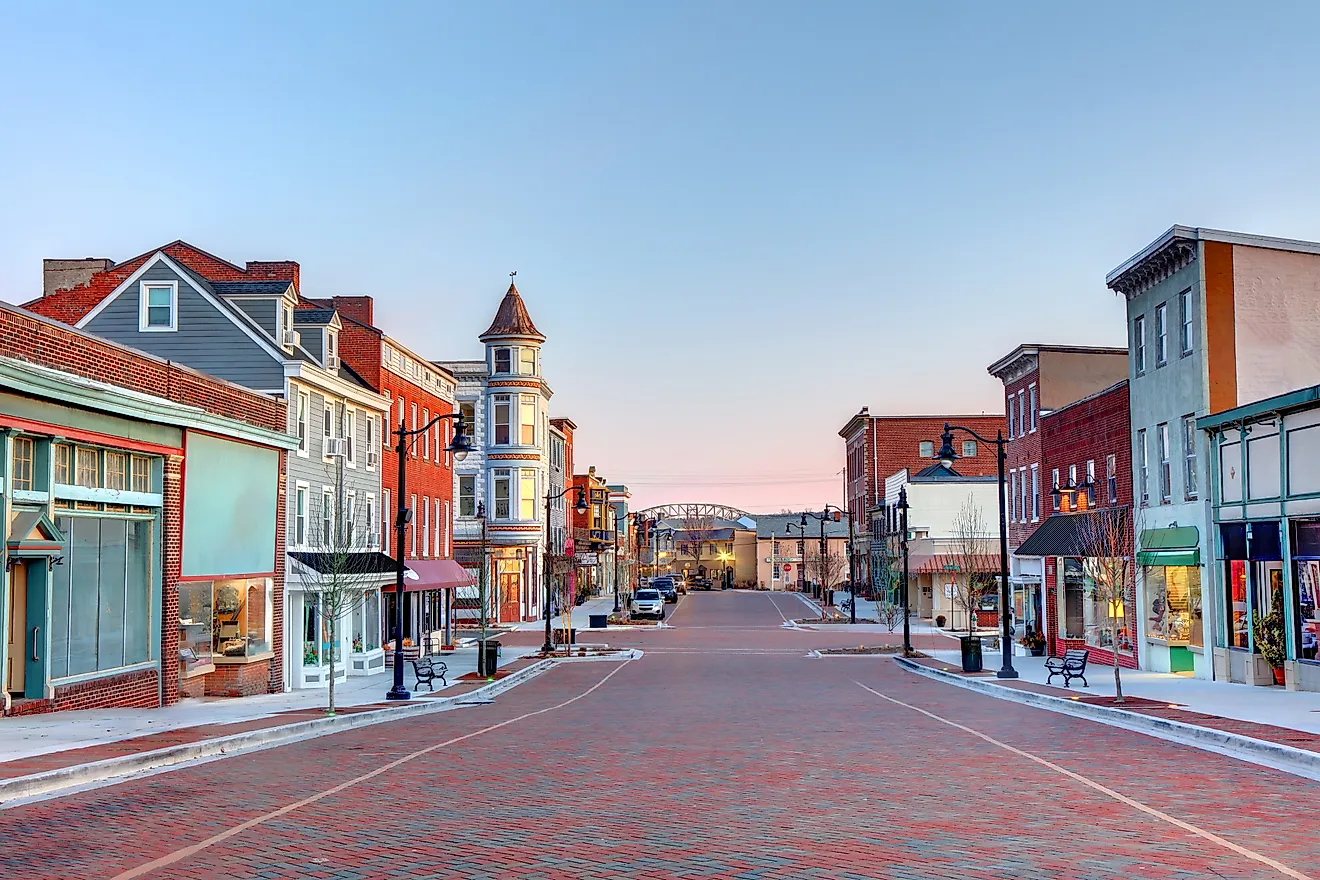
In Eufaula, more than 700 historic buildings line the streets, with shops, galleries, and cafes. Monroeville earned Alabama's first Great American Main Street Award for its preservation efforts. Abbeville preserved its 1950s main street, complete with vintage neon signs and an authentic soda fountain. These six downtowns represent classic Americana at its best, each one preserving architecture, keeping independent businesses thriving, and growing without losing what made them worth visiting.
Eufaula

Eufaula sits on the bluffs overlooking the Chattahoochee River, with nearly 700 historic buildings and homes lining its downtown. The Seth Lore and Irwinton Historic District was added to the National Register of Historic Places for architecture reflecting decades of Southern building styles, all within a few walkable blocks. The annual Eufaula Pilgrimage tour opens over a dozen antebellum homes each year, giving access to residences that have stood for over 150 years.

As you walk through downtown, stop into Cajun Corner on Broad for lunch or dinner. The gumbo and jambalaya bring authentic New Orleans flavors to East Broad Street, and the portions are generous enough to make regulars out of first-timers. Superior Pecans & Gifts packs its space with pecans, candy, and Christmas decorations year-round. Cotton & Kudzu fills a historic storefront with Southern gifts, local art, and home decor that truly reflect the region. Over 90 percent of Eufaula's downtown buildings house active businesses, keeping the downtown busy, as it should be.
Monroeville

The Old Monroe County Courthouse towers over a nostalgic downtown square in this south-central Alabama town of 6,000 residents. If it looks familiar, that is because Harper Lee used it as the model for the courthouse in "To Kill a Mockingbird." Lee and fellow author Truman Capote grew up here together, and the community honors their legacy with an annual Literary Fest. The courthouse now houses the Monroe County Museum, where you can see how the fiction these writers wrote about connects to the real story.

Recently, Monroeville became Alabama's first recipient of the Great American Main Street Award, the result of years of dedication and preservation efforts. While you explore the square, Cole's Ice Cream and Coffee sits right on the square, serving breakfast pastries, lunch sandwiches, and scoops that draw regulars. Backroads Antiques at 18 East Claiborne Street fills its space with vintage finds and furniture from decades past. Monroeville does a great job of balancing its literary heritage with daily commerce. While its famous authors may have brought people here in the past, local shops and restaurants keep them here today.
Opelika

Railroad tracks run through downtown Opelika, illustrating how trains helped build the city in the 1800s. The brick buildings that rose to serve those rail passengers still cluster along 8th Street around the historic depot. Since 1987, Opelika Main Street has worked to revitalize these historic structures, earning awards for preservation and economic development. Today, one example is Café One Twenty Three, which occupies the historic Haynie's Drugstore building. This fine-dining restaurant pairs Southern American cuisine with classic French influences, and its seasonal menu draws diners from across the region.

John Emerald Distilling Company on North Railroad Avenue produces Alabama's first legal whiskey since Prohibition ended. Tours walk you through the distilling process, and the tasting room lets you sample spirits made on site. 10,000 Hz Records stocks new and used vinyl, turntables, and audio equipment for collectors who know what they are looking for. The shop serves customers of all kinds, whether they are hunting specific pressings or just flipping through bins on a Saturday afternoon. Spend time in downtown Opelika, and you will see strong railroad heritage meeting revitalized storefronts in a downtown that proves classic Americana still works.
Cullman

Cullman began when German settlers arrived in North Alabama in the 1870s. Downtown grew around a central courthouse square, and many of those historic brick buildings still stand. The town spent years preserving them, and the community's efforts have paid off. In 2024, USA Today ranked Cullman No. 3 for Best Small Town Cultural Scene, for its festivals, history, and thriving arts and culinary scene.
Karma's Coffee House fills a Warehouse District building with exposed brick walls that give the place a sense of permanence. The 10-year-old shop serves espresso drinks and breakfast, and locals arrive early for the sausage balls, which sell out each day. 412 Public House occupies a historic downtown building and features hand-cut steaks, house-ground burgers, and craft cocktails. Southern Accents Architectural Antiques occupies a building that once housed a hotel and girls' boarding school. The 50+ year-old business specializes in architectural salvage from historic structures across the South.

Cullman calls itself the "City of Festivals," and the calendar proves it. The Alabama Strawberry Festival kicks off spring. Oktoberfest packs downtown in the fall, and the Christkindlmarkt fills the square with holiday crafts and food every Christmas. Between festivals, Cullman's downtown maintains a steady rhythm, with local shops and restaurants serving the community year-round.
Abbeville

Abbeville has preserved something many towns lost decades ago: an authentic 1950s Main Street. The town carefully restored Kirkland Street to reflect the era, turning it into a living time capsule where vintage neon signs still glow after dark, including classic markers for Ford, Rexall Drugs, and Buster Brown Shoes. With a population of about 2,200, the town moves at an unhurried pace, shaped by longtime routines and familiar storefronts.

Huggin' Molly's recreates a 1950s soda fountain with over 250 antiques filling the space. The restaurant serves burgers, fried green tomatoes, and milkshakes from a vintage soda fountain. Bubble gum music plays overhead while servers deliver banana splits and root beer floats. Ruby's serves soul food in a historic home, cooking the kind of Southern meals that take time to get right. Downtown Abbeville also features the Bethune-Kennedy House, the oldest building in town, which is on the National Register of Historic Places. The community embraces its nostalgic heritage, resulting in a rare glimpse of what Main Street America looked like when Eisenhower was president.
Tuscumbia

The life of Helen Keller put Tuscumbia on the map. Ivy Green, her birthplace just outside downtown, draws thousands of visitors each year who come to see where she lived and learned. But there is more to this community than its most famous resident. Visitors who take a moment to explore will find a vibrant downtown along Main Street, where historic buildings remain active in everyday life. One of the most familiar stops is the Palace Ice Cream shop, which occupies a building that has been part of the town since 1833. Originally the Railroad Hotel, the structure added a soda fountain in 1906, and more than a century later, it continues to serve sundaes, sandwiches, and a sense of continuity that spans generations.

The Claunch Café is a third-generation cafe, where home-style cooking and generous portions make it a dependable stop throughout the week. Nearby, the Tennessee Valley Museum of Art adds another layer to downtown life, showcasing rotating exhibitions and regional artists inside a space that invites people to slow down and linger. Tuscumbia may be known for its history, but it is the everyday kindness and familiarity found along Main Street that leaves the lasting impression.
Visit These Classic Americana Small Towns in Alabama
These Alabama downtowns remind us why Main Street still matters. They are not frozen in time or built for show. They are places where history and daily life share the same sidewalk, where businesses open early, neighbors linger a little longer, and stories keep unfolding inside old brick buildings. Whether it is a courthouse square, a restored soda fountain, or a café that has fed generations, each town proves that preservation works best when it serves real people. If you slow down and take the time to explore, you will find that the heart of these communities is not just something to admire. It is something you can still be part of, even if only for an afternoon.