5 of the Oldest Incorporated Towns in Illinois
Illinois builds towns around its oldest stories. Long before Chicago's skyline and Route 66 road trips, places like Kaskaskia, Shawneetown, Cairo, Belleville, and Palestine were already shaping the state's politics, trade routes, and everyday life. Here, a French Creole mansion sits above a restless river, a silent bank once financed frontier dreams, and a courthouse square still follows a plan laid down when Illinois was barely an idea.
This article follows those early trail marks on the ground. You'll stand where a "Liberty Bell of the West" rang out a new allegiance, trace high-water lines that forced whole communities uphill, and walk streets where German immigrants, river merchants, and orchard families built fortunes one harvest or one cargo at a time. If you want to understand the real Illinois, these older, quieter towns are the places that will actually show you how the state began, and why its past still feels unfinished.
Kaskaskia

In Kaskaskia, history is anchored to the ground beneath your feet. The essential starting point is the Pierre Menard Home State Historic Site, a meticulously preserved 1802 French Creole residence that belonged to Illinois' first lieutenant governor. Its raised construction and interior details explain, with clarity, how early settlers adapted to the Mississippi River floodplain. A short walk away, the Kaskaskia Bell State Memorial protects the Liberty Bell of the West, rung in 1778 to celebrate George Rogers Clark's capture of the village, an event that directly helped secure Illinois for the United States.
From there, the experience naturally turns outward. The Mississippi River overlook and levee paths reveal why Kaskaskia's fate was shaped by water, including the dramatic river shift that left the town on the Missouri side. The quiet remains of Fort Kaskaskia ground the Revolutionary War story in a real landscape rather than an abstract timeline. Before leaving, the historic site visitor center and gift shop, small but purposeful, offers regionally focused books and artifacts that deepen context rather than dilute it.
Shawneetown

The early statehood story in Shawneetown unfolds block by block, anchored firmly to the Ohio River. The experience begins at the Shawneetown Bank State Historic Site, a commanding Greek Revival structure completed in 1841 that once held the state's financial ambitions. Its stone columns and original vault speak directly to the boom-and-bust cycles of frontier banking. A short walk away, the John Marshall House Museum recreates daily life in early Illinois through period rooms and artifacts, grounding abstract history in lived detail. Together, these buildings explain why Shawneetown mattered long before railroads redirected commerce elsewhere.
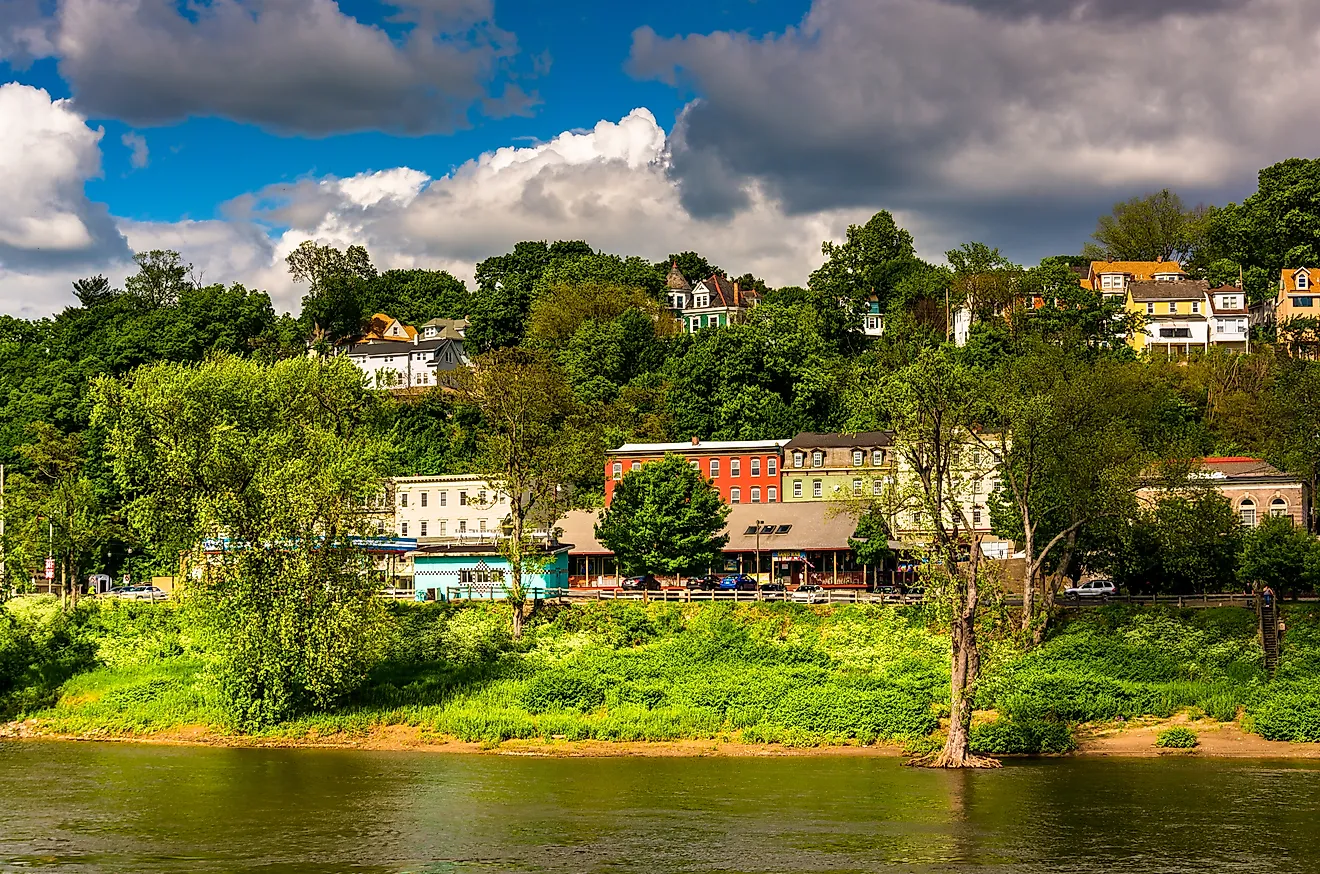
That story continues outdoors along the Ohio River levee, where interpretive markers trace how repeated floods reshaped the town and forced its relocation uphill, leaving Old Shawneetown preserved in time. Nearby, the Old Shawneetown Historic District rewards careful wandering, with intact 19th-century facades that reveal how merchants and river workers once lived side by side. Before leaving, pause at Old Shawneetown's modest Village Hall and the preserved historic Texaco service station, where fading signage, high-water marks, and local displays make the 1937 Ohio River flood and the town's river-trade heyday feel uncomfortably recent.
Cairo

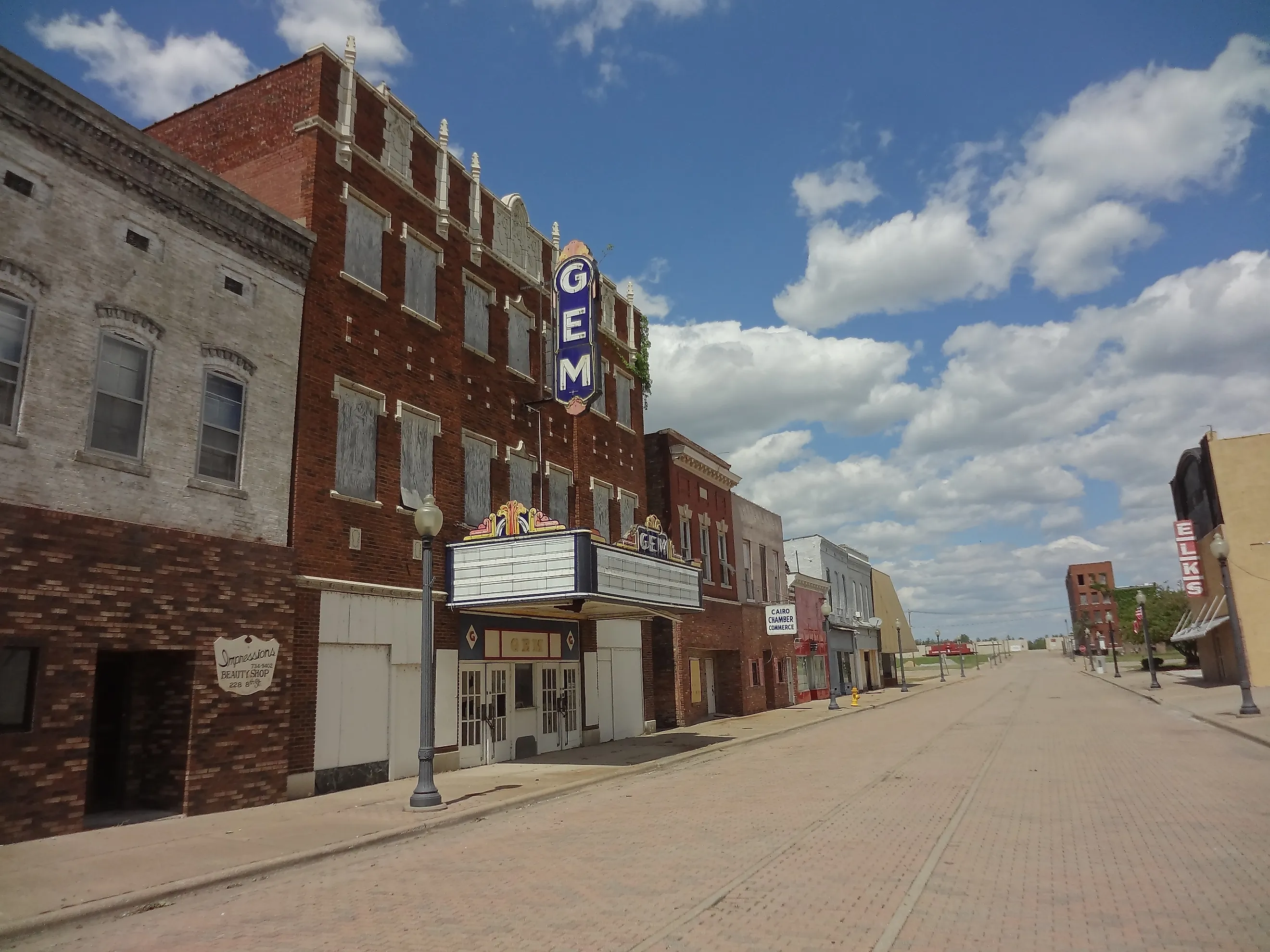
At the southernmost tip of the state, Cairo is defined by geography as much as history. The visit begins where Illinois itself feels most tangible, Fort Defiance Park, positioned at the exact confluence of the Mississippi and Ohio rivers. Standing at the stone overlook, you can trace why this site became militarily vital during the Civil War, when Union gunboats controlled river traffic from this narrow point. Just uphill, the Old Custom House anchors Cairo's 19th-century ambition. Built in 1872, its Italianate brickwork now houses a museum that carefully documents the town's rise as a river and rail hub, including original maps and photographs that explain Cairo's national importance.
A short walk leads into the residential streets where Cairo's past wealth is preserved inside Magnolia Manor, a fully furnished Victorian home that reveals how river commerce shaped domestic life in Illinois. Between historic stops, locals still point visitors toward Shemwell's Bar-B-Que, a long-running institution where smoked meats reflect regional river-town traditions rather than trend-driven menus.
Belleville

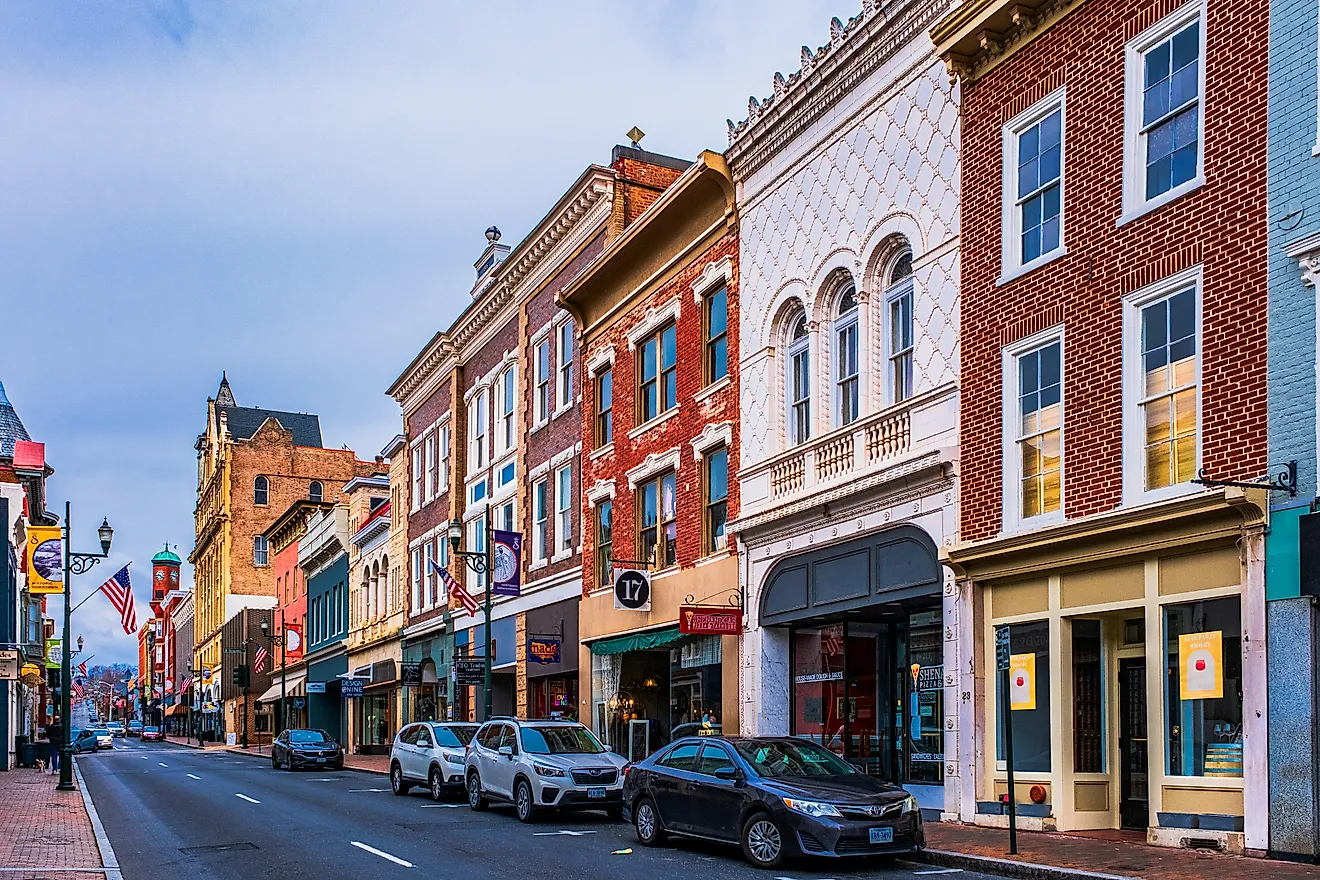
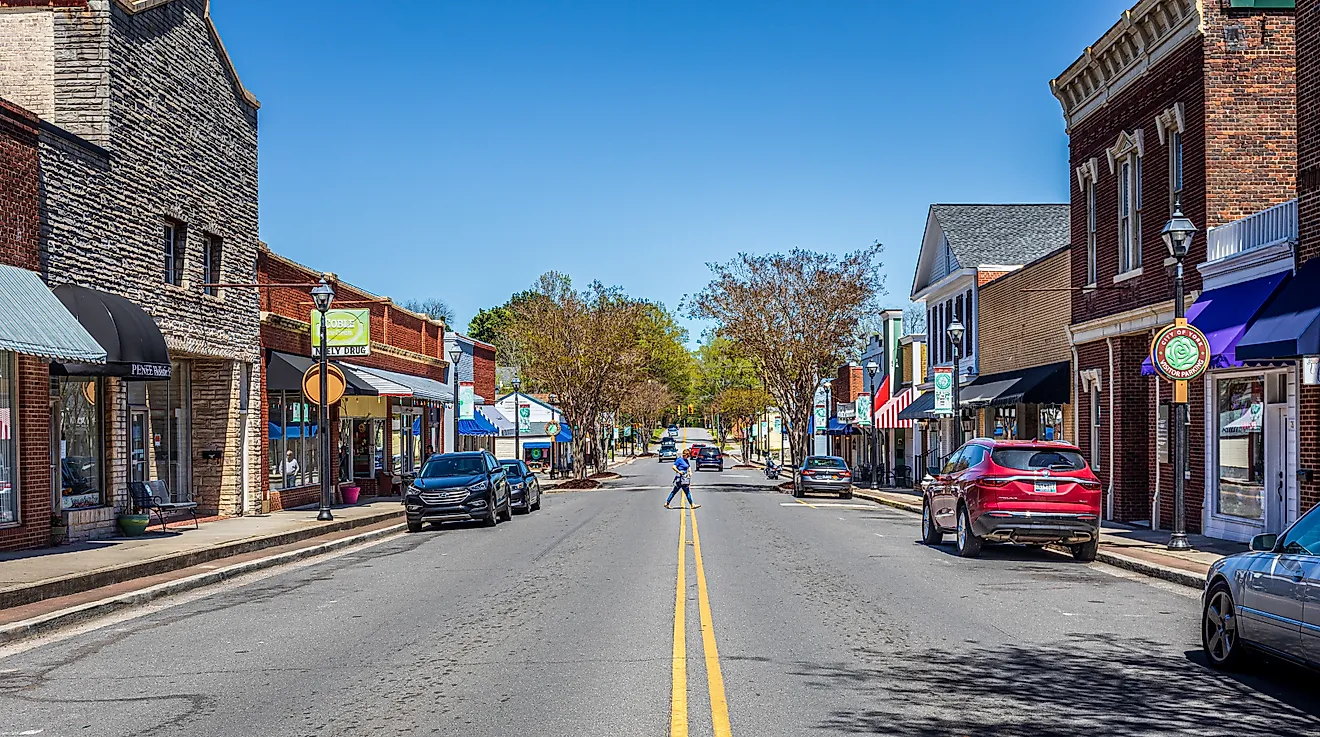
Founded in 1814, Belleville reveals its story most clearly around the Belleville Public Square, where civic life has revolved for more than two centuries. The centerpiece is the St. Clair County Courthouse, a monumental stone structure completed in 1976 that replaced earlier courthouses on the same site, underscoring Belleville's long role as a regional seat of power. Just beyond the square, intact 19th-century residences trace the city's transformation under waves of German immigrants, whose influence shaped Belleville's architecture, civic institutions, and economic life in ways still visible today.
That continuity extends into places that remain active rather than preserved. Braeutigam Orchards, operating since 1831, is one of Illinois' oldest family-run orchards, drawing visitors for apple cider, baked goods, and direct ties to the region's agricultural past. Nearby, Papa Vito's Pizza, housed in a reused 19th-century school building on East Washington Street, carries Belleville's working-class traditions into generously topped thin-crust pies and hearty Italian standards in the heart of downtown.
Palestine

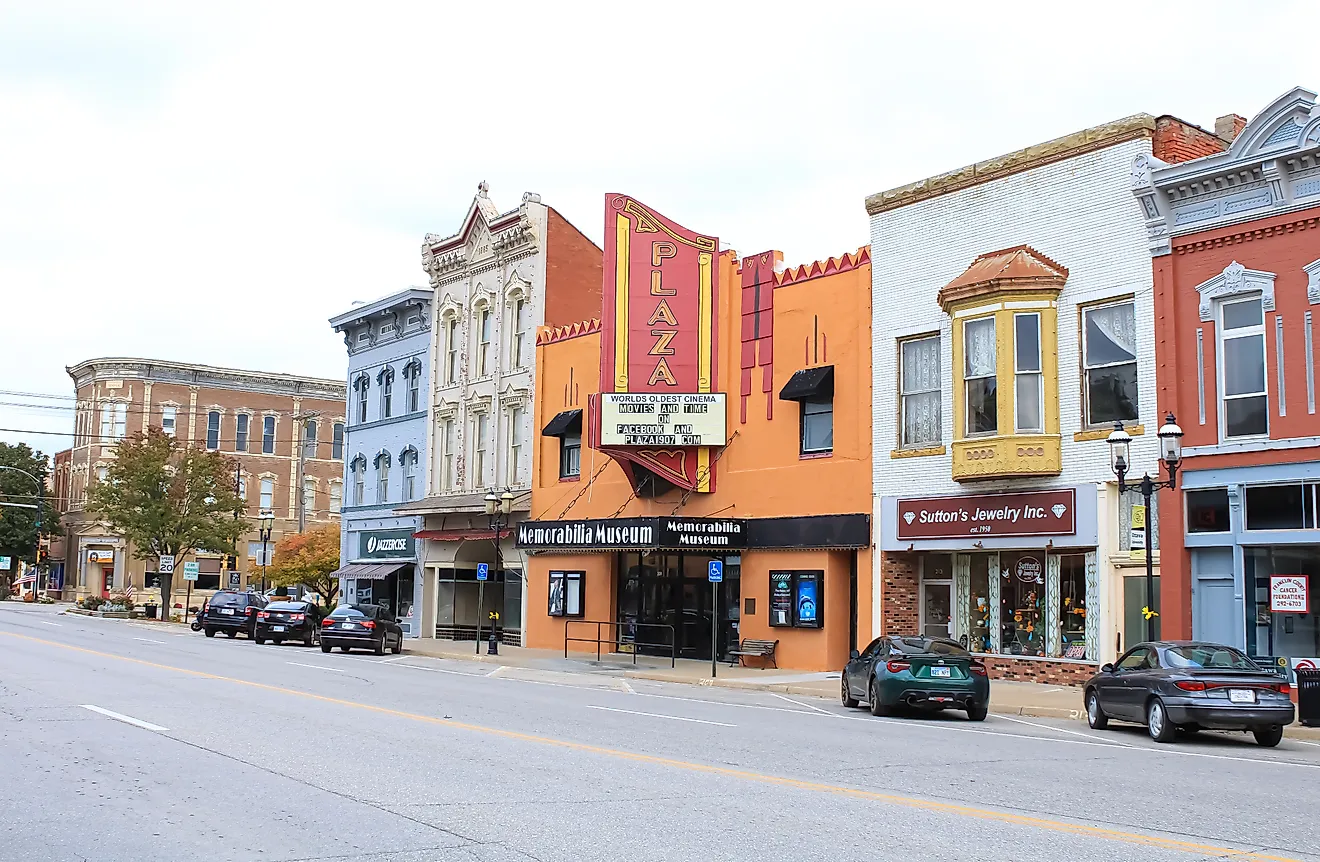
Founded in 1811, Palestine preserves its early Illinois identity most clearly around the courthouse square, where the town's layout still reflects frontier-era planning. The John B. Harper House, an early-1830s brick residence now interpreted as a small museum, anchors that history with intact rooms and period detail that show how a frontier trading town on the Wabash grew into Crawford County's first seat. Just steps away on South Main Street, the restored Fife Opera House, a turn-of-the-century theater built over David Fife's hardware store, reinforces Palestine's civic role, its balcony, painted stage curtain, and community events tying today's town directly to its commercial heyday.
From the square, attention naturally shifts toward the landscape that sustained the town. From the commercial core, signed routes lead out to the reconstructed Fort LaMotte, where earthworks, blockhouses, and markers explain early trade routes, frontier defense, and how the nearby Wabash corridor linked Palestine to Indiana and the wider prairie. Before leaving, visitors often duck into S.D. Meadows Folk Art Gallery on South Main Street, where brightly painted woodcarvings and primitive antiques turn Palestine's frontier stories into vivid, one-of-a-kind souvenirs.