4 Snake Hotspots In Oklahoma
The state of Oklahoma is home to a diverse array of hardy wildlife, including snake species that range from harmless garter snakes to venomous rattlers, each thriving across its varied landscapes. From rocky highlands to lush forests and winding rivers, certain locations, however, consistently have much higher chances of observing these reptiles in their natural habitats.
Whether you love them or loathe them, understanding where snakes are most active and what environments they prefer can enhance both your safety and theirs. With that in mind, this guide will cover this Sooner State’s top snake hotspots, highlighting the main species present and the conditions that make each location so ideal for these slithery critters.
Wichita Mountains Wildlife Refuge

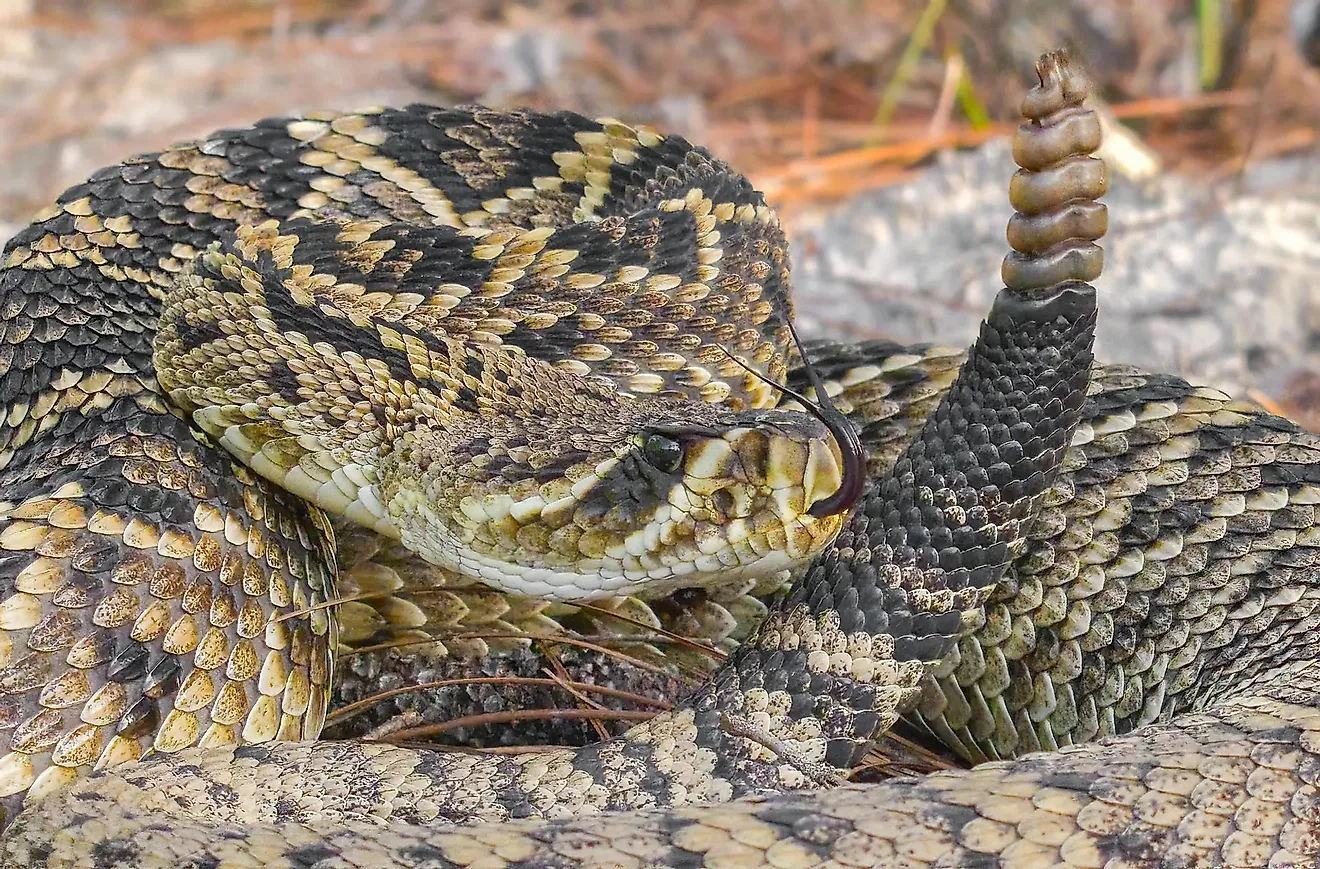
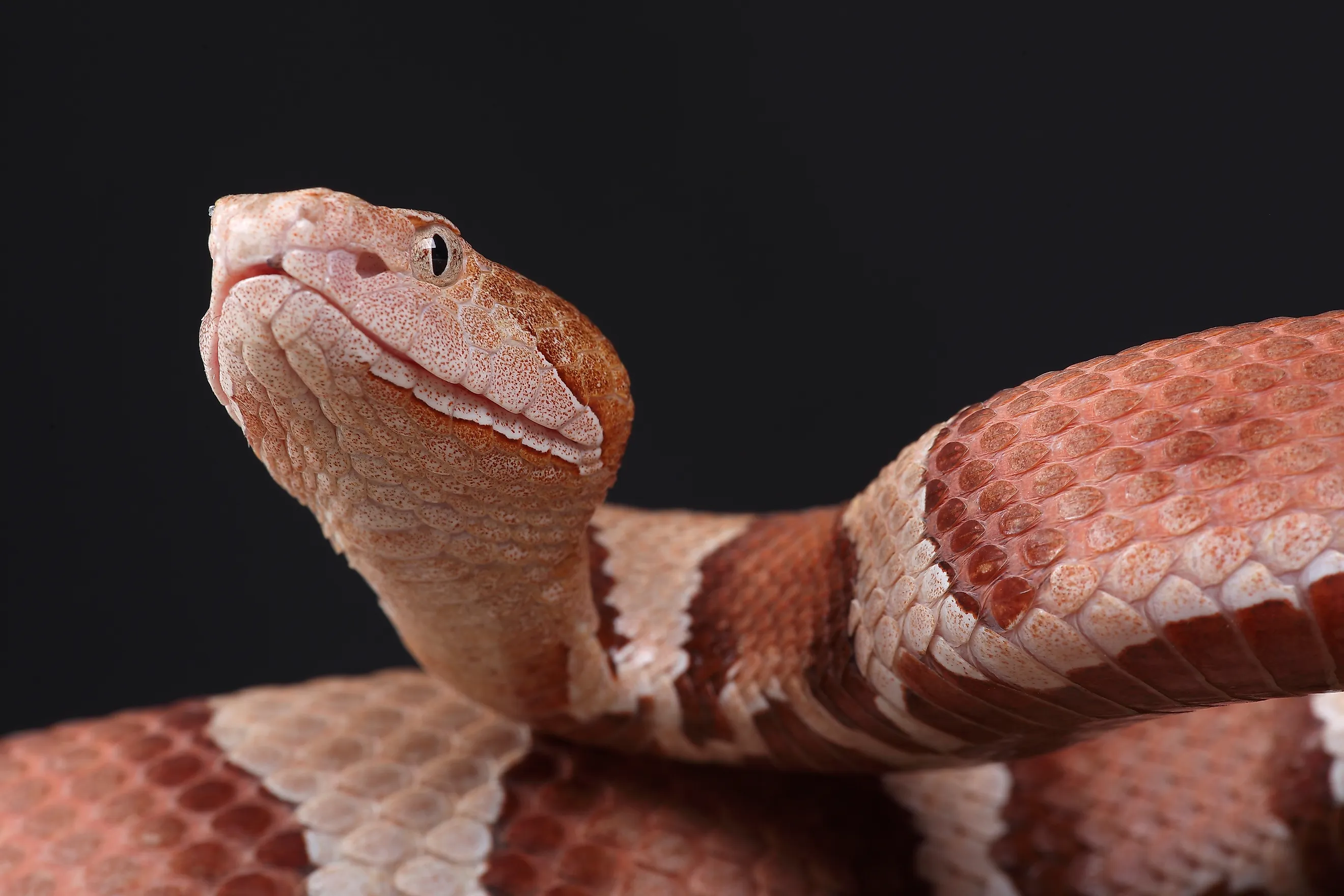
The Wichita Mountains Wildlife Refuge in southwestern Oklahoma is a prime location for observing a variety of the state's snake species in their natural habitats. Spanning over 59,000 acres, this sizeable refuge is filled with rocky outcrops, grasslands, and seasonal wetlands, each of which supports species like the western rat snake, prairie kingsnake, and venomous species such as the timber rattlesnake and copperhead.

Spring and early summer are peak times for snake activity in the park, particularly in open rocky areas where they like to sun themselves. With that, hikers and campers alike should exercise caution and remain aware of their surroundings at all times, especially along trails near water sources and densely growing vegetation. While encounters with venomous snakes are relatively rare here, proper footwear and attention to where you step or place your hands are essential, too.
The refuge’s remote terrain of the Wichita Mountains has also made it an excellent spot for studying snake behavior, including hunting patterns and territorial movements.
Beavers Bend State Park

Beavers Bend State Park, located in the foothills of the Kiamichi Mountains near Broken Bow Lake in the southeastern corner of Oklahoma and adjacent to the Ouachita National Forest, provides a variety of habitats ideal for snakes, from forested hillsides to rivers and ponds.
The park’s combination of lush woodlands, waterways, and generally rugged terrain supports both venomous and non-venomous snakes, making it an important hotspot for herpetology (the study of amphibians and reptiles). Common species include the eastern hognose snake, western rat snake, and non-venomous water snakes, while timber rattlesnakes and copperheads are present in more remote areas.

Snakes in this densely forested parkland are most active in the spring and summer seasons, particularly along the edges of streams, in leaf litter, or on sun-warmed rocks. Regional trails and riverbanks offer opportunities for their observation, but be especially alert when doing so, especially when hiking near water or under fallen logs. Experts will know, but so should you, that closed footwear and caution are always recommended.
Black Mesa & Cimarron County's Canyons

Black Mesa and the surrounding Cimarron County are located in Oklahoma's panhandle, near the borders of New Mexico and Colorado, and contain a multitude of canyons that are hotspots for snakes that prefer desert-like, high plains terrain. The arid climate and sparse vegetation here have made way for conditions that are ideal for species like the prairie rattlesnake, bullsnake, and western hognose. On the other hand, venomous snakes, such as the prairie rattlesnake, are also present, particularly in shaded rocky outcrops and grassland edges.

Like most of the locales mentioned on this list, spring and early summer see the highest activity, with snakes often warming their cold blood on sun-baked rocks or moving along canyon edges in search of prey during this time. Because of this, hikers and wildlife photographers should watch their step, especially when climbing rocky ledges or exploring the canyon bottom.
The sheer remoteness and open nature of this sparsely populated region provide excellent visibility for spotting these reptiles at a long distance, but that doesn't mean the effective camouflage often found on them isn't always a factor. Perhaps it is a good idea to check out online or in a reptile identification manual what these local snake species look like before heading out.
Lake Texoma

Lake Texoma, straddling the Oklahoma-Texas border, provides a more aquatic-focused environment for Oklahoma's snakes along its shoreline, wetlands, and surrounding forests. Non-venomous snakes, including several species of water snakes and western rat snakes, are common around Lake Texoma. Venomous snakes such as copperheads, cottonmouths, and rattlesnakes inhabit brush and woodlands near the water.

The combination of open water, wooded shorelines, and wetland habitats makes this 89,000-acre lake a key area for outdoor recreation. However, be sure to keep an eye out for hazards such as rocks, logs, or sunlit banks when strolling around. Furthermore, anglers, hikers, and campers should remain alert near the water’s edge and the abundant tall grasses.
Know Where Oklahoma's Snakes Live
From deserts and woodlands to lakes and canyons, each destination above clearly supports a wide range of snake species. Understanding their preferred habitats and seasonal behaviors enhances safety while you observe them, while also ensuring the health of the reptiles themselves.
Whether exploring remote wildlife refuges, state parks, or standout highlands, these hotspots offer valuable recreational opportunities while also housing a plethora of other animals, highlighting this state’s diversity of environmentally important attractions.