10 Towns In Tennessee That Were Frozen In Time
Tennessee, pivotal during the Civil War and the birthplace of major movements in music and civil rights, is dotted with towns that preserve the days of old. Jonesborough stands out with its 18th-century roots as Tennessee’s oldest town and a downtown filled with deeply preserved historic buildings. Dover carries the echoes of the Civil War through Fort Donelson and its lasting place in American military history. From Victorian streetscapes to ancient courthouses and pioneer landmarks, these towns offer a deeper connection to the stories that shaped Tennessee. As this article unfolds, we invite you to stroll through ten of Tennessee’s old-world towns.
Leiper's Fork

Leiper's Fork is a rural unincorporated village located along the historic Natchez Trace Parkway. As visitors explore the village, they discover a main business area that is anything but typical, featuring quirky souvenir shops like the Tennessee Turquoise Company, antique stores such as Props Antiques, and distinctive spots like the Copper Fox Gallery and Leiper’s Fork Whisky Distillery. These businesses serve as more than just retail spaces; they are cultural treasures, each offering insights into local heritage through carefully curated collections of artifacts, art, and crafts. The experience is further enhanced by the wine-tasting rooms along Leiper’s Creek, where each sip of locally made wines offers a tasting journey into the region's history.
The village’s compact center, highly walkable and brimming with character, hosts an array of historic buildings that now house art galleries, boutique stores, and the famed Puckett's—a hybrid general store, restaurant, and music venue. Here, the past meets the present in harmony, with live music performances that are a testament to the village’s ongoing tradition of celebrating American musical heritage.
Rugby

Rugby provides a rare glimpse into the ideals and aspirations of a 19th-century utopian society. Founded in 1880 by English author Thomas Hughes, Rugby was intended as a utopian settlement for the younger sons of English gentry, a place where they could prosper away from the rigid constraints of British primogeniture. Though the utopian dream did not endure as Hughes had hoped, the architectural heritage of the town has been meticulously preserved. Today, Rugby serves as a living history museum, with its Victorian-era buildings meticulously restored to their original splendor.
Staying at the Newbury House, a Victorian-era inn, gives guests a glimpse of 19th-century hospitality combined with modern comforts. The town features guided interpretative tours and year-round festivals, such as the British Festival, which showcase the lives of early residents and their lasting legacy. Nearby, the Big South Fork National Recreation Area provides a natural retreat into Tennessee's scenic landscapes, with trails like the Brewster Bridge Trail weaving through lush forests and waterfalls. The RM Brooks Cafe enhances the town’s historic appeal by serving traditional meals in an ambiance that evokes a simpler, more peaceful era.
Jonesborough

As the oldest town in Tennessee, founded in 1779, Jonesborough has meticulously maintained many of its original structures, offering a tangible connection to the 18th century. The Chester Inn, built in 1797, still stands proudly in the heart of downtown, serving as a physical reminder of the town's long and storied past. History enthusiasts can delve deeper into the local lore at the Jonesborough - Washington County History Museum, which houses a collection of artifacts and exhibits that narrate the town's historical significance.
Adding to its historic charm, Jonesborough is famous as "the storytelling capital of the world," a title recognizing its key role in reviving American storytelling. Since 1973, the National Storytelling Festival has become a major annual event in October, attracting thousands of visitors eager to enjoy a tradition rooted in Appalachian culture for generations. During the festival, the town comes alive as storytellers from around the world gather to share tales that enchant and entertain, creating a communal fabric woven with shared human experiences. This event not only showcases Jonesborough's unique cultural contribution but also enriches its charming, historic atmosphere, where the old and new seamlessly blend.
Bell Buckle

This small town, just an hour south of Nashville, is deeply historic, with the Bell Buckle Historic District listed on the National Register of Historic Places. The origin of its whimsical name adds to the town’s lore, traced back to an old carving on a tree resembling a cowbell and buckle, making the name as unique as the town itself. Bell Buckle's commitment to preserving its heritage is visible in every corner, from the quaint Victorian architecture that lines its streets to the traditional events that draw crowds. The Webb School Art and Craft Show, a highlight of the town's cultural calendar, brings together artisans and craft enthusiasts to celebrate and purchase handmade goods, reflecting the community’s strong support for local artistry and craftsmanship.
Although the town has a modest population of just over 500, it features a lively arts scene with numerous galleries and studios displaying a wide array of handmade crafts, from paintings to pottery. These artistic ventures showcase local talent and sustain the town's rich cultural heritage. Every year, Bell Buckle hosts the cherished RC Cola & MoonPie Festival, a festive event that captures Southern comfort with its nostalgic treats and spirited celebrations.
Cowan

Established in the mid-19th century, Cowan's development was closely tied to the Nashville, Chattanooga and St. Louis Railway, playing a pivotal role as a logistical hub. The town's strategic location just before the challenging ascent to the Cumberland Plateau made it crucial for rail operations, where pusher engines were stationed to help trains tackle the steep climb—a practice that intriguingly continues to this day. This rich railroad heritage is preserved and celebrated at the Cowan Railroad Museum, located in the beautifully restored old passenger depot from 1904.
Cowan's historic charm is reinforced by its early settlement history, with arrivals in the late 1700s and early 1800s. The residence of William Russell, one of these early settlers, once functioned as the Franklin County Courthouse, emphasizing the community's longstanding importance in the area. Named after Dr. James Benjamin Cowan, a Civil War-era physician with deep familial roots locally, Cowan maintains a strong link to its beginnings. This heritage is evident in the town’s landscape, from the historical markers that line the streets to the architecture that showcases its rich past.
Lynchburg

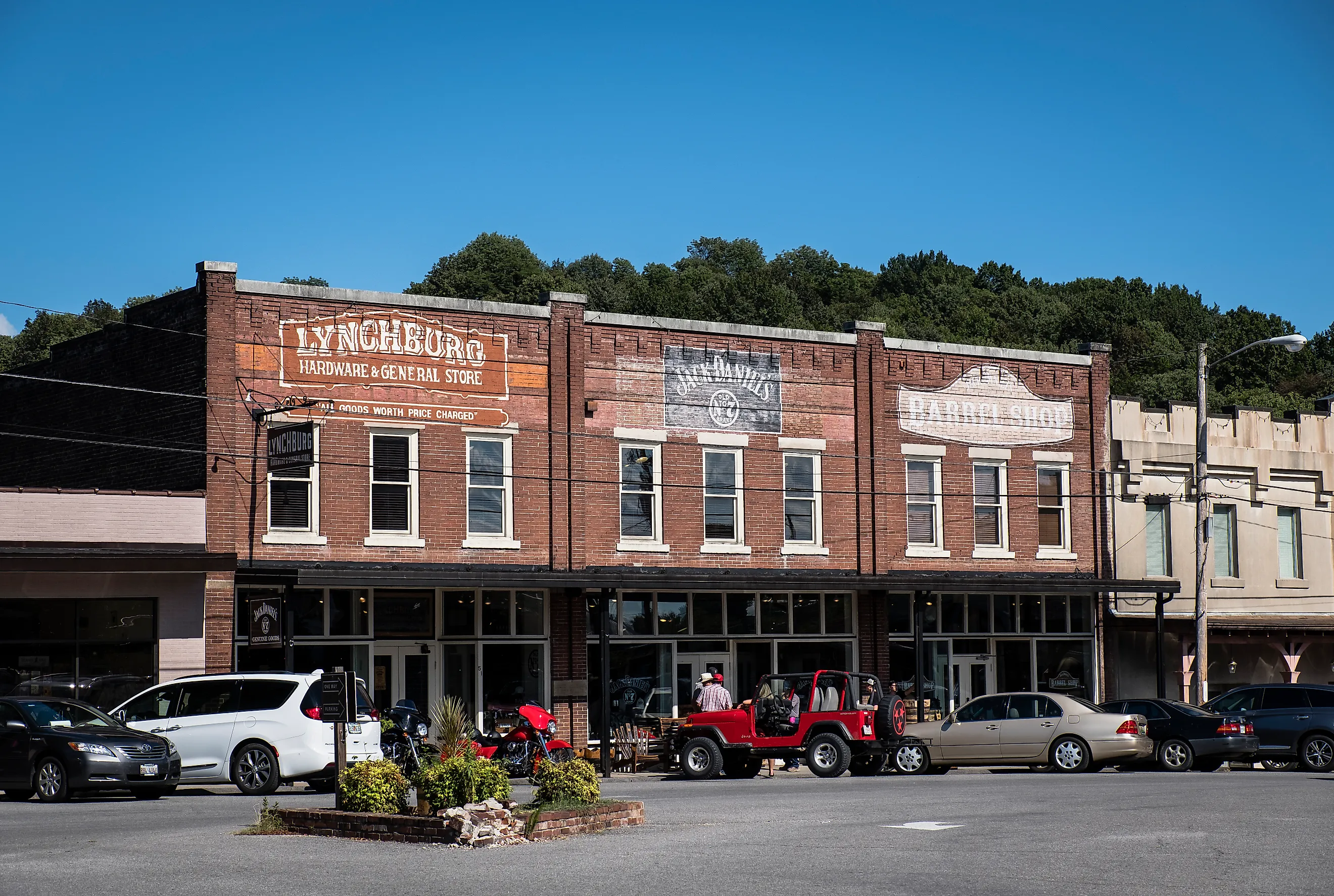
At the heart of Lynchburg's historic allure is the Jack Daniel's Distillery, America's oldest registered distillery, which has been producing one of the world's most famous whiskeys since the 19th century. A visit to the Distillery Visitor Center not only educates tourists on the meticulous craft of whiskey making but also portrays the legacy of a brand that has become synonymous with Tennessee's cultural export. This tour, featuring storied buildings and the timeless process of distillation, transports visitors back to the days when Jack Daniel himself was perfecting his now legendary recipe. Additionally, the town's historic fabric is further woven by the Moore County Old Jail Museum. The 1893 jailhouse offers an immersive journey into the past, displaying an array of artifacts including photographs, clothing, and relics that tell the broader story of Lynchburg's heritage.
The serene landscapes of Tims Ford State Park and the Pleasant Grove Public Use Area invite exploration with their lush woodlands and tranquil riverways, offering peaceful retreats with picturesque hiking trails and scenic lake views. The Short Springs Natural Area and Normandy Lake provide additional outdoor experiences, highlighting the region's natural beauty. Annually, the Lynchburg Music Fest celebrates this enchanting setting with a gathering of music lovers, further enhancing the communal atmosphere.
Elizabethton

Elizabethton was the site of the Watauga Association in 1772, the first independent American government west of the Eastern Continental Divide, playing a vital role in early American history. This pioneering effort at self-governance, predating the Declaration of Independence, establishes Elizabethton as a forerunner of American autonomy and democracy. Additionally, the city's significance in key Revolutionary War events, including the Transylvania Purchase and its role as a major muster point for battles like Musgrove Mill and Kings Mountain, further deepens its historical importance.
Elizabethton’s historical narrative is intertwined with the brief existence of the "State of Franklin," a secessionist territory from North Carolina between 1784 and 1788. This attempt to form a new state reflects the region's spirited and resilient character during a tumultuous time in American history. Today, Elizabethton honors its rich heritage through the preservation of its historical sites and educational efforts that highlight its pivotal roles in American history. The blend of significant historical milestones with the scenic beauty of its surroundings in Carter County makes Elizabethton not just a relic of the past but a living museum where history enthusiasts can step back in time and experience the early days of American pioneering spirit.
Cumberland Gap

This town, unsurprisingly, is famously known for the Cumberland Gap, a key passageway through the Appalachian Mountains that was used by over 300,000 settlers during the westward expansion of the United States in the 18th and 19th centuries. The Cumberland Gap National Historical Park preserves this significant piece of American history, offering visitors a chance to walk in the footsteps of early pioneers. Standing atop the Pinnacle Overlook, guests are treated to breathtaking views of the landscapes that early settlers would have seen as they ventured towards new opportunities in the uncharted west.
Visitors can enjoy serene moments at Fern Lake or explore the Powell River by boat, offering a hands-on experience of the area's natural environment. For those interested in the historical aspects, the Civil Earthworks and Overlook provide insights into the strategic significance of the Gap during various conflicts, while tours of the Gap Cave offer a glimpse into the geological and historical importance of the area. Additionally, the town’s dedication to maintaining and showcasing its historical and natural sites ensures that the essence of the past is not lost but instead celebrated and preserved.
Pikeville

Pikeville, Tennessee, offers a serene and poignant journey into the past, marked by its rich historical heritage and the well-preserved Pikeville Historic District. As a small town with deep roots, Pikeville's landscape is dotted with 19th-century structures that invite visitors to step back in time and experience the architectural beauty and historical significance of the area. Key among these is the Bledsoe County Courthouse, a striking early 20th-century building made of classic red brick, which stands proudly as a centerpiece of the town. Listed on the National Register of Historic Places, the courthouse, along with the surrounding historic district, serves as a vivid reminder of the town's enduring legacy and the timeless architectural styles that define this part of Tennessee.
Pikeville offers a contemplative experience at the Old Pikeville Cemetery, where visitors can pay respects to the early pioneers and settlers who shaped the region. The cemetery is more than just a resting place; it serves as a historical record, with peaceful walking paths that invite visitors to stroll among the gravestones, each displaying the names and dates of those who once called Pikeville home. This tranquil site provides a reflective setting to honor the struggles and successes of earlier generations, enriching the town’s historical story.
Dover

Perched along the scenic Cumberland River and just a stone's throw from Nashville, Dover is a haven for those who cherish the outdoors, with the Cross Creeks National Wildlife Refuge providing a perfect backdrop for photography and nature observation. Here, a rich tapestry of waterfowl and aquatic plants thrives in the river vistas, offering a serene environment for exploration and relaxation. Moreover, the nearby Land Between the Lakes Recreation Area enhances Dover's appeal, with its vast array of recreational activities such as camping, swimming, and biking, set against the tranquil beauty of wooded landscapes and water bodies, fostering a sense of timelessness and connection with the natural world.
Dover has long been a valuable destination for American history buffs, especially those keen on the Civil War period. The Fort Donelson National Battlefield Historic Site serves as a powerful reminder of the 1862 battle, a crucial event in Civil War history. Visitors can travel back in time and picture the fierce fights that occurred there, thanks to well-preserved artillery and fortifications that provide a direct connection to the past. Visiting this historic site not only educates but also allows visitors to experience 19th-century military actions, emphasizing Dover’s important contribution to the war.
In exploring Tennessee’s historic towns, one discovers more than just preserved buildings and picturesque streets—each town offers a unique glimpse into the state's rich past. From Civil War history to charming Victorian architecture, these destinations reveal stories that continue to shape Tennessee’s timeless character.