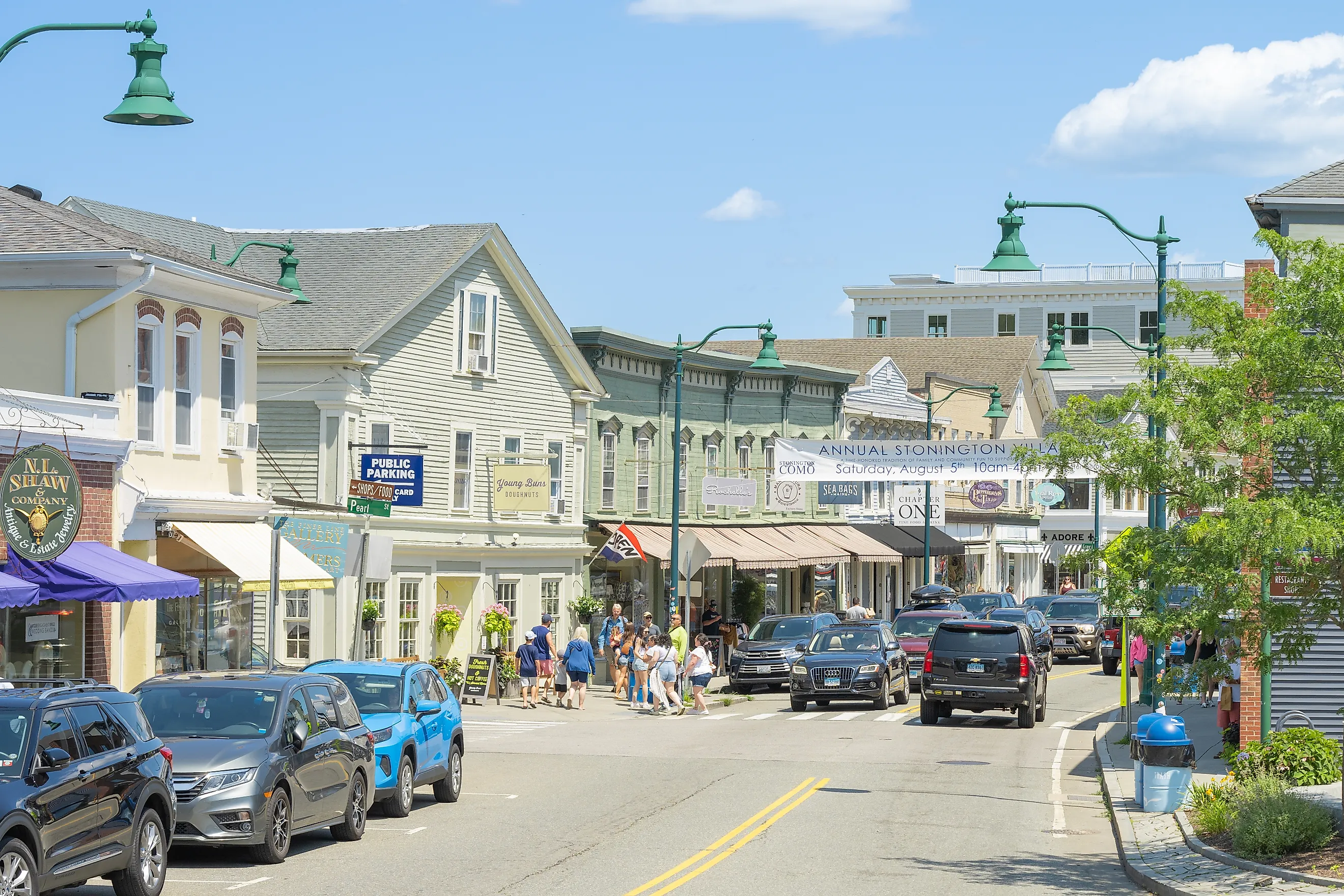
10 Standout Main Streets In New England
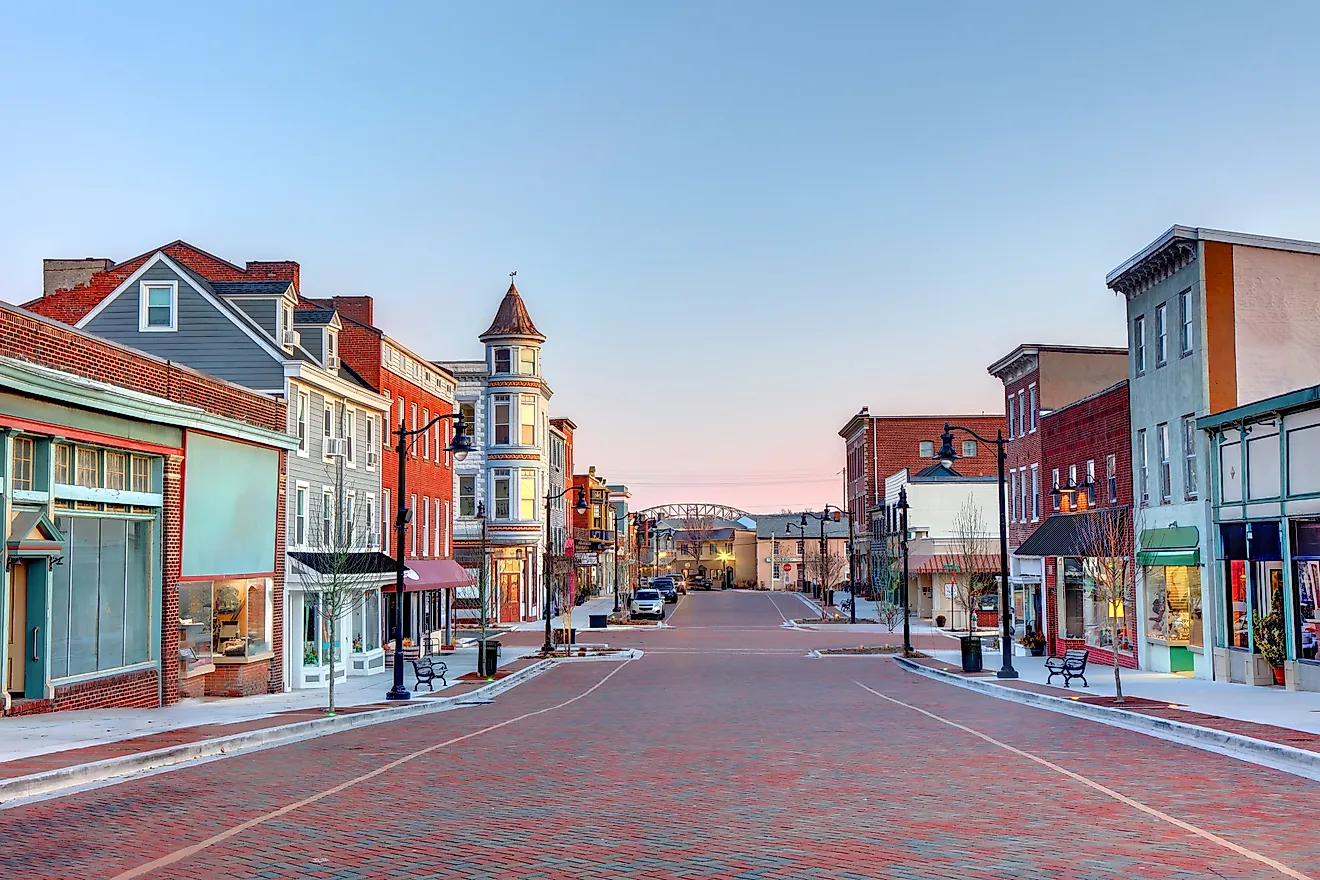
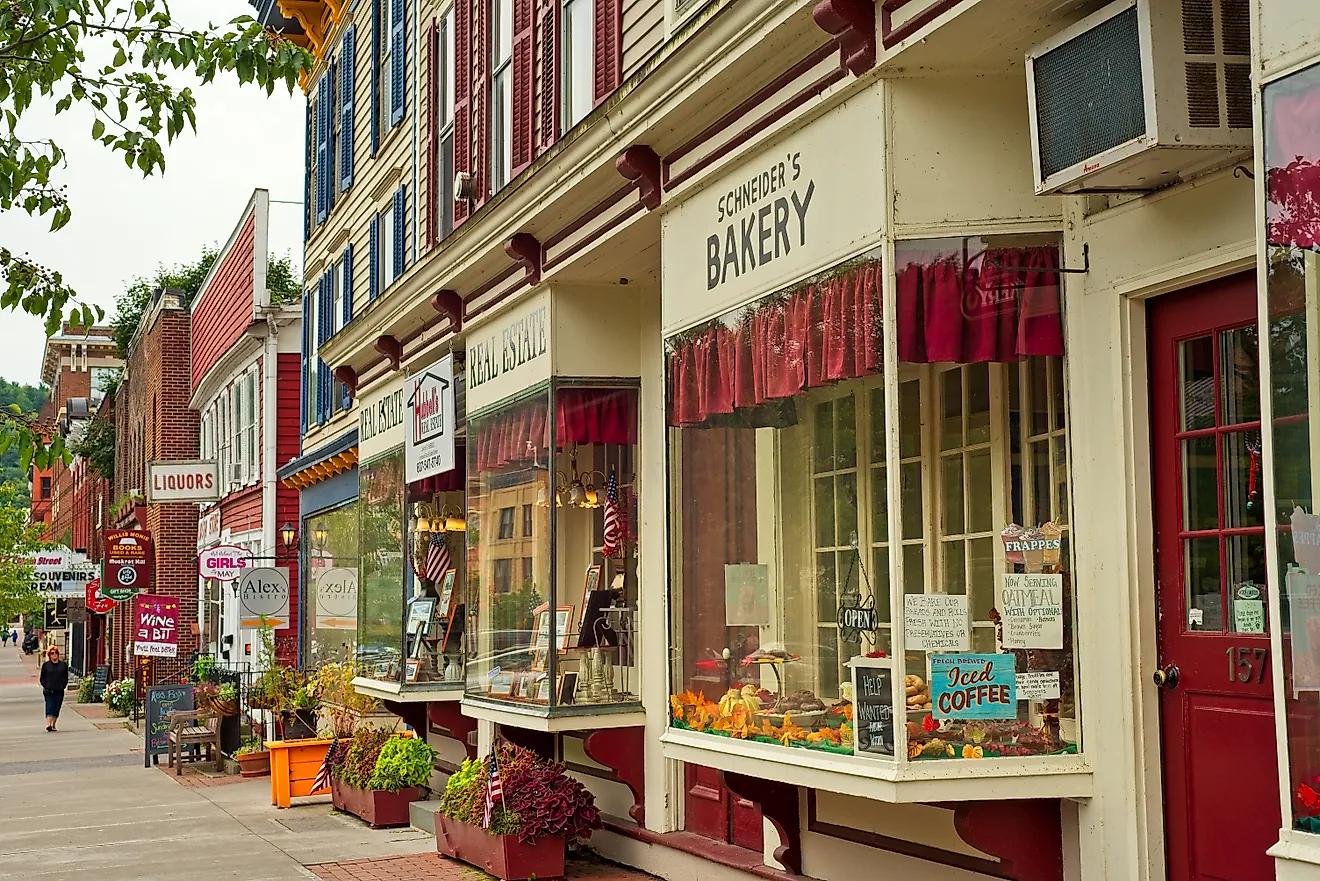
New England, comprising six states, draws travelers for its varied landscapes, layered history, and well-preserved town centers. As one of the oldest regions in the United States, it carries visible traces of colonial settlement, maritime trade, and the Revolutionary era, much of it concentrated along walkable Main Streets. These districts bring together local history, everyday life, and modern comforts in a way that feels real and sincere, not staged. Lined with shops, inns, restaurants, and waterfront paths, they offer a way to experience the region not just as it was in the past, but as real people live their real lives there today.
Mystic, Connecticut

Mystic, Connecticut, a village of about 4,300 residents, centers much of its identity on maritime heritage and the Mystic River. Main Street follows the water, lined with brick commercial buildings and traditional street lamps that guide visitors toward inns such as The Whaler’s Inn and the Steamboat Inn. The Whaler’s Inn operates as a boutique hotel with rooms spread across restored historic buildings. The Steamboat Inn sits directly on the river and provides boat slips alongside views of the drawbridge and harbor activity.
Dining is one of the big draws to downtown Mystic. Waterfront restaurants like Off The Hook serve casual seafood meals that suit a relaxed pace, while Milestone offers carefully prepared American dishes in an intimate space with exposed brick and warm lighting. Menus throughout the district revisit regional classics with modern updates, all set against river views and preserved architecture.
Essex, Connecticut

Essex, a town of roughly 6,700 people along the lower Connecticut River, maintains a downtown shaped by centuries of river commerce. The Griswold Inn, often called “The Gris,” anchors Main Street and has welcomed guests since the late eighteenth century. Today it includes a wine bar, live music offerings, and its long-running Sunday Hunt Breakfast. Nearby, the Town Dock sits beside the Connecticut River Museum, which presents exhibits and archival materials focused on trade, shipbuilding, and regional river history.

Modern businesses operate comfortably within Essex’s older building stock. Shops like The River Lane, created as a gathering place for women, occupy restored spaces while contributing new energy to the street. Noah’s at 63 Main draws steady crowds for seafood served just steps from the river. Spending an evening browsing shops, sharing a meal, and walking along the dock highlights how Essex balances historical identity with present-day activity.
Litchfield, Connecticut

Litchfield, home to just over 8,000 residents in the northwest hills of Connecticut, gathers much of its social life along a Main Street framed by eighteenth-century buildings. Art galleries, independent shops, and civic spaces cluster around the town green, creating a natural meeting place. Walking tours highlight notable architecture, including former bank buildings and churches that reflect the town’s early prominence.

Dining and lodging reinforce Litchfield’s role as a local hub. West Street Grill attracts diners seeking polished fare, while The Village Restaurant operates as a lively tavern along the main road. The Abner Hotel offers accommodations downtown, pairing guest rooms with a restaurant and cocktail lounge displayed among curated artwork. Upstairs, Verdict, the rooftop bar, looks out over church steeples and rolling hills. These layers of activity give Litchfield’s Main Street a lot of character and points of interest for guests.
Newport, Rhode Island

Newport, a coastal community of about 25,000 people on Aquidneck Island, organizes much of its downtown life along Thames Street and the nearby wharves. Thames Street holds a dense mix of shops and restaurants, including longtime favorites such as Salty Babe. Just off the main strip, Bowen’s Wharf and neighboring piers form a walkable waterfront zone with open-air dining spots like 22 Bowen’s Wine Bar & Grille.

Among the lodging options downtown, the Jailhouse Inn stands out for its adaptive reuse of an eighteenth-century jail and police station. The inn sits within easy walking distance of restaurants and landmarks, including the White Horse Tavern, often cited as one of the oldest taverns in the country. Pairing time on the Cliff Walk and mansion tours with an evening along Thames Street gives visitors a full picture of Newport’s Main Street culture.
Newburyport, Massachusetts

Newburyport, located at the mouth of the Merrimack River in Massachusetts, and home to about 18,000 residents, features a downtown shaped by its working waterfront. Market Square anchors the area with brick buildings, narrow lanes, and a steady flow of merchants and diners. Shops range widely, with places like The Nauti Pearl focusing on coastal apparel and Grand Trunk Wine & Cheese offering a carefully chosen selection that draws regulars.

The Essex Street Inn provides lodging directly downtown, with more than 30 rooms within walking distance of the boardwalk and river path. Morning routines often lead visitors to Angie’s Diner, a fixture since the late 1960s known for straightforward breakfasts and local conversation. With its active harbor, preserved streetscape, and compact layout, Newburyport’s Main Street supports an easy rhythm that suits extended wandering.
Provincetown, Massachusetts

Provincetown, often referred to as P-town, is situated at the tip of Cape Cod and has a population of approximately 3,700 residents. Commercial Street serves as its central artery, running parallel to the harbor and drawing steady foot traffic. Colorful storefronts, music venues, and nightlife share space with working docks. The Lobster Pot remains a central stop, serving seafood to large crowds throughout the season. Galleries like Rice/Polak Gallery and Tao Water Gallery showcase the talent born in such a lively and laidback area. The Rice/Polak Gallery is easily identifiable by its funky face sculptures located in front of the store. The nearby Aqua Bar offers harbor views where fishermen and visitors share drinks. Together, these places give Provincetown’s main street a festival-like energy that makes it feel fun to visit any time of year.
Kennebunkport, Maine

Kennebunkport, with a population of about 3,600, centers its downtown activity around Dock Square and nearby Ocean Avenue. The area blends maritime tradition with retail streets filled by boutiques and specialty shops. Stores like Carla’s and Maine & Vine, which highlight regional wines and tasting events, line narrow sidewalks that open toward glimpses of the harbor.

Food options sit close at hand. 50 Local, located in nearby Kennebunk, serves bistro-style dishes prepared with ingredients sourced from coastal farms and fisheries. Bev’s Café operates as a neighborhood favorite, run by two experienced chefs in an intimate setting. Inns, harbor cruises, and walkable streets round out the experience, making Kennebunkport’s downtown a comfortable base for exploring Maine’s southern coast.
Portsmouth, New Hampshire

Portsmouth, a seaport community of about 22,000 residents along the Piscataqua River, brings much of its downtown activity together at Market Square. Brick facades, narrow streets, and the North Church steeple frame a pedestrian-friendly area where restaurants, shops, and gathering spaces sit close together. Nearby Prescott Park extends the downtown toward the river with landscaped gardens and outdoor performance areas donated to the city.

Strawbery Banke Museum lies a short walk away and preserves centuries of neighborhood life through restored buildings and interpretive exhibits. Visiting the museum adds depth to time spent along the storefronts. After a day of walking, Earth Eagle Brewings provides a relaxed stop for local beer and conversation, reinforcing Portsmouth’s reputation as a town that values both history and daily social life.
Burlington, Vermont

Burlington, Vermont’s largest city with about 45,000 residents, directs its Main Street downhill toward the Church Street Marketplace. This pedestrian corridor forms the commercial core, lined with independent merchants, street performers, and outdoor seating. The route opens toward views of Lake Champlain, while nearby landmarks such as the Flynn Center for the Performing Arts host concerts, plays, and festivals in a restored Art Deco setting.

Restaurants contribute heavily to downtown’s atmosphere. Rogue Rabbit serves pizzas and sandwiches prepared with local ingredients, offering an elevated option for a casual meal. The Farmhouse Tap & Grill focuses on regional beers and Vermont-inspired comfort food. With frequent public events and active outdoor dining, Burlington’s Main Street supports a youthful energy grounded in long-standing local traditions.
Montpelier, Vermont

Montpelier, Vermont’s capital and the nation’s smallest state capital with fewer than 10,000 residents, features a compact downtown anchored by the Vermont State House. Completed in 1859, the Greek Revival building with its gold dome remains open to the public and continues to shape the Capitol District. Nearby shops include Bear Pond Books, an independent bookstore that has operated on Main Street since the 1970s.

Cultural venues add to the area’s daily use. Lost Nation Theater presents year-round productions inside historic City Hall, fostering a strong performing arts presence. Behind the State House, Hubbard Park offers miles of trails and an observation tower overlooking the city. These elements combine to give Montpelier’s Main Street the feel of an intimate capital shaped by civic life and local culture.
Where History Still Lives

A town often reveals itself most clearly along its Main Street, and these New England destinations show how history and daily life continue to overlap. Maritime roots, civic traditions, and long-standing businesses shape streets that remain active rather than preserved in isolation. Walkable layouts encourage lingering, while shops and restaurants adapt older buildings for present needs. Together, these places illustrate how close-knit communities across the region sustain their identities while welcoming visitors into spaces that still matter to the people who live there.