10 Best Places To Live In Alabama In 2026
Alabama is an excellent choice for living in 2026, with everything from 32 miles of sugar-white Gulf beaches to mountain ridges and dramatic canyon overlooks. That appeal becomes even stronger when you factor in affordability, since the state has an 87.9 cost-of-living index, the third-lowest housing costs in the country, and a median home price of around $300,000. Those advantages play out in very different ways across the state. In Fairhope, Mobile Bay views, flower-lined streets, Fairhope Municipal Pier, and the Eastern Shore Art Center shape daily life. In Fort Payne, a compact historic center sits close to Little River Canyon National Preserve and the rugged scenery around Lookout Mountain. The 10 towns ahead are some of the best places to live in Alabama.
Fairhope

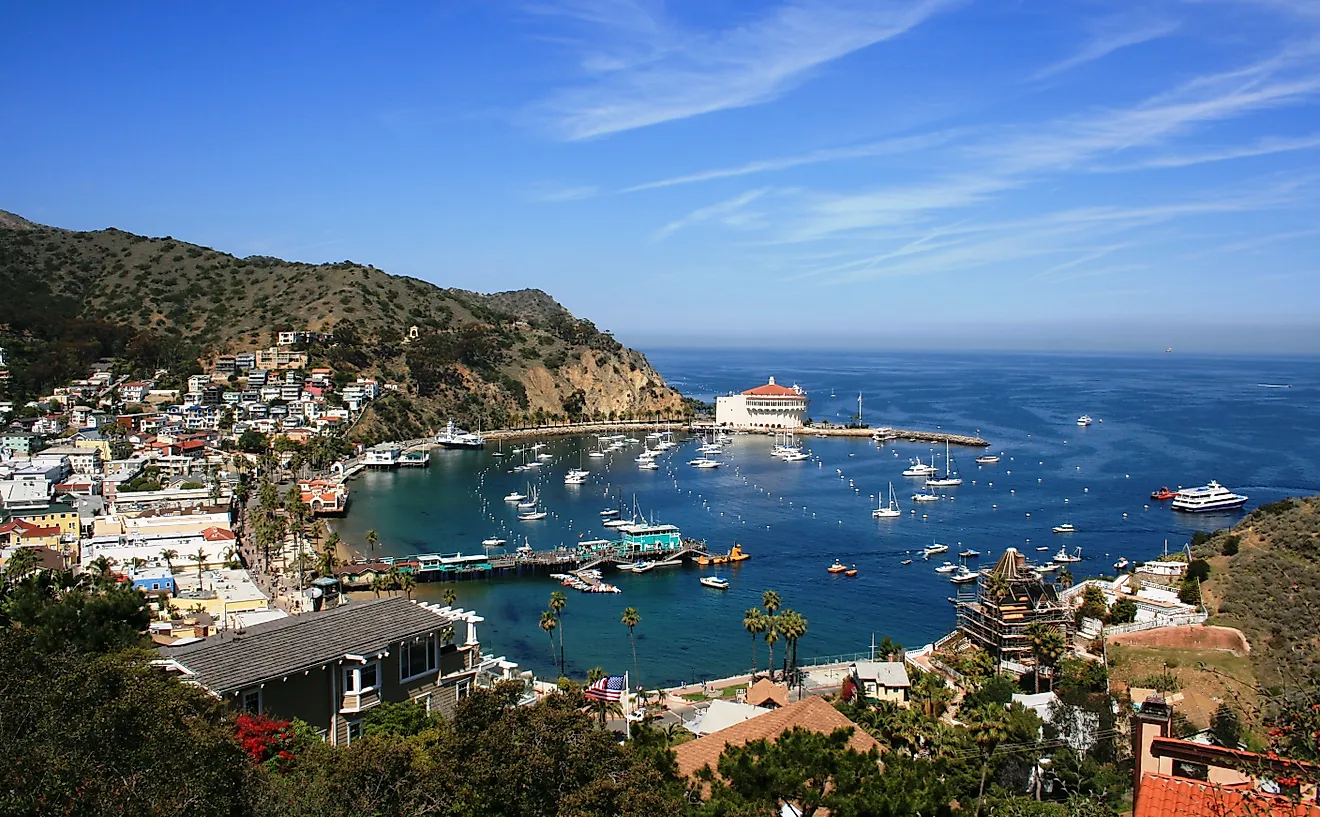
Fairhope rises above Mobile Bay in Baldwin County, where flower-lined streets, independent storefronts, and a bluffside setting make the community look unusually polished for coastal Alabama. Weeks Bay Reserve puts marshes, bogs, and estuary habitat close enough for regular walks and weekend nature trips. Buyers should expect housing costs around $495,000, a figure that reflects the appeal of the bay and the strength of the local market. The Eastern Shore Art Center keeps the cultural side of Fairhope visible with exhibitions, workshops, and a major annual outdoor show. Fairhope Municipal Pier remains the defining public landmark, with a long boardwalk, fishing spots, and broad sunset views over the water. Housed in the former city hall, the Fairhope Museum of History explains the community’s unusual single-tax origins through artifacts and archival displays.
Florence

Florence occupies a stretch of the Tennessee River in the Shoals, and its brick commercial core, older residential streets, and music legacy give the place more substance than many comparably sized Alabama communities. The W.C. Handy Home and Museum ties Florence directly to one of the key figures in American blues. Typical home values are about $287,450, which keeps ownership within reach for many buyers who want a riverfront setting with cultural weight. McFarland Park spreads along the river with a marina, open green space, and easy access to Wilson Lake. Pope’s Tavern preserves a Civil War-era structure filled with exhibits on early Florence and the wartime years. Rosenbaum House, a Frank Lloyd Wright design, stands as the most significant architectural site in the area and the only Wright house in Alabama open for public tours.
Guntersville

Guntersville curves along the edge of one of Alabama’s largest lakes, and that constant presence of water, marinas, and wooded ridges gives everyday life here a resort-town backdrop. Guntersville City Harbor acts as the social anchor on the waterfront, combining restaurants, dock access, and public gathering space in one polished setting. Lake Guntersville State Park brings hiking, overlooks, a golf course, and some of Alabama’s best winter bald eagle viewing right to the area’s doorstep. Local real estate is expensive by state standards, with listings often clustering near $615,500 because lake access and views carry real value. Main Channel Brewing Company gives the business district a modern draw with live music, rotating food trucks, and a busy taproom. The Guntersville Railroad Depot Museum stores rail memorabilia and model train displays inside a restored station.
Foley

Foley sits inland from Alabama’s Gulf beaches, and its blend of newer subdivisions, major retail corridors, and year-round practicality makes it more useful for daily living than many towns built mostly around vacation traffic. OWA Parks & Resort concentrates rides, restaurants, shops, and entertainment venues into a single district that stays active well beyond peak tourist season. Housing here is more attainable than in nearby beach markets, with prices around $309,900. The Foley Railroad Museum, next to the old depot, preserves local transportation history through exhibits and model trains. Graham Creek Nature Preserve opens up wetlands, pine forest, kayaking routes, hiking paths, and a respected disc golf course on the edge of town. Holmes Medical Museum occupies Baldwin County’s first hospital and stands out as one of the more unusual preserved landmarks in south Alabama.
Daphne

Daphne follows the eastern shore of Mobile Bay, and that geography gives residents water views, quick access to Mobile, and a stronger sense of place than many fast-growing suburban communities. Bayfront Park offers a public pier, open shoreline, and broad views across Mobile Bay. The area is not cheap, with sale prices recently landing near $405,900, but the bayfront setting explains much of that premium. Gator Boardwalk crosses D’Olive Creek on a raised trail where alligators and wetland birds are regular sights. The Daphne History Museum rounds out the picture with exhibits tracing how this Eastern Shore community developed from a small settlement into one of Baldwin County’s most important residential hubs. Village Point Park Preserve combines shoreline access, wooded paths, and historic features such as D’Olive Cemetery and Jackson’s Oak.
Athens

Athens lies in Limestone County between Huntsville and the Tennessee line, where a courthouse square, older housing stock, and outward growth give the place both historic character and visible momentum. Isom’s Orchard has become a regional destination for peaches, apples, pumpkins, and fall produce trips that draw steady traffic from surrounding counties. Buyers can still find homes around $339,900, a level that compares well with faster-rising parts of North Alabama. Houston Memorial Library and Museum occupies the 1835 home of Governor George S. Houston and remains one of the area’s signature historic properties. Big Spring Memorial Park puts walking paths, shade, and water features close to the center of town. The Alabama Veterans Museum and Archives holds a deep collection of military artifacts spanning multiple American conflicts.
Cullman

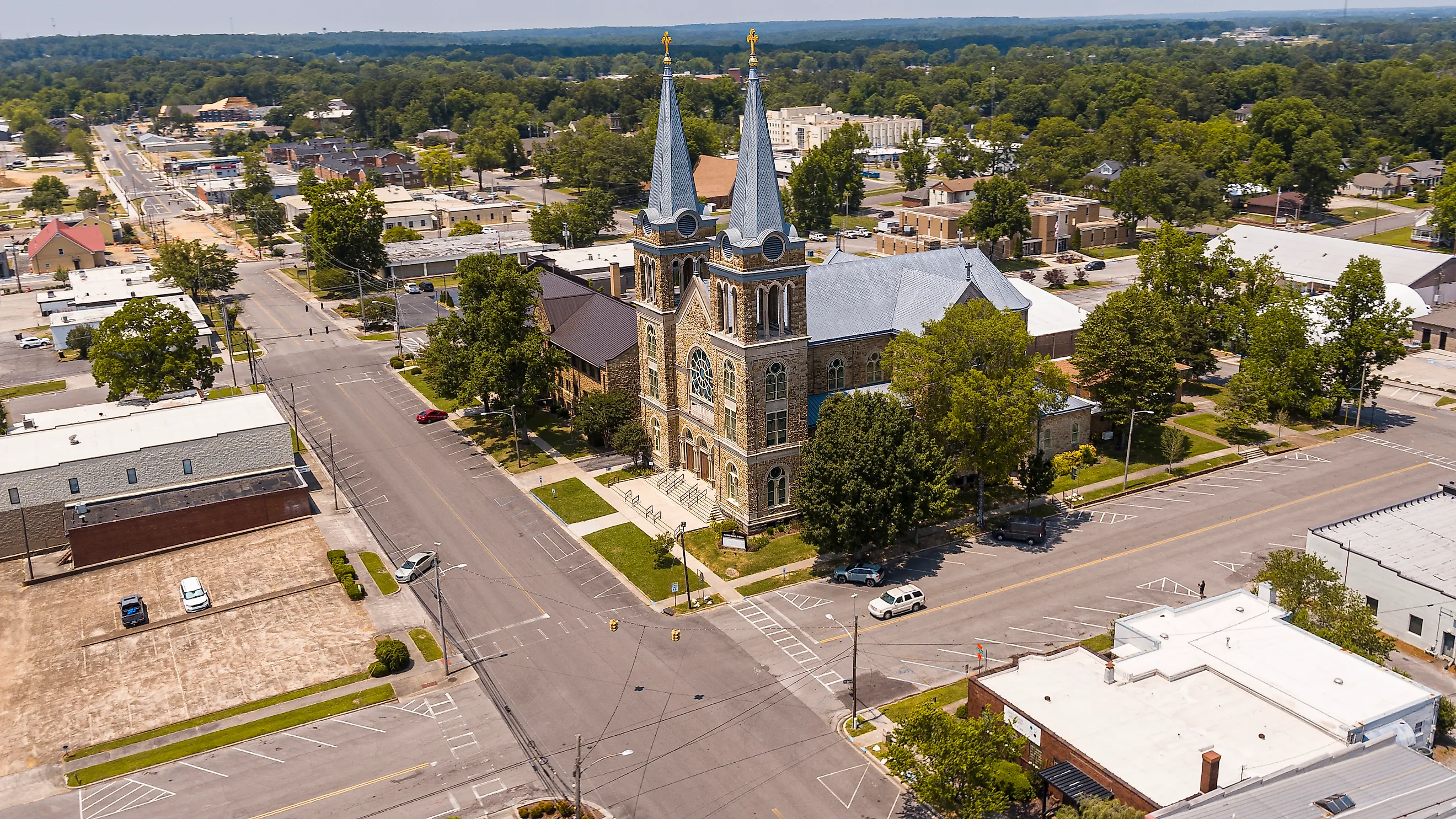
Cullman rises between Birmingham and Huntsville along Interstate 65, and its hilltop setting, dense cluster of church spires, and established center make it look more distinctive than many highway-linked Alabama communities. Clarkson Covered Bridge stretches across Crooked Creek in a wooded setting and remains one of the most photographed historic sites in the state. Homebuyers can often enter the market around $299,900, which keeps the area accessible for people seeking a central location. Goat Island Brewing brings a contemporary commercial element with concerts, festivals, and a lively taproom near the heart of town. Ave Maria Grotto is the best-known landmark here, featuring 125 miniature religious structures built at St. Bernard Abbey by Brother Joseph Zoettl. Cullman County Museum uses a restored nineteenth-century house to interpret settlement patterns, farming life, and domestic history in the region.
Enterprise

Enterprise has a long connection to Fort Novosel and a local identity shaped by the agricultural crisis that pushed Coffee County beyond cotton, giving the community an economic story more unusual than most places its size. The Pea River Historical and Genealogical Society Depot Museum preserves railroad history and regional artifacts inside a restored 1903 station. Housing remains comparatively approachable, with values near $299,000. Southern Broadway Theater Company gives the central business district a polished entertainment venue with dinner theater productions and regular live performances. The Boll Weevil Monument is the unmistakable local symbol, honoring the insect that forced farmers here to diversify their crops and remake the regional economy. Johnny Henderson Family Park provides trails, sports fields, and a splash pad that make it one of the strongest everyday recreation assets in the area.
Fort Payne

Fort Payne sits below Lookout Mountain in northeast Alabama, where steep ridges, a compact commercial core, and immediate access to canyon scenery create one of the most dramatic everyday settings in the state. Murals, independent shops, and locally owned restaurants keep the center of Fort Payne active without making it feel overbuilt. The housing market remains fairly reachable, with sale prices around $280,000 despite the mountain backdrop. The Alabama Fan Club and Museum celebrates the hometown legacy of the country band Alabama with memorabilia and exhibits tied to its rise. Little River Canyon National Preserve supplies waterfalls, overlooks, and cliff-lined drives just outside the built-up area. The Fort Payne Depot Museum occupies an 1891 pink sandstone station and preserves local stories inside one of the community’s most handsome buildings.
Wetumpka

Wetumpka stands near the meeting point of the Coosa and Tallapoosa rivers, and its bluff-top streets, old storefronts, and unusual geology give it more personality than a typical Montgomery-area suburb. Fort Toulouse-Fort Jackson preserves French colonial, Creek, and early American history on an expansive archaeological site outside the center. Housing costs run about $345,000, placing the community above some nearby options but still below many waterfront and mountain markets. Restored facades, independent shops, and river views make the older commercial district one of the strongest small-town centers in central Alabama. Gold Star Park lines the Coosa River with walking paths, picnic areas, and open views beside the historic core. The Wetumpka Impact Crater marks the remains of an ancient meteor strike and gives the area one of Alabama’s strangest geological claims.
From bayfront towns to mountain communities, Alabama offers a rare mix of scenery, affordability, and everyday livability in 2026. Whether you want Gulf access in Fairhope, river history in Florence, lake views in Guntersville, or canyon-country beauty near Fort Payne, these towns show how varied the state can be. For buyers seeking value without giving up character, recreation, or local culture, Alabama remains one of the South’s most appealing homes.