10 Arizona Towns With A Slower Pace Of Life
Arizona spends most of its reputation on the Grand Canyon and the traffic in greater Phoenix. The towns on this list trade all of that for something quieter. In Patagonia, a good morning means counting hummingbirds along Sonoita Creek. Wickenburg still measures its days by ranch work and the murals downtown. Bisbee sends visitors underground into a copper mine with the miners who once worked it. Payson keeps its lakes stocked and its pines shading the picnic tables. These ten places run on their own clock.
Patagonia

Home to about 800 people, Patagonia sits in the Sonoita Creek valley in Santa Cruz County, hemmed in by the Patagonia and Santa Rita Mountains. About seven miles south, Patagonia Lake State Park wraps around a reservoir where locals and visitors fish, boat, camp, or just sit on an uncrowded shoreline. The real draw is the birds. The state park and the downstream Sonoita Creek Natural Area pull in serious birdwatchers hoping to spot the broad-billed hummingbird, the verdin, and Lucy's warbler. If you want to earn the view first, the Overlook Trail near the lake is a 1.5-mile out-and-back that opens onto 360-degree views of the whole valley.
Back in town, the afternoon slows to a stroll. You can browse the Patagonia Trading Post, wander into the Global Arts Gallery and Lillian's Closet, and stop for a coffee at Gathering Grounds on Main Street. The Patagonia Museum fills in the rest, using exhibits and old photographs to tell the story of eastern Santa Cruz County.
Jerome

Jerome clings to the side of Cleopatra Hill in Yavapai County, about 100 miles north of Phoenix, and it wears its mining past on the surface. Once a booming copper camp, the town now offers Verde Valley views, quiet streets, and a handful of good restaurants and inns. The story starts at Jerome State Historic Park, built around the 1916 Douglas Mansion. James Douglas raised it above his Little Daisy Mine, and it now runs as a museum of the region's mining history. Step out to the picnic area afterward and the view stretches across the Verde River, the valley floor, and the red rocks over toward Sedona and Oak Creek.
The Gold King Mine and Ghost Town is worth the short trip too, a former mine packed with weathered buildings, rusting vehicles, and old equipment left where it stopped. End the day over American plates and cocktails at The Clinkscale downtown, then check into The Connor Hotel for the night.
Bisbee

The seat of Cochise County, Bisbee tucks into the Mule Mountains in the state's southeastern corner, and it has aged into an artists' town with a mild climate and an unhurried pace. Start at the Bisbee Mining and Historical Museum, where hands-on exhibits lay out how copper built the town and helped power American industry.
For the real thing, take the Copper Queen Mine tour, led by retired miners who walk you through the daily grind and genuine danger of the work. The Copper Queen ran from 1877 to 1975 and was one of Bisbee's richest mines. Above ground, the narrow streets of downtown hold the Art Deco Cochise County Courthouse, galleries like the Belleza Gallery, and the Old Bisbee Brewing Company, which turns out award-winning beers. After dark, the Old Bisbee Ghost Tour leads you through the stairways and unlit alleys that gave the town its haunted reputation.
Cottonwood

Cottonwood sits along the Verde River in Yavapai County and takes its name from the trees that crowd the bank. It once served the rough-and-tumble crowd working the company mines up in Jerome, and that history lingers in Old Town, a walkable strip of gift shops, cafes like The Old Town Red Rooster, and tasting rooms like Arizona Stronghold Vineyards. The Old Town Center for the Arts anchors the block with films, concerts, and community events.
The Clemenceau Heritage Museum lays out the wider Verde Valley story, model trains included. Just across the river, Dead Horse Ranch State Park gives you room to hike, camp, mountain bike, fish, ride horses, or spread out a picnic by the water.
Wickenburg

An hour northwest of Phoenix, Wickenburg straddles Maricopa and Yavapai counties and leans hard into its ranching roots. The Desert Caballeros Western Museum is the main stop, with galleries on the area's ranching and mining past, Native American artifacts, and a deep collection of Western art. The town's oddest landmark is the Jail Tree, a mesquite roughly two centuries old that held chained outlaws between 1863 and 1890, back before Wickenburg had a jail to put them in.
Downtown, life-sized bronze statues and painted murals share the sidewalks with the old Santa Fe Railroad Depot, now the Wickenburg Chamber of Commerce and visitor center, and locally owned shops like Old Livery Mercantile. When you want out of town, the 770-acre Hassayampa River Preserve protects a rare desert riparian corridor, its cottonwood-willow forest alive with birds and wildlife along quiet, easy trails.
Pinetop-Lakeside

Two neighboring communities merged in 1984 to create Pinetop-Lakeside, a Navajo County town of about 4,000 that sits high in the White Mountains among the ponderosa pines. It has long been a summer escape from the desert heat, and most of the appeal is outdoors. Woodland Lake Park sits at the center of it, with walking trails, ballfields, volleyball courts, and a lake open to fishing, kayaking, and boating.
The surrounding Apache-Sitgreaves National Forest covers more than two million acres, and its White Mountain Trail System threads over 200 miles of non-motorized track for hikers, riders, and mountain bikers. Add fishing and boating on Rainbow Lake and Big Lake, plus campsites at Lakeside Campground, and a weekend fills itself.
Williams

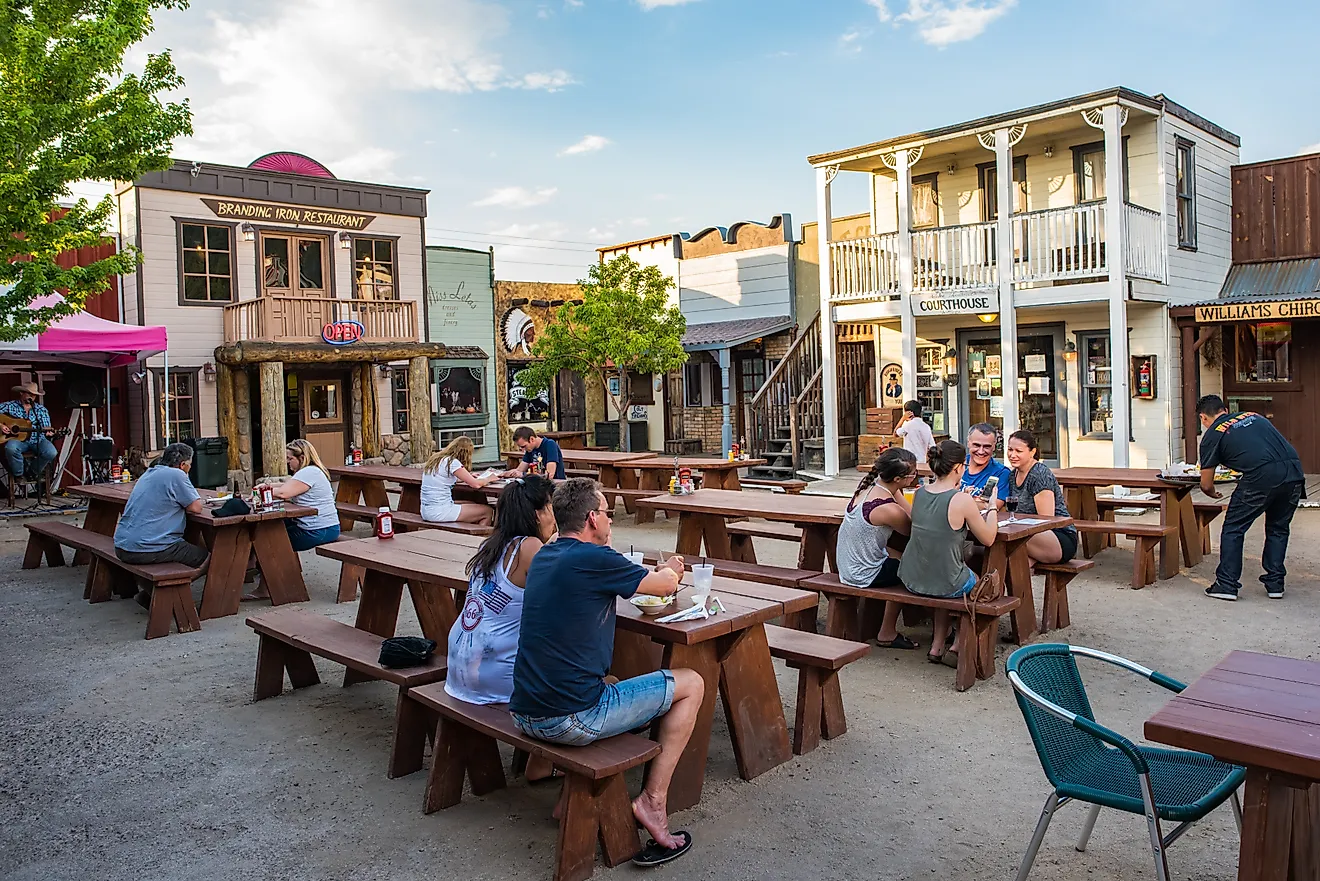
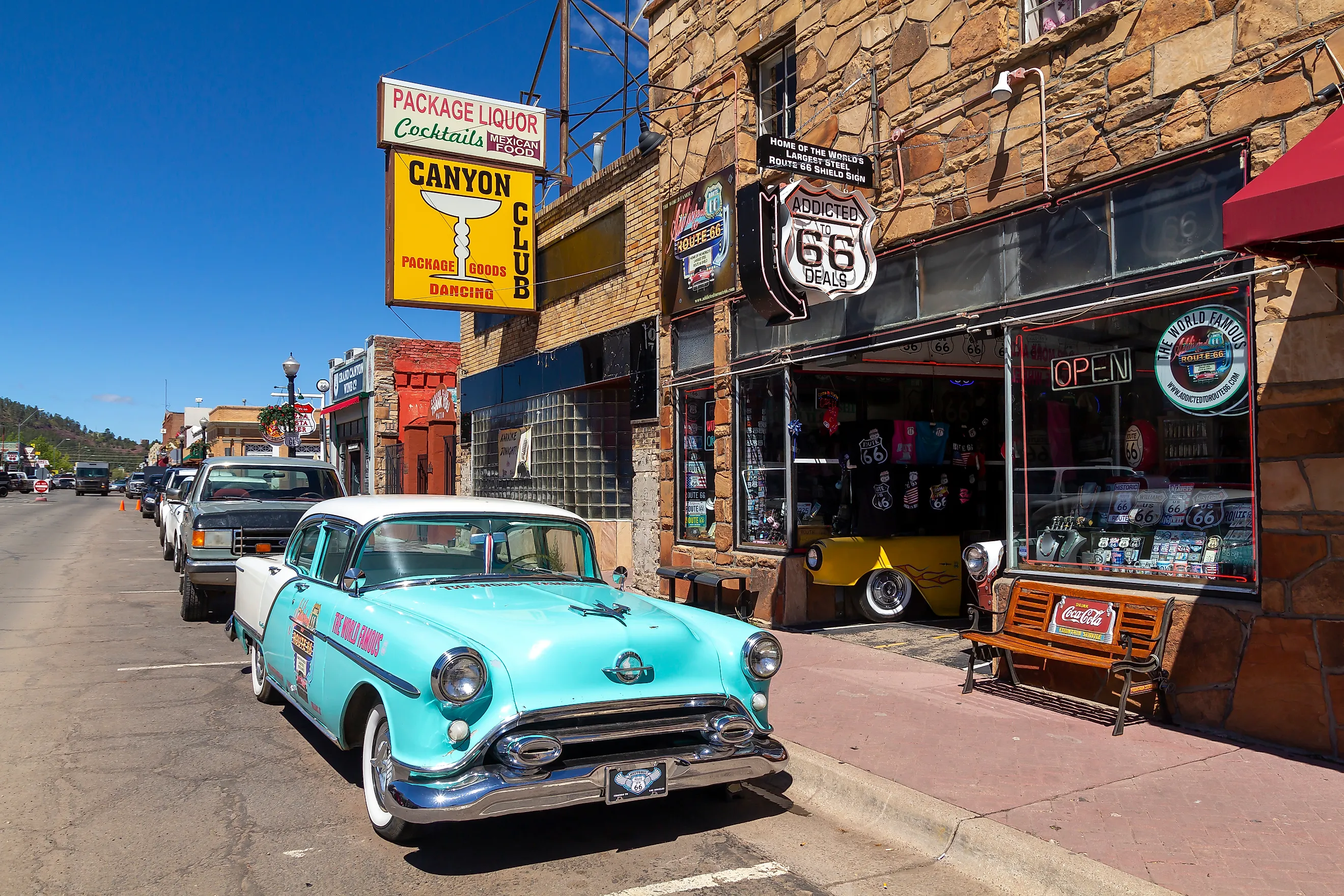
An hour south of the Grand Canyon's South Rim, Williams is a mountain town in Coconino County that still trades on its old-west character and its easy access to Arizona's pine country. It sits on a well-preserved stretch of historic Route 66, and its walkable downtown rewards a slow lap. You will find the Historic Grand Canyon Hotel, the oldest continuously operating hotel in the state, along with Pete's Route 66 Gas Station Museum and its stash of road memorabilia. Then there is the Poozeum, a museum and gift shop built around a collection of fossilized dung, dinosaur theme and all. Hungry travelers can settle in at the Red Raven Restaurant.
Williams' other headliner is the Grand Canyon Railway, a heritage train that carries passengers from town up to the South Rim of Grand Canyon National Park through high-country scenery. Just outside town, the drive-through Bearizona wildlife park lets you watch black bears, wolves, javelina, and bison from your own car.
Tubac

Tubac holds the title of the first Spanish colonial settlement in what is now Arizona, and the little town on the Santa Cruz River still runs on that mix of deep history, border culture, and art. The galleries and shops are the main event, and places like the Cobalt Fine Arts Gallery, the Tubac Center of the Arts, Tubac Art and Gifts, and Tubac Territory Furniture and Interiors can eat up an entire afternoon.
The town guards its Spanish past at Tubac Presidio State Historic Park, where an underground exhibit reveals the excavated foundations of the original Presidio of San Ignacio de Tubac alongside a museum and picnic grounds. Right beside the park, a trailhead opens onto the Tubac-to-Tumacácori leg of the Juan Bautista de Anza National Historic Trail, a flat 4.5-mile walk through riverside cottonwoods and mesquite along the Santa Cruz, good for birding and an unhurried hike.
Payson

People call Payson "The Heart of Arizona" because it sits close to the state's geographic center, ringed by Tonto National Forest and the cliffs of the Mogollon Rim. Unlike the desert most people picture, Payson runs green. The 43-acre Green Valley Park at the end of Main Street strings together fishing lakes, shaded picnic spots, walking paths, and a summer concert series. The Rim Country Museum sits inside the park and covers the area's cattle-ranching days, including a replica of the cabin where Western novelist Zane Grey wrote.
The nearby Mogollon Rim opens onto wide views, hiking trails, and high-country lakes for fishing and swimming. About ten miles north, Tonto Natural Bridge State Park invites day-trippers onto its walking trails and down to its centerpiece, a formation believed to be the largest natural travertine bridge in the world.
Tombstone

Founded on a mesa above the Goodenough Mine in 1879, Tombstone is a small Cochise County town that turned its Wild West history into its whole identity. The action centers on Allen Street, a historic dirt lane where horse-drawn stagecoaches still roll past wooden storefronts like Allen Street Antiques and saloons like the Crystal Palace and Big Nose Kate's. The Bird Cage Theater draws the biggest crowds. Once a theater, brothel, and gambling hall, it is said to be the most haunted and most bullet-scarred building in town.
History fans line up at the O.K. Corral, where actors reenact the famous 1881 gunfight between the town lawmen and the Cochise County Cowboys on the spot it happened. A short walk away, Tombstone Courthouse State Historic Park preserves the town's Victorian courthouse and a museum stuffed with exhibits on the town and the county.
These ten towns make the case that Arizona has plenty to offer past the big cities and the marquee national parks. Small populations, walkable historic cores, and a genuinely relaxed pace make them good picks for travelers who would rather wander than race through an itinerary. Williams hands you a working heritage railroad and a walkable stretch of Route 66. Bisbee sends you into a copper mine with the men who dug it. Whichever you choose, the clock runs slower here.