10 Adorable Small Towns In Wisconsin
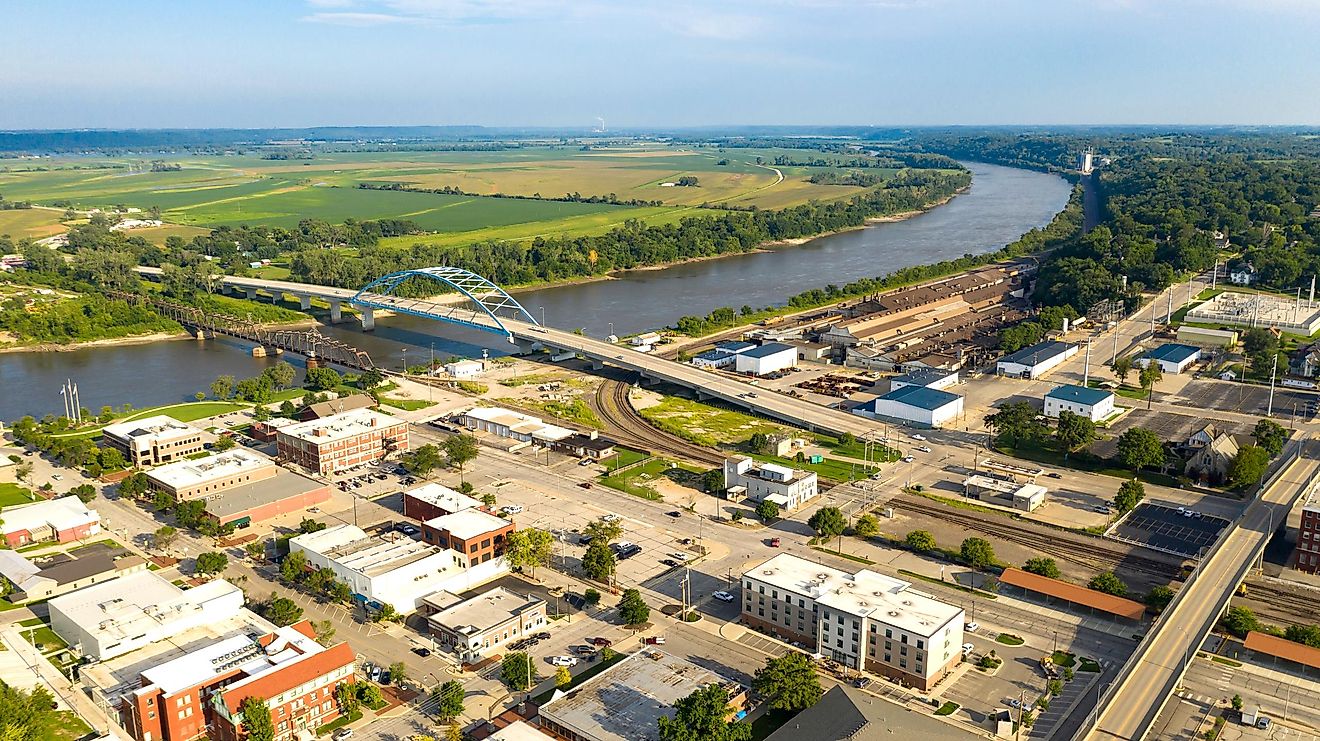
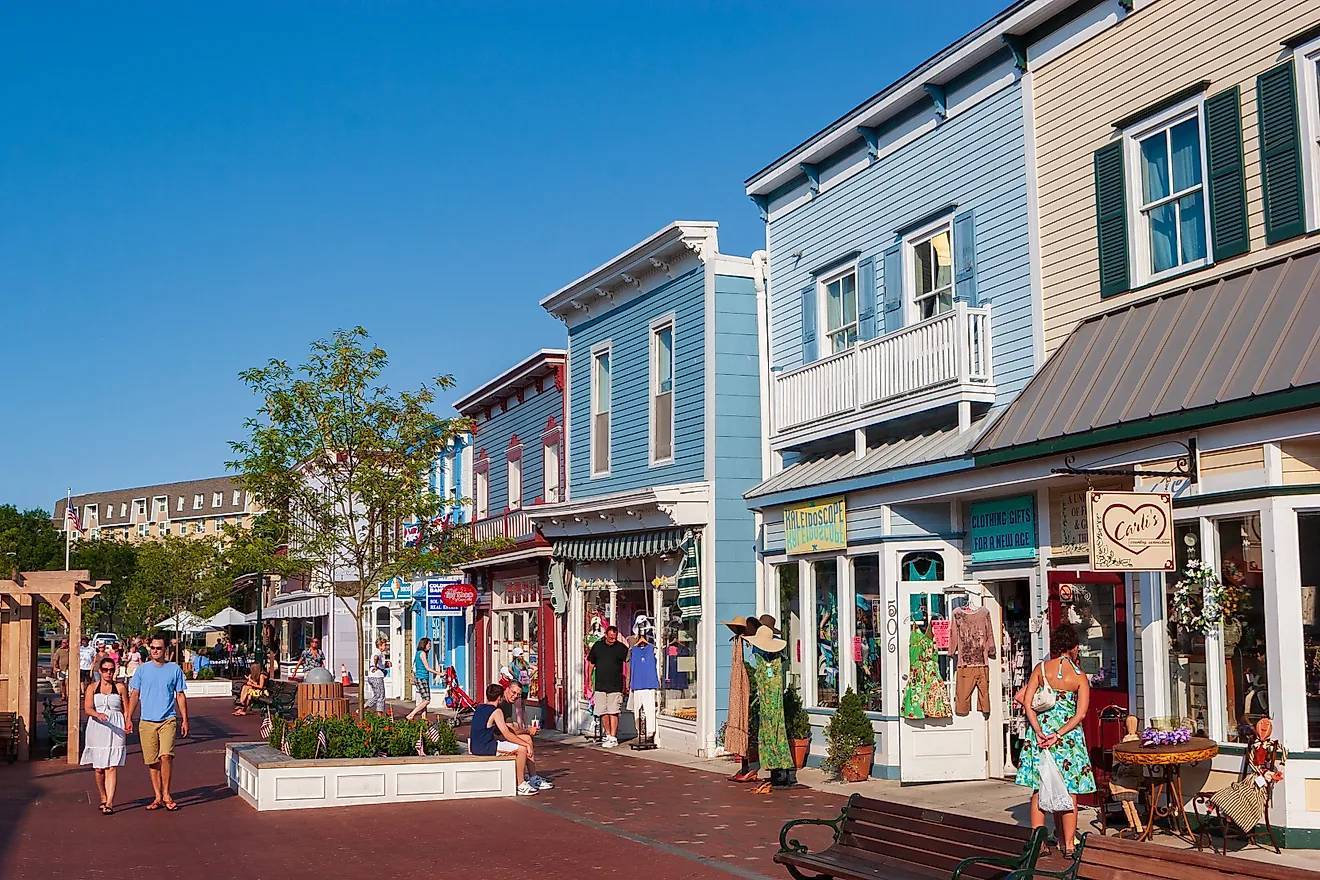
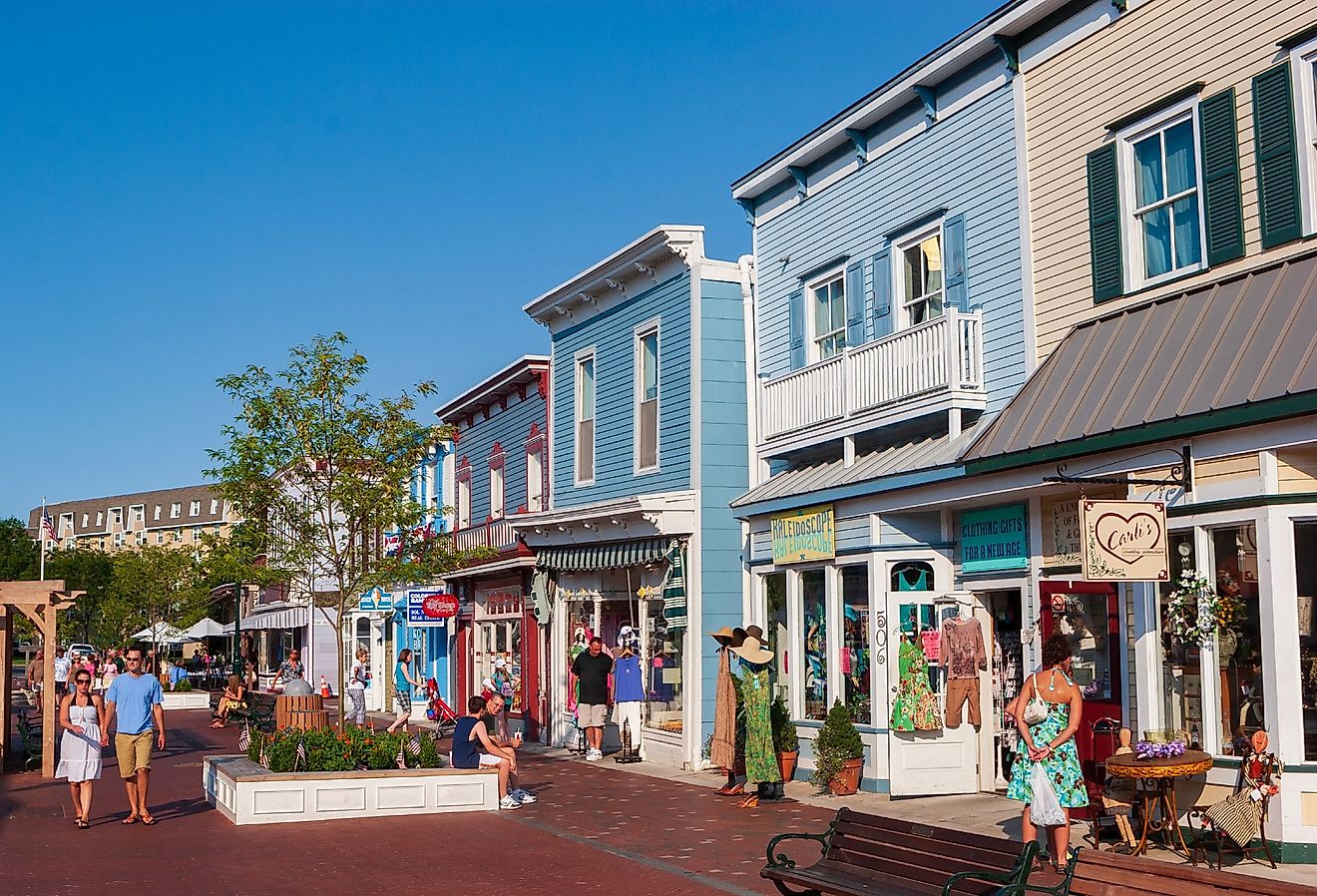
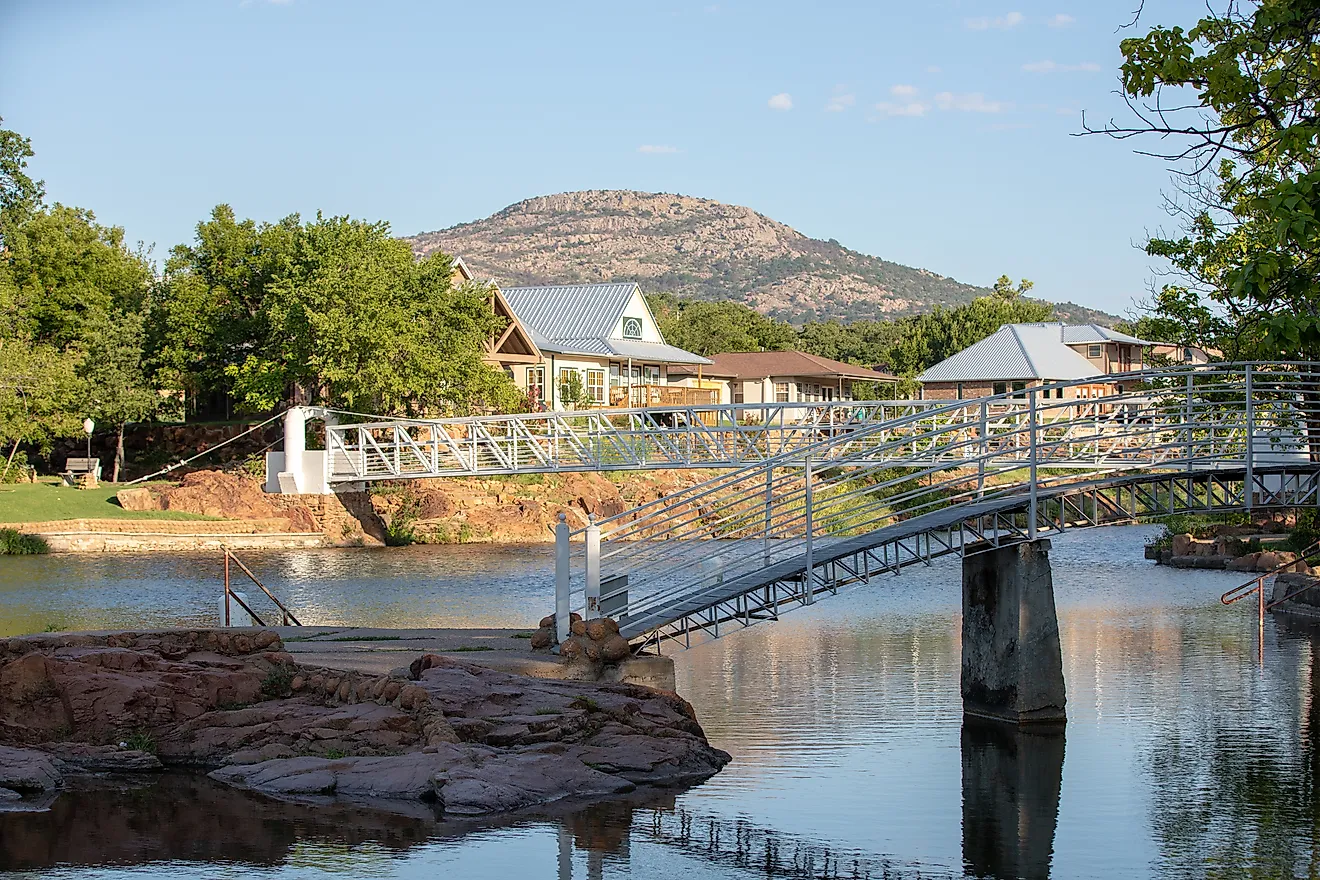
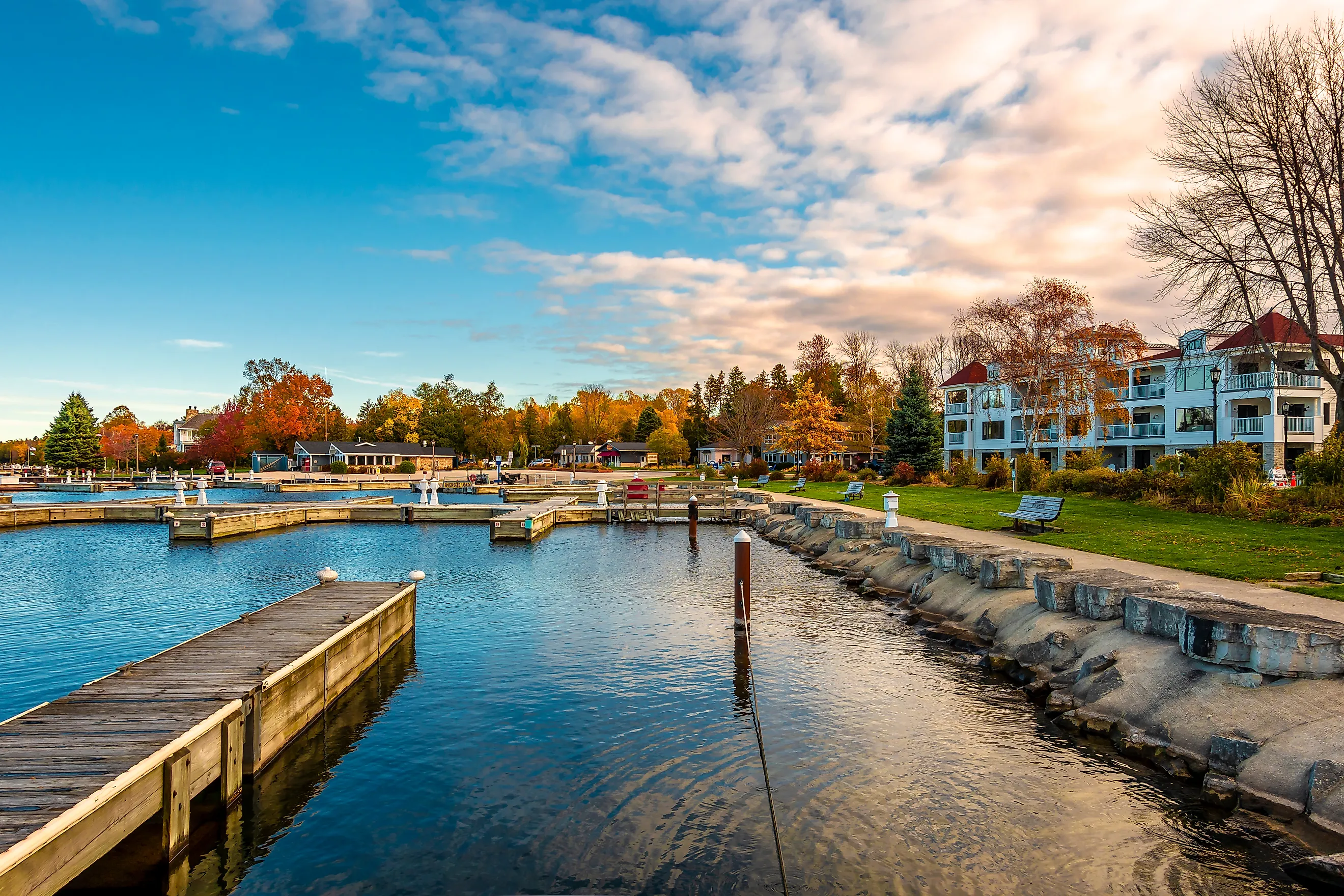
This list traverses small towns in Wisconsin where the landscape influences how people navigate and spend their time. From Lake Superior harbors and Door County marinas to bluff-lined rivers, forested state parks, and shoreline paths shaped by wind and weather, the focus stays on places where geography matters. Each town is explored through a handful of specific experiences, where to walk, where to gather, what to see, rather than long checklists.
These are places where lakes replace highways as landmarks, where downtowns stay close to the water, and where a day’s plan often begins outdoors and ends at a well-worn table.
Hayward

Hayward is shaped by water and tradition. Sitting among dozens of lakes and threaded by the Namekagon River, the town has long been a gathering place for anglers and paddlers. The massive Freshwater Fishing Hall of Fame muskie statue towers above downtown, marking Hayward’s identity without irony. Nearby, the Namekagon River draws canoeists and kayakers seeking a gentle current with occasional Class I rapids and wooded banks, especially along federally protected stretches just outside town.
Downtown remains compact and social, with longtime institutions like Angler’s Bar & Grill and the historic Hayward Lakes Visitor & Convention Bureau acting as informal meeting spots. Summer weekends often coincide with fishing tournaments or the Musky Festival, while quieter mornings belong to coffee drinkers watching mist lift off the river near Riverside Park.
Cedarburg

Cedarburg’s limestone buildings give its downtown a sense of permanence rarely found so close to a major city. The restored Cedar Creek Settlement, now home to shops and studios, anchors the historic district along Cedar Creek. A short walk leads to the Wisconsin Museum of Quilts & Fiber Arts, where traditional craft meets modern design inside a converted barn.

Food and gathering are central here. Anvil Pub & Grille fills nightly with locals and visitors sharing tables under exposed beams, while Cedar Creek Winery, housed in a former woolen mill, keeps tastings casual and communal. Seasonal festivals spill onto Washington Avenue, but even quiet weekdays invite lingering strolls beside the creek near Bridge Road.
Fish Creek

Fish Creek sits where forest, shoreline, and small-town life intersect along Green Bay. Peninsula State Park begins just outside downtown, offering miles of wooded trails, shoreline access, and elevated views from Eagle Bluff. Boat traffic hums steadily from the marina, especially during sunset cruises that skim past limestone bluffs and island coves.
Back in town, galleries and cafés cluster tightly along Main Street. White Gull Inn, a longtime gathering place, draws steady crowds for breakfasts and classic Door County suppers inside a historic building. For a deeper look at the area’s past, the Alexander Noble House Museum preserves a 19th-century home filled with period furnishings and stories tied to Door County’s early settlers. Along the waterfront, Fish Creek Scenic Boat Tours remain one of the easiest ways to watch sailboats and shoreline bluffs slide by from the water.
Wisconsin Dells

Wisconsin Dells balances spectacle with geology. The town grew around the sculpted sandstone formations of the Wisconsin River, best explored by boat tours that pass narrow passages and weathered cliffs shaped by a flood from Glacial Lake Wisconsin. Outside the river corridor, Mirror Lake State Park provides a quieter contrast, with still water, wooded trails, and canoe routes set away from highway noise.

Downtown streets stay lively well into the evening, especially near classic stops like Monk’s Bar & Grill, where families and locals crowd booths after long days outdoors. For context beyond the waterparks, the H.H. Bennett Studio & Museum preserves the legacy of the photographer who introduced the Dells’ landscapes through early photography. Seasonal events such as Wo-Zha-Wa Days bring parades and street vendors into the center of town, while early mornings belong to hikers setting out from Rocky Arbor State Park just beyond the strip.
Port Washington

Port Washington rises directly from Lake Michigan, its harbor framed by brick warehouses and historic churches perched on the bluff above. The Port Washington Marina stays active with fishing boats and kayaks, while the breakwater lighthouse marks the harbor entrance against open water. A walk north leads to Coal Dock Park, where freighters pass close enough to hear engines echo.

Downtown gathers around Franklin Street, where places like Twisted Willow serve as informal hubs for long lunches and evening meals. South Beach Park, just steps from the center, provides a wide stretch of sand and uninterrupted lake views. From the bluff walk near Upper Lake Park, the town’s relationship with the water becomes clear.
Baraboo

Baraboo’s surroundings are defined by rock and elevation. Devil’s Lake State Park, minutes from downtown, draws climbers, swimmers, and hikers to quartzite bluffs rising sharply above a clear lake. Nearby, Mirror Lake State Park offers a gentler landscape, where sandstone cliffs meet quiet paddling routes.

In town, Baraboo’s circus heritage remains visible. The AL. Ringling Theatre, restored and operational, anchors the downtown with regular performances and film screenings. Local gathering spots like Driftless Glen Distillery combine river views with food and spirits, often filling up after long park days. Just down the street, Little Village Café serves as a longtime gathering spot, known for its baked goods, soups, and steady morning crowd after early hikes. From the courthouse square, forested ridges are never far from view.
Lake Geneva

Lake Geneva revolves around water access and historic scale. The Geneva Lake Shore Path, a 21-mile footpath tracing the shoreline, passes manicured estates, wooded stretches, and quiet docks. At the lake’s center, Riviera Beach becomes a focal point for swimmers and picnickers during warm months.

Boat culture defines social life. Lake Geneva Cruise Line runs narrated tours that glide past Gilded Age mansions, while docks near Flat Iron Park stay busy with paddleboards and rentals. Downtown dining concentrates around places like Oakfire, where outdoor seating fills quickly in the evening, especially as the lake reflects fading light.
Chippewa Falls

Chippewa Falls is shaped by riverbanks and industry. The Chippewa River cuts through town, with trails and overlooks weaving between historic sites and parkland. Irvine Park, with its zoo and picnic areas, provides green space just beyond downtown streets.
Brewing history remains central. Jacob Leinenkugel Brewing Company continues to operate tours and tastings, drawing steady foot traffic across the river. Nearby, the Chippewa Falls Museum of Industry and Technology highlights innovation tied to local industry and supercomputing. Locals often gather afterward at Every Buddy’s Bar & Grill, keeping the riverfront social well into the evening.
Sister Bay

Sister Bay opens directly onto Green Bay, where marinas, lawns, and waterfront parks shape the town’s footprint. Sister Bay Beach provides swimming access and long views across the water, while the Sister Bay Marina stays active with charter boats and peninsula-wide sightseeing departures throughout the day.

The town is known for shared tables and visible rituals. Al Johnson’s Swedish Restaurant, famous for goats grazing on its sod roof, draws diners from morning through evening. Nearby, the Corner of the Past Museum, operated by the Sister Bay Historical Society, preserves log buildings and artifacts that trace the area’s early Scandinavian settlers. Many evenings still end at Waterfront Park, where sailboats return to dock as the sky shifts color over the bay.
Bayfield

Bayfield sits where land gives way to open water, pressed between Lake Superior and the outer edge of the Apostle Islands National Lakeshore. From the harbor, boats head out daily on Apostle Islands Cruises, tracing sea caves, lighthouse points, and pine-covered islands while captains share stories tied to shipwrecks, fishing routes, and early settlement. When conditions are calm, the scale of the lake becomes unmistakable, stretching far beyond the islands toward the horizon.

Back on shore, the town’s maritime past takes shape at the Bayfield Maritime Museum, where exhibits and artifacts trace generations of lake travel and working boats. Trails at Big Ravine Nature Trail provide a quieter counterpoint, with forested paths descending toward the water through shaded ravines. Downtown activity centers on Rittenhouse Avenue, where places like Pier Plaza Restaurant fill as the weather rolls in from the lake and sailboats settle back into the marina.
A Drive Where Landscape Shapes the Experience
What ties these towns together is not a single attraction, but how daily life folds naturally into the landscape. Meals happen near harbors, walks end at the water’s edge, and familiar streets lead directly to overlooks, trails, or docks. Long after the drive home, it is usually one shoreline, one bluff, or one evening view that comes back first.