9 Amazing Hawaii Day Trips That Are Worth The Drive In 2025
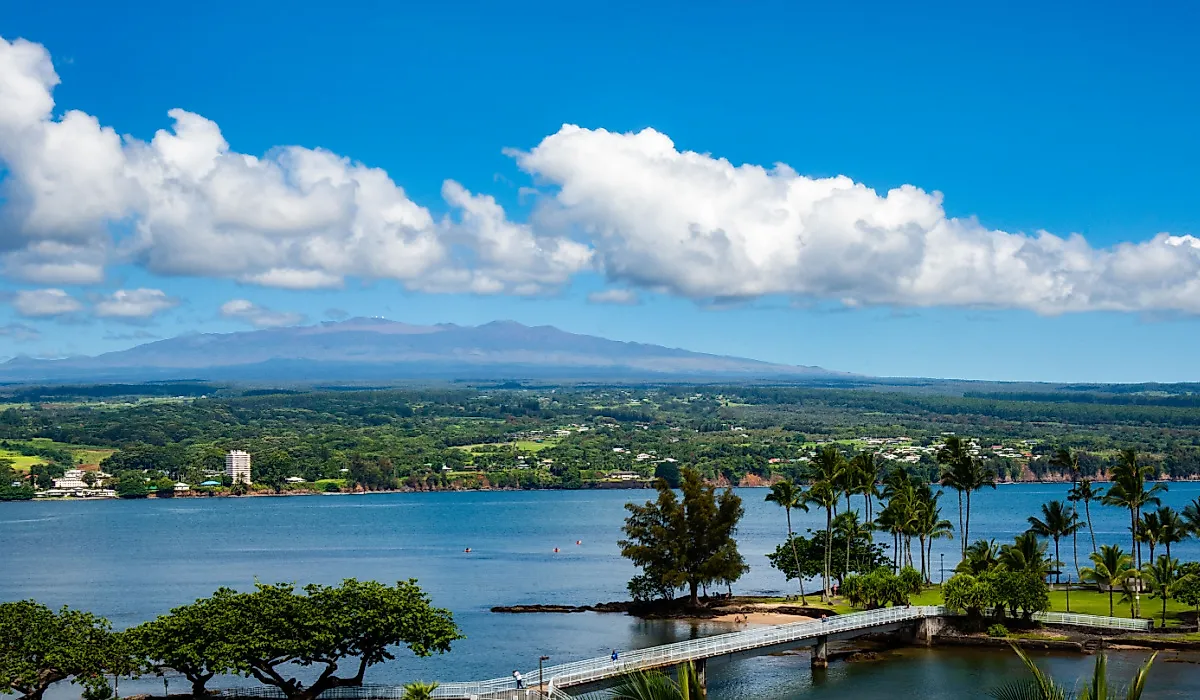
Hawaii has a long history shaped by its natural beauty and early beliefs. It is said to have descended from the Gods, including Kāne, Kū, the War God, and Lono. Many lesser gods influenced traditional Hawaiian society and helped form the culture known today. Hilo is on the east side of the Island of Hawaii, and its international airport makes it an easy starting point for day trips.
Hawaiʻi Volcanoes National Park

This is one of the major national parks on the Big Island, and its varied terrain makes it an easy day trip. Visitors come to see its active volcanoes, lava fields, steam vents, and dramatic cliffs shaped by centuries of eruptions. The terrain feels otherworldly, with shifting colors and textures created by new and old lava flows.

Hawaii Volcanoes National Park is home to one of the world's most active volcanoes. It has lava fields, rainforest flowers, and craters. One main road, the Chain of Craters Road, is rugged. If you take this road, you can stop at the Thurston Lava Tube, or Nāhuku, the Hawaiian name. Here you can walk through a well-lit 500-year-old lava tube that shows where a river of lava once flowed. The walls hold dense ferns, and roots hang from the ceiling.
Lyman Museum and Mission House

The Lyman Museum has a new gallery, the Island Heritage Gallery, which shows the history of Hawaii in a way that works well for a short day trip. Whalers, missionaries, traders, and workers on the sugar plantations all shaped modern Hawaiian life. There is a learning space where children can make Hawaiian kapa, learn tattoo design, practice cordage making and mat plaiting, and see storytelling through hula, chanting, petroglyphs, and oral legends. They can take the crafts they create home with them.
The historic Mission House, built by the missionary couple, the Lymans, in the 1830s, was their lifelong home. They hosted many notable visitors, including Hawaiian royalty. The house preserves the setting of that period and reflects the daily life of the family and the people who visited them.
Laupahoehoe Train Museum

This museum is about 23.2 miles from Hilo, north along the HI-19 highway, known as the Hawaii Belt Road. The drive takes about 25 minutes. The museum tells the story of the railroad that once ran through the region, picking up shipments from the many sugar plantations that operated here. Sugar plantations were a major industry in Hawaii, and the railroad helped move sugar quickly and at a lower cost to the deep port in Hilo. The train also carried passengers, freight, and mail, supporting small and isolated communities.
Built in 1899, the railroad continued until it was destroyed by a large tsunami in 1946. Inside the museum, you can see the history of the train and learn about the preservation of the surrounding landscape. Children can interact with a train whistle, ride a hand car, and step inside the train caboose. The gift shop has items that visitors can take home as a keepsake of their visit.
Hilo Farmers Market

Right in Hilo, you can visit the Farmers Market, a convenient stop for a short day trip, and see a wide range of fresh fruit and vegetables. There are original handmade items, including Hawaiian war clubs, jewelry made from abalone, sea glass, or real flowers, and bowls and vases made from mango wood. Woven bracelets and other crafts reflect the work of local artisans who continue traditional skills.
Visitors can try an ice shave made with local fruit syrups or buy organic honey, goat cheese, or jam made with cane sugar. Coffee from nearby farms is also available. The market has a lively atmosphere, and spending a few hours walking through the stalls gives you time to see the variety of produce and handmade goods. There are also restaurants at the market where you can sit for lunch.
Hulihe'e Palace

Huliheʻe Palace, once home to Princess Ruth Ke‘elikōlani, reflects the history of Hawaiian royalty, who were described as descendants of the original Gods. The mythology surrounding the three major Gods and many lesser gods shaped beliefs about daily life on the Big Island. Inside the palace, the rooms hold portraits, koa wood furniture, and other pieces that show the lifestyle of the royal family and the respect they held in the Hawaiian Kingdom.
Visitors enter through iron gates with the royal crest, pass the palm trees, and walk into a museum that preserves these objects from the past. The setting provides a view of the personal world of Hawaiian royalty as it existed during the period when the palace was in use.
Greenwell Farms Coffee Farm
This farm is in Kona, about an hour and 45 minutes from Hilo by car. Visitors who enjoy coffee can see how 100 percent Kona coffee is grown and processed. A free guided farm tour shows how the coffee is cultivated, and the store has flavored and classic roasts. The farm also explains its work to care for the land and maintain the island’s delicate ecosystem.
The gentle breeze and warm sun across the fields show why preserving the rich volcanic soil is important to the farm. The original trees were planted by the owner’s grandmother about 100 years ago, and the current operation continues that early effort.
St. Benedict's Painted Church

This church is in Honaunau in the Kona coffee growing area of the Big Island. It functions as an everyday parish church and is also a site of historic interest. Built in 1899, the church interior was painted by Father John using regular house paint. Although he was an untrained artist, he created murals showing scenes from the Bible. He also painted a vaulted ceiling with palm frond tops and metal stars, forming a sky-like scene at dusk.
From the outside, the church is a simple white building. Inside, the murals cover the wooden walls and create a detailed visual setting that reflects the effort Father John put into the work.
Pacific Tsunami Museum

This museum, though not very old, was created to educate the public about tsunamis. The Pacific Ocean has long experienced severe events such as earthquakes, hurricanes, and tsunamis, and Hilo has been hit harder than any other part of Hawaii in terms of destruction and loss of life. Opened in 1998, the museum was formed to honor those who died in past events and to teach newer generations who may not have experienced a tsunami or understood its force.
Stories from survivors help explain the impact of earlier tsunamis on the community. People have donated material for the archives, so the history of these events is preserved. The museum focuses on awareness and preparation for future emergencies and provides context for how past tsunamis shaped life in Hilo.
'Akaka Falls State Park

Akaka Falls State Park is a good place for anyone who wants to see the rushing appearance of waterfalls. The park’s main feature is Akaka Falls, a 442-foot waterfall. The 65-acre park features additional scenic elements, including orchids and rainbow eucalyptus trees. Kahuna Falls is also located here.

As you walk the paved path, you pass ferns and bamboo groves, and the colorful bark of the eucalyptus tree is easy to notice. The park has a range of plant life that adds to the setting. Birdwatchers may see native species of Hawaii, including members of the Hawaiian honeycreeper family or the I‘iwi, a bird that feeds on nectar in the rainforest. The combination of the waterfalls and the surrounding plants gives the park a distinctive character.
Day Trips Around Hilo
Most of these places are within a two-hour drive of Hilo or in Hilo itself. They reflect the natural setting of Hawaii and its history, including traditions and features not found elsewhere. Visiting these sites shows the range of landscapes and stories connected to the island. The many nationalities that came to Hawaii over the years blended into Hawaiian society and helped shape the culture that exists today.