10 Overlooked Towns In Maine Worth Visiting
Maine is a large coastal New England state known for its varied landscapes and steady pace of life. It is an ancient region, with many Indigenous peoples, including the Penobscot and Passamaquoddy Tribes, considering it their ancestral home. European settlement dates to the 1650s, when the area was part of the Massachusetts Bay Colony. Today, Maine has many small towns surrounded by quiet natural settings, some of them quite rural. These places are often passed over by travelers heading to larger cities, yet each holds its own appeal.
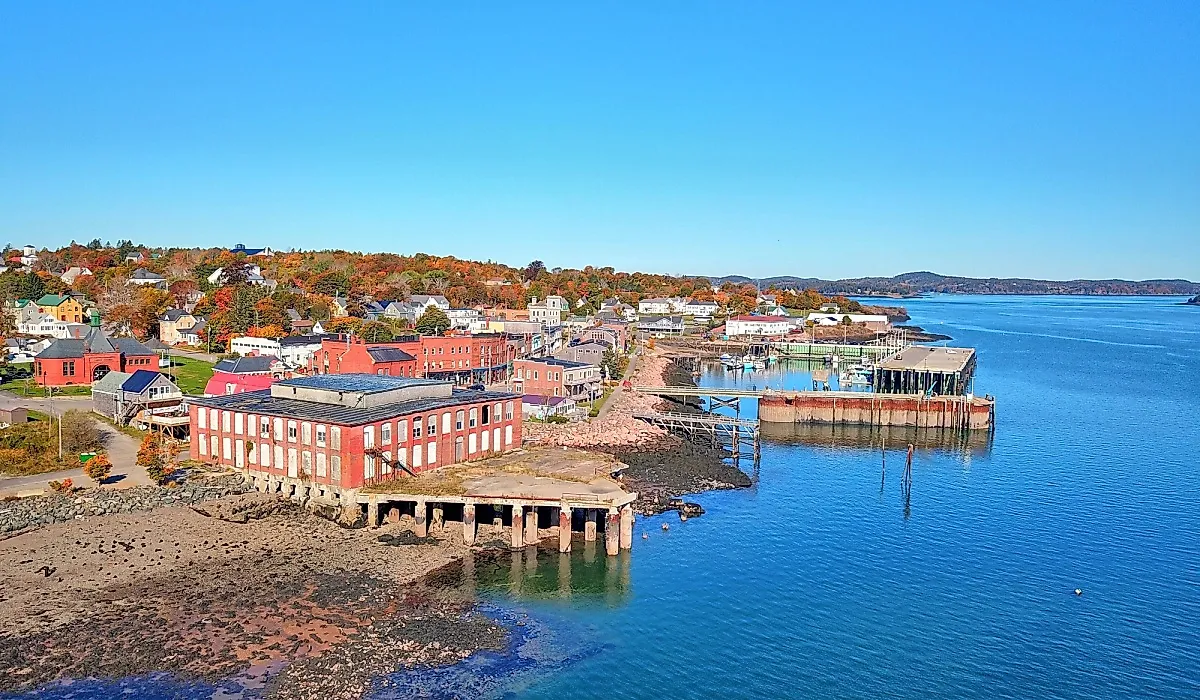
Milbridge
Milbridge is a coastal town of about 1,300 residents along the Narraguagus River, which meets the saltwater bay of the same name. The town maintains a working waterfront, with a long-established fishing industry central to its economy. It has also been called the blueberry capital of Maine because of its extensive barrens, the tracts of soil where wild blueberries grow.
Milbridge is often seen as underrated, with a smaller tourist presence and less crowding than nearby coastal towns such as Bar Harbor. Although not a major summer destination, the town experiences four distinct seasons and has a calm New England character suited to visitors who prefer a quieter setting. Notable stops include the edible gardens at Millbridge Commons Wellness Park, a community-run space where produce is free to use. Visitors can also take a peaceful kayak trip around islands within the Maine Coastal Islands National Wildlife Refuge or enjoy fresh lobster rolls at Chipman's Wharf.
Farmington

Farmington, near the Longfellow Mountains, a range of the Appalachians in west-central Maine, is a relaxed college town and home to a branch of the University of Maine. It sits in an underrated part of the state, with access to both the mountain and lakes regions. The town suits all four seasons and is especially striking in the fall.

Locals often point to Titcomb Mountain for skiing, with trails suited to a range of skill levels. Many of these same routes can be used for mountain biking in summer. After a day outdoors, Homestead Kitchen and Bar serves filling New England pub food, while The Downtown Press provides hearty sandwiches in a quieter setting.
Harpswell

Harpswell, in Maine’s Midcoast region, has more than 200 miles of shoreline across its main peninsula and the many small islands that form part of the town. Only about 5,000 people live there year-round, and it remains less visited than many nearby coastal areas despite its notable scenery. The town is known for views of the water, as well as historical sites and architectural structures dating to the 1750s.
Several nature preserves sit in and around Harpswell, giving visitors access to local wildlife and coastal landscapes. Stover’s Point Preserve is reached only on foot, and its rocky shoreline has wide views of the bay. Potts Point Preserve includes a path that is wheelchair accessible, making it an easy option for a short outing. Harpswell’s well-known Cliff Trail, a two-mile route that climbs to a high point above the ocean, is a more difficult walk but remains one of the town’s most recognized outdoor areas.
Rockland

Rockland is a small harbor city on Penobscot Bay in southern Maine. Home to about 7,000 residents, it is known for its historic downtown, broad bay views, and active waterfront tied to a long-running lobster industry. The city also hosts the annual Maine Lobster Festival, which draws a seasonal crowd, yet Rockland is still often overlooked in favor of larger coastal destinations such as Bar Harbor and Ogunquit.

The city has a steady arts presence, with several established museums. The Farnsworth Art Museum houses a significant collection of American works, including rotating exhibits. The Center for Maine Contemporary Art focuses on artists with ties to the state and maintains a modern exhibition space. Rockland is also home to the Coastal Children’s Museum, which features interactive displays related to art, history, and science.
Boothbay Harbor

Boothbay Harbor is a small coastal town of about 2,000 residents on a peninsula along the Gulf of Maine. It appeals to travelers who prefer a quieter oceanfront setting, with access to seafood, small inns with water views, and family-friendly activities that tend to be less crowded than in larger coastal towns.

Visitors often attend classical music performances at the Opera House at Boothbay Harbor, a long-standing community venue. The Maine State Aquarium is another well-known stop, with touch tanks that draw younger visitors. Boat trips for whale-watching also run from the harbor during warmer months. The town is home to the Coastal Maine Botanical Gardens, the largest botanical garden in the state at nearly 300 acres. Its grounds include wooded paths, themed plantings, and a mile of tidal shoreline.
Hallowell

Hallowell is an inland city along the Kennebec River, a short distance from Maine’s Midcoast region. It played an important role as a river port and was once a major source of granite for the state. Today, Hallowell has a compact downtown with antique shops, small restaurants serving varied cuisine, and music venues in restored historic buildings. The city is often passed over in favor of coastal destinations, yet it retains a steady character shaped by its long history.

The Gaslight Theater, considered Maine’s oldest continuously operating community theater, stages community productions throughout the year. Those interested in antiques can visit the Hallowell Antique Mall, a large complex with many independent sellers. For a meal, Slate’s Restaurant and Bakery serves a rotating selection of dishes in a bistro-style setting, while The Liberal Cup prepares straightforward pub fare in a casual environment.
Eastport

Eastport is the easternmost city in the continental United States and sits on Moose Island, one of Maine’s many small islands. The island is bordered by Passamaquoddy Bay and Cobscook Bay, creating steady views of open water around Eastport and its neighboring towns.

At the Eastport Breakwater Pier, visitors can rent a boat for whale-watching, though sightings are sometimes possible from the pier itself. For quieter views, Shackford Head State Park covers 87 acres on the island. The park has trails that pass between Cobscook Bay and Broad Cove, giving walkers access to both shorelines. Once a year, Eastport hosts the Eastport Pirate Festival downtown, a community event that brings residents and visitors together.
Orono

Orono, a college town beside the Penobscot River in east-central Maine, is home to the University of Maine. Its close proximity to Bangor means it is often passed over by travelers, yet Orono has its own steady character shaped by its natural surroundings. The area includes bogs with distinctive plant life and wildlife, which can be seen more closely on the Orono Bog Boardwalk. This raised trail extends 4,800 feet through the landscape and is one of the town’s most recognized outdoor features.
Orono also has a well-attended farmers’ market that brings together local produce, prepared foods, and visiting food trucks during the warmer months. The town’s two breweries, Black Bear Brewery and Orono Brewing Company, are popular stops for those interested in regional beer and small taproom settings.
Casco

Casco sits in Maine’s Sebago Lakes Region in the southwestern part of the state, an area centered on Sebago Lake, the deepest lake in Maine. The region contains more than 50 lakes and is close to both the White Mountains and the Atlantic Coast. With these varied landscapes, Casco remains well known to residents of the state but is still quieter than many larger destinations.
Sebago Lake State Park is a common stop for camping, fishing, swimming, and horseback riding. Nearby Pleasant Lake is known for its calm and clear water and is an easy place for short, quiet outings. Those interested in golf can spend time at Point Sebago Golf Resort. Families with younger travelers often look to Point Sebago Resort, which offers cabin stays, snowy lakeside trails, and kid-friendly winter activities.
Waterville

Waterville is a central Maine city along the Kennebec River with a population of about 15,000. It has a small-town feel shaped by different phases of local history, including an industrial period, a later focus on the arts, and ongoing downtown redevelopment supported by a growing food scene. Although Waterville is not often listed among Maine’s major tourist destinations, it remains a steady regional center with a mix of community institutions.

Marden’s, an independently owned bargain store, is a common stop for both residents and visitors seeking varied merchandise. The Proper Pig is known for barbecue and is one of the city’s most referenced dining spots. For arts-related activities, the Colby College Museum of Art has hands-on exhibits connected to American art and serves as a teaching museum for the college. The Waterville Opera House holds concerts and stage productions in a historic downtown venue.
How These Maine Towns Stand Out
These towns range from island communities like Harpswell to riverfront places such as Hallowell and mountain settings near Farmington. Each is surrounded by steady natural scenery and has a small downtown core shaped by local traditions and regional food. They remain quieter than major tourist centers yet reflect the character of Maine’s smaller communities. For travelers interested in slower settings and local history, these towns show a different side of the state.