The English Port City That Built Ocean Liners and Concordes
Bristol grew rich on industries centered around water and air transportation. Located inland on the River Avon with a tidal route out to the Bristol Channel, that geography made it one of England's most important ports. Ships left here for the New World, Isambard Kingdom Brunel designed two of his best-known engineering marvels here, and the century-old aircraft industry at Filton later gave the city Concorde. Over several memorable days, I walked around sprawling Bristol Harbour, took a wrong turn and climbed the hard way to the Clifton Suspension Bridge, and finished up aboard a supersonic airliner. Here's how you can retrace my steps and explore what was once one of England's most innovative engineering hubs.
Bristol Harbour

Bristol's working port has been given over to leisure without losing any of its history. Opened in 1809, it holds the water at a constant level while the tidal River Avon is diverted around it through the New Cut. Exploring the surrounding quays end to end takes a couple of hours at an unhurried pace and provides a fascinating insight into this immensely walkable city.
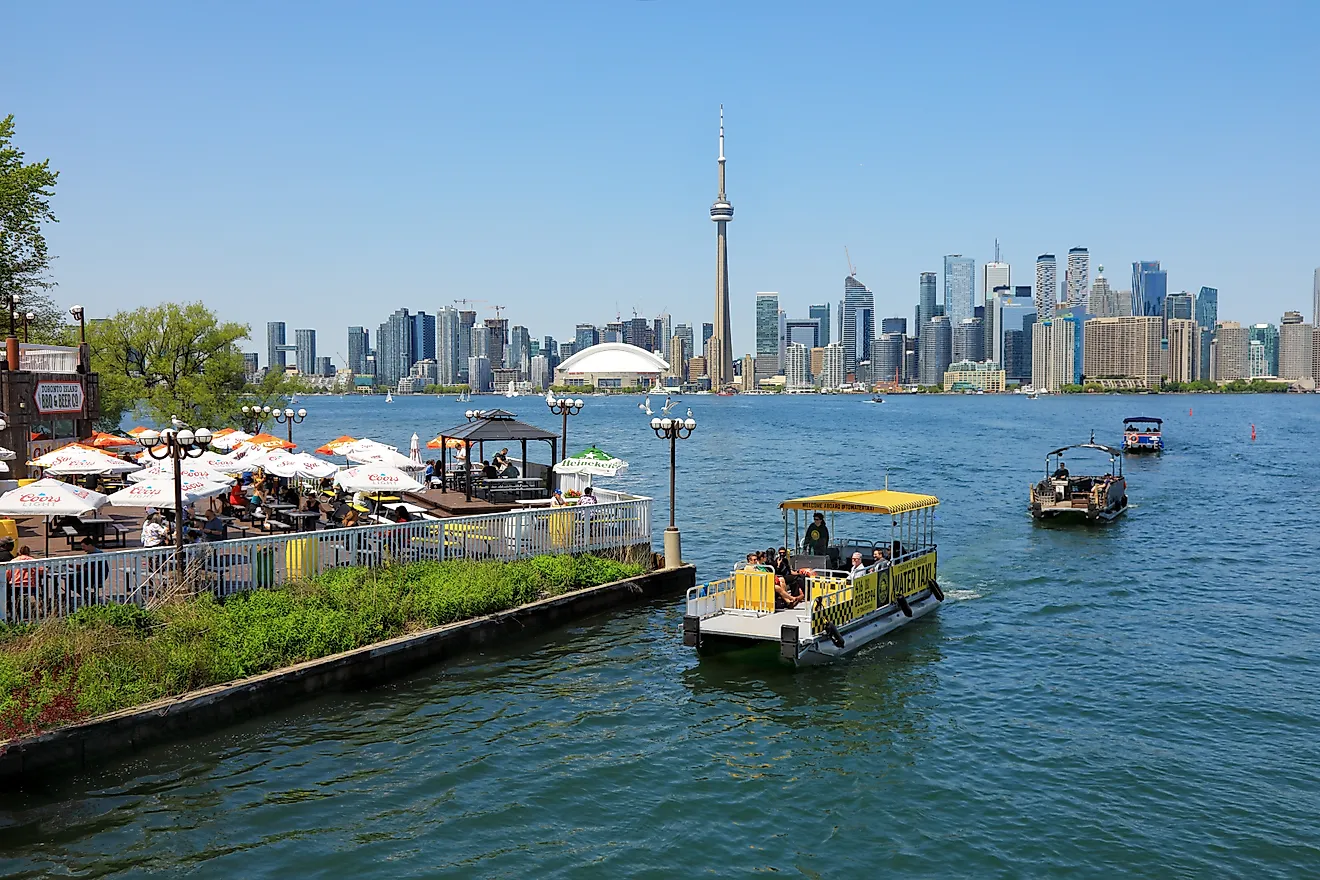
Bristol Ferry is a fun way to get around and runs as a community benefit society. Its blue and yellow boats serve seven landing stages, with the waterbus operating daily from April to September. Just wave it down as you would a bus, pay once aboard, and enjoy seeing some of the city's best attractions from the water.

These include the Arnolfini, the city's contemporary art gallery, which occupies a converted 19th-century warehouse on Narrow Quay (entry is free). A short walk west, We The Curious boasts two floors of hands-on exhibits plus the UK's only 3D planetarium. Bristol Aquarium is a must-do if you've brought the kids with you, and features more than 40 themed displays and an underwater observation tunnel.
Because there's no tide to fight, the harbour is popular among kayakers, paddleboarders, and rowing clubs, and the water is busier with small craft than with anything commercial. The south side, around Wapping Wharf, has filled in with independent food and retail units and makes a sensible place to pause as you take it all in.
Bristol Dockyards and SS Great Britain

The star of the show here, though, is Brunel's SS Great Britain. Back home in the Great Western Dock where she was built and launched in 1843, this magnificent vessel was the first iron-hulled, screw-propelled ship to cross the Atlantic and is considered the world's first major ocean liner.
She carried emigrants to Australia for three decades before being converted to sail in 1881 and retired to the Falkland Islands three years later, where she was used as a warehouse, quarantine ship, and coal hulk until she was scuttled in 1937. She lay abandoned for 33 years before the salvage operation brought her home to Bristol in 1970.

Now restored to her former glory, the ship stands in her original Grade II listed dry dock, appearing to float on water thanks to the sealed glass plate set at the waterline. Beneath it, two dehumidifiers circulate dry air across the 322-foot iron hull, holding the relative humidity at a level comparable to the Arizona Desert. Best of all, you can walk down beneath the glass for a close look at the hull and at the screw propeller that made her famous.
The new SS Great Britain Experience tells the vessel's story, with galleries covering the crews who built her, the migrants she carried to Australia, and her service as a troop carrier during the Crimean War and the Indian Rebellion of 1857. Being Brunel, set in the engineer's former dock office, holds 150 of his belongings in six galleries, while the Brunel Institute next door houses the David MacGregor Library.
M Shed and the Bristol Harbour Railway

You'll pass M Shed as you make your way to the SS Great Britain. Occupying a 1950s dockside transit shed on Prince's Wharf, this free attraction tells the city's story through its places, its people and its working life, mixing permanent displays with rotating temporary shows.
Four electric cranes from 1951 stand along the same quay, three of them still working. Built in 1878 and in regular use until 1973, the old Fairbairn steam crane lifted loads of up to 35 tons and still operates today. The museum opens the cranes up to the public on select days.

The Bristol Harbour Railway runs along the quayside on selected weekends, with the steam locomotive Henbury, built by Peckett and Sons of Bristol, hauling passengers between M Shed and the SS Great Britain. Three heritage vessels operate alongside it. John King is the diesel tug that towed the SS Great Britain on her return to Bristol, Pyronaut is a fire float that worked the harbour during the Blitz of World War II, and the Mayflower is a steam-powered tugboat built in 1861.
The museum even offers short one-to-one sessions in which visitors take the controls of the railway's steam engine, as well as one of the electric cranes, with a certificate proving you did so. These unique experiences depend on volunteer crews being available, so check the M Shed's schedule for availability.
Clifton Suspension Bridge and Observatory

The Clifton Suspension Bridge is undoubtedly one of Brunel's finest accomplishments. Finished in 1864 just five years after his death, this remarkable structure's main span measures 702 feet between the towers, while its deck carries traffic 245 feet above high water on the River Avon.
Crossing on foot is free, with a £1 toll for vehicles, and the free-entry Visitor Centre on the Leigh Woods side tells the bridge's story. Volunteer guides run free tours starting at the toll house on the Bristol side. The Trust also runs hard-hat tours into the vaults, 12 chambers built under the Leigh Woods abutment that were only recently discovered.

There's a harder way up to the bridge than the road. After following the River Avon toward the bridge, in the process missing the gentler route through Clifton Village, I found the only way up was via the aptly named Zig Zag. This steep switchback path climbs the cliff face from Hotwells to Clifton, and was the original route between the two, laid out in that serpentine shape so horses could manage a gradient they could not otherwise have climbed. Surfaced and wooded, it emerges just close to the bridge. It's a slog, but worth it for the experience.
A short climb up Observatory Hill brings you to Clifton Observatory, built originally as a corn windmill in 1766 and later converted to grinding snuff. Taken over in 1828 by the artist William West, telescopes and a camera obscura were installed in the tower. The camera obscura, one of only a few in the country that still works, projects a live view of the gorge. There are also a café and a small museum in the tower.

West began cutting a tunnel through the rock in 1835, opening it to the public in 1837. The 200-foot-long passage drops 130 steps to a balcony opening 250 feet above the floor of the gorge and 90 feet below the clifftop. Hard hats are handed out at the entrance and are worth wearing. Peregrine falcons nest in the gorge, and I was lucky enough to spot one from the same viewpoint.
Aerospace Bristol

Filton was the scene of a booming aircraft industry for more than a century, and Aerospace Bristol tells that story. This world-class museum holds more than 8,000 artifacts, from replica Bristol Boxkite and Bristol Scout biplanes to a Bolingbroke bomber (the Canadian-built version of the Bristol Blenheim), a Sea Harrier, and a Sycamore helicopter. It also features large collections of engines, missiles and satellite hardware in two Grade II listed hangars from the First World War.
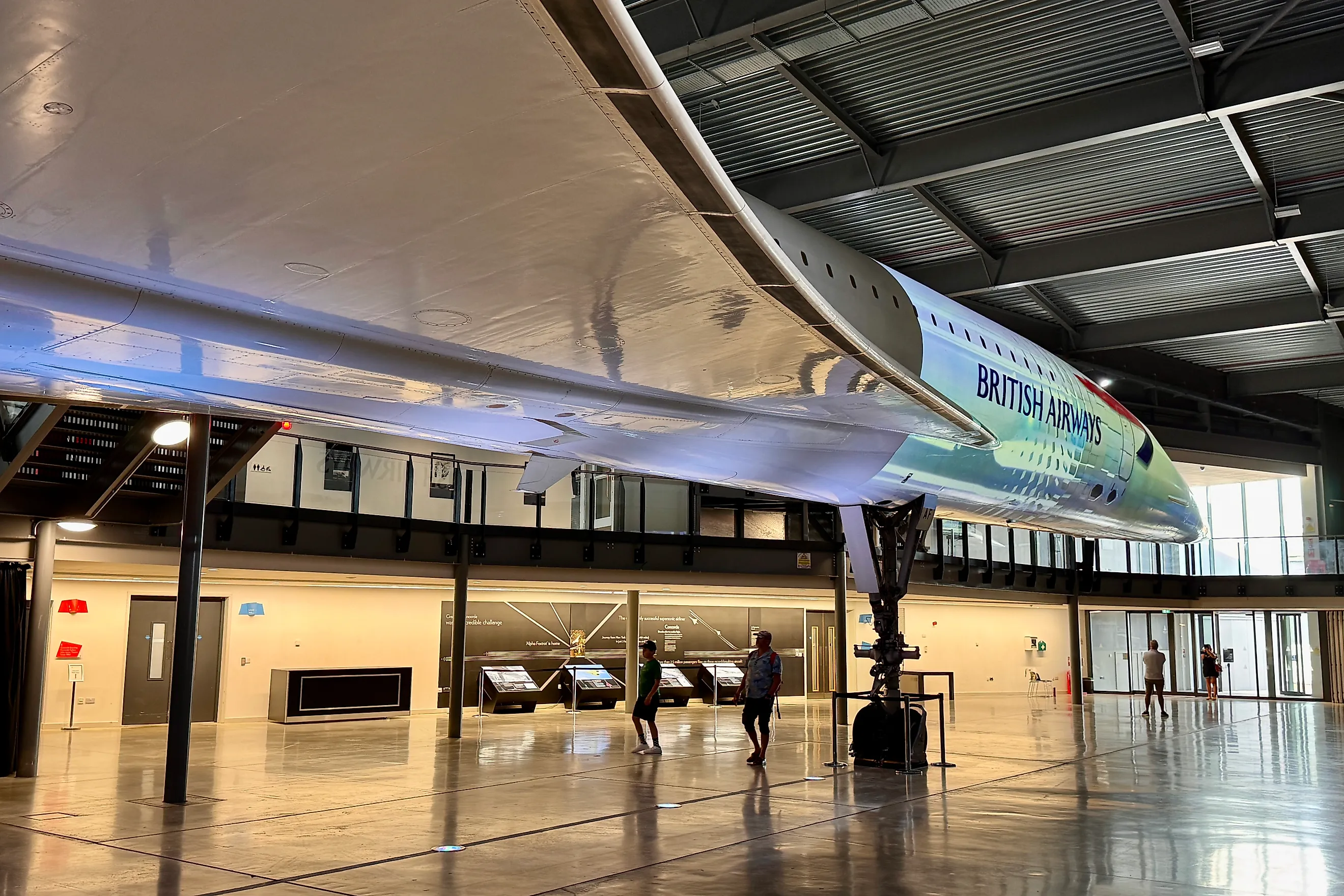
The reason I came to visit, however, was parked in a purpose-built hangar at the end of the property. In it stands Concorde Alpha Foxtrot, registration G-BOAF, the last Concorde built, and the last to fly, landing at Filton in November 2003 in front of crowds lining the airfield. My father had flown on one of these sleek supersonic aircraft back in the late 1980s, and I never grew tired of his telling of the experience.

Start, as I did, with a stroll around the underside of the aircraft, and pay attention to the projection show thrown onto its fuselage. The plane makes for a perfect backdrop for the display, which details its history in a compelling way. Better still, grab a coffee and sweet treat from the café, pull up a chair, and sit awhile as the story unfolds.
When you're ready, a flight of stairs leads up for a look inside, including the flight deck and the cramped (yet plush) cabin. Seeing this for myself, I now know why Dad so loved reliving his Concorde adventure.
Where To Stay In Bristol

Staying on or near the water cuts most of this itinerary down to a short walk. The Bristol, part of the Doyle Collection, stands on the quayside with the Arnolfini next door and the SS Great Britain a 15-minute waterside stroll away. A few streets inland, Harbour Hotel Bristol occupies two former banking halls on Corn Street, one of them designed in imitation of a 16th-century Venetian library, and its spa is built into the old bank vaults with the original safe doors still in place. St Nicholas Market and the cathedral are both minutes away on foot.
Overlooking the Avon Gorge, Avon Gorge by Hotel du Vin has great views of the Clifton Suspension Bridge from its terrace. Number Thirty-Eight Clifton is quieter still. A bay-fronted Georgian merchant's house, it looks out over Durdham Down at the front and the city rooftops at the back.
Mollie's Motel Bristol works best as a base for the northern edge of the city and is close to both The Mall at Cribbs Causeway and Aerospace Bristol. The rooms are finished in warm wood, and its American-style diner next door handles breakfast through to dinner. Parking is free and plentiful, and despite its proximity to the M5, the rooms are notably quiet.
A City Built on Engineering Ingenuity
Bristol is an immensely walkable city and does a tremendous job of showcasing its rich seafaring and aviation history. Boasting an iconic ocean liner as well as a bridge that's still the envy of the world, it's a story of engineering and manufacturing marvels that carried on into the age of supersonic jets. Whether you're here for a few hours or a few days, Bristol Dockyards and Aerospace Bristol make for an eye-opening display of British ingenuity. Check out the Visit Bristol website at visitbristol.co.uk before you travel for additional ideas and inspiration.