Why Bears Avoid Some State Parks Entirely
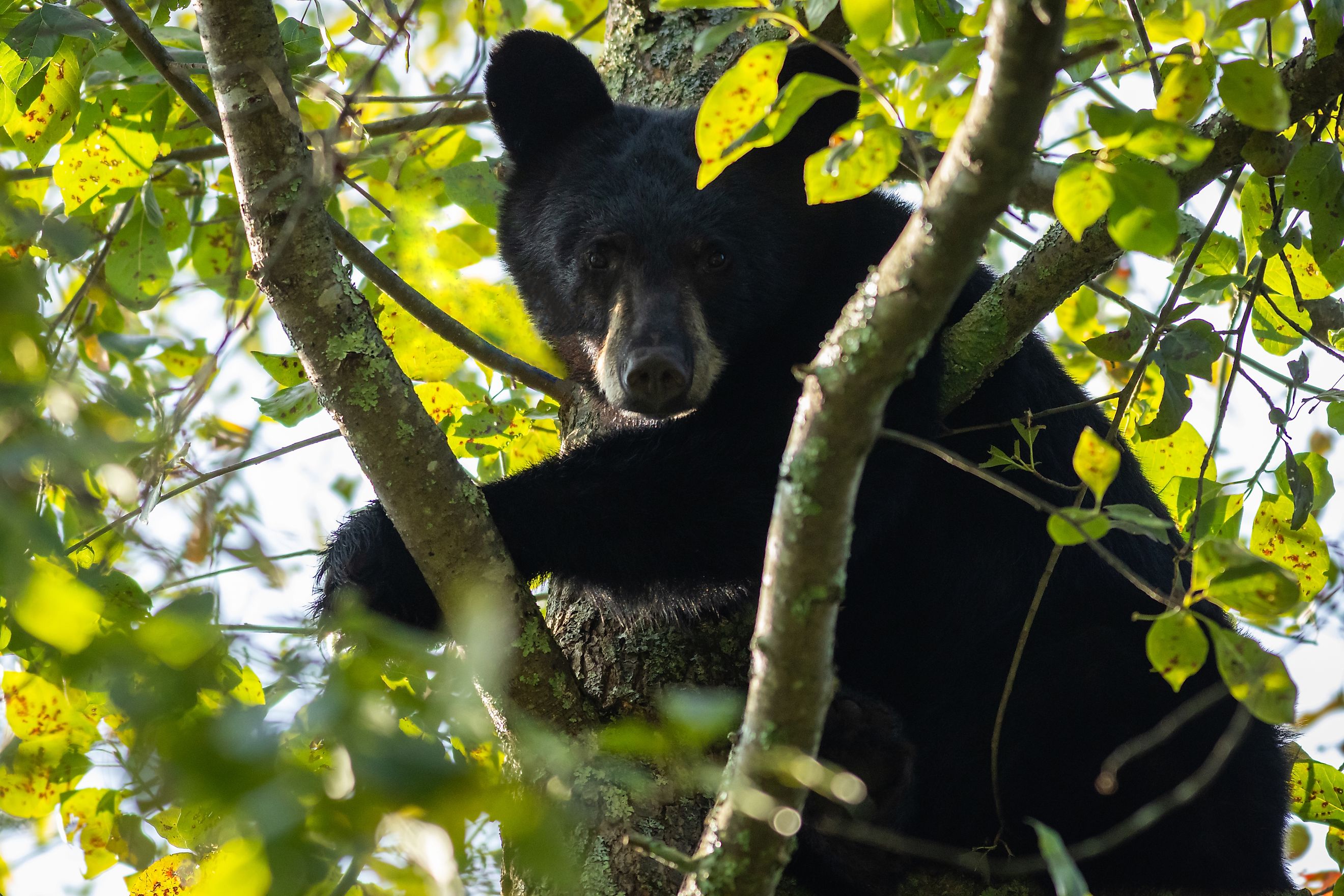
Brown County State Park sprawls across nearly 16,000 acres of Indiana oak-hickory forest, ridge after wooded ridge that looks like ideal black bear country. No black bears (Ursus americanus) live there. They were gone from the state by about 1850, and the forest grew back long before any breeding population could return. That gap between good habitat and actual bears turns up again and again across the country, and the reasons rarely have much to do with how many trees a park holds. Sometimes the nearest breeding females are simply too far away. Sometimes the land cannot feed a bear through the year. Sometimes a highway cuts across every safe approach, or hundreds of miles of open water make the crossing impossible.
The Park Lies Outside The Current Bear Range

Brown County State Park looks like obvious black bear country. Nearly 16,000 acres hold wooded ridges, ravines, and broad stretches of oak-hickory forest. Indiana has no resident black bear population. The Indiana Department of Natural Resources says bears disappeared from the state by about 1850. Habitat loss and unregulated hunting drove that decline. Only four individual bears were confirmed statewide between 2015 and 2021.
A young male can wander into Indiana from a neighboring population, then leave again without finding a mate. Breeding females spread much more slowly across new territory. Forest recovery can outpace bear recovery by many decades. Brown County now has mature woods, streams, mast-producing trees, and heavy cover. No established population occupies the park. Hikers can spend a weekend deep in southern Indiana forest, with black bears remaining only occasional statewide visitors.
There Is Not Enough Food And Cover
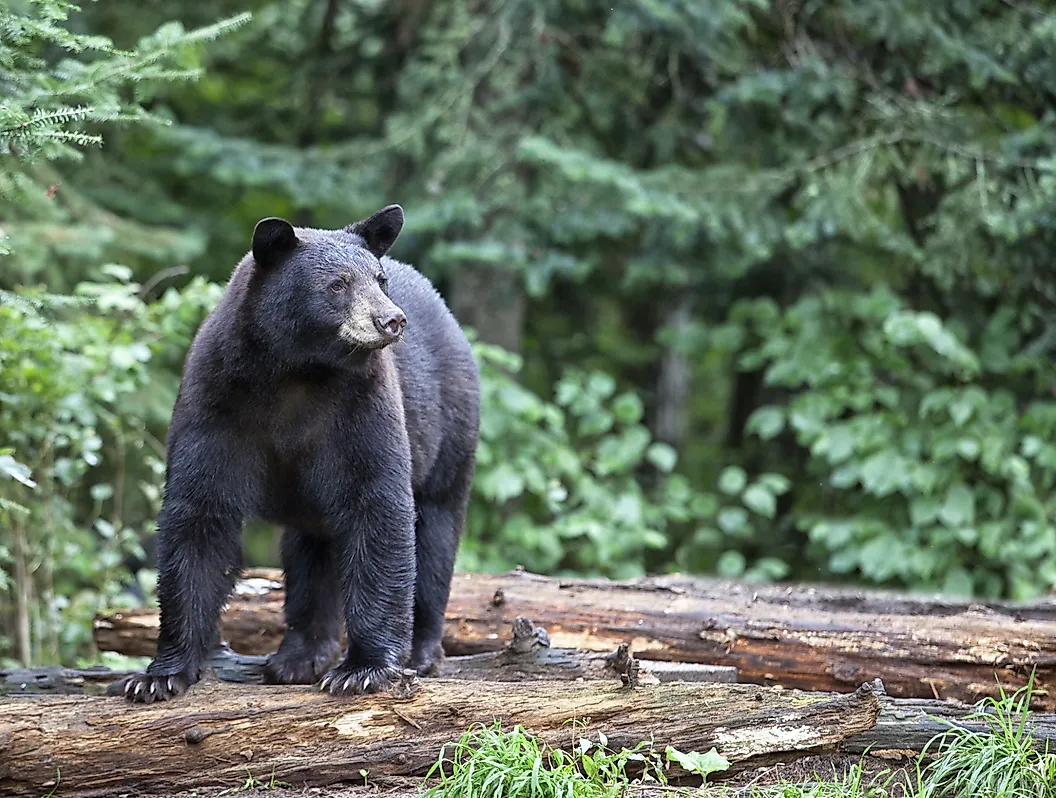
Black bears need dependable food through several seasons, and some parks never produce enough of it. Minnesota wildlife officials describe spring diets rich in grasses and other vegetation. In summer, bears turn to insects and berries. Autumn foods include acorns and hazelnuts, which help bears build fat before denning. In dense forest and swamp cover, they find sheltered places to rest and travel. California wildlife biologists report high densities in montane hardwood, chaparral, and mixed-conifer habitat with varied forage. Dunes, salt flats, thin scrub, and heavily altered shoreline can support rich wildlife communities without offering the same food supply. Shorebirds, reptiles, rabbits, or coyotes may thrive where mast crops are scarce and berry patches are limited. Open ground also has fewer protected den sites and less escape cover. Plenty can be happening along the trail without enough year-round forage for resident bears.
Extreme Desert Conditions Push Bears To Their Limits

Valley of Fire State Park in Nevada has a climate severe even by Southwestern standards. Nevada State Parks reports about four inches of precipitation in an average year. Summer temperatures commonly pass 100 degrees Fahrenheit and can approach 120. Creosote, burro bush, brittlebush, and cactus grow across broad exposed areas.
Nevada's resident black bears are concentrated mainly around the Sierra Nevada and Lake Tahoe. Those mountains have cooler elevations, forest cover, streams, and much richer seasonal forage. Valley of Fire lies well beyond that core population.
Deserts elsewhere do hold black bears. Texas Parks and Wildlife documents them in desert scrub within the mountainous Trans-Pecos. Higher terrain, water sources, and connected habitat occur there. Valley of Fire has intense heat, very low rainfall, sparse shade, limited forage, and long separation from Nevada's main bear range. Its red sandstone valleys are instead home to animals adapted to some of the driest conditions in the state.
Shrub-Steppe Creates A Gap In Bear Country

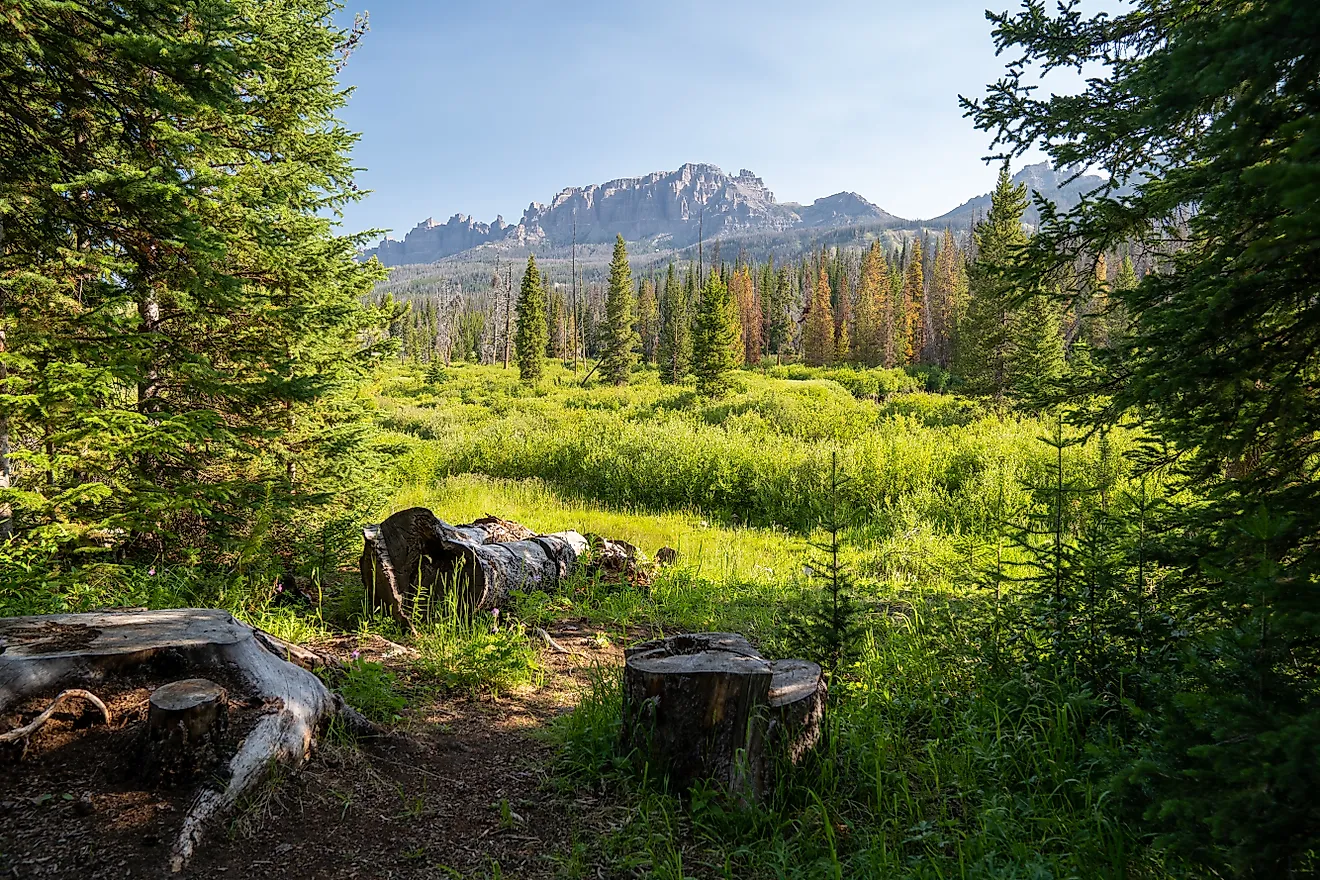
Washington offers an unusually clear range gap. The Washington Department of Fish and Wildlife says black bears occupy nearly all forested parts of the state. The arid Columbia Basin is a major exception. Sagebrush, grasses, exposed soils, and scattered woody cover dominate much of its shrub-steppe. Sun Lakes-Dry Falls State Park lies inside this basin, among coulees, cliffs, lakes, and open country carved by Ice Age floods. Washington State Parks identifies the surrounding habitat as shrub-steppe, far removed from the wetter forests of the Cascades and northeastern mountains. Across large stretches of the basin, shade, mast, berries, and secure woody cover become much less dependable. Washington's mountain forests support abundant black bears. The Columbia Basin remains one of the state's broadest areas without a resident population.
The Park Is Too Small For A Bear's Whole Range

A state park with excellent bear habitat may cover only a small fraction of an animal's territory. National Park Service data put female black bear home ranges at roughly 2 to 45 square miles. Male ranges in western populations can span about 6 to 124 square miles.
Shenandoah studies have recorded males using even larger areas, with some ranges approaching 300 square miles. Those animals regularly crossed protected boundaries. A 2,000-acre park covers just over three square miles. Adjoining state forest, national forest, or private woodland can extend feeding and denning areas far beyond the official acreage. Where subdivisions and cropland surround a similar-sized park, that usable space is much smaller. Food patches also shift with the seasons. Bears move among mast, berries, water, cover, and denning areas throughout the year. A compact park surrounded by development may contain several miles of handsome forest and only a small portion of the territory an adult uses.
Roads And Development Can Cut Bears Off

Researchers in Georgia tracked 33 black bears and analyzed more than 35,000 GPS locations during a study of movement between isolated populations. The USGS team recorded greater use of routes near forests and woody wetlands. Bears generally avoided cropland, roads, and human development.
North Carolina research measured the road effect at another scale. A long-term USGS study found black bears generally avoided areas within about 800 meters of gravel roads. Even modest roads can introduce disturbance and break up secure cover.
Across continuous woodland, a dispersing bear has several covered approaches to a park. Highways, subdivisions, and large fields require longer stretches across exposed ground. Vehicle collision risk also rises along developed corridors. The Georgia researchers were specifically searching for routes capable of reconnecting isolated black bear populations. Dense trees inside a park cannot supply that connection when the surrounding route has been broken into roads, lawns, and open fields.
Historical Extermination Still Shapes Today's Parks
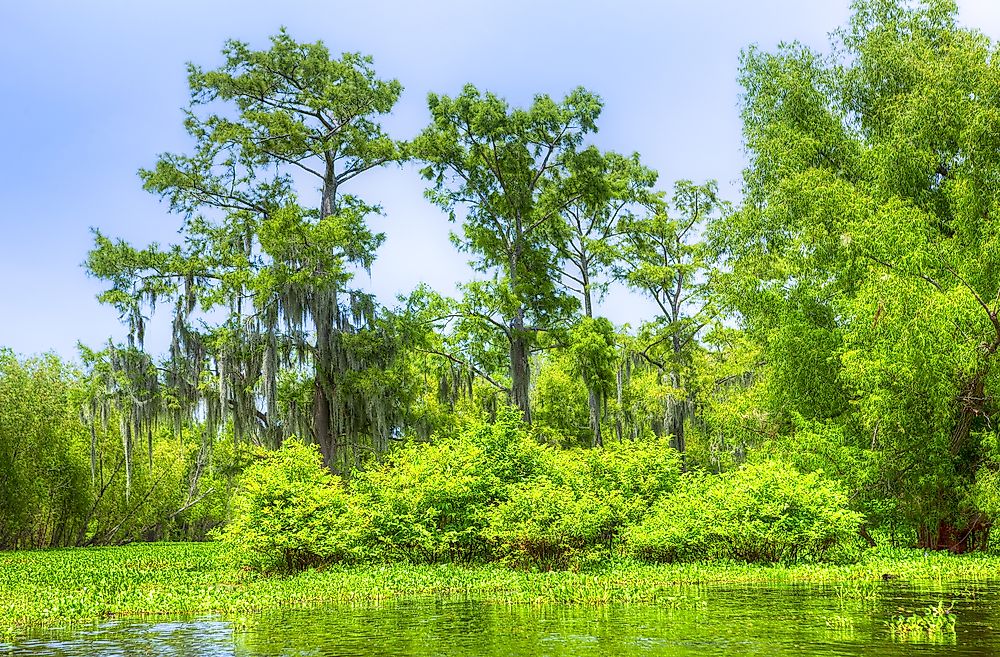
Parts of the Midwest regained substantial forest after black bears had already vanished. Indiana says unregulated hunting and habitat loss eliminated bears by about 1850. Iowa also lost its resident population during settlement, when woodland conversion and killing removed large mammals across much of the state. Many wooded areas later recovered without an equally fast return of bears. USGS reintroduction research has found suitable habitat in places where geographic isolation prevented natural recolonization. Mature state parks can now contain oak mast, streams, dense understory, and denning cover many miles from breeding populations. The delay can last for generations because black bears reproduce slowly and females usually disperse shorter distances than males. Indiana has recorded a handful of wandering bears in recent years. A resident population has yet to reestablish there.
Female Bears Expand Into New Territory Slowly

Young male black bears can travel far beyond established range. Females usually stay much closer to where they were born. A U.S. Forest Service synthesis found that more than 95 percent of subadult females in several studies settled within their mothers' home ranges. Expansion along a population edge can move slowly when most future mothers remain nearby.
Illinois wildlife researchers have cited the same pattern when discussing occasional bears in a state without an established population. A young male may cross many miles of farmland and forest, appear near a park, then continue moving.
One confirmed bear can make local news without producing cubs the following spring. A breeding population requires females to reach the area and remain there. Where the nearest females live many miles away, roaming males may start appearing years before permanent recolonization.
Some Habitat Supports Adults But Few Cubs

Nevada researchers found a sharp reproductive gap between Great Basin piñon-juniper woodland and Sierra Nevada mixed-conifer forest. In comparable habitat patches, estimated adult black bear occupancy was about 0.39 in the Great Basin. The Sierra Nevada estimate was approximately 1.0. Cub occupancy, given adult presence, was about 0.32 in the Great Basin and 0.92 in the Sierra Nevada. An adult can use country where family groups rarely become established. Females with cubs need dependable forage, water, shelter, and secure space through a demanding stage of the life cycle. Dry years or weak mast crops can tighten those limits further. A track, scat pile, or trail-camera image near the edge of bear range records an animal's presence. Repeated use by females and the appearance of cubs across multiple years provide much stronger evidence of a resident population.
Ocean Isolation Can Keep Bears Out Completely

Hawaiian state parks sit behind an unusually complete geographic barrier. Hawaiʻi's Division of State Parks notes that the islands have no native terrestrial mammals except the Hawaiian hoary bat. Bears never reached the archipelago naturally.
Waimea Canyon State Park has wooded uplands, steep slopes, streams, and cooler higher elevations. Those features sit thousands of miles from continental bear populations. Black bears can swim, making many mainland island parks reachable across short channels. Hawaiʻi lies far beyond such crossings.
Native Hawaiian forests developed without bears, deer, raccoons, and most other mainland mammals. Isolation shaped those ecosystems long before modern state parks existed. A hike along Waimea Canyon's forested rim can pass thick vegetation and wet uplands without entering natural bear range anywhere on the route.
Grizzlies Occupy Only A Fraction Of Their Former Range
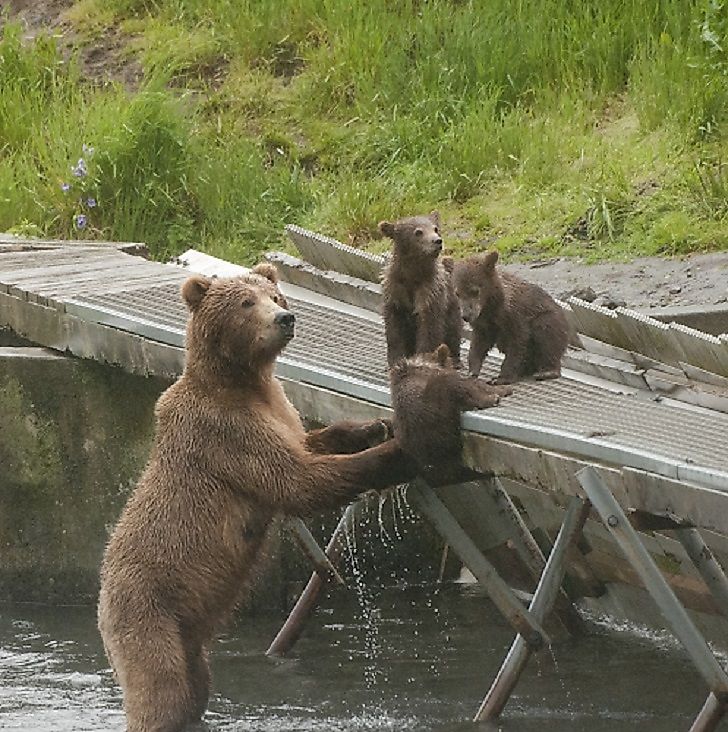
Grizzly bears once occupied a far larger share of the western United States. By the 1930s, the U.S. Fish and Wildlife Service estimates they had been reduced to about 2 percent of their former Lower 48 range. Established populations are now concentrated in a few northern Rocky Mountain ecosystems.
Major strongholds include Greater Yellowstone, the Northern Continental Divide, Cabinet-Yaak, and Selkirk areas. Individual grizzlies sometimes travel beyond those zones. Breeding populations remain geographically limited. Many western state parks contain forests, berries, streams, elk, and rugged terrain far from resident grizzlies. Black bears occupy much more of the West because their present distribution is considerably broader. Historical killing left surviving grizzly populations widely separated, and recovery has expanded outward from those remaining cores. Large portions of former grizzly country have no established population today.
Heavy Human Activity Changes Bear Movement

Heavy human use changes where bears travel inside and around parks, especially where roads and development narrow secure routes. Tracking studies have recorded avoidance of busy corridors and heavily modified landscapes. Some bears shift activity toward quieter hours or thicker cover near developed areas. Large visitor numbers occur in several parks with healthy bear populations. Yellowstone, Yosemite, and Shenandoah draw millions of visitors a year, and healthy bear populations persist in all three. Food left by people can even draw animals toward campgrounds and neighborhoods. California wildlife officials warn that unsecured garbage, pet food, birdseed, and similar attractants increase bear activity around development. Pressure becomes more restrictive in a small, isolated park bordered by housing and traffic. Secure approaches shrink, road crossings multiply, and surrounding habitat disappears. A busy campground deep inside continuous forest has far more surrounding space for bears than an equally busy park enclosed by urban development.
Reading A Park's Absence Of Bears
No single factor keeps bears out of a promising-looking park. Sometimes the limit is food, water, or den cover the ground never supplies. Sometimes it is distance: the nearest breeding females sit dozens of miles away, and the males who wander in leave before spring. Sometimes the barrier is older than the forest itself, a nineteenth-century extermination that the trees have outrun by generations. And on Kauaʻi or behind the cliffs of the Columbia Basin, the barrier is simply geography. What ties the cases together is the gap between habitat that looks right and habitat a population can actually hold. A dense, quiet trail can mean a park too small, too dry, too cut off, or too recently emptied to keep bears for good. The absence is not a flaw in the forest. It is a record of where bears can still make a living, and where they cannot yet return.