7 Snake Infested State Parks In Washington
Visiting state parks can be a wonderful experience. The 124 state parks in Washington alone draw almost 40 million visitors every year. Boasting over 400 miles of hiking trails, the spectacular views are offered in abundance. The unparalleled outdoor experiences are what harken the soul and convince regular people to sleep in a canvas tent or out under the stars with nothing but a fire to accompany them. There are, however, natural factors that can test one's bravery. The weather and raw elements can push you to your limits, but it's the creatures that sneak and slither that you need to be aware of. As anyone who's personally come into very close contact with a rattlesnake will tell you, it's an experience you won't soon forget. Listed below are some of the most renowned state parks in Washington State that may test your mettle and nerve.
Steamboat Rock State Park

Steamboat Rock State Park offers climbing rocks, campgrounds, boating, and other water sports, lush green lawns, and miles of trails for horses and hikers alike. Grab your hiking boots and make your way to the top of Steamboat Rock. You know you've reached the summit once you pass through a trail of columnar basalt rock. Exploration of a vast 600-acre area will reward you with grandiose views of Grand Coulee and the Okanogan-Wenatchee National Forest.

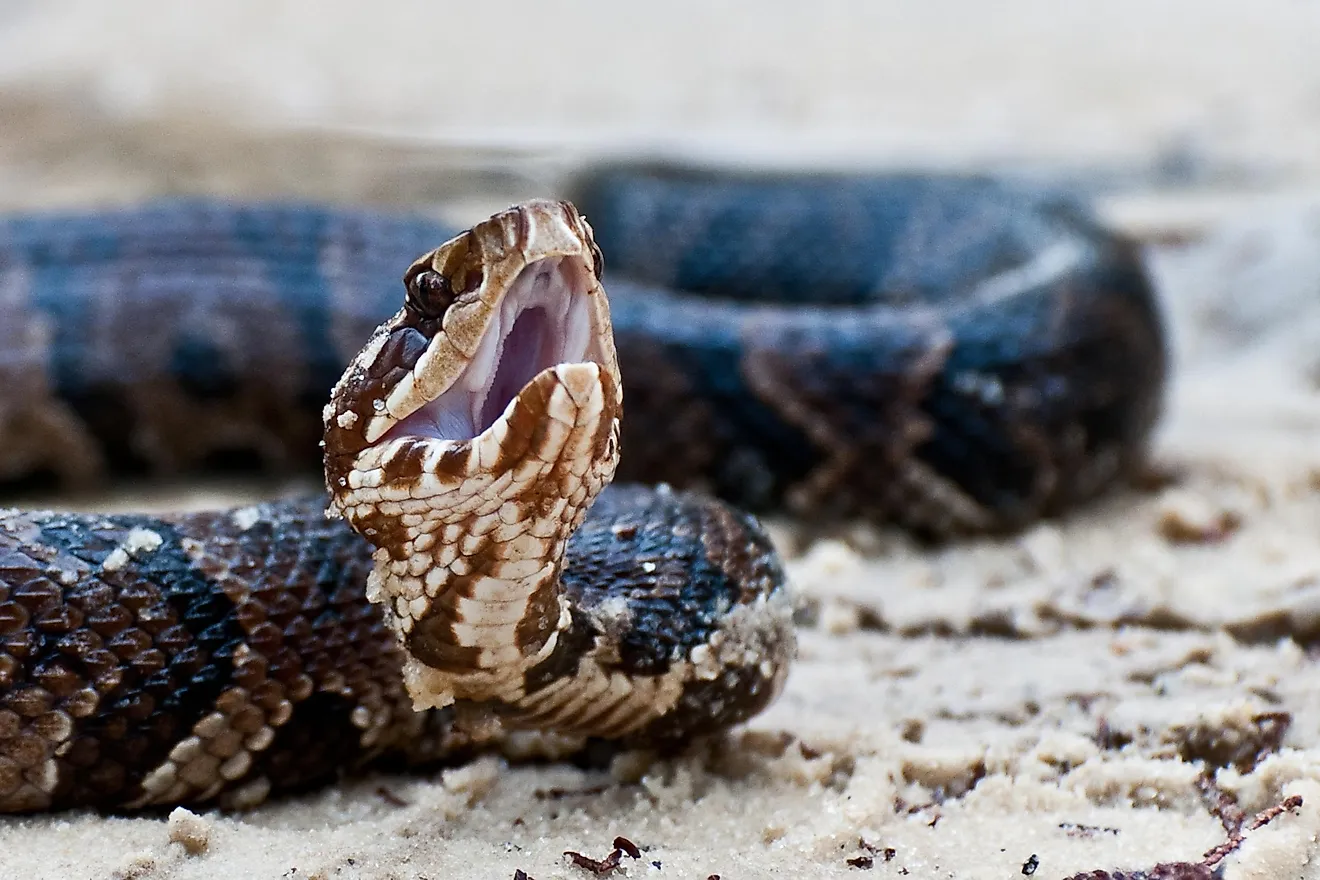
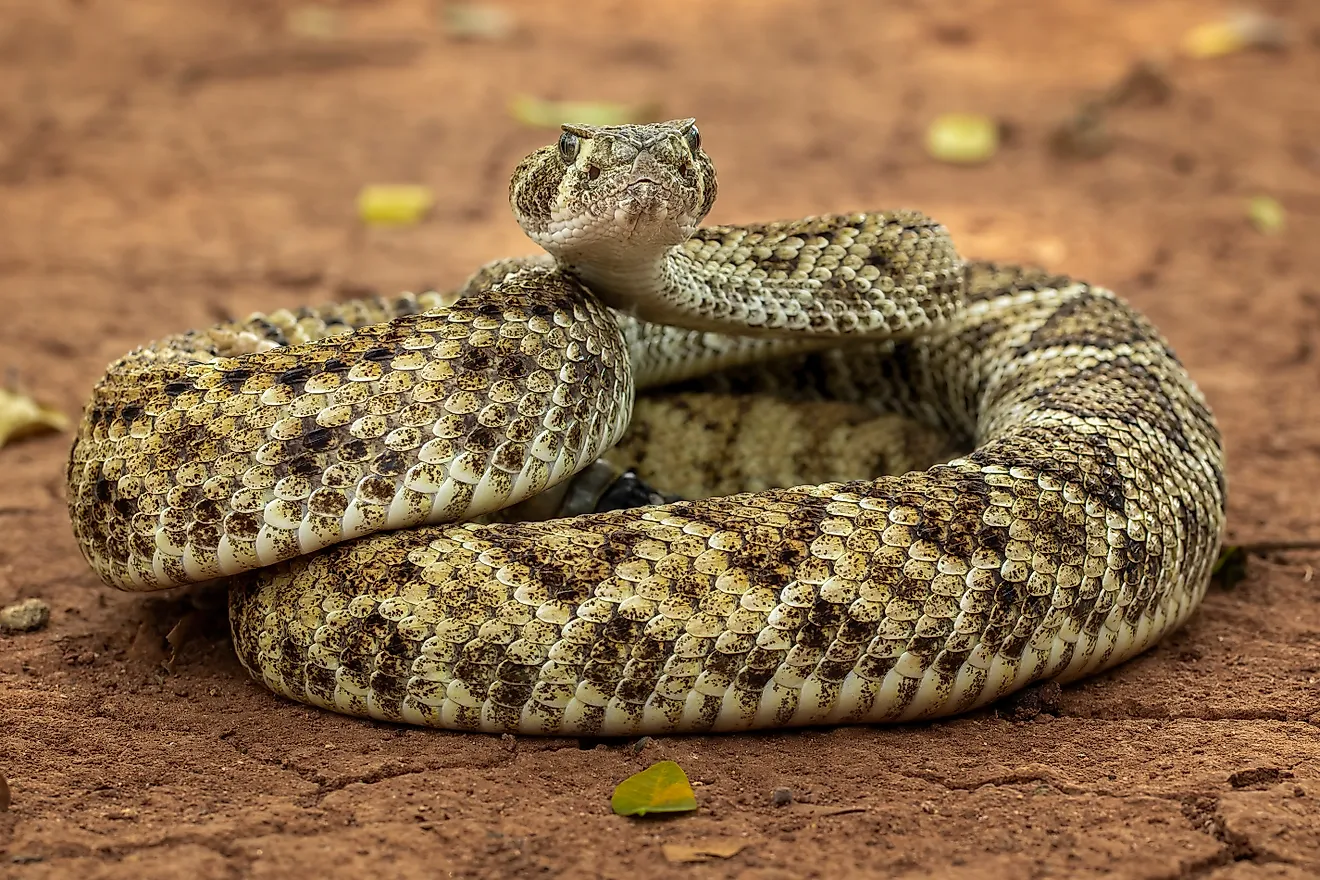
Steamboat Rock State Park, while known for its dramatic geology amidst a peaceful lakeside setting, hosts a variety of harmless ground-crawlers but is also a prime habitat for the Western Rattlesnake, or Northern Pacific Rattlesnake, Washington's most notorious venomous snake. Hikers are cautioned to take care and be aware of where they walk. If you spot one, either on the ground in front of you or in rocky, sunny areas, you're cautioned to leave them alone.
Palouse Falls State Park

At the base of a deep basalt gorge, you’ll find the breathtaking star attraction of Palouse Falls State Park. The 198-foot Palouse Falls is located just off of rural Hwy 261. A short hike down the rim and you'll find yourself on the shore of the bubbling Palouse Creek. A short drive down the road will bring you to Lyons Ferry State Park. There, you can swim, picnic, or cast your rod in hopes of snagging a steelhead or maybe even a salmon. Both species can be spotted as they clamber up the fish ladder at Little Goose Dam, nearby. All this can also be viewed from underneath, thanks to a series of underwater viewing windows.

This natural wonder is a magical place, while it's also known for its rattlesnake encounters. The most common culprit is the non-venomous snake, such as the large Bullsnake, which also frequents the area and is often mistaken for a rattler. Watch where you step, especially near the water's edge, and if you see a snake, give it space and do not disturb it!
Sun Lakes‑Dry Falls State Park

During the warmer months of March through October, it is essential to exercise caution when exploring this beautiful state park. The dry brush, which exists in abundance here, provides the perfect habitat in which rattlesnakes thrive. The Sharp-tailed Snake (Contia tenuis, as it's known in Latin) is one species you may find in the area, though their numbers have dwindled due to development and invasive species.

While bites from these creatures are rare, they do pose a risk. Visitors should watch for these venomous pit vipers, as they are often seen basking in the sun or hunting in rocky areas and desert scrub. They do prefer to flee, but will strike in their defence. Hikers are cautioned to take care and stay on marked trails. If you spot one, you're cautioned not to provoke them and to leave them alone.
Columbia Hills Historical State Park

This gorgeous state park is known for its rolling acres of stunning shrub-steppe beauty, river shoreline, and high-desert panoramas, including stunning views of Mount Hood. This park offers numerous opportunities for climbing, biking, and horseback riding. Delving into its historical dimension, this park will introduce you to the regional geological features and Native American petroglyphs. However, danger can still loom as you do so.

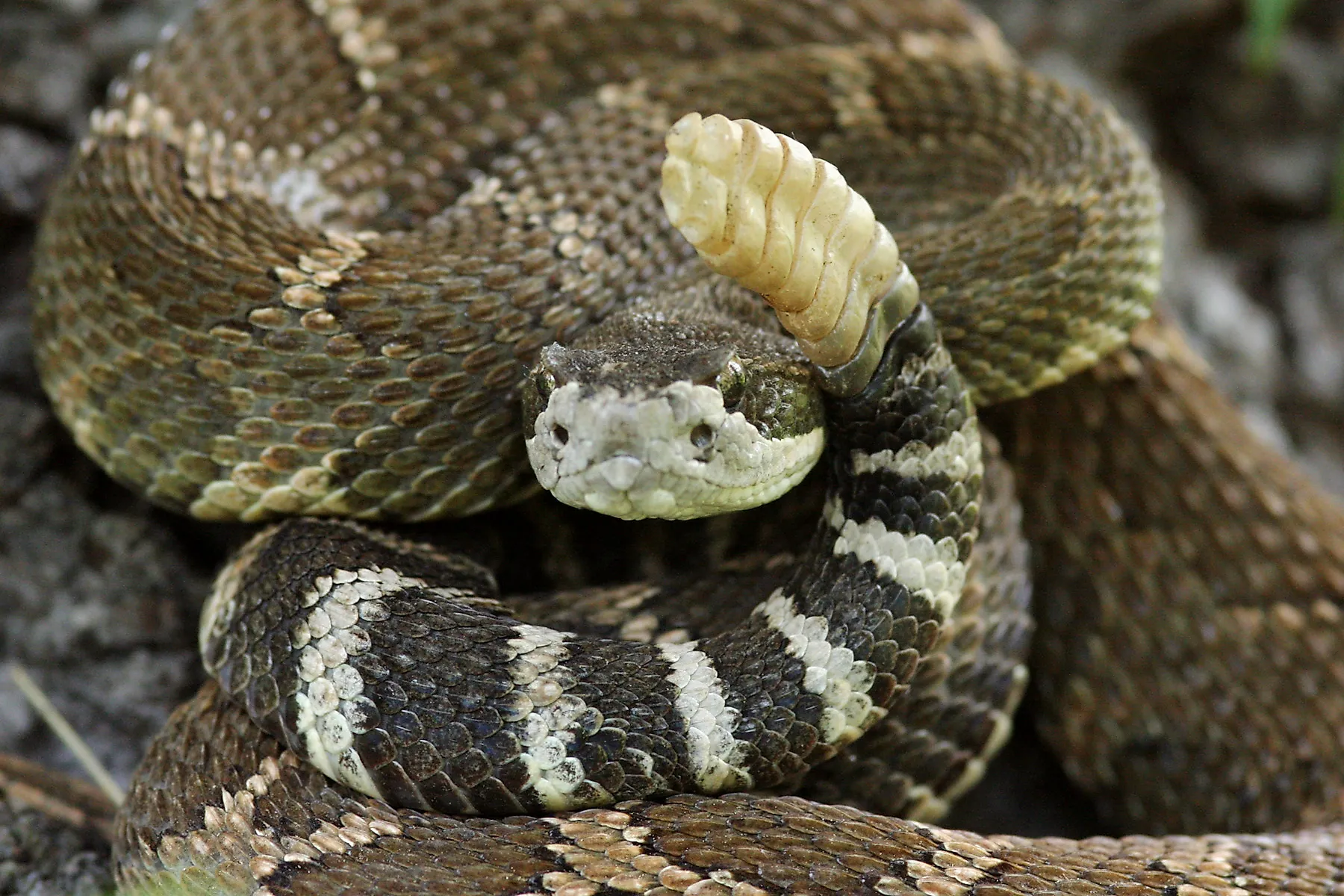
Columbia Hills State Park features an inhabitant that has been known to add to the mystique of an already aesthetic locale. The Northern Pacific Rattlesnake lives here in abundance, particularly in rocky areas in and around the grasslands. Though they are fairly rare, park visitors should be aware of the presence of their more dangerous cousin, especially around Horsethief Butte.
Lyons Ferry State Park

This sprawling landscape offers beautiful views of varying sorts. The sun-baked rocks and trails offer many spaces for hikers to enjoy the great outdoors here. However, rattlesnakes do litter the grounds during the summer months. Gopher snakes are one species that you will most likely encounter.

While exploring Lyons Ferry State Park, you will find these harmless reptiles enjoying the warmth as they sun themselves on trails and among rocky outcroppings. Visitors need to be aware of their surroundings while keeping their pets leashed. It's advisable to avoid putting hands and feet into unseen, dark crevices where they like to sleep. Hikers should wear sturdy clothing, giving these snakes space to move, and keep in mind that they easily blend in with the scabland terrain.
Potholes State Park

Set in a desert terrain on Potholes Reservoir in Washington state, this beautiful park features freshwater marshes and bountiful lakes for water activities, camping, and quality family time. Potholes State Park in Washington does feature the presence of various types of snakes, however. One of the most common types is the garter snake. Larger, non-venomous snakes like the gopher snakes can also be found.

Potentially dangerous western rattlesnakes are the ones visitors need to be made aware of. These rattlesnakes are more common in the eastern side of Washington state due to its abundance of dry areas. Hikers should be aware of all species but adhere to the general rule of leaving all snakes alone. Especially watch for rattlesnakes in the park's rocky and arid spots. Understand that while these snakes can become aggressive when challenged, they prefer to avoid humans.
Ginkgo Petrified Forest State Park

Considered a National Natural Landmark, Ginkgo Petrified Forest State Park offers a plethora of activities for those who love the outdoors. Camping, hiking, fishing along the Columbia River, boating, and various interpretive activities are among your options. The water access point is down the road at Wanapum Recreation Area. The park is heavily used during the Gorge Amphitheatre concert season, so please plan accordingly as facilities fill early on the weekends.

While rattlesnakes are frequently spotted in the park, visitors can take precautions to help them avoid crossing their path. Snakes are most active at dawn, dusk, or during milder spring and fall mornings when temperatures are moderate. They tend to seek cooler spots during the hotter times of day.
While venturing out to enjoy Washington State's eco-friendly campgrounds and state parks, one does need to remember that you're sharing space with nature and its incumbent inhabitants. While the presence of poisonous snakes, such as Ring-neck Snakes, Western Yellow-bellied Racers, and non-native pets like Pythons, can detract from the overall enjoyment of such adventures, visitors can also take solace in knowing snakes generally like to avoid confrontation whenever possible. Even an act as simple as stomping your feet can alert them through vibration that you are approaching, thus giving them time to scatter. Also, knowing their preferred locations can help you avoid them altogether. Snakes generally enjoy diverse habitats, from dry brush to grasslands to rocky slopes. Common sense is your best tool when sharing space with snakes. Remember what you've learned here, and you should be able to wholeheartedly enjoy the beauty of what the state parks of Washington have to offer.