7 Snake Infested State Parks In Oregon
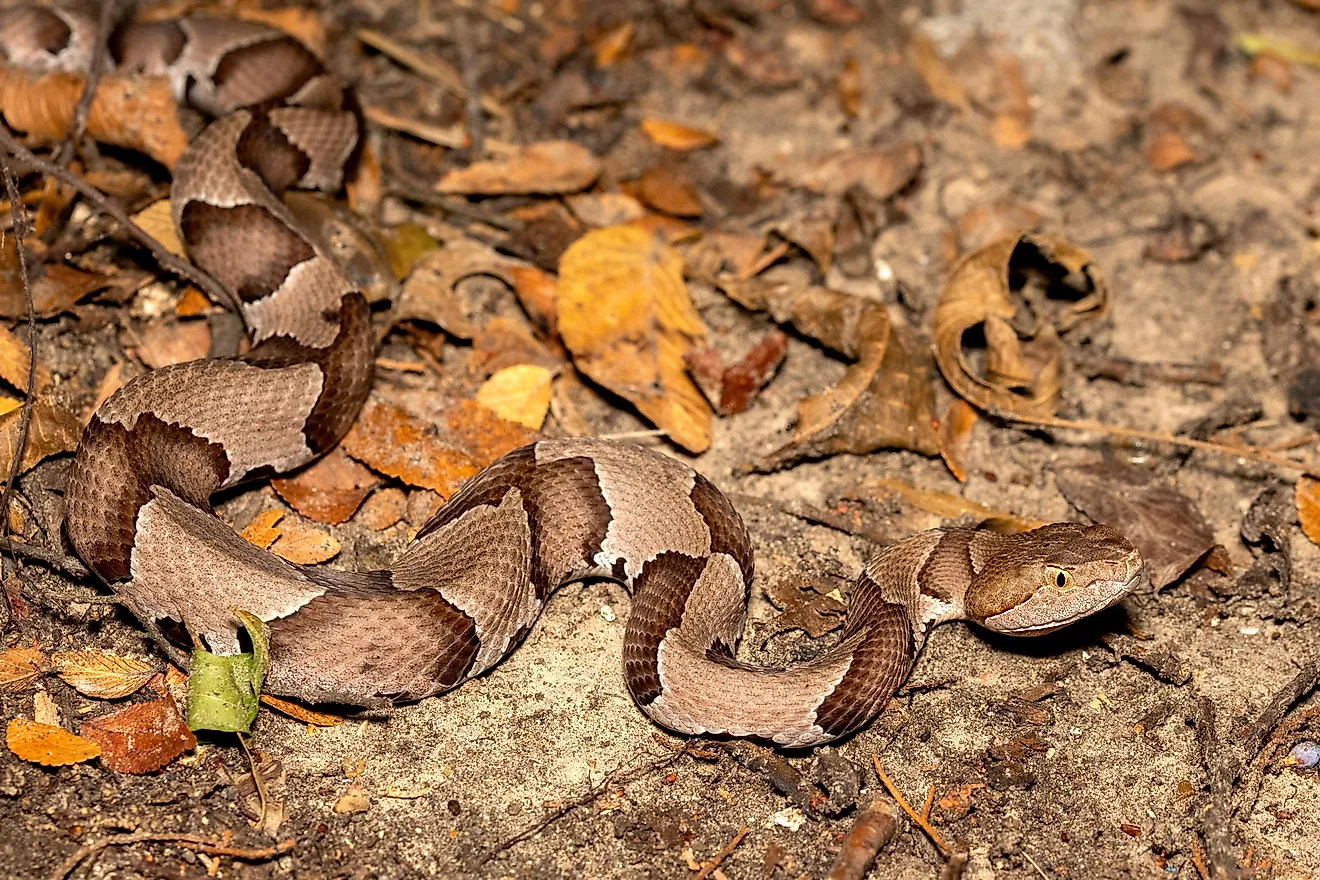
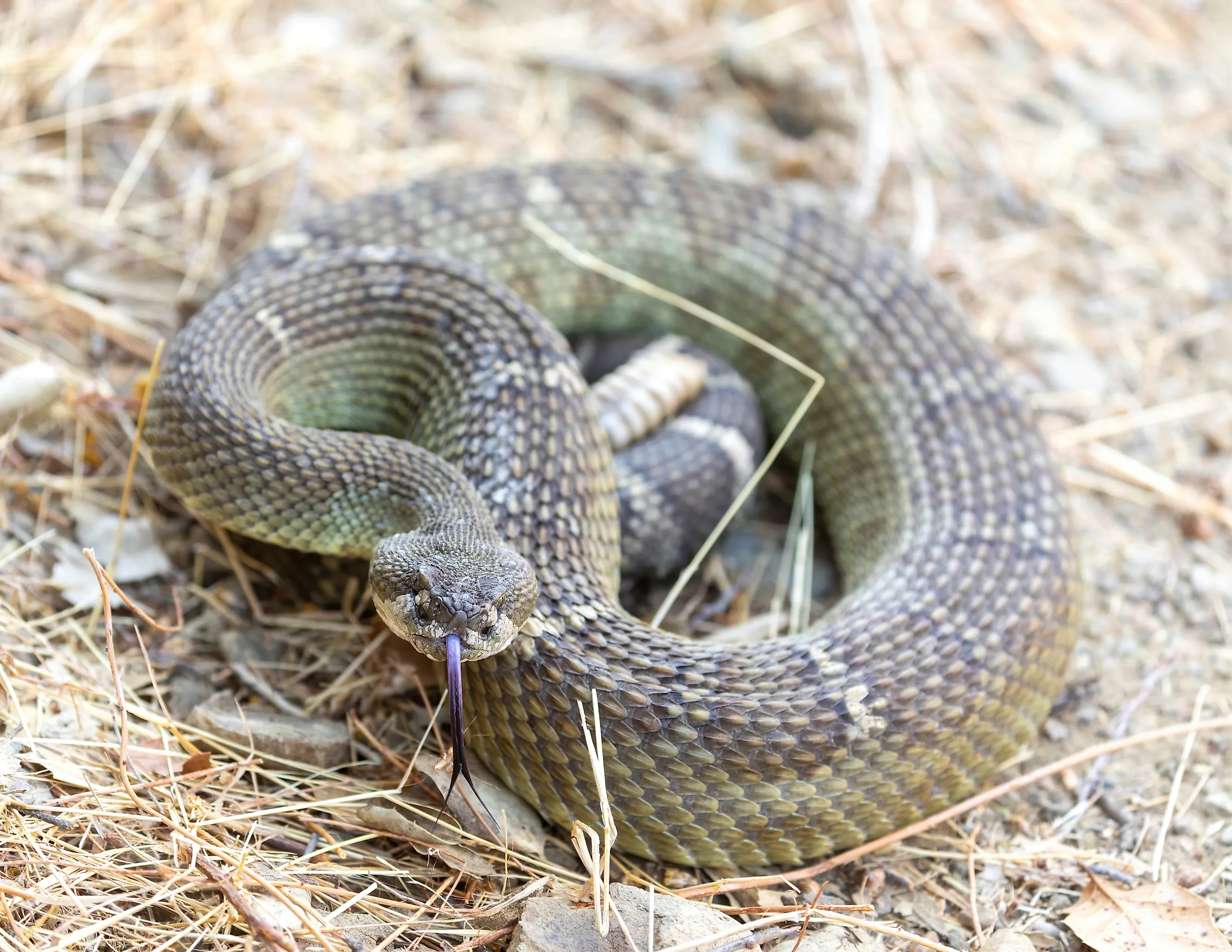
The canyon country east of the Cascade Range is where basalt cliffs, river canyons, juniper-studded plateaus, and sagebrush steppe meet, and it forms the core of the western rattlesnake's range in Oregon. Those visiting one of the state’s many state parks will find a close look at how volcanic history, seasonal watercourses, and human pathways shape where rattlesnakes live and where people are most likely to encounter them, from the steep talus slopes above the John Day River to the warm ledges along the Crooked River and the exposed rims near Fort Rock. Many of the reptile-rich habitats in Oregon include lava-formed canyons, riparian corridors, and open desert flats, which explains why sun-warmed rocks, rock fissures, and talus provide ideal basking and denning sites for the western rattlesnake. So pack your daypack, lace on sturdy hiking boots, and prepare to explore canyon rims, riverbanks, and volcanic landforms where geology and reptiles shape the visitor experience.
Cottonwood Canyon State Park

Cottonwood Canyon State Park sits where the lower John Day River carves long, deep gorges through layered basalt and open sagebrush flats. The park's more than 8,000 acres present wide views, remote trails, and several preserved ranch structures that speak to early settlement and land use. Habitat here favors rattlesnakes because of sun-warmed rocks, talus slopes, and exposed ground where prey species forage. Park brochures and trail maps specifically mention rattlesnakes among the animals visitors may encounter, and the river corridor offers both lowland riparian walks and high rim routes that reward careful planning. In addition to the western rattlesnake, visitors may encounter Pacific gopher snakes using rodent runs and burrows, and garter snakes along the wetter riparian edges where amphibians and invertebrates are common.

Hikers and backcountry campers will find opportunities for long day trips and primitive overnight stays, but the remoteness means carrying water, a map, and emergency gear. Observe wildlife from a distance, keep dogs under control, and give any rattlesnake or other snake species plenty of space to move away.
Smith Rock State Park

Smith Rock State Park rises in central Oregon, where sheer tuff and rhyolite cliffs tower above the Crooked River, and the area is internationally known among climbers for its concentration of sport and trad routes. Several well-maintained trails, including Misery Ridge and the River Trail, wind along rim viewpoints and put hikers close to cliff bases and talus slopes where snakes warm themselves in morning sun. Park literature lists rattlesnakes among local fauna, and seasonal visitor notices advise awareness of wildlife on trails. Photographers and climbers should arrive early in the day for favorable light and cooler temperatures, which also coincides with times when reptiles may be sunning on exposed rocks.

In addition to western rattlesnakes, the park and surrounding canyonlands host gopher snakes that patrol open flats and rodent runs, and striped whipsnakes that move quickly along brushy margins and rocky slopes. When exploring the park, keep your hands away from crevices, watch your foot placement on talus, and give reptiles room to escape.
The Cove Palisades State Park

The Cove Palisades State Park encompasses the confluence of the Deschutes and Crooked River canyon arms behind a reservoir, and it combines water-based recreation with exposed cliffs and warm slopes. Campgrounds, boat ramps, and shoreline trails provide access to fishing, paddling, and upland walks that reveal layered basalt and river-cut terraces. The regional high desert climate supports reptiles that prefer warm, rocky terrain, and park materials note rattlesnake presence in adjacent canyonlands where sun-warmed ledges and talus provide basking and denning opportunities. In shoreline and riparian zones, visitors may also find garter snakes actively foraging near water, and gopher snakes on adjacent upland flats and terraces where small mammals are abundant.

Families and anglers use the developed day-use areas, while more solitary trails climb to rim views where the geological story of ancient lava flows and river incision becomes clear. Practice safe trail etiquette, watch logs and rock piles before sitting, and keep children and pets close when exploring the shoreline and upland slopes.
Fort Rock State Natural Area

Fort Rock State Natural Area centers on a near-circular volcanic tuff ring that rises from Oregon's high desert, and the site provides prime habitat for several reptile species, most notably the western rattlesnake. Sun-warmed tuff, exposed talus, and scattered basalt outcrops create numerous basking sites and protected fissures that snakes use for daytime thermoregulation, hunting, and shelter. The landscape around Fort Rock also supports abundant rodent and lizard populations, which sustain rattlesnake foraging activity along the rim and across adjacent sagebrush flats. In addition to the western rattlesnake, Pacific gopher snakes use the area for ambush hunting in rodent runs, and striped whipsnakes move rapidly along rocky slopes and sage margins while preying on lizards and small mammals. Seasonal patterns are pronounced: reptiles become active in spring as temperatures rise, remain visible through early fall, and retreat into rock crevices or subterranean dens during cold spells.

Visitors who focus on geology and archaeology often pass close to likely snake microhabitats, so careful route selection and slow, observant movement reduce surprise encounters. When hiking the rim or walking across nearby plains, look for snakes sunning on flat ledges or slipping into shaded talus, give any rattlesnake a wide berth, keep dogs on leash, and never attempt to handle or provoke a snake.
Valley of the Rogue State Park

Valley of the Rogue State Park lies along a long stretch of the Rogue River where cottonwood and oak fringes meet gravel bars, and the park supports a mosaic of riparian corridors and drier slopes where multiple snake species hunt and shelter. Along riverbanks and in adjacent open ground, the western rattlesnake is one visible predator, but other species share the park’s microhabitats. Garter snakes in the region, such as the mountain garter snake, frequent moist edges and vegetated banks where they feed on amphibians and small fish, while the Pacific gopher snake uses open flats and rodent-rich burrows for ambush hunting. Occasional records from nearby preserves also note the presence of kingsnakes and ring-necked snakes in parts of the Rogue Valley, especially where brushy margins meet oak woodland.

Recreational users should be mindful that different species prefer different microhabitats: watch rocky talus and sunny ledges for rattlesnakes, check brushy edges for garter snakes, and inspect rodent runs for gopher snakes. Keep dogs on leash, avoid putting hands into crevices, and allow all snakes to move away undisturbed.
Farewell Bend State Recreation Area

Farewell Bend State Recreation Area sits at a regulated bend on the Snake River where wetland fringe, sandy bars, and rocky bluffs create diverse snake habitat. The western rattlesnake is present on warm, exposed banks and rocky outcrops, particularly where daytime heating produces favorable basking sites. Other snakes can be found nearby and use the park’s range of microhabitats: gopher snakes patrol open sandy flats and rodent runs, and various garter snakes frequent riparian margins and wet meadows where aquatic prey is available. In more open, drier slopes and flats around the campground, striped whipsnakes or racers may be encountered as they hunt actively for lizards and small mammals, and night-active species such as the night snake are part of the broader regional assemblage.

Because the park draws anglers and families to river access points, visitors should assume snakes may be present in shoreline brush and on warm rocks, give reptiles space, and follow posted safety guidance when exploring trails or sitting near banks.
Succor Creek State Natural Area

Succor Creek State Natural Area lies in a narrow, volcanic canyon where steep cliffs, talus, and sun-warmed ledges provide ideal conditions for a suite of desert-adapted snakes. Park materials note the common presence of western rattlesnakes or northern pacific rattlesnakes along canyon walls and in crevices, but several non-venomous species are also regular components of the fauna. Pacific gopher snakes and striped whipsnakes use canyon edges and rocky slopes for hunting small mammals and lizards, while various garter snakes may be found along the creek itself, where invertebrates and amphibians occur.

In some years, observers report long-nosed snakes and other secretive species in the greater Jordan Valley area, particularly where talus and brush offer sheltered den sites. Because Succor Creek is remote and services are limited, hikers and rock hounds should wear sturdy footwear, scan rock ledges and shaded piles before sitting, and treat any snake sighting with respect by keeping a safe distance and allowing the animal to retreat.
Explore Oregon’s Canyon Country Today
Oregon’s state parks and natural areas demonstrate a consistent theme: canyon landforms, sunlit rocks, and open ground create excellent habitat for western rattlesnakes while also offering rewarding recreation for hikers, climbers, anglers, and photographers. Visitors have many choices for viewing geology, paddling river corridors, and camping under dark desert skies, and simple precautions such as wearing sturdy footwear, watching where hands and feet are placed, keeping dogs on leash, and giving snakes space reduce the odds of an unpleasant encounter. Rattlesnakes function as predators in these systems, and their presence signals intact food webs and available denning sites in canyon and sagebrush country east of the Cascades. Plan trips with current park notices and maps, respect seasonal closures or advisories, and enjoy the deep-time landscapes where geology, history, and wildlife come together.