7 Snake Infested State Parks In Oklahoma
Oklahoma is a state of dramatic shifts in terrain, from oak-and-pine ridges to open prairie and the mosaic of the Cross Timbers ecoregion. Those changes in habitat create ideal conditions for a large variety of snakes, from small, secretive species that hunt insects to larger constrictors and pit vipers that live where rocks, grass, and water meet. Readers who plan to hike, fish, or camp in the Sooner State will find practical value in learning where encounters are most likely, which species to look for, and how habitat shapes snake communities. Below are seven Oklahoma state parks where snake activity is especially notable, a short portrait of each park’s landscape and landmarks, and the local snake species visitors most often observe which are important to know about before heading out.
Robbers Cave State Park

Robbers Cave State Park sits in the Sans Bois Mountains and centers on the famously named Robbers Cave itself, where sandstone overhangs, talus slopes, and cliffline ledges provide numerous hiding spots for reptiles. The mix of oak forest, rocky outcrops, and intermittent creekside pockets creates a dense mosaic of microhabitats that favor both secretive and more visible snakes. On sun-warmed boulders and along rock ledges, rattlesnakes that favor prairie and upland edges are sometimes seen, while shaded coves and leaf litter shelter forest-inclined species. Typical species recorded in and around the park include the timber rattlesnake, which uses cooler, shaded hollows and rock crevices; the prairie kingsnake, which frequents the woodland edges and grassland pockets; and the Great Plains ratsnake, a strong climber that hunts rodents in trees, old structures, and rock crevices.

Near streams and reservoir margins, anglers may also spot nonvenomous watersnakes and garter snakes that hunt amphibians and small fish. Hikers who explore the park’s rugged trails should take deliberate steps on rocky terrain, avoid reaching into unseen crevices, and allow snakes a wide berth; most species will retreat if given space, and careful observation can turn a brief encounter into a memorable natural history lesson.
Beavers Bend State Park

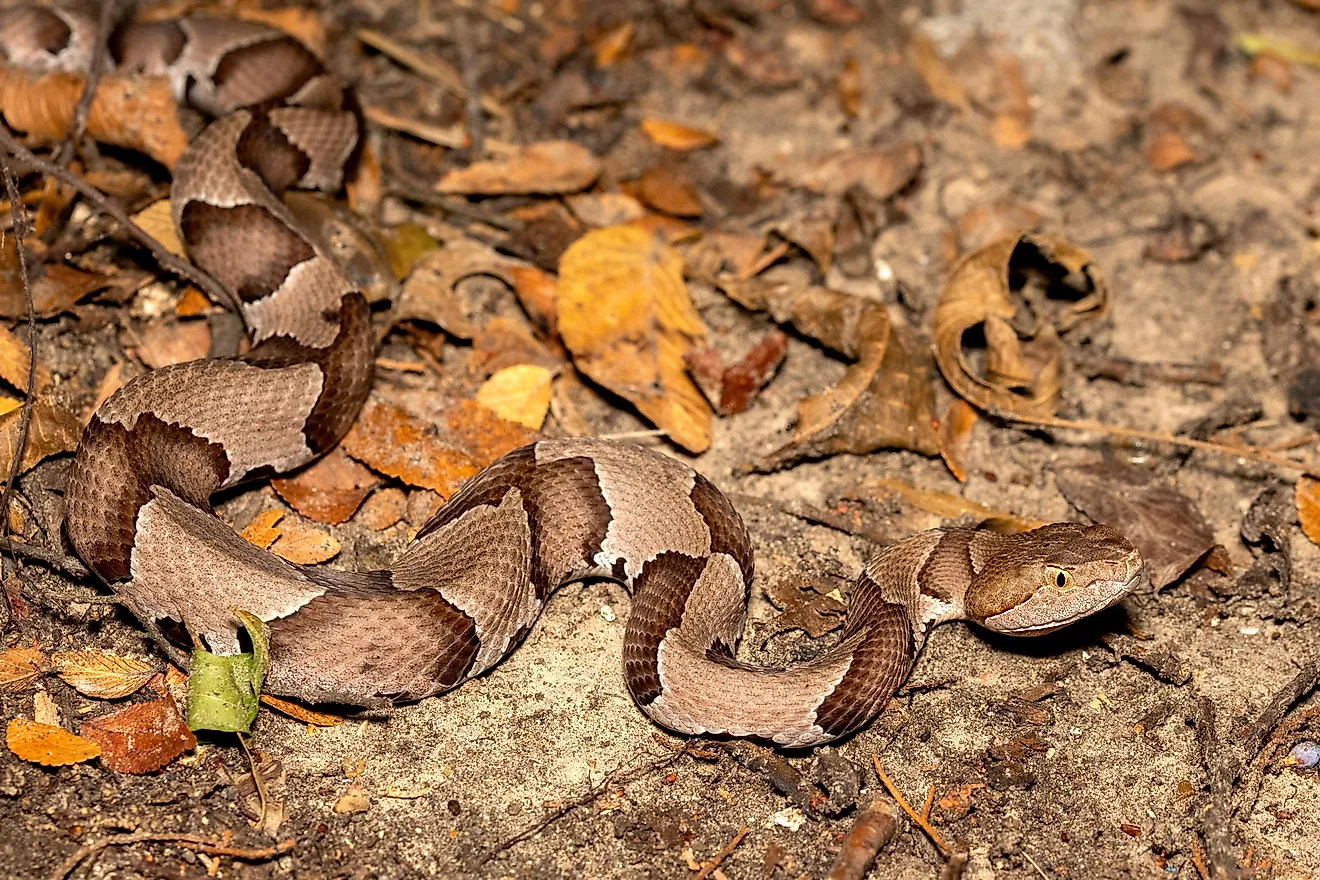
Beavers Bend State Park sprawls around Broken Bow Lake and follows the sinuous course of the Mountain Fork, where riparian corridors, oxbow wetlands, and dense upland forest meet. Those water-rich environments support many semiaquatic and waterside snakes, while nearby forests and logjams host woodland and edge species. Visitors commonly see the northern watersnake and the plain-bellied watersnake along the lake margins and in slow river backwaters, where frogs and small fish concentrate; the rat snake and the prairie kingsnake patrol drift lines, log piles, and forest edges to hunt rodents. Venomous snakes, including the copperhead, appear in the mixed-hardwood understory and near sunlit clearings where prey is abundant, and rattlesnake species may use sun-warmed rocks and fallen logs for basking in warmer months.

Because waterways and shorelines concentrate both prey and predators, anglers and paddlers should look before reaching into brush or undercut banks and should step slowly when retrieving gear near the water’s edge. Park naturalists note that most snakes observed are nonvenomous and perform essential ecological roles, but respectful distance, sturdy footwear, and awareness near riparian cover reduce the risk of accidental close encounters.
Roman Nose State Park

Roman Nose State Park occupies a steep-walled canyon complex shaped by springs and small streams, and features the scenic Roman Nose Canyon with gypsum and sandstone ledges that carve out shaded hollows and sunlit rims. The park’s vertical relief produces a patchwork of exposed slopes, brushy draw bottoms, and riparian corridors, all of which support a rich assemblage of snakes. On sun-exposed ledges, rattlesnakes sometimes bask before slipping into nearby rock shelter, while the canyon underbrush and riparian margins shelter smaller, more secretive colubrids. Species commonly reported in Roman Nose include the prairie kingsnake, which hunts along field edges and rocky slopes; the Great Plains ratsnake, which climbs and hunts near old structures and hollow logs; and the plains garter snake, which favors wetter pockets and streamside vegetation to pursue amphibian prey.

Seasonal movements concentrate snakes in transitional zones where shade, moisture, and prey converge, so hikers who walk rim trails or descend into hollows should watch footing on loose rock, avoid putting hands into unseen cavities, and give any observed snake plenty of room. Park signage and ranger guidance help visitors identify known hazard areas, and a deliberate, observant approach to the park’s microhabitats allows for safe wildlife viewing and photography from a distance.
Quartz Mountain State Park

Quartz Mountain State Park occupies part of the Quartz Mountains, where steep granite escarpments, talus fields, and the shoreline of Lake Altus-Lugert create a striking mix of exposed rock, open flats, and riparian corridors. Those varied landforms support reptiles that prefer rock crevices, sun-exposed ledges, and the grassy flats below. Rock-loving rattlesnakes may sun on granite slabs and retreat into fissures when disturbed, while nimble species use shrublines and lower slopes to hunt. Species recorded at Quartz Mountain include regional rattlesnake varieties that use talus slopes and cliffs for thermoregulation, the coachwhip, known for its speed across open ground, and rat snakes on lower slopes and near old structures where rodent prey is available. Watershores and vegetated marsh edges support garter snakes and watersnakes that take advantage of aquatic prey.

Climbers, photographers, and campers who explore boulder-strewn slopes are most likely to encounter snakes while moving between rock outcrops, so moving deliberately, scanning ledges and crevices before sitting or reaching, and wearing protective footwear are practical measures. Observing snakes from a respectful distance permits natural behavior to proceed undisturbed, and guides and interpretive materials at Quartz Mountain emphasize coexistence and awareness.
Lake Murray State Park

Lake Murray State Park, set against the low ridges of the Arbuckle Mountains and surrounding Lake Murray, blends long shoreline, scattered woodlands, and open prairie flats. The park’s ecological diversity means shoreline anglers, trail walkers, and prairie hikers may encounter aquatic snakes in wet depressions as well as terrestrial species in brushy edges and abandoned structures. Along the lake and in low wetland basins, water snakes and garter snakes are frequently observed as they pursue amphibians and small fish; on woodland edges and around older buildings, rat snakes and prairie kingsnakes are active predators of rodents. Grassland and rocky microhabitats also fall within the domain of prairie-oriented rattlesnakes that hunt and thermoregulate among grasses and exposed stones.

Park shelters provide rock and timber crevices that serve as refuges for night-active snakes. Visitors who look before sitting on logs or entering dark nooks will reduce the chance of a close encounter, and park programming sometimes includes talks on local herpetofauna that emphasize the ecological benefits snakes provide while outlining safe practices for observing them in a recreational setting.
Great Plains State Park

Great Plains State Park stretches along Tom Steed Reservoir between foothills and open plains, forming a landscape where shoreline wetlands, mixed-grass prairie, and scrubby slopes meet. That confluence supports snakes adapted to both arid, open country and riparian corridors. In open ground and among prairie bunches, species such as the Great Plains ratsnake and the prairie kingsnake hunt for small mammals, bird eggs, and lizards, while racer species and coachwhips move quickly across exposed terrain during the hottest parts of the day. Near the reservoir margins, watersnakes and garter snakes frequent reed beds and fallen logs, feeding on fish, amphibians, and aquatic invertebrates. The presence of nearby Wichita foothills also increases the likelihood of rattlesnake sightings, since rock-strewn slopes provide basking sites and quick retreat opportunities.

Land users and visitors should give snakes space, avoid picking up any snake, and keep dogs leashed and under control to prevent accidental encounters. Interpretive signage at trailheads highlights habitat sensitivity and offers practical guidance for safely enjoying shoreline and prairie habitat where snakes are an integral part of the ecological community.
Osage Hills State Park

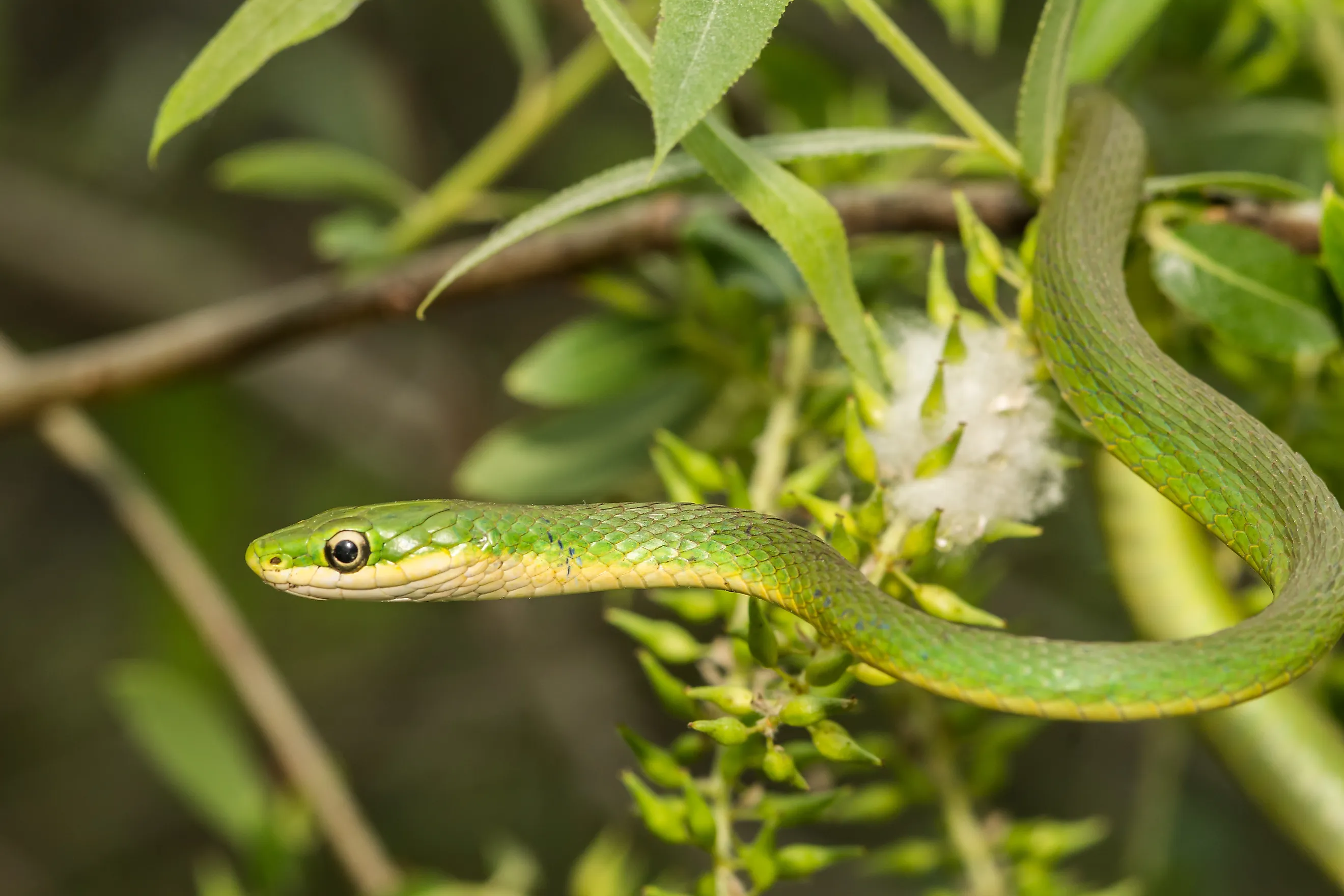
Osage Hills State Park occupies oak-and-hickory hills and stream-fed valleys where a documented multi-day bioblitz recorded an extensive list of reptile and amphibian species. The park’s mosaic of streamside thickets, leaf-littered forest floors, and sun-exposed rock ledges produces abundant refuge and foraging sites for a wide range of snakes. Field surveys and controlled inventories have recorded species such as the coachwhip, which is often sighted moving rapidly along open trails and ridge tops; the northern watersnake, which hunts along slow-moving stream margins; the rough green snake, which inhabits low shrubs and seeks insect prey; and the black ratsnake, a frequent climber of snags and older trees. The venomous copperhead is also present in the riparian understory, making cautious behavior advisable in thick brush and when handling debris. The variety of documented species demonstrates the park’s role as a refugium for herpetofauna in the Cross Timbers ecoregion, and bioblitz results inform park stewardship and interpretive programming.
Visitors who adopt slow, observant movement, give snakes room to retreat, and attend ranger-led natural history programs will both reduce risk and gain a clearer appreciation for the ecological roles these snakes fulfill in controlling rodent populations and shaping community dynamics.
Get out safely and respectfully
Oklahoma’s state parks offer abundant opportunities for wildlife observation, fishing, climbing, and quiet escapes into prairie and woodland. Those same qualities make them some of the best places to see snakes doing what snakes do: sunning, hunting, and moving between wet and dry microhabitats. When planning a visit, carry water, wear sturdy shoes, keep to marked trails, give wildlife space, and read up on the park’s current conditions and wildlife notices before arrival. Respect for natural rhythms and a small measure of caution will keep both visitors and snakes safe, while making a sighting into an educational memory rather than a dangerous surprise.