7 Snake Infested State Parks In North Dakota
North Dakota’s open prairies, river corridors, and wooded pockets create the kind of habitat where snakes belong. The phrase “snake-infested” can sound dramatic, but in practice, it's about visitors sharing trails, shorelines, and sunny clearings with wildlife that typically avoids people.
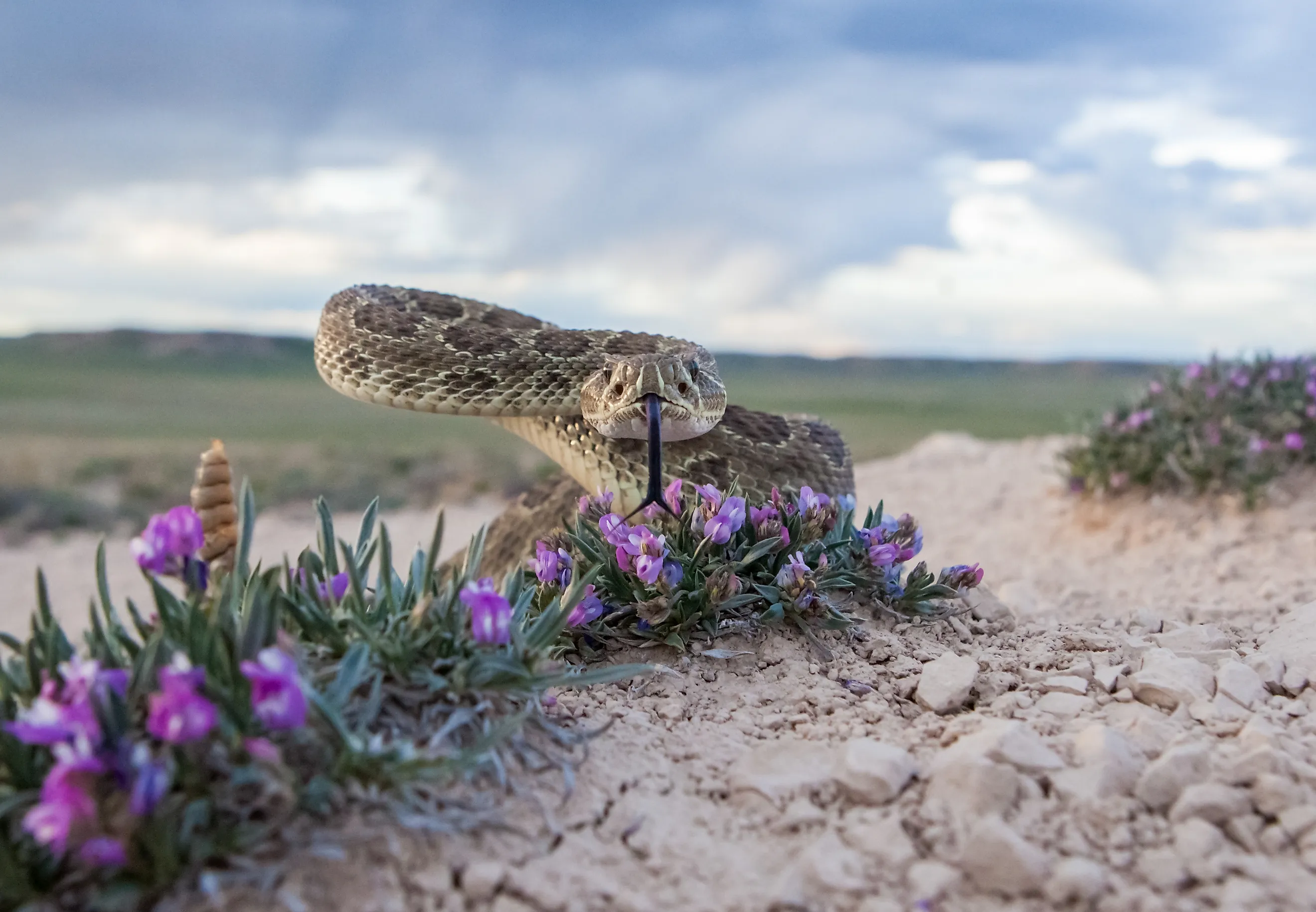
The prairie rattlesnake is widely cited as North Dakota’s only venomous snake, and reputable state and regional references tie it most strongly to the state’s grassland and rugged terrain, including well-known western landscapes. North Dakota is also home to several other nonvenomous species, including DeKay’s brownsnake, the red-bellied snake, and the plains hognose snake, though many are secretive and easy to miss. For most hikers, the more realistic expectation is occasional sightings of nonvenomous snakes in these edge zones. Respecting wildlife's natural habitats allows for safe meandering while staying mindful.
Little Missouri State Park

Little Missouri State Park can be a good place to spot snakes because its badlands terrain combines exposed rock, warm slopes, and prairie edges where reptiles use cover and sun to regulate temperature. In western North Dakota, Little Missouri State Park sits in a landscape shaped by dry slopes, exposed rock, and wide grasslands. North Dakota Parks and Recreation highlights the park’s setting in the North Dakota Badlands and notes that it includes more than 40 miles of trails through that rugged terrain. Reptiles tend to use sun-warmed ground, rocky cover, and grass edges for shelter and temperature control. The same western badlands landscape also shapes nearby protected areas such as Theodore Roosevelt National Park, where the Little Missouri River (a tributary of the Missouri River) and rugged terrain define much of the scenery.

A key species to highlight is the prairie rattlesnake, the state’s only venomous snake, which tends to favor grasslands and rocky ledges and can be surprisingly well-camouflaged against the ground. The bullsnake is another large, nonvenomous constrictor with blotchy patterning that blends into dry grass and brush. It is also a rodent hunter, which helps explain why it shows up in open-country habitats. This park is a good reminder that sightings are still usually brief, as most snakes rely on staying still, staying hidden, and slipping away into cover when approached.
Fort Abraham Lincoln State Park

Fort Abraham Lincoln State Park is a good place for snake awareness because visitors walk slowly through open prairie areas near trail edges, stopping at historic sites. The park combines open prairie scenery with historic interpretation in North Dakota, which naturally changes how people move through the landscape. Set near the Missouri River and just south of Bismarck, the park’s official materials emphasize guided touring and reconstructed historic sites, including the Custer House and the On-A-Slant Indian Village. Visitors often stop, read signs, and walk short segments between points of interest.

From a habitat perspective, that walk-and-stop rhythm matters because it keeps people close to trail edges and sunny grass for longer periods. In the wider Great Plains, snakes in prairie environments often use cover such as grass, rocks, and shaded pockets near the ground, especially when temperatures rise. In prairie and river-adjacent landscapes like Fort Abraham Lincoln State Park, visitors are most likely to encounter nonvenomous species that rely on camouflage rather than confrontation. The garter snake often shows narrow yellow or pale stripes running along a dark green, brown, or black body, sometimes with faint red markings that catch the light when it moves through grass near the trail edge. The bullsnake, by contrast, is heavier-bodied and patterned with bold dark blotches over a straw-yellow or sandy background, allowing it to disappear almost completely against dry prairie ground. Both species benefit from the park’s mix of open grassland, shaded pockets, and nearby river influence, where rodents and insects are common. While the prairie rattlesnake is North Dakota’s only venomous snake, it is more strongly tied to rugged western terrain than to heavily visited historic prairie parks, making snake awareness here more about noticing color, pattern, and movement along the ground than anticipating close encounters.
Lake Metigoshe State Park

Lake Metigoshe State Park has conditions that support snake activity, as its woodlands, wetlands, and shoreline edges provide shaded cover and sunny openings near the water. Located in northeastern North Dakota, this park offers a different kind of snake-friendly habitat than the badlands parks. North Dakota Parks and Recreation describes the area’s woodlands and wetlands and notes mountain biking trails, as well as a three-mile self-guided interpretive hike. That combination of shoreline, wet vegetation, and forest edges is the kind of environment where snakes may use ground cover while staying close to water and prey.
The park sits within the Turtle Mountains, a forested upland region known for lakes and rolling terrain. Snakes are more likely along warm trail margins and sunny openings than deep in dense cover, so it makes sense to stay alert where the path meets tall vegetation or where the shoreline has driftwood and reeds near Lake Metigoshe.

In a woodland-and-wetland park like Lake Metigoshe, the most realistic snake encounters are with nonvenomous species that use shoreline vegetation and forest edges for cover. The garter snake often shows pale stripes along a darker body and turns up near wet margins and trail edges. For color variety, the smooth green snake is smaller and bright green above, with a pale underside, and can quickly disappear in grass and low vegetation around openings. The bullsnake is a larger, blotchy-patterned constrictor that may be present in edge habitat where rodents are common. These snakes do well in the Turtle Mountains because water, cover, and patchy sunlight help them stay active.
Turtle River State Park

Turtle River State Park is a good place to learn about snakes because its forested hills and river corridor create a mix of shade, sun, and ground cover along the Turtle River. Located in eastern North Dakota, the park sits in a wooded valley with more than 13 miles of trails winding through forested hills and along the water. Forest edges and riverbanks often form the kind of habitat snakes favor: shaded cover nearby, sunshine just a few steps away, and low ground cover that provides concealment.

The park lies west of Grand Forks in the broader Red River of the North region, which helps explain why visitors spend time close to river corridors and shoreline edges. Snake awareness here stays practical rather than alarming. It means staying on established trails, stepping carefully over downed branches, and watching where hands go when someone sits on a log or gathers gear near brush. Snakes that fit this kind of wooded river habitat include the garter snake, which often shows light stripes running the length of a darker body and tends to move along the warm edges where the trail meets the grass. Another species to mention is the smooth green snake, a smaller snake with bright green above and a pale underside that helps it blend into vegetation, especially in sunny openings near brushy cover. For a different look and a different role in the ecosystem, the bullsnake is also a plausible match in this region. It is much larger, patterned with bold blotches on a lighter background, and known for hunting rodents, which are common around edge habitat and fallen trees. Smaller, secretive species in North Dakota, such as DeKay’s brownsnake and the red-bellied snake, can also use leaf litter and damp ground cover in wooded areas.
Icelandic State Park

Icelandic State Park has several areas likely to have snakes because Lake Renwick and the Tongue River corridor provide shoreline and wooded-edge habitats where reptiles can travel and find shelter. Snake-friendly habitat appears in layers along shorelines, in wooded pockets, and in river-edge vegetation. In northeastern North Dakota, the park’s mix of water, sun, and ground cover creates conditions where wildlife sightings are plausible, especially along trail margins and brushy edges.
North Dakota Parks and Recreation lists the park on the shores of Lake Renwick, noting its 1964 establishment and overall size. The state’s paddling guidance describes Lake Renwick as a reservoir created by damming the Tongue River, which helps explain why the shoreline and river corridor attract wildlife. The park sits in the northeastern part of the state, and Grand Forks is one of the better-known regional hubs. The area’s waterways ultimately connect to the larger drainage of the Red River of the North, which helps explain why river-edge habitat is common across this corner of the state.

The park connects directly to the Gunlogson Nature Preserve along the Tongue River. Those wooded and brushy edges are exactly where visitors should pay attention, especially on warm days when reptiles may be out warming themselves. In a shoreline-and-river corridor park like Icelandic State Park, the most realistic snake encounters are with nonvenomous species that use grass, driftwood, and brushy edges as cover. The garter snake often turns up where the sun hits the ground near trail margins; in North Dakota, this can include the plains garter snake. The smooth green snake adds color variety, and it can vanish quickly in overgrown edges and sunny openings. The bullsnake may also be present along prairie-woodland edges where rodents are common.
Cross Ranch State Park

Cross Ranch State Park is a strong pick for snake habitat because its Missouri River setting in North Dakota features mixed prairie, woody draws, and river-bottom forests with frequent cover-and-sun transitions. Set along the west bank, the park has nearly 17 miles of trails and a trail system that provides access to a 5,000-acre nature preserve. Those habitats can support snakes without making them easy to spot, especially where warm trail edges meet grass, shade, and low ground cover.

For visitors, the park’s variety is the point. A person can move from open prairie edges to shaded draws and then down toward river views in a single day, passing through multiple microhabitats common to the Great Plains. That range increases the likelihood of noticing wildlife because people are spending more time near the edge zones where sun and shelter overlap. The most realistic advice is to watch trail edges, avoid reaching into brushy pockets, and give any snake space to move away. Along the Missouri River corridor, snake sightings are most likely where prairie grass meets brush and fallen trees near the trail edge. The prairie rattlesnake favors warm, open country with nearby cover and can be difficult to see because its pattern blends into dry ground and mixed grass. For the nonvenomous variety, garter snakes are a realistic possibility near river-adjacent vegetation and sunny clearings, and bullsnakes may also turn up in prairie-woodland transition zones where rodents are common. Western hognose snakes, known for an upturned snout and dramatic defensive displays, are another prairie species that can turn up in sandy or grassy areas. The park’s layered habitat makes brief, surprise sightings possible, especially on warm days when reptiles use sunlit patches to warm up.
Beaver Lake State Park

Beaver Lake State Park offers shoreline snake sightings because lake edges with reeds, grasses, and driftwood create the type of cover reptiles use near water. The park offers a secluded, lake-centered setting with gently rolling prairie, ideal for relaxed walking, which suits the slower pace that often leads visitors to notice wildlife along the shoreline. Beaver Lake State Park sits in south-central North Dakota, on prairie terrain that connects to the broader Great Plains, where open grasslands meet sheltered pockets of vegetation.
From a snake awareness standpoint, lakes matter because shorelines create narrow edge zones where animals travel through reeds and grass near the bank and use driftwood or rocks as quick cover. In wetland-rich prairie landscapes, the Prairie Pothole Region helps explain why small lakes and marshy margins can concentrate wildlife activity. The park’s most common activities, including hiking, fishing, and shoreline time, keep visitors in that same band of habitat.

That overlap does not guarantee sightings, but it makes awareness reasonable. Staying on the main path, stepping carefully near brush, and checking the ground before sitting on a log are simple habits that match the park’s laid-back pace. In a lake-edge park like Beaver Lake State Park, the most realistic snake encounters are with nonvenomous species that use reeds, grasses, and driftwood as cover. Garter snakes tend to travel along sunny shoreline margins where small prey is active. This can include the plains garter snake, a close relative that also favors wet edges and grassy cover. Another species to mention is the smooth green snake, which can disappear in vegetation around overgrown edges. Visitors may also encounter the bullsnake, which may turn up near prairie-vegetation transitions where rodents are common.
Snake Awareness In North Dakota State Parks
Snake awareness matters most in North Dakota state parks where sun meets shelter, including rocky edges that warm quickly, tall grass along trail margins, driftwood near shorelines, and brushy river corridors. Snakes are not evenly distributed across a park, but they do use edge zones for warmth, cover, and movement. In western badlands and open fields, the prairie rattlesnake is the key species visitors think of, while in lake and river parks, nonvenomous snakes are more likely to be seen.
In every park, be sure to stay on established trails, watch where you step and place your hands, and give any snake plenty of space to move away. Those habits protect visitors and reduce stress on wildlife. With a calm, observant mindset, these parks remain among North Dakota’s best places to experience river valleys, prairie edges, and quiet lake shorelines up close.