4 Rattlesnake Hotspots In North Dakota
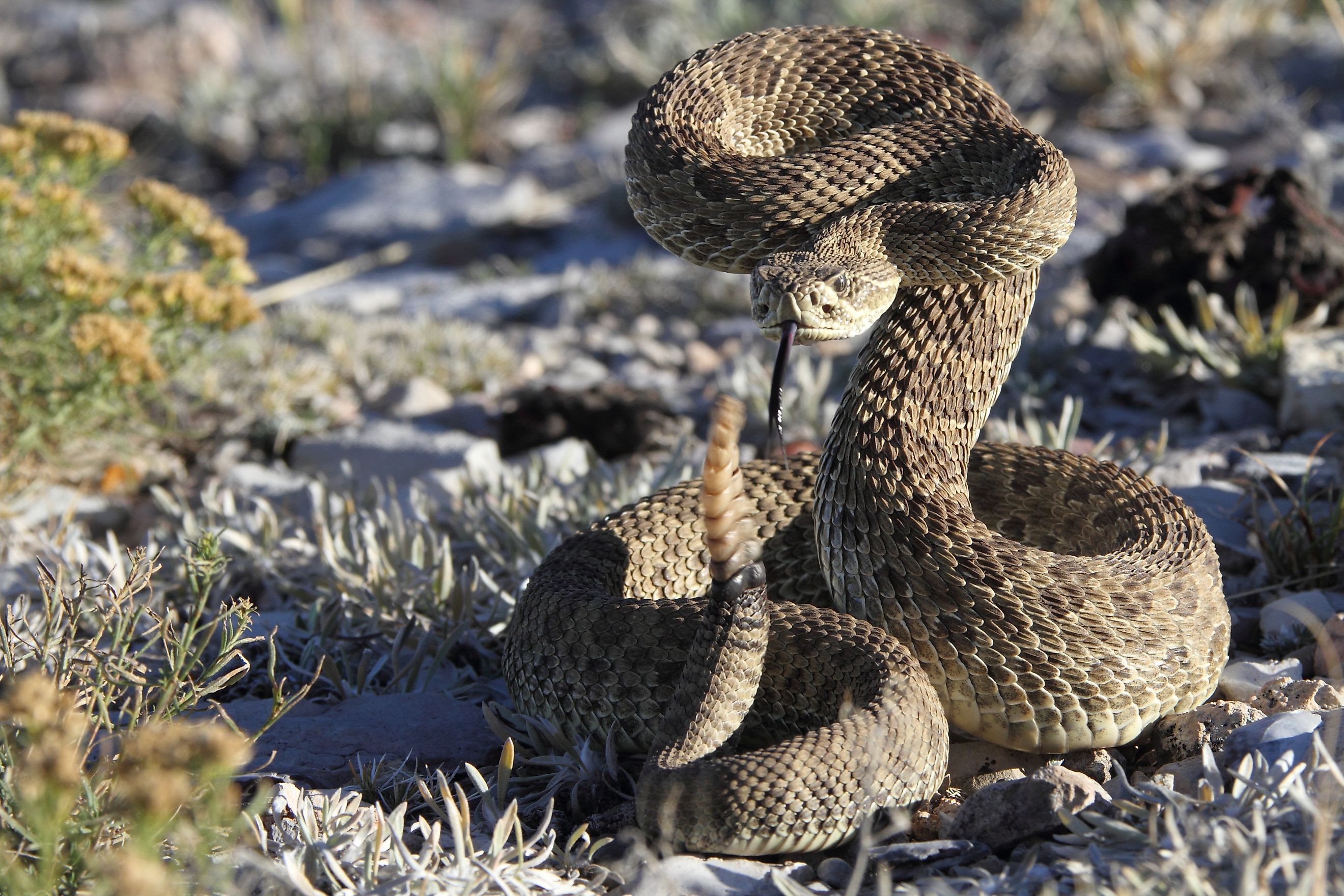
The plains of North Dakota host a large population of cryptic predators, often hidden from view. The state serves as the northern stronghold for the Prairie Rattlesnake, the only venomous reptile found within these borders. This species concentrates where the Little Missouri River cuts through the high plateau, creating the deep erosion lines necessary for their survival. Indigenous tribes historically respected these animals as powerful spirits, and today they remain essential biological agents for controlling rodent populations across the grasslands. This guide identifies the primary hotspots for encounters, prioritizing the specific geological features where snake activity peaks. The coverage moves from national park infrastructure to the narrow single-track paths that traverse the badlands. Visitors will find these reptiles basking on sun-exposed stone or sheltering near mammal burrows. Pack your heavy boots and keep a watchful eye as you navigate the eroded bluffs where these ancient predators thrive.
Theodore Roosevelt National Park

TRNP "badlands" terrain of western ND creates a heat-absorbing landscape that serves as the primary stronghold for the Prairie Rattlesnake. This reptile is the only venomous snake in the state, and its population density is highest within the park boundaries. The reptiles frequently use paved roads and the asphalt at visitor centers as heating pads, absorbing solar radiation to regulate their cold-blooded metabolism. Beyond the tarmac, the vast networks of prairie dog towns serve as a dual-purpose resource; the snakes prey on small mammals, like prairie dogs, for food and commandeer their burrows for shelter or winter hibernation.

Encounters are most frequent at specific infrastructure points where human activity intersects with snake territory. The Oxbow Overlook in the North Unit often sees vipers sunning themselves near the parking ledges, while the Painted Canyon Overlook reports sightings along the split-rail fences. Theodore Roosevelt himself documented this abundance during his ranching years, describing the vipers as "plentiful everywhere" in his personal journals. Today, federal law strictly protects these animals. Park rangers do not kill nuisance snakes; instead, they use specialized tongs to relocate individuals found near high-traffic zones, ensuring the ecosystem remains intact while keeping visitors safe.
Lake Oahe

While the badlands rely on solar heat to attract reptiles, the Missouri River basin determines snake movement through hydrology. The banks of this massive reservoir create a "squeeze" effect; during periods of high water, Prairie Rattlesnakes are forced out of the floodplains and concentrated into narrow strips of shoreline. This phenomenon can result in temporary, high-density pockets of vipers along the grassy margins and "coulee bottoms" that feed into the lake. Unlike the solitary sunbathers of the parks, the snakes here often utilize the deep fissures in the riverbanks as communal hibernacula, gathering in large numbers to survive the freezing North Dakota winters.

The geography itself serves as a warning label. Landmarks such as Rattlesnake Butte, near the border of the Dakotas, carry names that reflect centuries of high reptile activity. Fishermen and boaters frequently encounter them swimming between outcrops or coiled near the water's edge, where they hunt the rodents that thrive in the rich riparian ecosystem. Because the water levels fluctuate, the "safe" zone constantly shifts, requiring visitors to stay alert when stepping off boats or walking through the tall grass of the uplands.
Maah Daah Hey Trail

Stretching 144 miles across the Little Missouri National Grassland, this singletrack creates a continuous corridor through the heart of Prairie Rattlesnake country. The trail itself acts as a linear basking zone; the compacted earth and open exposure absorb solar radiation more effectively than the surrounding grass, drawing vipers out of the badlands clay to regulate their body temperature. This behavior makes encounters particularly common for mountain bikers, whose speed often leaves them with less reaction time than a hiker. The route is marked by posts bearing a turtle symbol, a Lakota emblem of steadfastness, which guides travelers through the rugged terrain.

The name "Maah Daah Hey" comes from a Mandan phrase roughly translating to "an area that has been or will be around for a long time," a fitting title for a landscape designated as a proposed National Monument. Sightings are most frequent in the Magpie Unit, a 10-mile section known for its dense wildlife activity, and at the southern terminus near Burning Coal Vein. Visitors should also exercise caution at the CCC Campground on the north end, where snakes frequently utilize the gravel pads near campsites to soak up the morning sun.
Little Missouri State Park

Deep within the vast expanse of the Little Missouri National Grassland, this park is renowned for having the most aggressive terrain in the ND system. The landscape is made of badlands formations, where steep clay buttes and rocky ledges create a maze of deep canyons. These geological features provide the perfect thermal regulation stations for the Prairie Rattlesnake; the dark stones absorb heat for spring basking, while the shadowed crevices offer essential cover during the scorching summer months. Since these reptiles cannot excavate their own homes, they operate as opportunistic squatters, commandeering abandoned mammal burrows or utilizing deep rock fractures as communal hibernacula. This dependency on specific geological structures concentrates the population near the rocky outcrops, making the park’s famously narrow, single-track trails a frequent meeting place for hikers and hidden vipers.

Because the terrain forces visitors and wildlife into the same tight corridors, understanding the animal's behavior is critical for safety. These pit vipers are highly specialized hunters, equipping heat-sensing organs between their eyes and nostrils that allow them to locate warm-blooded prey like rodents even in total darkness. Despite their fearsome reputation, they are generally shy and rely on a unique evolutionary defense mechanism: the rattle. This warning system was initially developed on the Great Plains to alert massive megafauna, such as bison and elk, to the snake's presence to prevent accidental trampling. Today, that same buzz serves as a signal for hikers to freeze and back away. Park officials strictly enforce a "leave them be" policy, reminding visitors that these creatures are protected by law and play a vital role in controlling local rodent populations.
Visiting the western plains requires a constant awareness of the ground level. Theodore Roosevelt National Park serves as the central anchor for snake activity, where paved infrastructure frequently draws vipers out of the erosional formations. This habitat extends directly onto the Maah Daah Hey Trail, which acts as a biological corridor linking the isolated pockets of the grasslands. To the north, Little Missouri State Park offers tighter, steeper terrain that forces hikers into close proximity with the reptiles. Finally, Lake Oahe shifts the focus to the water's edge, concentrating populations along the riverbanks during high water events. These four areas represent the core of the Prairie Rattlesnake's range. Respecting their space ensures these native predators continue their role in the high plains ecosystem.