This Massachusetts Scenic Byway Is The Road Trip Of A Lifetime
One road in Massachusetts still traces the day the country began. The Battle Road Scenic Byway follows the route British troops marched in April 1775. That single morning started a war. This fifteen-mile drive lets you follow it hour by hour through four historic towns. Federal officials named it an All-American Road in 2021. It was the first road in the state to earn that honor. Give yourself three days here and the revolution unfolds in the order it happened.
The route links Arlington, Lexington, Lincoln, and Concord, and its heart is Minute Man National Historical Park, where the first shots of the Revolutionary War are marked on the ground where they were fired. What makes the drive worth three days is not the mileage. It is the chance to stand in the exact places where ordinary farmers decided to fight, and to see how one long day carried them from a village green to a river bridge and back again.
Day 1: Arlington, Where the Fighting Was Worst

Most people think the deadliest fighting of April 19, 1775, happened in Lexington or Concord. It happened here, in the town then called Menotomy. The Jason Russell House still stands at 7 Jason Street, and you can see the bullet holes in its walls. Jason Russell built the place around 1745, and he died defending it when the British column fought its way back toward Boston that afternoon. More colonists were killed on this ground than anywhere else along the entire route that day. Start your trip standing in front of it, because it sets the stakes for everything that follows.

Arlington makes an easy morning before you drive on. The Kickstand Café and Tatte Bakery both sit within a short walk of the historic center, so you can eat well before the history begins. A few blocks on, the Highland Hose House is a handsome former firehouse from the era when horses still pulled the engines. None of this takes long, and that is the point. The town wants you to slow down and read the plaques, most of which mark spots where the retreat turned bloody.
Day 2: Lexington and the First Shots

Buckman Tavern faces Lexington Green, and the town militia gathered inside it in the dark hours before the British arrived. You can still see a bullet hole in one of its doors. A single ticket covers the tavern along with the nearby Hancock-Clarke House and Munroe Tavern, so buy all three and take them in order. The Hancock-Clarke House sheltered John Hancock and Samuel Adams on the night Paul Revere rode out to warn them. Its exhibits cover Revere's ride, and they do not shy away from the harder parts of the story, including the enslaved people who lived in these same households.

From the green, drive west toward Lincoln and into Minute Man National Historical Park, the quiet center of the whole route. The Battle Road Trail runs through the woods here, and you can walk the ground where militia fired on the retreating soldiers from behind stone walls. The Paul Revere Capture Site sits along this stretch, marking the spot where his famous ride actually ended. Stop at The Wayside, too, a house later lived in by Louisa May Alcott and Nathaniel Hawthorne. The park earns a full afternoon, and the walking is gentle enough for almost anyone.
Day 3: Concord and the Shot Heard Round the World

The Old North Bridge is where the militia fired back, and where the phrase "the shot heard round the world" comes from. Cross it slowly, then read the marker for the two British soldiers buried nearby. This is the moment the colonists stopped retreating and started a war, and the bridge still feels like the hinge of that decision. The North Bridge Visitor Center a short walk away fills in the timeline, and the Robbins House nearby tells the story of a free African-American family who lived in Concord for generations.

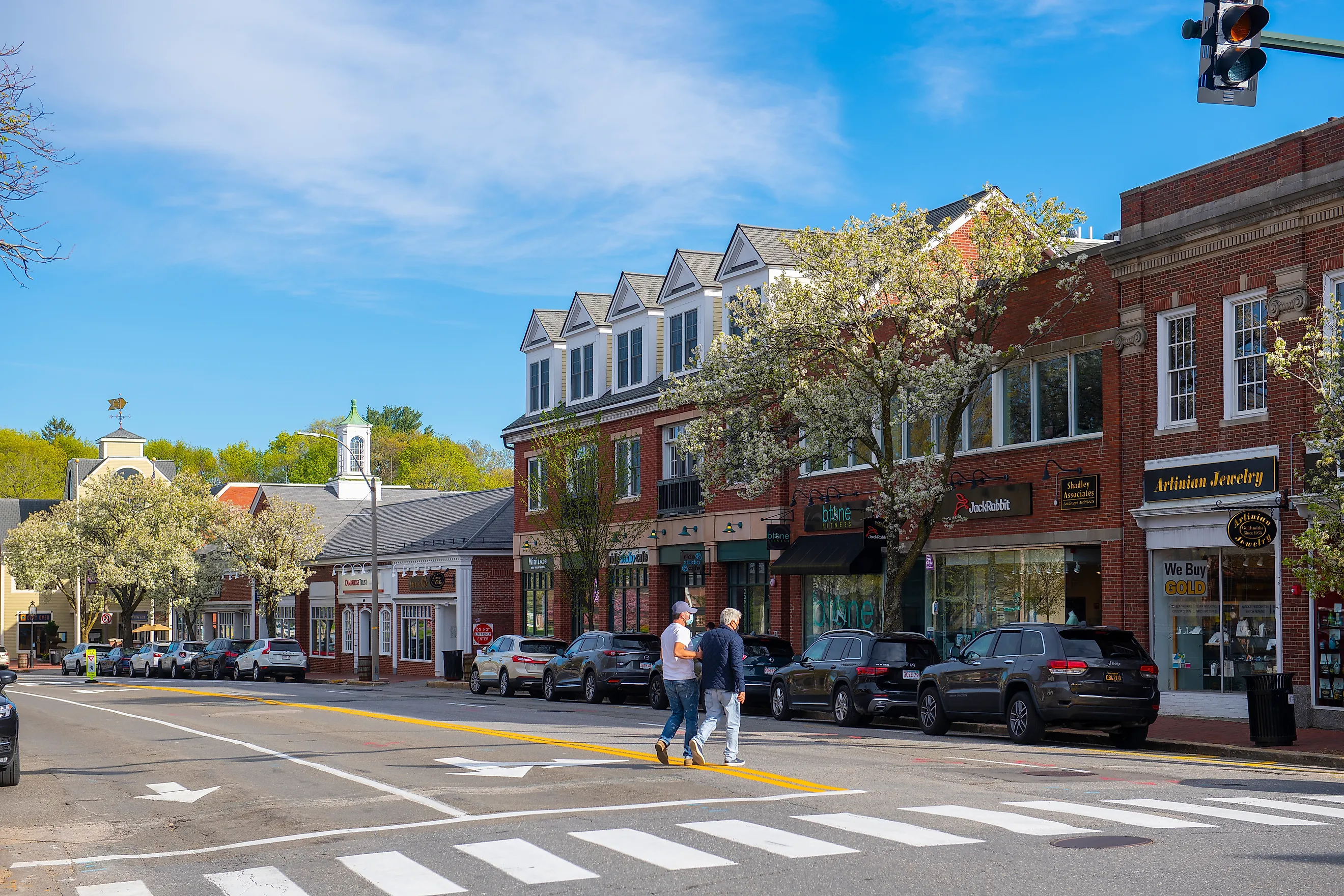
Concord rewards a wander once the history sinks in. Main Street is lined with old brick storefronts, and Haute Coffee makes a good stop before the drive home. Walden Pond, where Henry David Thoreau lived and wrote, lies just south of town if you want to trade the battlefields for the woods for an hour. The town has spent two centuries as a place writers return to, and it is easy to see why. Colonial history and quiet literary calm sit side by side here in a way few American towns manage.
One Road, One Unforgettable Day
Drive the Battle Road end to end and you understand something a textbook cannot teach you. The revolution did not begin as a grand idea. It began as a running fight along fifteen miles of country road, fought by farmers who knew every stone wall by heart. The byway keeps that day close enough to touch, from the bullet holes in Arlington to the bridge in Concord. If it leaves you hungry for more back roads, the New England countryside is full of them, and few reward the drive quite like this one.