This Kansas Scenic Byway Is The Road Trip Of A Lifetime
For travelers hoping to dive into Kansas’ natural beauty and wildlife, few routes are as rewarding as the Wetlands and Wildlife National Scenic Byway. Kansas offers an incredible variety of wildlife like bird migrations and large prairie mammals on diverse public lands. Wetlands and Wildlife National Scenic Byway is one of two byways to enjoy all the beautiful creatures and views the state has to offer.
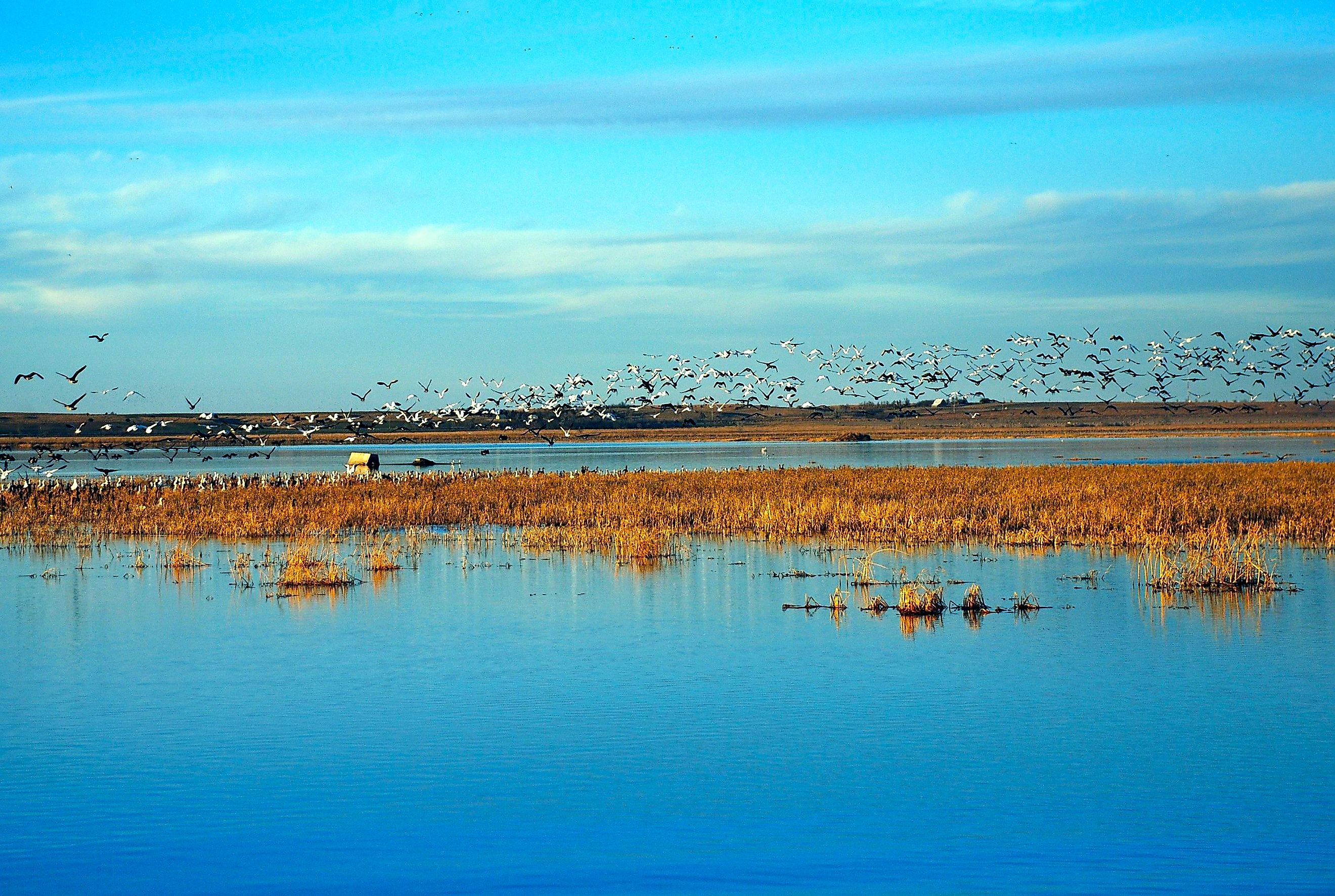
Stretching between Hoisington and St. John in central Kansas, the 77 mile Wetlands and Wildlife National Scenic Byway connects two nationally significant ecosystems, Cheyenne Bottoms and Quivira National Wildlife Refuge. Together the wetlands cover more than 60,000 acres and provide essential habitat along the Central Flyway, the aerial migration route used by millions of birds.
The route can be driven in about 90 minutes, technically but so much would be missed if driven so quickly. Make it a two-day itinerary to leave enough time for the wetlands, wildlife, and historic stops along the route. Beginning the journey in Hoisington traveling south toward St. John creates a natural path with an overnight stay in Great Bend.
Hoisington

Day one begins in Hoisington, the northern gateway to the byway and a practical place to pick up snacks, fuel, and other supplies before heading toward the wetlands. Follow KS-4 east toward the Cheyenne Bottoms Scenic Overlook. Located about 8 miles east of town, it is the perfect introduction to the large basin below. Cheyenne Bottoms is a broad, shallow depression that collects water from the rainfall and surrounding streams. Because periods of flooding and drying are part of the natural process in the ecosystem, its appearance changes with water levels, so the basin may look flooded, muddy, or largely dry rather than like a full lake.
Cheyenne Bottoms Wildlife Area

Continue to the Cheyenne Bottoms Wildlife Area which is part of the Kansas Department of Wildlife and Parks. Across nearly 20,000 acres, shallow pools are linked by canals and dikes. Public roads, observation points, and wildlife-viewing pull-offs provide a closer look at the wetlands.
Along the drive, there are many birds to see. Pelicans, ducks, geese, sandpipers, avocets, herons, egrets, and more have been encountered in the area. Deer, raccoons, and muskrats also move through the surrounding grasslands. A slow drive and a pair of binoculars make them easier to spot.
Kansas Wetlands Education Center

About 15 miles down the road is the Kansas Wetlands Education Center. The center explains why this quiet landscape plays such an important ecological role. Inside there are exhibits about wetland ecology, bird migration, and the animals that survive in the marsh. Recent bird sightings, maps, and bird checklists are also available. A short nature trail offers the chance to see native plants and wildlife. Admission to the center is free. Guided tours are also available for a small fee and give a closer look at the wetlands and their history.
Great Bend

Crest Theater In Great Bend, Kansas.
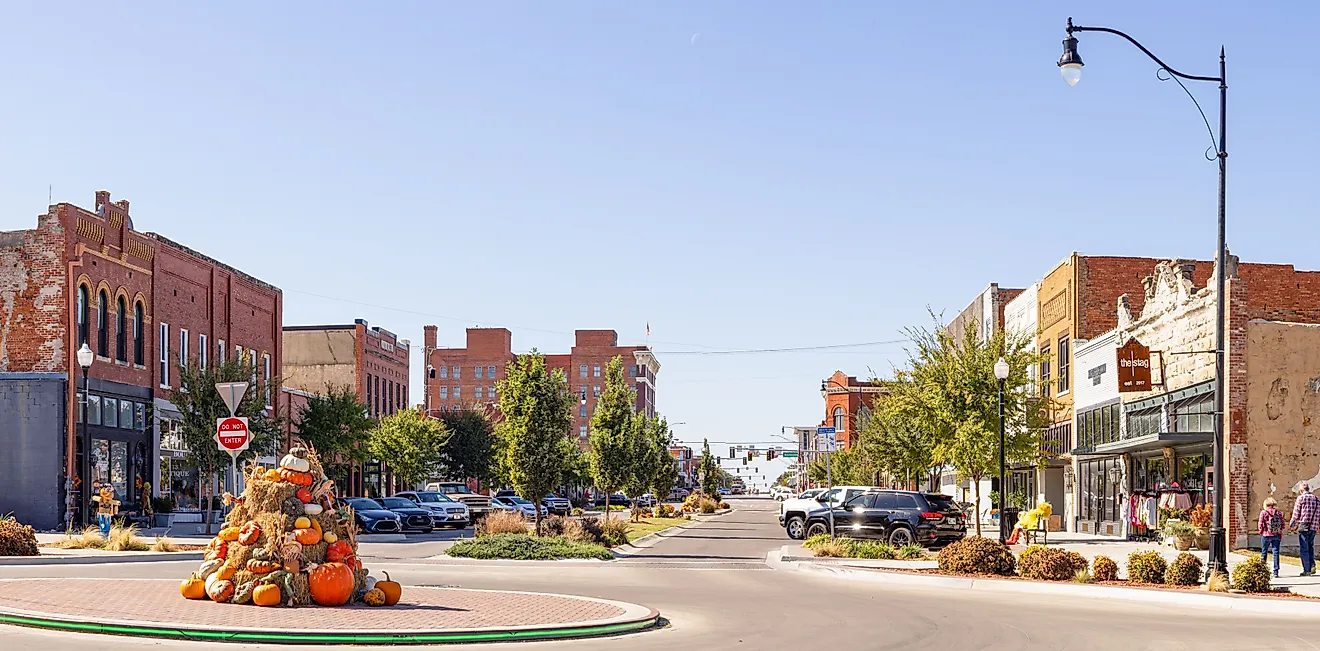
After a day of exploring and learning about the wetlands and wildlife, drive into Great Bend. It is the largest community associated with the byway and offers the widest selection of restaurants, hotels, and services. There are many activities in Great Bend like the Barton County Historical Society Museum and the Great Bend Brit Spaugh Zoo. At sunset, return to Cheyenne Bottoms because the cooler temperatures and lower light often bring more wildlife activity.
Ellinwood

Southeast about 10 miles is Ellinwood, where day two begins. It offers some more unusual stops. The Ellinwood Underground Tunnels, built in the late 19th century underneath the downtown businesses, originally stored coal. But then moved to active storefronts, bootleg alcohol, and a library. Guided tours provide access to several preserved sections of the tunnels. Ellinwood is a good reminder of the broader story of the people who settled and worked in the agricultural region of the wetlands.
Quivira National Wildlife Refuge

After exploring the underground tunnels, head toward Quivira National Wildlife Refuge. Established in 1955, the refuge protects 22,135 acres, one-third being wetlands, and home to 300 migratory and resident birds. Quivira offers an entirely different experience from Cheyenne Bottoms, with salt marshes, sand prairies, dunes, and grasslands spread across the refuge.
The visitor center has maps and information about the self-guided auto tour. The tour leads past Little Salt Marsh, many observation areas, prairies habitats, and water full of wildlife. There is even an elevated observation tower to allow a view of the marsh and wildlife. Birdwatching is especially rewarding here, with sandhill cranes and endangered whooping cranes appearing during migration. Binoculars are highly recommended.
St. John

End the journey in St. John, another byway community full of life. There are interactive science exhibits at the St. John Science Museum, and the Ida Long Goodman Memorial Library. These small-town attractions offer an ideal ending to a route shaped by nature, local history, and a few unexpected discoveries.
The Wetlands and Wildlife National Scenic Byway may only stretch 77 miles but every stop gives you something new to discover. From the marshes of Cheyenne Bottoms and the diverse habitats of Quivira National Wildlife Refuge to underground tunnels and small town museums, the journey shows so much of Kansas’s natural beauty. Allowing two days to explore the route gives the opportunity to truly take in the beauty of the wildlife and landscapes.