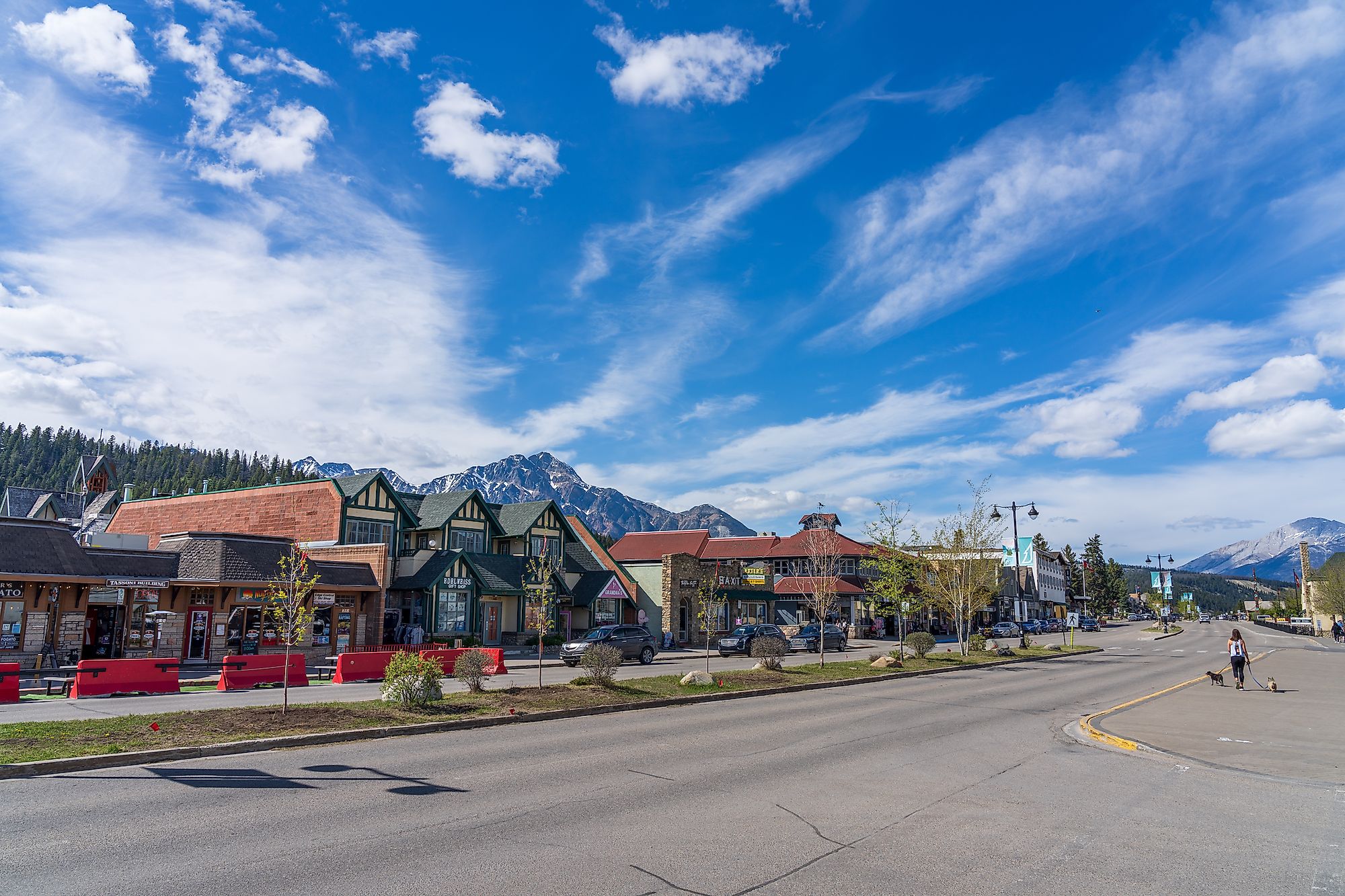
8 Ideal Alberta Destinations for a 3-Day Weekend in 2026
The best of Alberta starts about two hours past the city limits. West of Calgary that means the Rockies; northeast, the badlands; west of Edmonton, lake country and then the long empty highways that climb into the mountains. A long weekend covers any one of them without rushing. The eight destinations below are sorted by distance, starting with the lake towns you can reach before supper and ending at the corners worth a full tank of gas.
Sylvan Lake

Sylvan Lake sits an hour and a half from either Calgary or Edmonton, and that split-the-difference geography is the whole story. Both cities empty into it on a hot Saturday, which is why the place has the energy of a proper resort town rather than a quiet cottage lake. Lakeshore Drive is the spine, a waterfront strip of shops, patios, and ice cream running parallel to the sand.
The water is the main event. Sylvan Lake Park covers the central public beach with a boardwalk, a marina, and a boat launch, plus a floating water park anchored offshore all summer for kids to fling themselves off of. It is easy to lose a whole afternoon here without ever making a plan.
North of town on Highway 20, Jarvis Bay Provincial Park is the quieter version of the same lake, with a big treed campground, good birdwatching, and trails that link back toward town. Come in February and the place changes entirely. Locals call Sylvan the ice-fishing capital of Alberta, and the town's Winterfest fills the frozen surface with fishing shacks, snow sculptures, and people who own far better parkas than you do.
For lodging, the Best Western Plus Chateau Inn sits right on Lakeshore Drive with the beach directly across the street.
Drumheller

Ninety minutes northeast of Calgary, the prairie cracks open and the badlands begin, and the whole color palette shifts to rust and bone. Most people give Drumheller an afternoon. Three days is closer to right, because the good stuff is spread across a wide valley and rewards a slower loop.
Begin at the Royal Tyrrell Museum, home to one of the largest fossil collections anywhere and the reason most visitors point their cars this way in the first place. The Badlands Interpretive Trail leaves right from the museum grounds when you need to shake off the exhibits. Check the calendar first, since the museum closes Mondays from September through May outside holidays.
West of town off Highway 9, Horseshoe Canyon is a U-shaped valley carved into layered rock, with viewing platforms at the rim and trails dropping to the floor. Early morning and late evening throw the best light across the striping. Southeast of town, the Hoodoos Trail runs past the mushroom-capped formations that end up on every postcard of the region, now protected by boardwalks and interpretive signs. Keep going along that same road to the Star Mine Suspension Bridge, a 117-meter pedestrian span over the Red Deer River that coal miners once crossed on their way to work. Crossing it costs nothing and takes fifteen minutes.
Finish at the Atlas Coal Mine National Historic Site in East Coulee, where the last wooden tipple in Canada still stands. Underground tunnel tours run summer only, and closed-toe shoes are required, no exceptions. For a bed, the Heartwood Inn is a heritage house turned into ten individually designed rooms plus two guest houses on the edge of downtown. Some rooms have fireplaces, some have jetted tubs, and the breakfast is worth the small surcharge.
Canmore

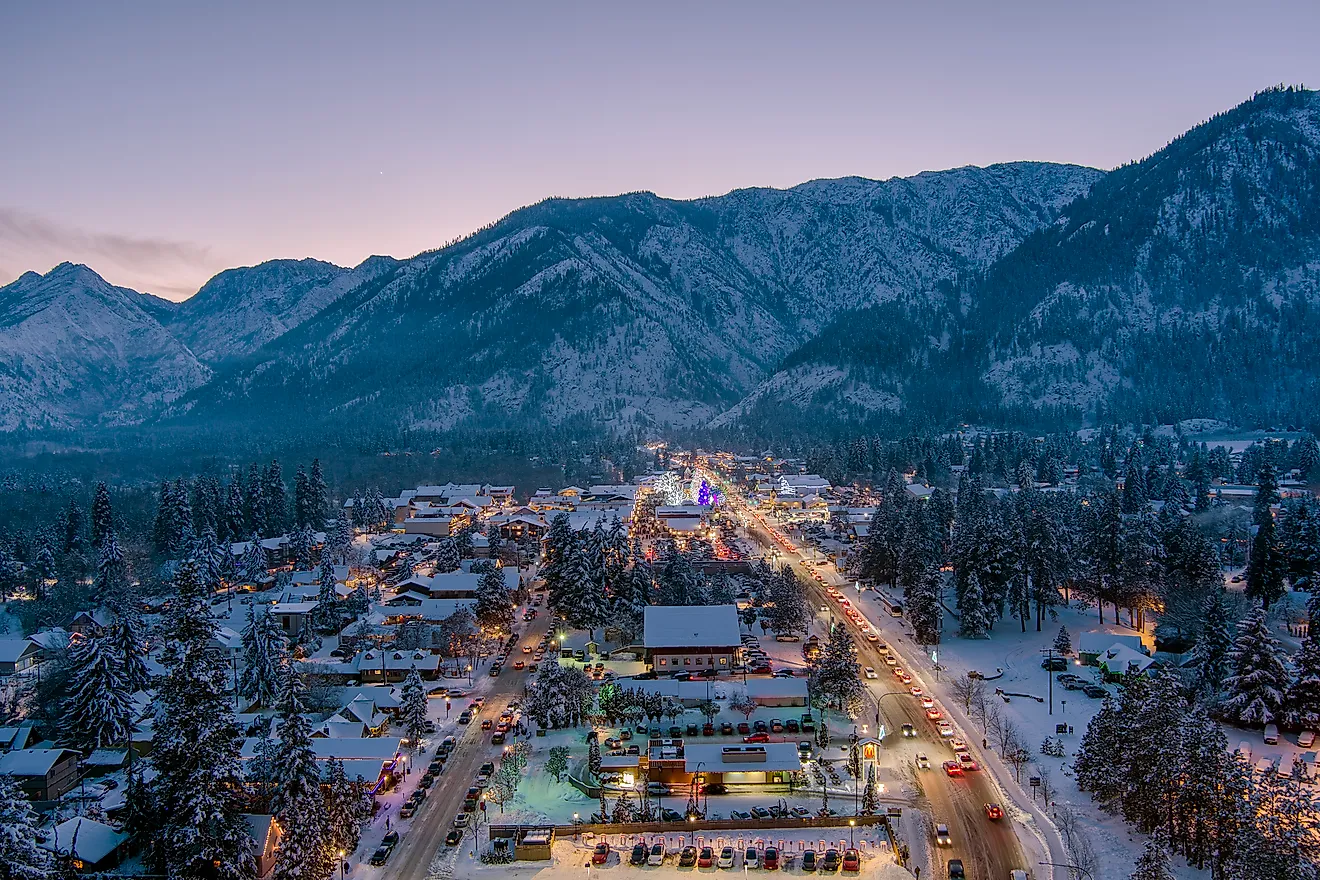
Now the drive lengthens and the mountains take over. Canmore sits twenty minutes short of Banff and is a great deal easier to park in, which is a large part of why it has grown into a destination of its own rather than the overflow lot for the national park. The Canmore Nordic Centre Provincial Park earned its name at the 1988 Olympics, and one of the better mountain-bike networks in the province runs through it, along with cross-country trails once the snow settles in. Roam Transit runs a free summer route from downtown, which quietly solves the parking problem for you.
Quarry Lake is the local swimming hole, a short drive up Spray Lakes Road, with a small sandy beach, picnic tables, and an off-leash meadow beside it. The reflections off the water on a still morning are why half of town shows up before nine. Parking fills by mid-morning on a hot July weekend, so treat that beat-the-crowd instinct as a real strategy.
For something underground, Canmore Cave Tours guides trips into Rat's Nest Cave on Grotto Mountain, which involve rappelling and crawling through tight spaces. Book according to your appetite for the dark. Back on the surface, the Canmore Museum and Geoscience Centre lays out the coal-mining history that put the town here, and the Policeman's Creek Boardwalk gives you a flat twenty-minute walk right off Main Street. For a base, the Lodges at Canmore have one-, two-, and three-bedroom suites with kitchens, plus a heated outdoor pool, hot tubs, and underground parking. They are pet-friendly and priced well below the resort properties closer to Banff.
Lake Louise
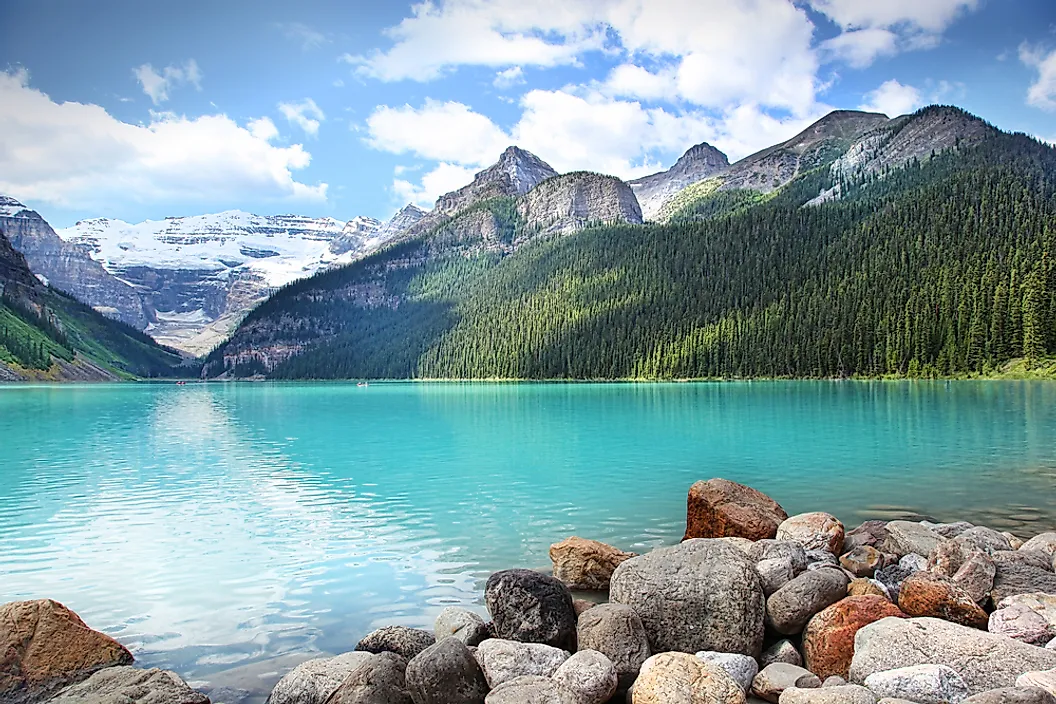
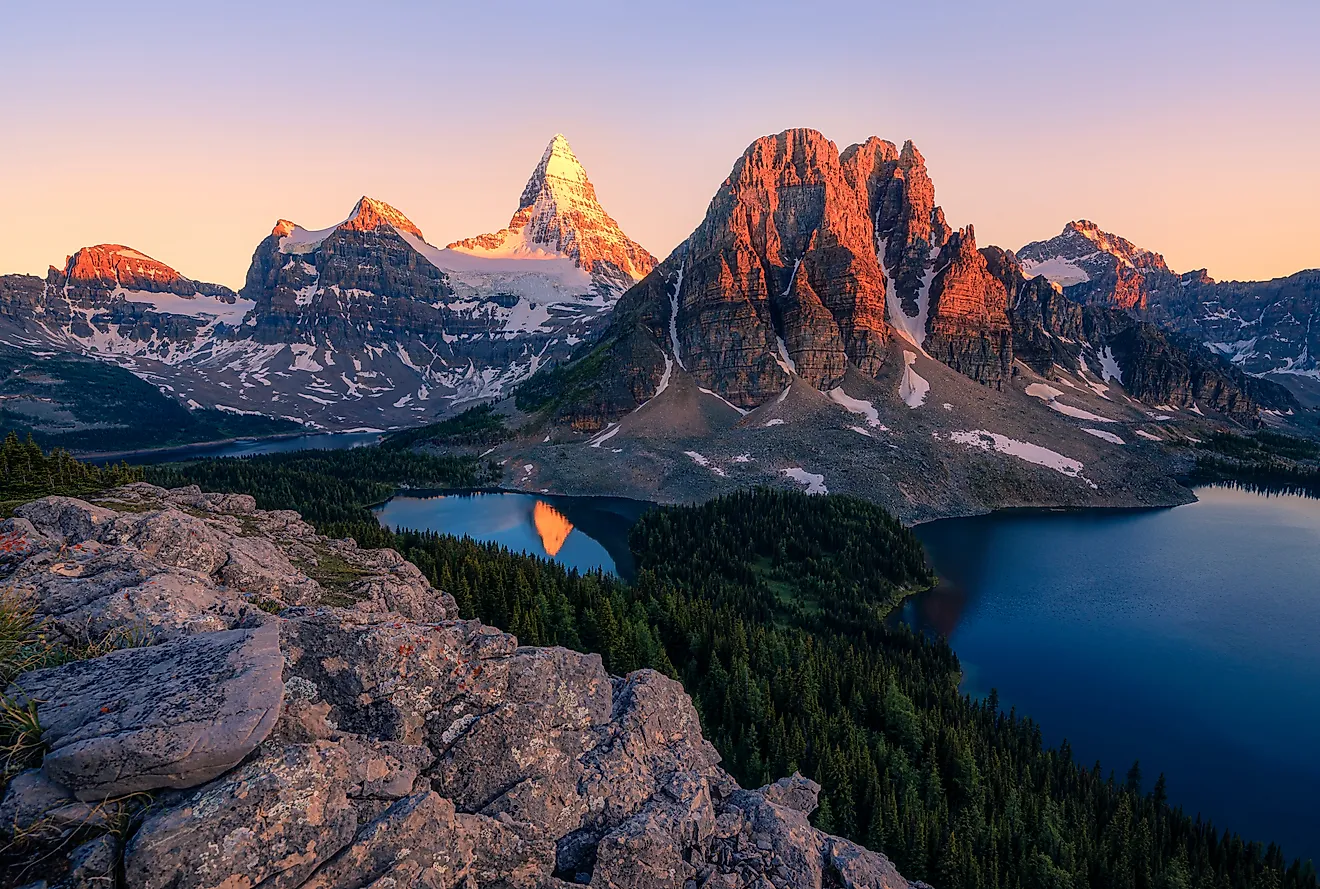
Some places are famous for a reason, and the most photographed water in Canada is one of them, as long as you plan around the logistics. Access is the whole game here. Private vehicles can no longer drive Moraine Lake Road, and the Lake Louise lot fills before sunrise in summer. Reserve the Parks Canada shuttle from the Lake Louise Ski Resort park-and-ride instead. It covers both lakes and connects between them, and it turns a stressful morning into an easy one.
The Lake Agnes Tea House trail is the classic outing, a steep but well-graded climb past Mirror Lake to an alpine cirque with a working tea house at the top. It has poured tea since the early 1900s and takes cash only, so tuck a few bills in your pack. From there you can push on to the Big Beehive for the long view back down over the lake.
The Plain of Six Glaciers trail starts along the lakeshore and climbs into a mountain amphitheater beneath the Victoria Glacier, with a second tea house partway up. Both hikes carry avalanche risk through the November-to-May snow season and are best left alone in that window. Down at the water, the boathouse on the west shore rents canoes by the hour. The rate is steep enough that most people paddle once and simply remember it. For a different vantage, the Lake Louise Gondola runs across the highway at the ski resort, with grizzly-viewing from the chair and an interpretive center up top. For a bed, Mountaineer Lodge is right in the village, with breakfast included, an indoor hot tub and steam room, and a ski shuttle in winter.
Waterton

Down in Alberta's far southwest corner, the prairie runs flat to the horizon and then the Rockies leap straight up with nothing gradual about the handoff. That abrupt meeting is Waterton's signature. The park is much smaller than Banff or Jasper, which is exactly its charm, and three days covers it properly rather than leaving you rushed.
Cameron Falls sits right inside the townsite, so you can walk to a serious waterfall straight from dinner. Trails climb both banks for different angles, and there is a viewing platform above the drop. The Red Rock Parkway runs nine kilometers from the highway to Red Rock Canyon, where iron in the bedrock has stained the walls a deep rust. The canyon loop is short and family-friendly, and a side trail carries on to Blakiston Falls and its overhanging platform. In winter the parkway closes to vehicles, which makes it excellent fat-biking.
Bear's Hump is the view everyone photographs, a short but steep climb from behind the visitor center to a perch above Upper Waterton Lake, which stretches south toward Montana. Go at sunrise or sunset. Save your second day for the Waterton Shoreline Cruise, which runs the length of Upper Waterton Lake and crosses the international border to Goat Haunt, so pack a passport if you plan to step off. Locals point newcomers to the evening wildlife sailing. For lodging, Waterton Lakes Lodge Resort spreads 80 suites across eleven chalet-style buildings in the middle of the townsite, with room types from standard doubles to full-kitchen family apartments, and everything in Waterton is within walking distance from there.
Nordegg

This is where the odometer starts to matter. Nordegg lies three and a half hours west of Edmonton along the David Thompson Highway, a former coal town with a year-round population you could seat in a school gym and scenery that outclasses places ten times its size.
The Brazeau Collieries Mine Site is the reason Nordegg exists at all. Nearly all the processing buildings still stand, and the site now carries National Historic Site designation, with guided two-hour walking tours running in summer out of the Nordegg Heritage Centre. The route takes you through a 1950s briquette plant and into a mine entrance. About 27 kilometers west, Crescent Falls drops in two cascades through a crescent-shaped canyon on the Bighorn River. You can park close to the falls or hike in along the canyon rim, which is the better version if your legs are willing.
The Siffleur Falls trail leaves a lot on Highway 11 and runs roughly eight kilometers return, crossing Alberta's longest suspension bridge on the way to a slot canyon and waterfall. It never gets steep and suits mixed groups of all ages. Then there is Abraham Lake, Alberta's largest reservoir, glacier-blue in summer and famous in winter for the methane bubbles frozen in suspension beneath the ice. Preacher's Point is the classic viewpoint. For a place to stay, Aurum Lodge sits 44 kilometers west at Cline River overlooking Abraham Lake, with lodge rooms on a partial meal plan or self-contained cabin and apartment units, and a restaurant on site. It stays open year-round.
Grande Cache

Two hours north of Jasper on Highway 40, Grande Cache perches on a plateau with 21 peaks and two river valleys in view at once. Being genuinely hard to reach is part of the deal, and it is precisely what keeps the place quiet.
The essential stop is Sulphur Gates Provincial Recreation Area, a short drive northwest of town, where the Sulphur and Smoky Rivers meet between vertical bedrock walls. Paths, stairs, and boardwalks frame the confluence from several angles. On the way in, pull over for the Crack of Doom, a glacial fissure in the rock that also features on the route of the Canadian Death Race. Sulphur Gates doubles as the eastern gateway to Willmore Wilderness Park, which protects 4,597 square kilometers of backcountry laced with more than 750 kilometers of trail. There are no services out there, so day-trip the edges unless you are properly equipped. Local outfitters run horseback trips deeper in for anyone who wants the full experience.
For a shorter day, the seven-kilometer trail to Eaton Falls leaves the same area, and Grande Cache Lake has a beach, a paddle, and a flat walk close to town. The Grande Cache Hotel sits central to the townsite and comes in far below anything you would pay in the mountain parks.
Jasper

Jasper looks different than it did three years ago, and that is worth knowing before you arrive. The 2024 wildfire took roughly a third of the townsite, and the rebuild is still underway, so hotel rooms remain in shorter supply than before. Book early. The park came through in far better shape than the town, and the landscape most people drive out for is intact.
Miette Hot Springs is about an hour east of the townsite up a switchbacking side road, and the water arrives hotter than any other springs in the Rockies before being cooled to a temperature you can actually sit in. The Sulphur Skyline trailhead leaves the same parking lot, which suggests a tidy order of operations: climb first, soak second. The Jasper SkyTram carries you up Whistlers Mountain in under eight minutes to a summit boardwalk with the Athabasca Valley laid out below. Late afternoon is quieter and the light is better.
Athabasca Falls is a kilometer of easy walking from the lot off Highway 93A, with viewing platforms over a narrow gorge where the whole river funnels through limestone. It stays open year-round and takes under an hour. Save the evening for Pyramid Lake, ten minutes from town. Rent a canoe at the resort, walk the bridge out to Pyramid Island, and stay for dark, because Jasper is a Dark Sky Preserve and the island is one of the finest places in the park to prove it. For a bed, the Whistlers Inn sits in the middle of the townsite, walkable to everything still standing.
Pick Your Distance And Go
The best of Alberta sits well outside its two big cities. A tea house above an alpine lake, a river canyon nobody back home has heard of, a beach that has warmed up by June. The pleasure of a long weekend is that three days reaches any of it and still gets you home in time for Monday. Sylvan Lake and Drumheller are a Friday-evening hop, easy to pull off on a whim. Waterton, Nordegg, and Grande Cache take a good deal more driving, and the reward is emptier trails at the end of it. Whichever way the mood tips, check the park advisories the morning you leave, then point the car and drive. This province is a lot bigger than the stretch between Calgary and Edmonton lets on.