6 Rattlesnake Hotspots In Tennessee
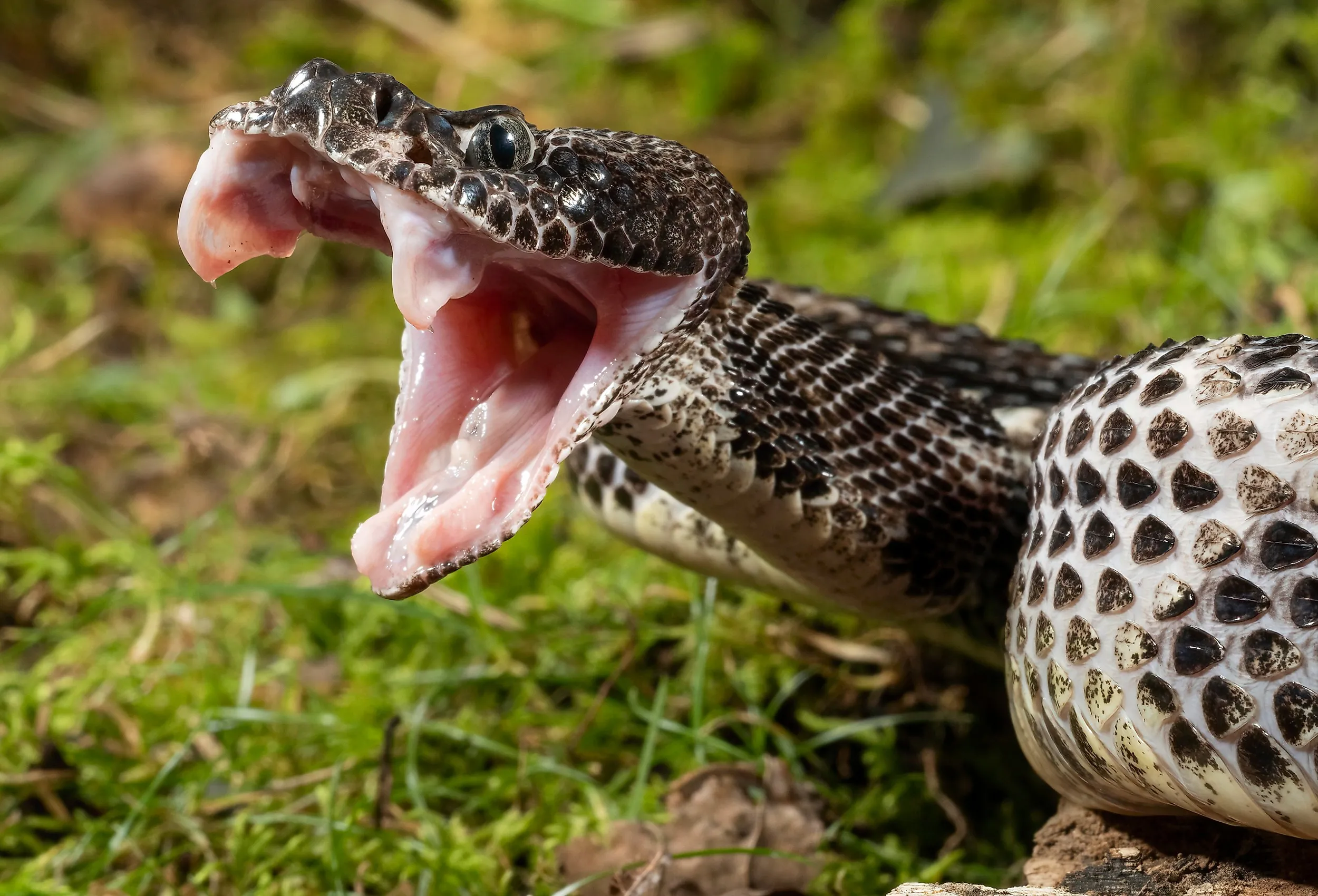
Tennessee has two main stars in the rattlesnake world: the timber rattlesnake (our biggest, baddest local with that signature buzz) and the pint-sized pygmy rattlesnake (more of a subtle fizz than a full rattle). These snakes prefer to hunt rodents rather than chase hikers. Bites are not rare, but they are completely avoidable. Think approximately 50 reports a year statewide, mostly from folks who got a little too hands-on or stepped where they shouldn't. On average, about five deaths occur each year in the United States out of an estimated 7,000 to 8,000 venomous snake bites.
Across Tennessee, rattlesnakes are way more likely to slither off than play tough guy. They are eco-heroes, keeping the mouse population in check so your cabin stays nibble-free. Rattlesnakes rely on their surroundings to regulate body temperature; hotspots like rocky ridges, sunny ledges, cozy dens, and swampy edges. While you enjoy the views in Tennessee's top hot spots, keep those eyes peeled and give snakes the space they need for a memorable encounter with one of nature's most feared animals!
Great Smoky Mountains National Park

The Great Smoky Mountains are one of the first places tourists want to check out when they visit Tennessee. Those dreamy, misty ridges, quiet valleys, and black bear selfies galore make for memorable vacations. Snakes rarely make the brochure, but they are very much part of the cast. Because the Great Smoky Mountains National Park covers such a large area with many elevations and habitats, it supports more snake species than most people expect.

While Tennessee is home to 32 snake species, only 23 call this national park home, with two packing venom: the classic timber rattlesnake (loves those sunny rock ledges and forest edges) and the northern copperhead. Timber rattlesnakes spend most of their time being extremely still and extremely unbothered. The copperhead prefers rocky stream banks and stone-heavy areas.
You are far more likely to spot nonvenomous snakes like rat snakes, kingsnakes, garter snakes, and water snakes. Most encounters happen when someone strolls through leaf-covered ground without looking down. Understanding how these snakes behave and where they hide can help you stay calm and aware.
Cherokee National Forest

This massive 655,598-acre playground in the Appalachians is like a giant sun-warmed rock garden for timber rattlesnakes. Sun hits different angles here, temperatures shift quickly, and wildlife adjusts accordingly. South-facing slopes warm early in the year, making them popular tourist spots. Since hikers love the same sunny clearings and ridge views, that is where snakes are often spotted.
Spring is when sightings are most common, not because snakes are bold, but because they are busy shaking off hibernation and warming up after winter. Talus fields, exposed ridges, and rocky cut slopes along forest roads are all common places for snake sightings.

Near Bald River Falls, water, stone, and shade converge, which draws wildlife of all kinds. This is a good place to watch your step, especially when climbing over logs or setting up camp off the beaten path. The Cherokee National Forest is remote, peaceful, and full of that classic forest magic with a rattle!
Big South Fork National River and Recreation Area

The Big South Fork is 125,000 acres of sheer cliffs, gorges, and quiet forests along the Cumberland Plateau. This landscape is tailor-made for timber rattlesnakes, who use rock cracks and loose stone for shelter.

Copperheads also pop up along trails, especially during evenings. Both species usually stick to land but can show up near water when conditions are right and toasty. The Big South Fork is a rugged beauty at its finest; however, mishaps can happen.
A well-known incident involved a golden retriever named Tate who was bitten by a copperhead while hiking near the John Muir Trail. Despite quick veterinary care, the dog later died. Such cases remain uncommon, but they show why keeping pets leashed, avoiding bushes, and hiking earlier in the day matters.
Fall Creek Falls State Park

Fall Creek Falls State Park sits on the edge of the Cumberland Plateau in central Tennessee and covers more than 29,000 acres. Fall Creek Falls is famous for its waterfall, a 256-foot plunge into a rocky gorge that draws more than 750,000 visitors a year.
The plateau's rocky ledges, talus piles, and pine-oak ridges are prime real estate for snakes. Copperheads are the venomous snake visitors are most likely to encounter here, often blending perfectly into leaf litter near trail edges. Timber rattlesnakes are also present, favoring rocky slopes and open ledges.

Nonvenomous snakes like gray rat snakes, racers, and garter snakes round out the lineup. The rule of thumb is simple: look before you step and scan rocks before sitting. Most snakes prefer to avoid humans and only become aggressive when threatened.
Reelfoot Lake State Park

Reelfoot Lake State Park started out as a massive shallow lake born from the 1811 to 1812 earthquakes that swallowed land and let the Mississippi River flood in. The park feels different from most places in Tennessee.

Cypress swamps, flooded forests, and quiet marshes feel like you have stepped into the Deep South rather than the upland landscapes most people associate with the state. Wildlife here follows different rules. While people come for birds, fish, and bald eagles, the action for snakes happens just past the waterline. Raised trails, levees, and swamp edges create warm, dry strips where timber rattlesnakes and cottonmouths like to rest and hunt.
Savage Gulf State Park

With deep gulfs, stone ledges, and long stairways clinging to rocky walls, the Savage Gulf State Park feels dramatic and untamed. Timber rattlesnakes love the cliffside dens and sunny ledges for that perfect temp control.

Sightings are more likely near bluff edges and exposed trail sections. That said, the park made headlines after a hiker died from a rattlesnake bite. Officials reported the man picked up the snake before being bitten.
Events like this are extremely rare, but they highlight a simple truth. Wildlife should be admired, not handled. Watching your footing, keeping your hands off rocks and logs, and giving snakes space keeps hikes peaceful.
Tennessee's rattlesnakes are like the quiet bouncers of the ecosystem. They keep rodents in line so diseases don't spread and your picnic stays pest-free. They thrive where rock meets sun, shelter meets food, and trails meet terrain. While you are unlikely to spot a pygmy rattlesnake, as they are very rare and imperiled, you may find a timber rattlesnake during your adventures through the state. Most "encounters" are just a polite rattle and a quick exit. With proper respect, these hotspots deliver stunning hikes, waterfalls, and wildlife without drama.
Keep it simple: Sturdy boots, stay on trails, watch your step on rocks and logs, leash pets, and if you hear that telltale buzz, just back away slowly and smile. No handling and no poking! Just appreciate from afar. Pack binoculars for safe spotting, and you will come home with epic stories and zero regrets.