6 Copperhead Snake Hotspots In Mississippi
Mississippi is home to more than 50 species of snakes, of which only a handful are venomous. Copperheads are among the most frequently encountered venomous snakes, showing up across most of the state, with the immediate Gulf Coast and barrier islands as notable exceptions. They do best where ground cover is thick and moisture is nearby, such as in accumulated leaf litter, downed limbs, brush piles, and shaded edges that support common prey, like frogs, lizards, and rodents. These ingredients are plentiful in the popular hotspots below, especially along creeks, wooded slopes, and mixed hardwood bottoms.
Tishomingo State Park

In the foothills of the Appalachian Mountains, the landscape in and around Tishomingo State Park is a bit unusual for Mississippi, with massive rock formations, fern-filled crevices, mossy boulders, and bluffs above Bear Creek. That is an attractive combination for copperheads. Rock cracks and shaded crevices create dependable hiding places, and the park’s wooded trails keep a steady layer of leaf litter where a camouflaged snake can wait in ambush. Add a rocky-bottomed stream corridor and mixed hardwoods and pines along the creek, and you get a long, cool “edge habitat” that concentrates prey and offers cover.
While visiting the park, consider that encounters are most likely to occur near trail edges and in leaf-choked hollows close to water. The park includes a network of hiking trails, disc golf courses, and rock climbing routes, as well as a swinging bridge across Bear Creek and primitive campsites and rustic cabins, making it a popular destination for locals and tourists alike.
Clark Creek Natural Area

Clark Creek Natural Area is a steep, waterfall-laced pocket of southwestern Mississippi with more than 700 acres and upwards of 50 cascades. The park itself warns visitors they may see venomous snakes, which makes sense, given the area's shaded ravines, wet rock, and dense woodland corridors that stay humid even when nearby uplands dry out.
One of the appeals of Clark Creek for both humans and wildlife is its relative isolation. Nature trails are only accessible on foot, and motorized vehicles and hunting are prohibited. This makes for an undisturbed, protected environment for spotting wildlife such as black bears, migratory birds, amphibians, and, of course, snakes. There is a thriving ecosystem at work here, and copperheads play a key role in maintaining balance by feeding on lizards, frogs, and other smaller species.
De Soto National Forest

The De Soto Ranger District features a diverse landscape of pine ridges and hardwood wetlands, interwoven with streams. This area includes everything from dry, sandy hills to tupelo-bald cypress swamps and upland hardwood forests. Such a wide variety of habitats is ideal for copperheads, which thrive in Mississippi's hardwood forests, pine areas, and lowland regions.
The edges of streams and seasonally wet areas attract their prey, while forest debris offers the ground-level shelter they rely on daily. Notably, the Black Creek corridor in the district is particularly welcoming to snakes due to its sandy banks, surrounding lowlands, and dense ground cover that enhances their camouflage. Hikers and paddlers should be cautious around sunny sandbars and the leaf line where the lowlands transition to higher ground.
Holly Springs National Forest

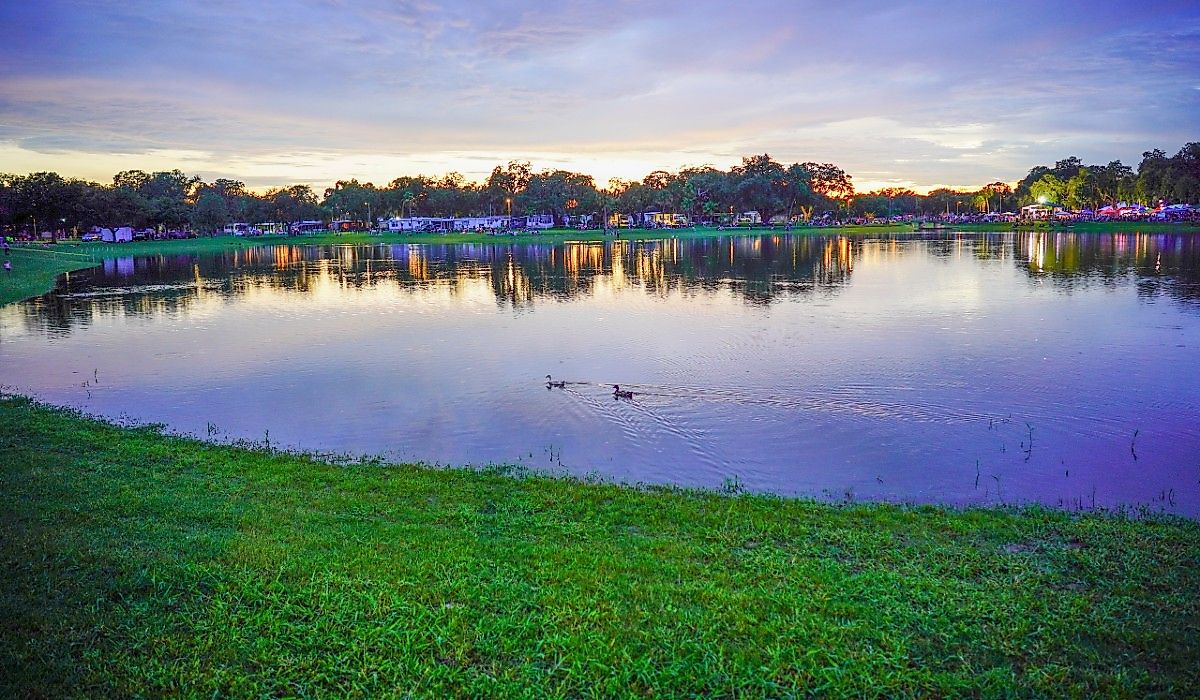
Another diverse habitat for copperheads, Holly Springs National Forest spans 155,000 acres and features small lakes nestled among upland hardwoods, pine forests, and unique bottomlands across various counties. The edges of the lakes and the dam areas near recreational sites attract rodents and amphibians, serving as a food source, while the forest floor provides leaf litter and scattered cover, allowing copperheads to stay hidden and blend in with their surroundings.
Human activity, such as campgrounds and picnic areas, can inadvertently create small habitats with brushy borders, piled firewood, and warm patches of pavement, which attract both prey and snakes. The highest risk for encounters usually occurs during dusk and early evening, when people walk from their campsites to restrooms in low light or along shoreline paths. Visitors should take note and be particularly cautious in popular spots like Chewalla Lake, as well as in the more remote Lake Tillatoba and Puskus Lake.
Tombigbee National Forest and the Davis Lake area

In the northeastern part of Mississippi, the rolling hills of Tombigbee National Forest host a mix of pine and hardwood trees. Among this diverse landscape, the Davis Lake campground area stands out with a hilly mixed hardwood-and-pine forest pressed right against the lake’s shore, close to the Natchez Trace Parkway. This lakeshore geography matters because it concentrates activity at the forest-water boundary, which draws frogs, small mammals, and the predators that follow.
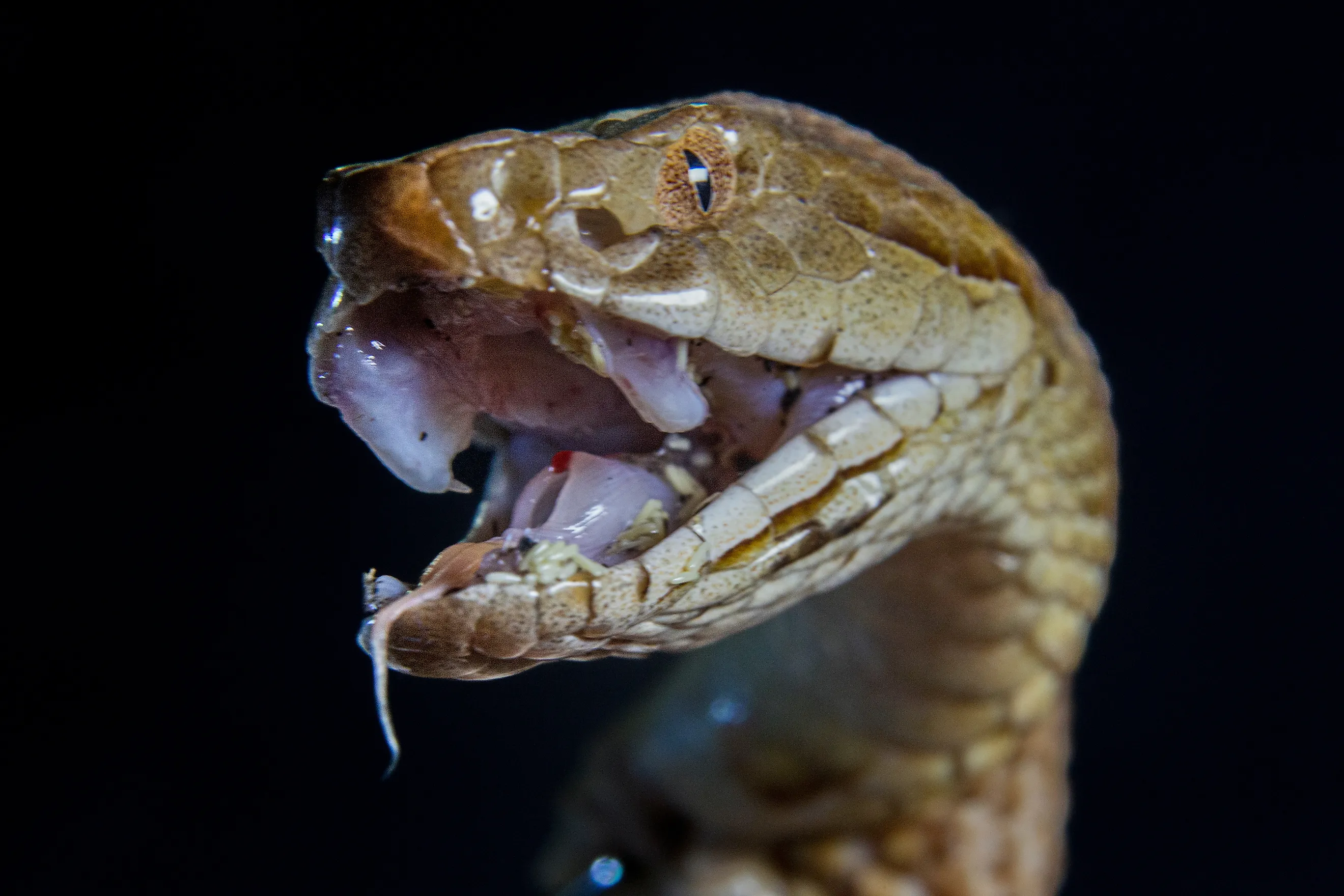
Additionally, copperhead snakes are commonly found in areas people often overlook, such as leaf piles and wood debris. In Mississippi, many snake bites occur when individuals accidentally cross paths with a copperhead, as this is one species that does not tend to flee or retreat when it senses a threat. Rather, it will commonly freeze and attempt to camouflage itself, which often works a bit too well and puts both snakes and humans at increased risk. Around Davis Lake, that translates into elevated potential for encounters along shaded tent pads, downed limbs near the bank, and the leaf line beside roads and trails.
Homochitto National Forest

Homochitto National Forest adds another strong copperhead profile, thanks to upland pine, pine-hardwood mix, and bottomland forest tied together by the Homochitto River watershed and additional headwater streams. In Homochitto, creeks and small drainages create damp corridors through otherwise drier ridges, so you get repeated funnels of habitat that can concentrate snakes in predictable places, like streamside leaf mats, root tangles, and brushy edges.
The forest draws visitors for a wide range of recreational activities, such as hiking, mountain biking, and target shooting at the Woodman Spring Shooting Range. As always, vigilance is key when stepping off well-trodden paths, and wearing boots or closed-toe shoes is recommended for added protection and safety.
A Common Mississippi Species

Mississippi copperheads thrive wherever forest cover, leaf litter, and nearby moisture overlap, and the state notes they are common across most regions. Tishomingo’s rock crevices, Clark Creek’s wet ravines, and the big national forests’ bottomlands and lake edges all pack those features into relatively small areas. If you hike these hotspots, stay on marked trails, use a light at night, and do a quick visual check before stepping over logs or reaching into brush lest you find yourself on the receiving end of a surprise encounter with one of these local legends.