7 Nebraska Towns Where Time Stands Still
On this journey across Nebraska, we’ll explore legendary spots like Red Cloud, made famous by the writings of Willa Cather, and the Czech stronghold of Verdigre. Each stop offers a chance to step away from modern noise and appreciate the grit and hospitality of rural life in the Cornhusk State. Whether it’s a town with a population of one or a "Victorian Capital" filled with 19th-century architecture, these locations prove that Nebraska's history is very much alive.
Monowi

Monowi holds a title that sounds like a tall tale: it is the smallest incorporated town in America. In the 1930s, this was a busy railroad stop with 150 people, but today the population is exactly one. Elsie Eiler is the sole resident, acting as the mayor, clerk, treasurer, and librarian. She even signs her own liquor license and pays taxes to herself to keep the single streetlamp burning. It is a place where the silence of the prairie is only interrupted by the occasional traveler stopping to see this one-woman municipality.

The heart of the town is the Monowi Tavern, where Elsie flips burgers and pours cold beer for hunters and curious tourists. Just across the way is Rudy’s Library, a small building housing over 5,000 books. Elsie built it to honor her late husband’s dream, creating a public reading room in a place where most would expect none. Visiting here is a lesson in dedication and the stubborn refusal of a community to simply disappear from the map.
Brownville

Founded in 1854 on the banks of the Missouri River, Brownville was once the primary gateway for westward expansion. It was a chaotic hub for steamboats and the site of Nebraska's first newspaper and telegraph office. Because it was bypassed by major railroads later in the century, the town’s development slowed, which accidentally preserved its 19th-century bones. Walking the streets today feels like stepping onto a movie set, with brick buildings and historic markers at every turn.

History buffs should head to the Captain Meriwether Lewis Dredge or the Ice House Museum, which details how river ice was harvested before refrigeration. For a view of the water, the Spirit of Brownville provides river cruises, while the River Inn Resort allows you to spend the night on a floating boutique hotel. If you prefer the land, stop by Whiskey Run Creek Vineyard & Winery to taste local flavors in a rustic setting that matches the town’s historic atmosphere.
Minden

Minden was established in 1876 by Danish, German, and Swedish immigrants who turned the fertile soil into a productive agricultural center. While it serves as the seat of Kearney County, it is best known globally as the "Christmas City." Since 1915, the community has decorated the local courthouse with thousands of lights, a tradition that draws crowds every winter for the "Light of the World" pageant. It is a town that prides itself on maintaining the holiday spirit of a bygone era.

The most famous attraction here is the Harold Warp Pioneer Village, a massive complex featuring 28 buildings and over 50,000 items that show the progress of American life. You can see everything from a sod house to vintage Cadillacs and a steam carousel. Afterward, catch a show at the Minden Opera House or view local artifacts at the Kearney County Historical Museum. The town remains a bastion of tradition, where the values of the early settlers are still celebrated annually.
Red Cloud

Red Cloud is a town deeply intertwined with American literature. Founded in 1871 and named after the Oglala Lakota leader, it became the childhood home of Pulitzer Prize-winner Willa Cather. Much of the town and the surrounding prairie served as the inspiration for her famous novels, such as My Ántonia. Today, the community works hard to preserve the buildings and landscapes that Cather described so vividly, making it a pilgrimage site for readers from around the world.

The National Willa Cather Center is the primary landmark, providing tours of the author’s childhood home and related historic sites. Nearby, the Burlington Depot stands as a reminder of the railroad's influence on the region, featuring exhibits on how the iron horse shaped the plains. You can also visit the Starke Round Barn, a massive and rare architectural feat, or stay at the Historic Hotel Garber. This renovated 1902 building combines old-world craftsmanship with the comforts expected by modern travelers.
Superior

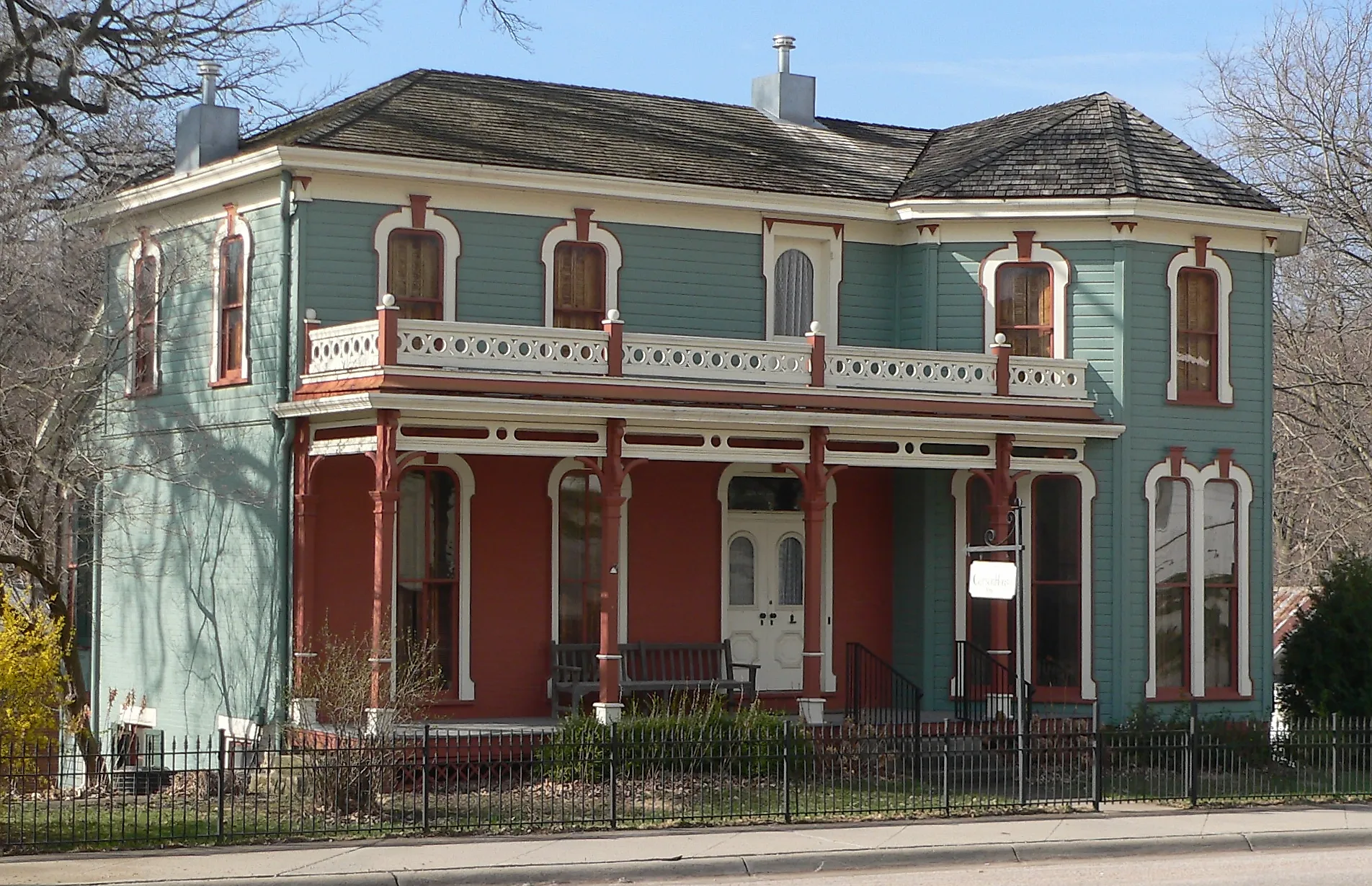
Known as the "Victorian Capital of Nebraska," Superior earned its name from the quality of the land and its early industrial successes. In the mid-20th century, it was a powerhouse of flour milling and cement production. Today, it is a quiet farming hub of 2,000 people that looks much like it did a century ago. The downtown area is listed on the National Register of Historic Places, featuring blocks of well-maintained 19th-century storefronts and residences.

The town honors its most famous daughter, Lady Evelyn Brodstone Vestey, during the Annual Victorian Festival of Superior. Evelyn rose from a local auditor to British nobility, and her legacy is preserved at the Nuckolls County Museum. This museum consists of seven buildings filled with pioneer artifacts and memorabilia from Lady Vestey’s life. After soaking in the history, grab a meal at the Burger Barn, a local favorite that captures the straightforward, friendly vibe of this southern Nebraska community.
Verdigre

Tucked away in the Verdigris Valley, Verdigre is a town that wears its Czech heritage on its sleeve. Settled in the late 1800s, the community has become the self-proclaimed "Kolach Capital of the World." The culture here is defined by folk music, traditional dance, and, most importantly, the food. It is one of those rare places where you can still hear the heritage in the locals' accents and see it in the architecture of the town square.
A stop at the Verdigre Bakery is mandatory to taste authentic kolaches with fillings like poppy seed or cherry. If you visit in June, you can join the Kolach Days celebration, which features parades and plenty of pastries. To learn about the town’s roots, make an appointment at the Verdigre Heritage Museum, which includes an old grist mill and a historic jail. For those wanting a break from history, Verdigre Creek is a great spot for kayaking through the valley.
Sidney

Sidney started as a tough frontier outpost for the Union Pacific Railroad in 1867. During the Black Hills Gold Rush, it was a lawless supply point where soldiers, miners, and outlaws crossed paths. It was once so dangerous it was called the "Wickedest Town in the West." While it is now a peaceful center for business and agriculture, the remnants of its wilder days are still visible for anyone willing to look closer at the local landmarks.

You can visit the Fort Sidney Museum, specifically the Post Commander’s Home, to see how officers lived on the edge of the frontier. To see the darker side of its history, walk through Boot Hill Cemetery, the original burial site for those who lost their lives in the town's early gunfights. For a more relaxed evening, grab a table at Dude’s Steakhouse & Brandin' Iron Bar. This family-run establishment serves up thick steaks and a dance hall atmosphere that keeps the spirit of the Old West alive.
Visiting these seven Nebraska towns is like taking a slow drive through a history book. From the singular persistence of Monowi to the architectural grandeur of Superior, these communities prove that progress doesn't have to mean tearing down the past. They provide a space to reconnect with the roots of the Midwest and understand the grit required to build a life on the plains. Each town has its own way of keeping its story going, whether through a local bakery, a preserved museum, or a simple tavern.
As you plan your next road trip, look beyond the highway exits and seek out these hidden spots. The people you meet and the stories you hear are the true heartbeat of the state. Nebraska’s small towns are not just places on a map; they are enduring symbols of the American spirit that continue to stand strong, regardless of how much time passes by.