5 Tick Infested Areas In Washington
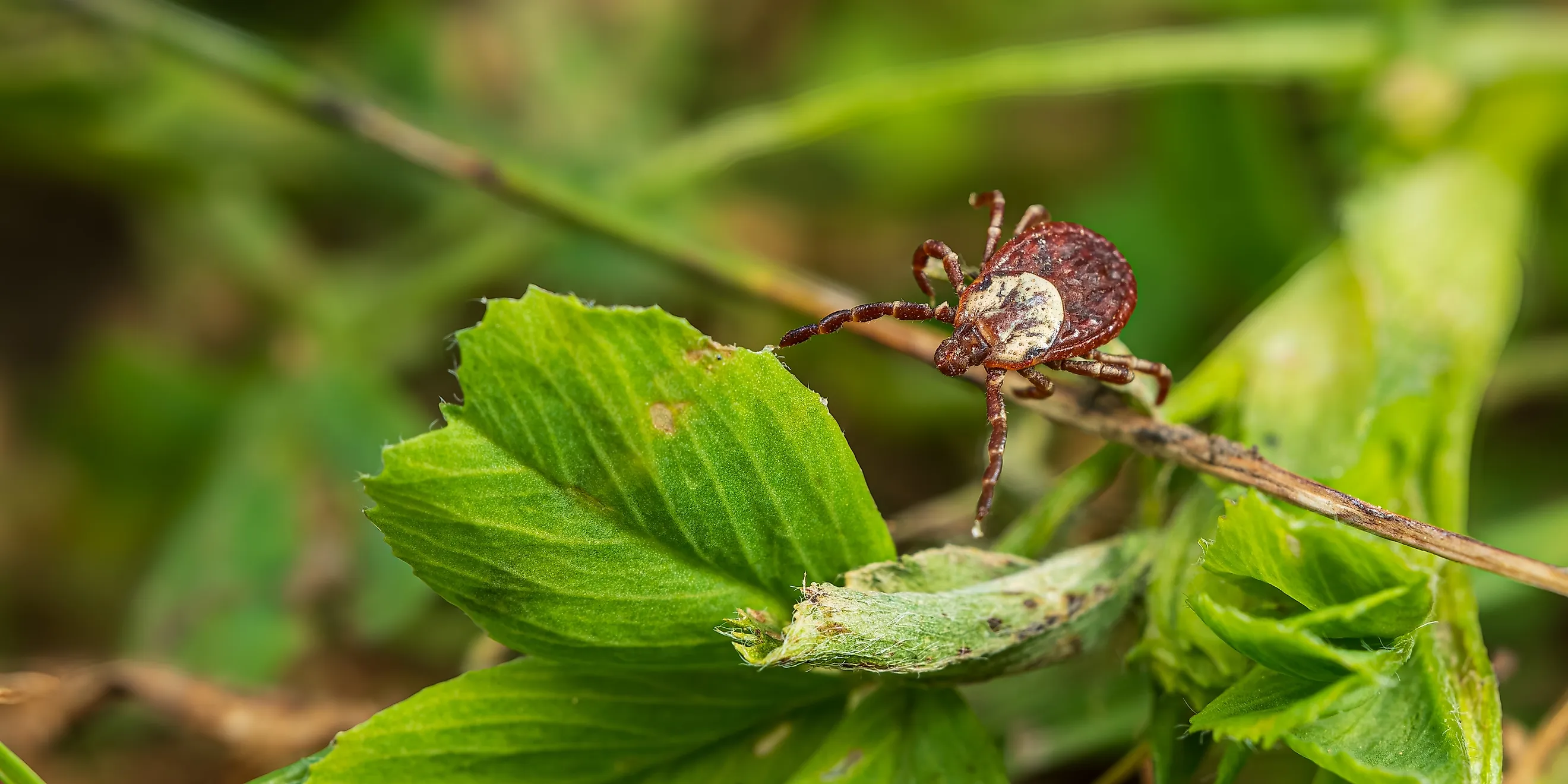
The Rocky Mountain wood tick thrives in Washington's eastern pine forests and dry grasslands. Spokane's Riverside State Park sits at the center of the state's most active tick territory. Open meadows in the Methow Valley near Winthrop and Twisp support the same species. Spring and early summer mark the highest-risk window for hikers and horseback riders. Western black-legged ticks are documented in parts of Wenatchee and along the eastern slopes of the Cascades. Lyme disease and anaplasmosis remain relevant but uncommon concerns alongside tularemia in some counties.
Inland Northwest Dry Forests and Grasslands

Located in the far eastern part of the state, Spokane and the surrounding Inland Northwest are among Washington's notable eastern tick areas, especially for Rocky Mountain wood ticks and western dog ticks. The region's dry climate, rolling hills, and open pine forests create a favorable habitat for Rocky Mountain wood ticks (Dermacentor andersoni) and western dog ticks (Dermacentor similis).
Outdoor destinations such as Riverside State Park and Mount Spokane State Park are favorite recreation spots, but they are also areas where tick encounters are more likely during spring and early summer. Deer and small mammals help sustain tick populations, making encounters common for hikers, mountain bikers, and pet owners.
One illness associated with tick bites in this region is tularemia. Symptoms include a sudden fever, headache, swollen lymph nodes, and a skin ulcer near the bite. Early treatment of tularemia with appropriate antibiotics is essential.
Chelan County Foothills and Shrub-Steppe

Wenatchee and neighboring communities like Leavenworth and Chelan offer some of the state's most beautiful scenery, but the surrounding foothills and shrub-steppe are also tick-prone. The combination of woodland areas, medium-height grasses, shrubs, and sunny woodland edges provides ideal conditions for several tick species.
The western dog tick and the Rocky Mountain wood tick are especially active in foothill trails and recreational areas surrounding the Wenatchee River and Lake Chelan. Visitors who venture into tall grass or brush should take precautions and perform thorough tick checks after spending time outdoors.
Tularemia is one disease risk associated with some of Washington's eastern tick species. Western black-legged ticks (Ixodes pacificus) are also documented along the eastern slopes of the Cascades, making Lyme disease and anaplasmosis relevant concerns in areas where this species is present.
The Methow Valley

Located in north-central Washington, the Methow Valley is renowned for its wide-open meadows, mountain vistas, and abundant wildlife. Spring and early summer are the highest-risk periods, particularly in grassy areas and forest edges. Hikers, horseback riders, and campers should be prepared for encounters with ticks when exploring the valley's grassy and brushy areas.
The Methow Valley's open meadows, sagebrush, and mixed conifer forests provide strong habitat for Rocky Mountain wood ticks. These ticks are commonly reported in the Methow area, where deer and small mammals serve as hosts.
Although Rocky Mountain wood ticks are present, Rocky Mountain spotted fever remains rare in Washington, according to the Washington State Department of Health.
Eastern Slopes of the Cascade Mountains

The eastern slopes of the Cascade Mountains form one of Washington's most notable ecological transition zones. Here, moist mountain forests give way to drier grasslands and brush, creating a favorable habitat for western black-legged ticks (Ixodes pacificus) and Rocky Mountain wood ticks.
Popular hiking areas near Snoqualmie Pass, Stevens Pass, and Blewett Pass can harbor ticks, particularly in lower-elevation meadows and along brushy trails. Anyone venturing into these landscapes should remain vigilant during the warmer months.
The risk of Lyme disease is tied to the presence of western black-legged ticks, although Lyme disease remains uncommon in Washington. Anaplasmosis is also transmitted by the western black-legged tick, and Washington reported its first locally acquired human case in 2022.
Olympic Peninsula Forests

The Olympic Peninsula is famous for its temperate rainforests and remote wilderness. While western black-legged ticks are mainly found in Western Washington and along the eastern slopes of the Cascade Mountains, they can still be found in forested and brushy areas on the Olympic Peninsula.
Visitors to areas around Olympic National Park and surrounding state lands may encounter ticks when hiking through dense undergrowth. The region's abundant wildlife helps maintain these populations, making awareness essential even in this dense, coastal landscape.
As on the eastern slopes of the Cascades, Lyme disease risk on the Olympic Peninsula is tied to the western black-legged tick. Anaplasmosis, while rare, is another documented Washington risk associated with that species, so residents should check their clothing, gear, skin, and pets after moving through brushy or forested areas.
Staying Tick Aware in Washington

Washington's diverse landscapes offer endless opportunities for adventure, but they also support tick populations that can put a damper on your outing. The dry forests surrounding Spokane and the temperate woodlands of the Olympic Peninsula both support tick populations, and these five areas are places where ticks may be encountered.
Knowing where ticks are most likely to occur can help Washington residents follow state health guidance and take practical precautions during spring and early summer.