5 Tick Infested Areas In South Carolina
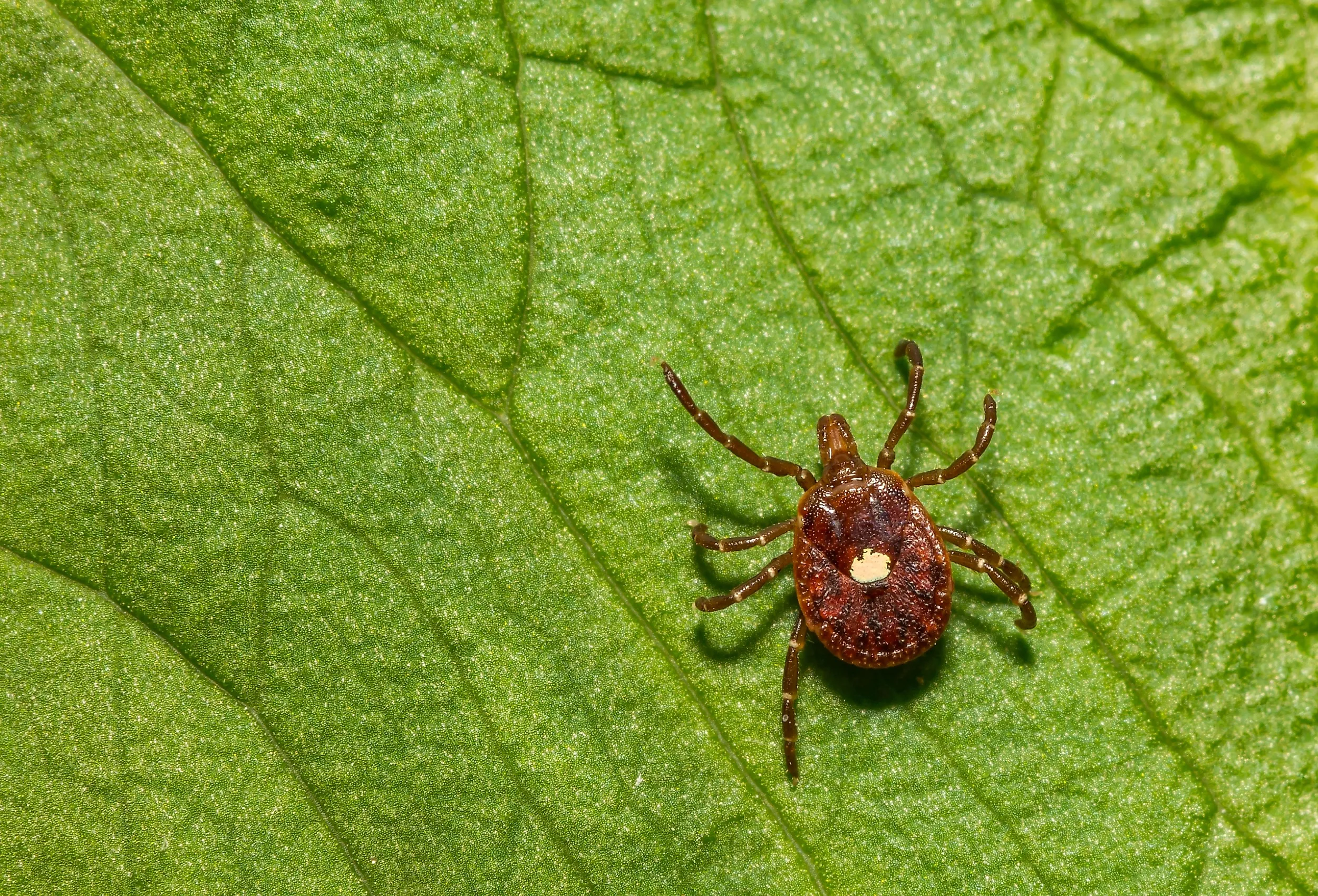
Every South Carolinian who spends time outdoors shares the woods with ticks. Six species turn up here regularly. The lone star tick (Amblyomma americanum) is the one collected most often, followed by the American dog tick (Dermacentor variabilis), blacklegged tick (Ixodes scapularis), Gulf Coast tick (Amblyomma maculatum), brown dog tick (Rhipicephalus sanguineus), and the invasive Asian longhorned tick (Haemaphysalis longicornis). Between them, they are linked to a slew of health conditions, including ehrlichiosis, Lyme disease, and the red-meat allergy known as alpha-gal syndrome. Bites happen year-round, though spring through fall is the busy stretch. Several destinations throughout the state hold exactly the wooded, brushy, and moisture-holding habitat ticks favor.
Francis Marion National Forest

Hurricane Hugo flattened most of Francis Marion in 1989, and the young second-growth woods that grew back are prime tick country. The forest covers more than 250,000 acres of Lowcountry flatwoods, pocosins, and hardwood bottoms northeast of Charleston, across Berkeley and Charleston counties. That patchwork of forest, wetland, and open clearing lets several tick species settle into neighboring habitats. Lone star ticks favor the brushy woodland edges and the deer that move through them. Grassy roadsides and open ground suit American dog ticks, while Gulf Coast ticks turn up in the grasslands of the coastal plain.
Lone star ticks are tied to ehrlichiosis, Heartland virus, tularemia, STARI, and alpha-gal syndrome. Gulf Coast ticks can carry Rickettsia parkeri, one cause of spotted fever rickettsiosis. Skip the tall grass, walk down the middle of the trail, and check yourself once you are back at the car.
Congaree National Park

The Congaree River floods this park about ten times a year, and each retreat leaves behind the damp leaf litter that ticks need to stay hydrated. Roughly 18 miles southeast of Columbia, Congaree protects the largest intact stretch of old-growth bottomland hardwood forest left in the country. Between floods, the shaded floor stays humid enough to keep ticks active well up onto the trails.
Blacklegged ticks live in exactly this kind of cool, moist, shaded forest, and they are the species that carries Lyme disease and anaplasmosis. Lone star ticks track the park's heavy deer population through the brushier ground. American dog ticks tend to show up in the more open vegetation near the boardwalk, picnic areas, and visitor center.
Sumter National Forest

Few places in the state pack this much variety into one forest. Sumter spreads across three separate districts, with the Enoree and Long Cane in the Piedmont and the Andrew Pickens district climbing into the Blue Ridge mountains of Oconee County. A visitor can pass from a cool shaded drainage to a brushy opening to a rocky ridge in a short walk, and each of those settings supports different ticks. American dog ticks stick to the grassy roadsides and mown recreation areas.
Blacklegged ticks can pass along Lyme disease and anaplasmosis. Lone star ticks are the Ehrlichia carriers. American dog ticks are linked to Rocky Mountain spotted fever and tularemia. So it's important to check yourself for ticks every time you leave the woods or the tall grass.
ACE Basin

The federal refuge inside the ACE Basin tells visitors to pack insect repellent year-round, and ticks are high on the list of reasons. Named for the Ashepoo, Combahee, and Edisto rivers that drain into St. Helena Sound, the basin is one of the largest undeveloped estuaries on the Atlantic coast. A single outing can cross maritime forest, freshwater wetland, upland woods, and the grassy levees left over from the old rice plantations. Since the vegetation and moisture shift so much across that ground, different corners of the basin suit different ticks.
The woodland edges, deer habitat, grasslands, and maintained access routes here can support lone star, Gulf Coast, and American dog ticks. State health officials connect those species to ehrlichiosis, spotted fever rickettsioses, tularemia, STARI, and alpha-gal syndrome. The humid coastal climate keeps the wooded, brushy, and grassy areas hospitable to ticks for much of the year.
Santee National Wildlife Refuge

Francis Marion's brigade captured the British fort on the mound here in 1781, and the refuge that grew up around it now runs along 15,000 acres of the Lake Marion shore near Summerton. It's four units mix bottomland hardwood forest, managed wetlands, old fields, and elevated dikes into a habitat worked over by deer, migratory birds, and smaller mammals. Seasonal flooding keeps reshuffling the balance between wet woodland and drier edge, which spreads suitable ground for several tick species across the refuge.
The brushy edges, shaded forest, fields, and grassy access roads all offer ticks a foothold. Lone star, blacklegged, and American dog ticks may occur across the refuge’s wooded, brushy, and grassy habitats, with each species linked to different health risks.
Sharing The Woods Without The Bite
None of these places is off limits, and a few habits keep the ticks off you. Residents run the highest risk along the brush, leaf litter, woodland edges, and tall grass where deer and other wildlife move. The South Carolina Department of Public Health recommends EPA-registered repellents, protective clothing, sticking to established paths, and a thorough check of both people and pets afterward. If you do pull off an unfamiliar tick, the department runs a passive surveillance program with the University of South Carolina and Clemson University Livestock Poultry Health that collects ticks from animals and livestock to map where each species is turning up. It is worth noting that this invasive threat is still spreading, since the Asian longhorned tick was first found in the state in York County in 2020.