5 Rattlesnake Hotspots In Texas
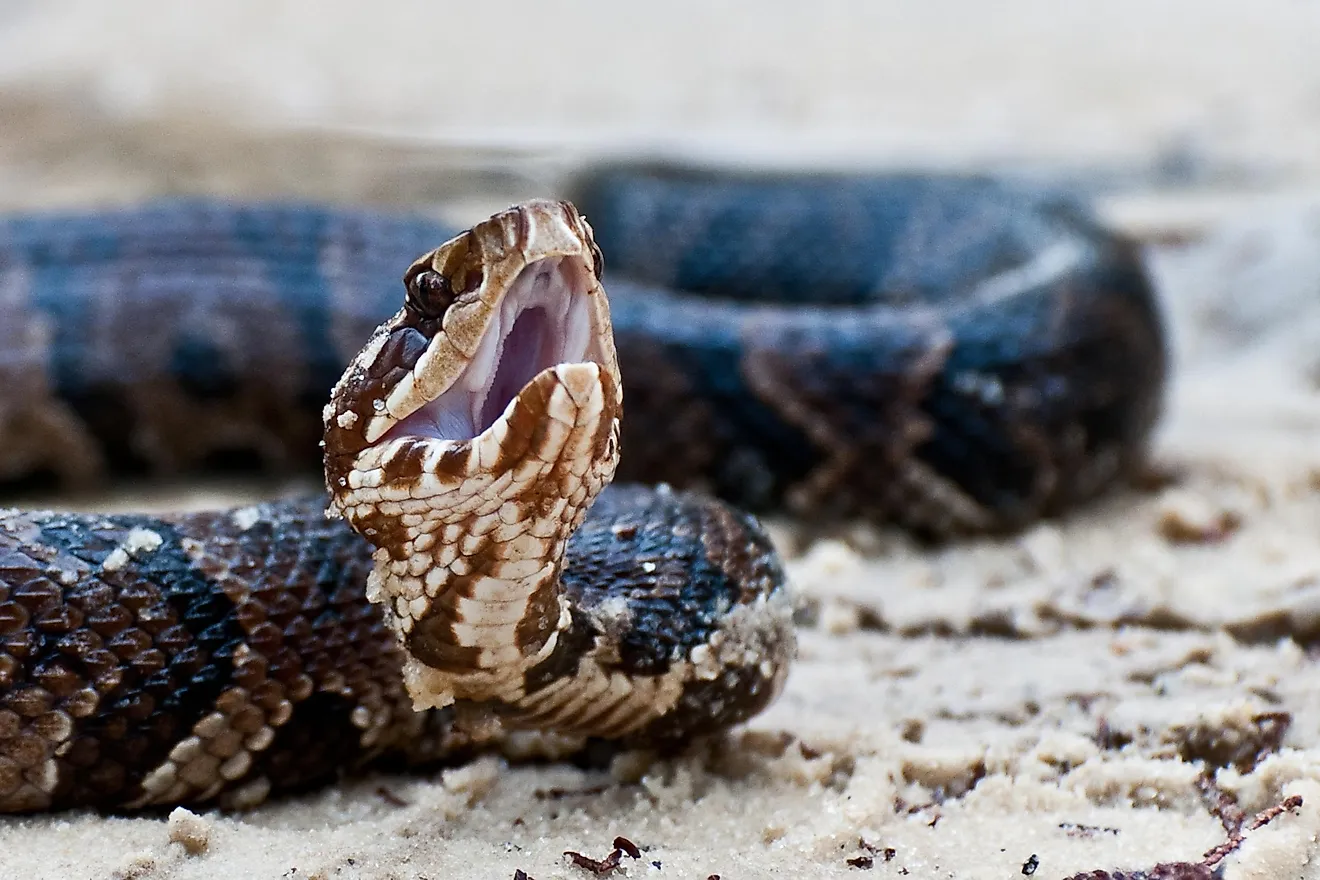
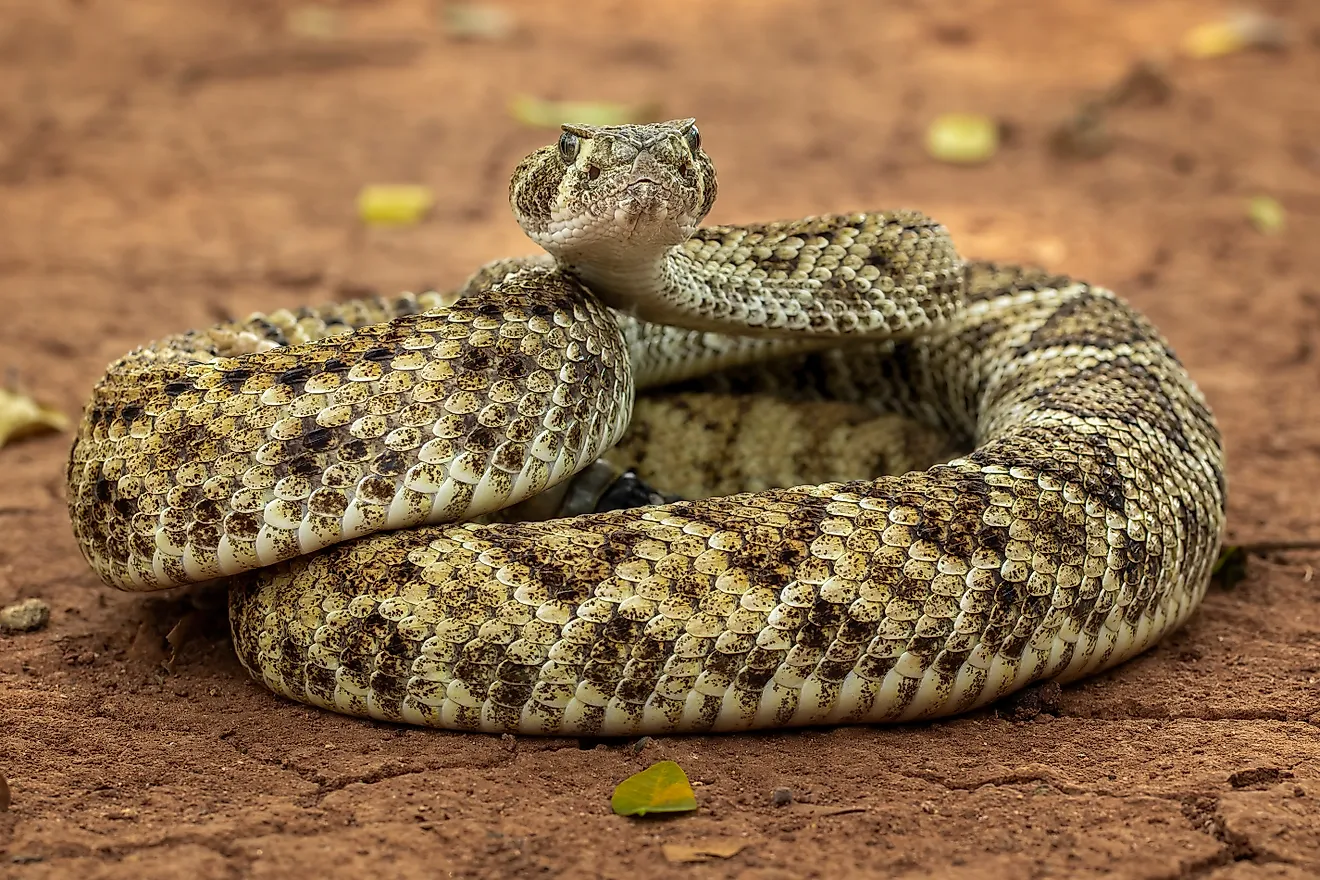
When it comes to snakes, Texas has more than 100 species and subspecies overall, which means plenty of places where rattlesnakes thrive. Only ten of Texas’s snake species are rattlesnakes, including the Western diamond-backed rattlesnake, the timber rattlesnake, and the Mohave rattlesnake.
Texas’s diverse landscapes make ideal habitats for these rattlesnakes, whose most iconic parks, from Big Bend National Park, Guadalupe Mountains National Park, and Palo Duro Canyon State Park to Big Bend Ranch State Park, are home to many of these species. Here are five rattlesnake hotspots and what you need to know about snakes, trails, and outdoor adventures in some of Texas’s most remarkable natural areas.
Big Bend National Park

Big Bend National Park is renowned for some of the darkest skies in the United States, which makes spotting the four species of rattlesnakes that make their home in Big Bend’s vast and varied terrain somewhat difficult. The Western diamond-backed is the most common rattlesnake in the park, but black-tailed rattlesnakes are also seen in the lower desert regions. Rock rattlesnakes are less common, preferring higher, cooler elevations and relying on the protective cover of the rocky terrain from which they get their name, while Mohave rattlesnakes are the least encountered of the reptiles in the park.

The park is a magnet for outdoor enthusiasts who enjoy hiking on 200 miles of trails, backpacking, mountain biking, bird watching, and stargazing. In 2012, the park became an International Dark Sky Park, making it an ideal destination for stargazers who enjoy the solitude of relaxing in a lawn chair with binoculars pointed skyward. For amateur astronomers, the park offers a series of free Night Sky Programs, where you can observe planets, stars, and other celestial wonders through telescopes and guided talks. Big Bend is considered one of the best dark sky parks in the United States, with the least light pollution in the lower 48 states.
Guadalupe Mountains National Park

Guadalupe Mountains National Park encompasses 86,416 acres in West Texas and includes over 46,000 acres of designated wilderness, the largest in Texas. The park is located on the New Mexico border, about 150 miles east of El Paso and 100 miles southwest of Carlsbad. Texas-famous for its iconic 1,000-foot limestone cliff, El Capitan, which rises dramatically out of the desert floor, the park is often mistaken for the world-famous El Capitan in Yosemite National Park in California.

With over 80 miles of well-maintained trails in the national park, hiking is the most popular pastime in Guadalupe Mountains National Park, especially the 8.4-mile round-trip hike up to Guadalupe Peak, nicknamed the “Top of Texas.” The peak is the highest point in the state at 8,751 feet, and the challenging hike gains 3,000 feet in elevation along the trail. The longer, more moderate 9-mile hike along El Capitan Trail leads to the iconic formation, but doesn’t summit the peak.
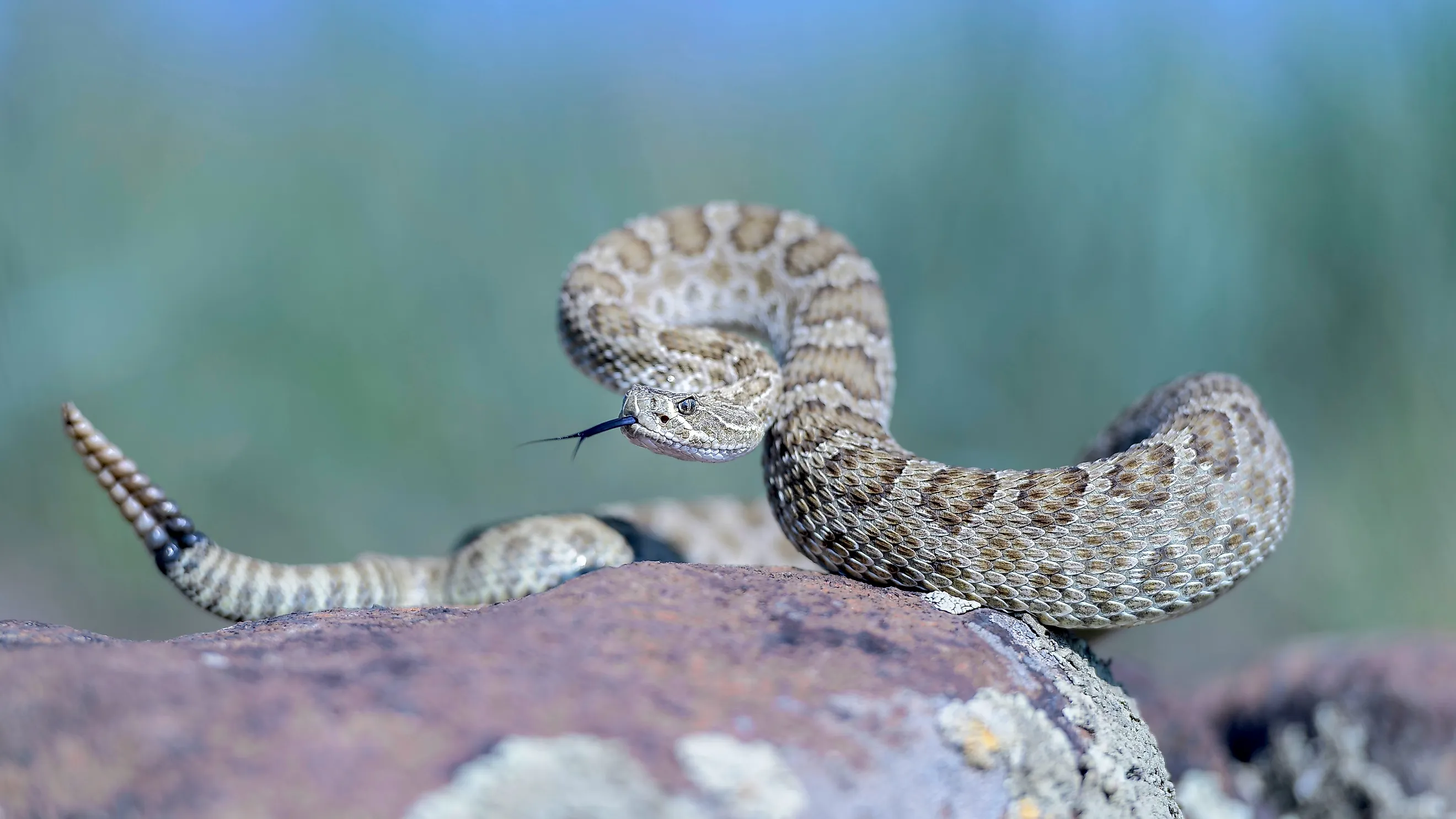
Five types of rattlesnakes inhabit the park, including Western diamond-backed, prairie, and rock rattlesnakes, but snakes are more common at lower elevations near trailheads or in rocky, sunny areas. That said, watch where you step and avoid putting your hands in any crevices.
Enchanted Rock State Natural Area

Enchanted Rock State Natural Area is a massive pink granite dome just north of Fredericksburg, Texas, known for its rich Native American history, spiritual significance, stargazing (it’s another Texas Dark Sky Park), hiking, camping, and rock climbing. It was designated a National Natural Landmark in 1971 by the U.S. National Park Service, which recognizes outstanding natural significance. Enchanted Rock rises about 425 feet above the ground, the tip of a massive granite batholith formed from cooled magma millions of years ago.
The nearly one-mile-long, one-way Summit Trail is one of the most popular hikes in the park, rewarding hikers with spectacular 360-degree views from the 1,823-foot summit after a challenging 45-minute trek. On Saturday mornings from February 7 to June 27, 2026, guided summit hikes are free with park admission and depart from the gazebo at the Summit Trailhead.

Western diamond-backed and black-tailed rattlesnakes have been spotted at Enchanted Rock, near the base of the dome where the granite meets the grass, or along the ledges and crevices of the dome itself, so rock climbers and boulderers should practice extra caution and always check handholds and footholds before grabbing or stepping.
Big Bend Ranch State Park

West of Big Bend National Park is Big Bend Ranch State Park, the biggest state park in Texas, and its unofficial little brother. The state park shares the diverse Chihuahuan Desert landscape of the national park but offers a wilder, more remote experience, with 238 miles of multi-use trails for hiking, biking, and horseback riding, perfect for visitors who want to explore off the beaten path. To discover the park by other modes of transportation, there are 70 miles of unmaintained dirt roads to explore by four-wheel-drive and a 5,500-foot paved airstrip for high flyers.
For water lovers, the park’s location on the north bank of the Rio Grande River offers several access points for kayaking, tubing, canoeing, and fishing. For whitewater rafting enthusiasts, the Colorado Canyon section of the river runs through the state park and includes Class I to III rapids best experienced with a certified local outfitter like Big Bend River Tours. Remember that river adventures do not guarantee a snake-free experience on land, so keep an eye out for rattlers when hiking, wading, or exploring the riverside trails.
Palo Duro Canyon State Park

Palo Duro Canyon State Park is known as the "Grand Canyon of Texas" and is the second-largest canyon in the United States. A magnet for outdoor adventurers, you can explore the canyon on over 30 miles of hiking, biking, and equestrian trails, enjoy horseback riding through 1,500 acres of dedicated space for riding, book an overnight in an air-conditioned, fully-furnished luxury glamping cabin from Palo Duro Glamping, or even take in the 60th anniversary of Texas Outdoor Musical in the park’s Pioneer Amphitheater.

With so many activities to choose from, it’s important to remember that Palo Duro's stunning red rock cliffs, hidden caves, and sunny ledges are an ideal habitat for Western diamond-backed rattlesnakes, while prairie rattlesnakes are more common in the grassy uplands near the edge of the canyon. Hikers along the park’s famous 5.75-mile round-trip Lighthouse Trail to the iconic Lighthouse rock formation should be mindful as they navigate the narrow rocky trails.
Texas is a playground for outdoor enthusiasts and adrenaline seekers, who come for the challenging trails of Big Bend and Guadalupe Mountains, the pink granite summit of Enchanted Rock, the red cliffs of Palo Duro Canyon, and the river running through Big Bend Ranch. They come to hike, bike, climb, stargaze, paddle, glamp, and even take in a famous musical, but there’s really no end of adventure to be enjoyed in the Lone Star State. Ten species of rattlesnakes are part of the landscape in these five rattlesnake hotspots, but with caution and awareness, their presence shouldn’t slow you down. Explore iconic rock formations, panoramic vistas, and some of the darkest night skies in the U.S., all while enjoying Texas’s otherworldly scenery and unforgettable outdoor experiences.