5 Rattlesnake Hotspots In Florida
Florida is a hotbed for a huge diversity of wildlife, thanks in large part to its mainly tropical climate and abundance of water. From the swampy expanses of the Everglades to its interior grasslands and the sun-baked coastline adjacent to both the Atlantic Ocean and the Gulf of Mexico (Gulf of America), snakes in particular love to call this state home.
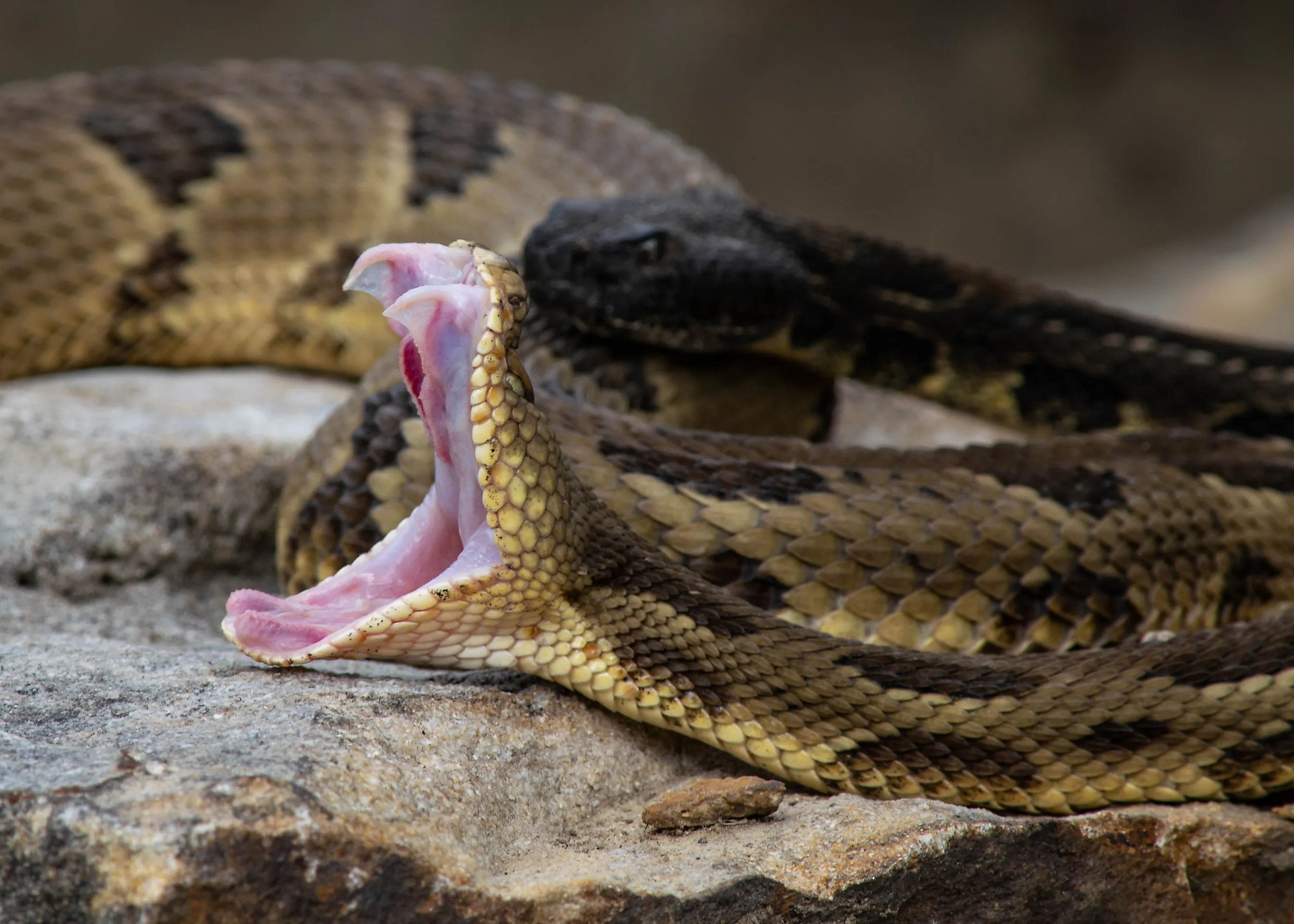
Today, we will focus on one kind: rattlesnakes. In fact, a variety of species, including timber rattlesnakes, eastern diamondback rattlesnakes, and pygmy rattlesnakes, are common here, often found in some of Florida's busiest parklands. Below are some of the region's most prominent hotspots, what makes them so appealing to snakes, and other important tips so that you can enjoy these destinations safely.
Everglades National Park

Everglades National Park is easily one of Florida’s most prolific snake habitats in general, largely because of its size, diversity of landscapes, and minimal human development. Besides its water snakes, nonvenomous species, and invasive Burmese pythons, eastern diamondback rattlesnakes and pygmy rattlesnakes are both present, favoring pinelands, prairies, and the edges of freshwater marshes.
The eastern diamondback, the largest venomous snake in North America, often uses dry hammocks and elevated ground near wetlands, while the pygmys are more common along trails and boardwalk margins.
Seasonal flooding can concentrate wildlife of all kinds on higher ground in the park, increasing the likelihood of encounters from late fall through spring. Furthermore, the park’s exceptionally warm climate allows these cold-blooded creatures to remain active for much of the year, unlike in northern states.
If you're exploring the Everglades, you are most likely to encounter snakes in and around locales like Shark Valley, Long Pine Key, and less-traveled backcountry areas. Regardless of where you are, staying on marked trails and watching foot placement is always essential.
Ocala National Forest

Ocala National Forest is another one of Florida’s most reliable rattlesnake hotspots, with its extensive sand pine scrub, longleaf pine flatwoods, and minimal urban disturbance. Like the Everglades, eastern diamondback rattlesnakes are common here, along with pygmy rattlesnakes, and the occasional timber rattler, each of which can thrive in the area's dry, sandy soils with dense ground cover. This 385,000-acre forest's scrub habitat also provides ideal burrowing conditions and abundant prey such as rodents, birds, and small mammals.
Here, rattlesnake activity increases during warmer months, but mild winters mean encounters are possible year-round. Trails, fire roads, and lightly used campsites are frequent encounter zones, especially where sunlight breaks through canopy cover. Moreover, Ocala’s popularity for hiking, off-road riding, and dispersed camping only increases human-snake overlap, particularly in less-maintained corners. However, all visitors should be especially alert in scrub-covered terrain and avoid stepping over logs or brush piles without clear visibility of where they're going.
Big Cypress National Preserve

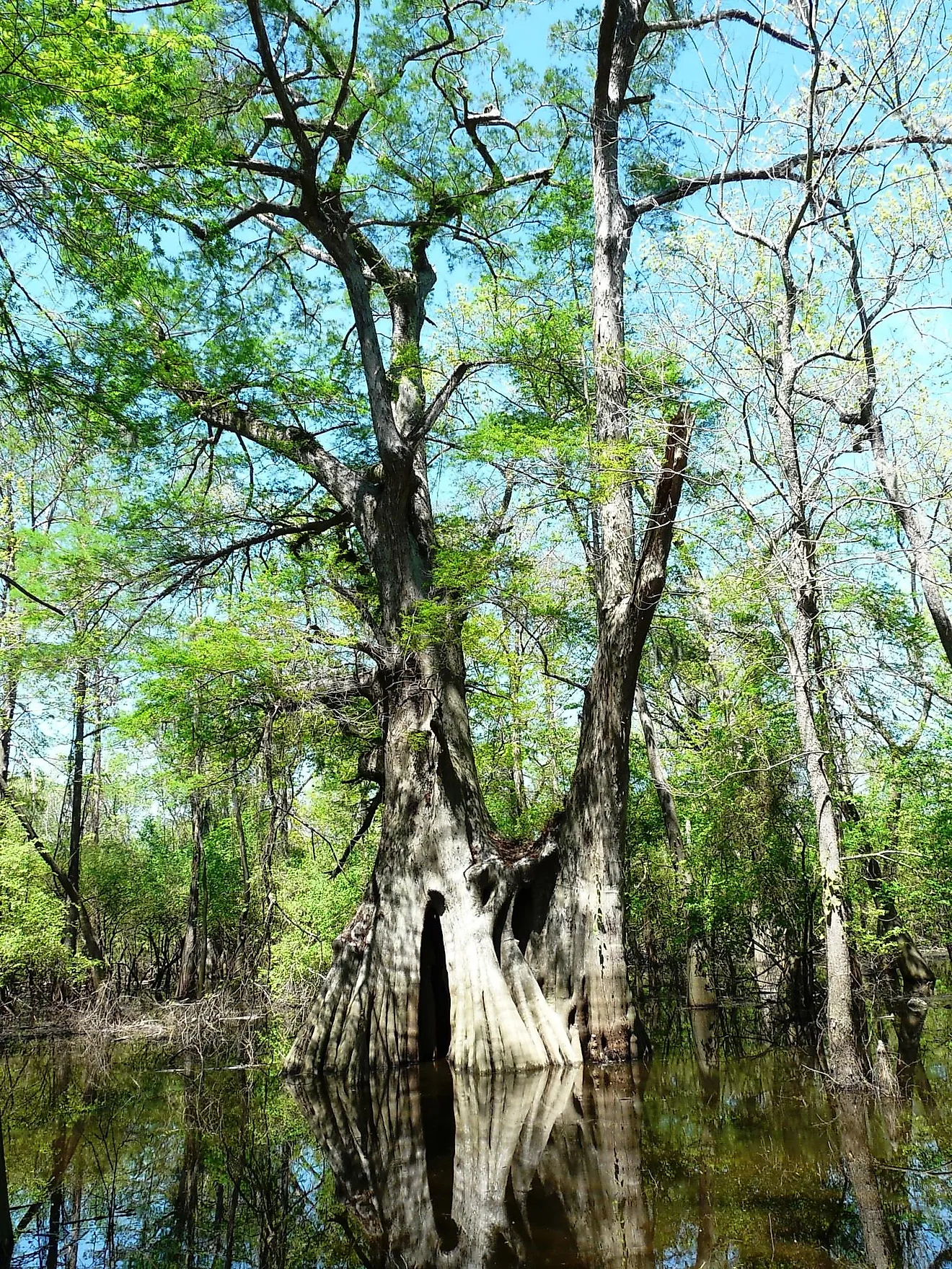
Big Cypress National Preserve is a prime location for spotting reptiles, with its vast wetlands complemented by elevated hardwood hammocks and islands that provide ideal refuges. American alligators, a variety of turtles, eastern diamondback rattlesnakes, and dusky pygmy rattlesnakes are all well established here, with the snakes in particular usually living on dry grounds near swamp edges and flooded prairies.
During the wet season, rising water very often pushes snakes onto roads, levees, and higher trails, where people also regularly visit for recreation or maintenance tasks. Otherwise, the preserve’s predominantly remote character and limited development quietly support stable populations of rattlesnakes, while a huge selection of prey has been known to sustain notably large individuals.
In Big Cypress, run-ins are also most common along Loop Road, its network of hiking trails, and backcountry access routes frequented by hunters, anglers, and campers. Be sure to keep your eyes peeled when walking through tall grass or palmetto thickets, where the aforementioned species rely on camouflage rather than movement for defense.
Apalachicola National Forest

Sitting within the heart of Florida's panhandle, Apalachicola National Forest is a significant nature preserve at the far northern end of the Sunshine State. It is shaped largely by its mix of pine woodlands, wet prairies, and swamps. With that, eastern diamondback rattlesnakes are very common here, with fragmented populations of pygmy rattlesnakes also regularly seen in drier, sandy areas.
Its prescribed fire program does a good job of maintaining open ground cover, which benefits rattlesnakes and other meadow-dwelling fauna. On the other hand, more remote sections of the forest, especially around quiet roads and lightly used campsites, see frequent sightings of rattlesnakes, too.
Visitors partaking in hiking or hunting should be cautious when moving through tall grass, where stepping on a snake by accident can happen. Also note that, like usual in Florida, spring through early fall is the peak activity window in Apalachicola, though warm spells can sometimes trigger movement in winter months.
Withlacoochee State Forest

Withlacoochee State Forest is a lesser-known rattlesnake habitat zone in Central Florida, featuring sizable tracts of sandhill, pine-blanketed woods, and oak hammocks that support, once again, both eastern diamondback rattlesnakes and pygmy rattlesnakes primarily. Dry, sandy soils and open canopy areas provide ideal conditions for basking and denning, especially along firebreaks and lightly maintained trails.
Like Apalachicola, prescribed burns regularly conducted in this state forest improve habitat quality and often bring snakes into more visible, open areas shortly after the fires, although reported encounters are most common near trails, backroads, and transitional zones between its dried-up uplands and wetter lowlands.
Recreational use is lower here than in larger parks, which has allowed steady populations to persist; however, this also increases the need for vigilance wherever you decide to go within it.
Keep an Eye Out for Rattlesnakes in these Florida Snakes
Florida’s multitude of rattlesnake hotspots reflects the state’s diverse and vibrant natural landscapes, ranging from open, dry prairielands to intricate wetlands. These areas make way for healthy snake populations because they have maintained strong environmental protection programs, not just for snakes, but for the creatures they prey on for sustenance as well.
If you wish to do your part, awareness, not fear, is the key takeaway. Understanding where rattlesnakes live and why they thrive here goes far in helping visitors of all kinds to move safely through Florida’s green spaces while simultaneously respecting the role these predators play in the greater ecosystem.