5 Most Rattlesnake-Infested Areas in Virginia
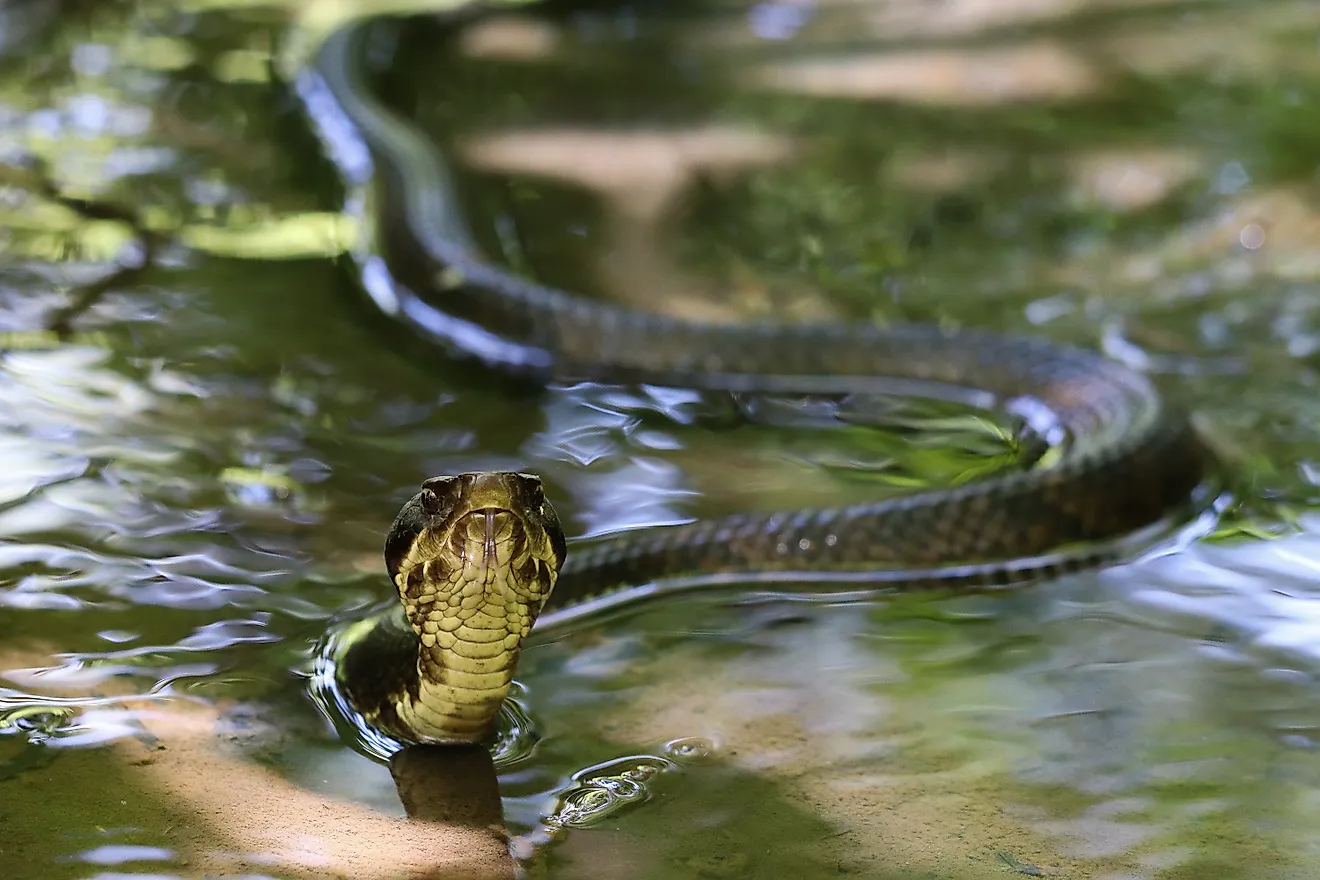
Virginia is a beautiful state, full of stunning natural places to explore, such as its rivers, coastline, and mountainous regions. Every year, thousands of people flock to the state's lakes and water reservoirs to fish, swim and boat. The state's biggest lake is Kerr Lake, which straddles Virginia's southern border with North Carolina. Virginia's lakes and waterbodies are home to an incredibly array of ecosystems. Lake Drummond for example is near the Great Dismal Swamp National Wildlife Refuge, an area with an abundance of biodiversity. According to the Virginia Department of Wildlife Resources, there are only three venomous snakes in Virginia: copperheads, timber rattlesnakes, and water moccasins (cottonmouths). All the lakes and waterbodies in Virginia have an abundance of wildlife, and rattlesnakes are no exception. Let's learn about the five most rattlesnake-infested areas in Virginia.
Lake Gaston

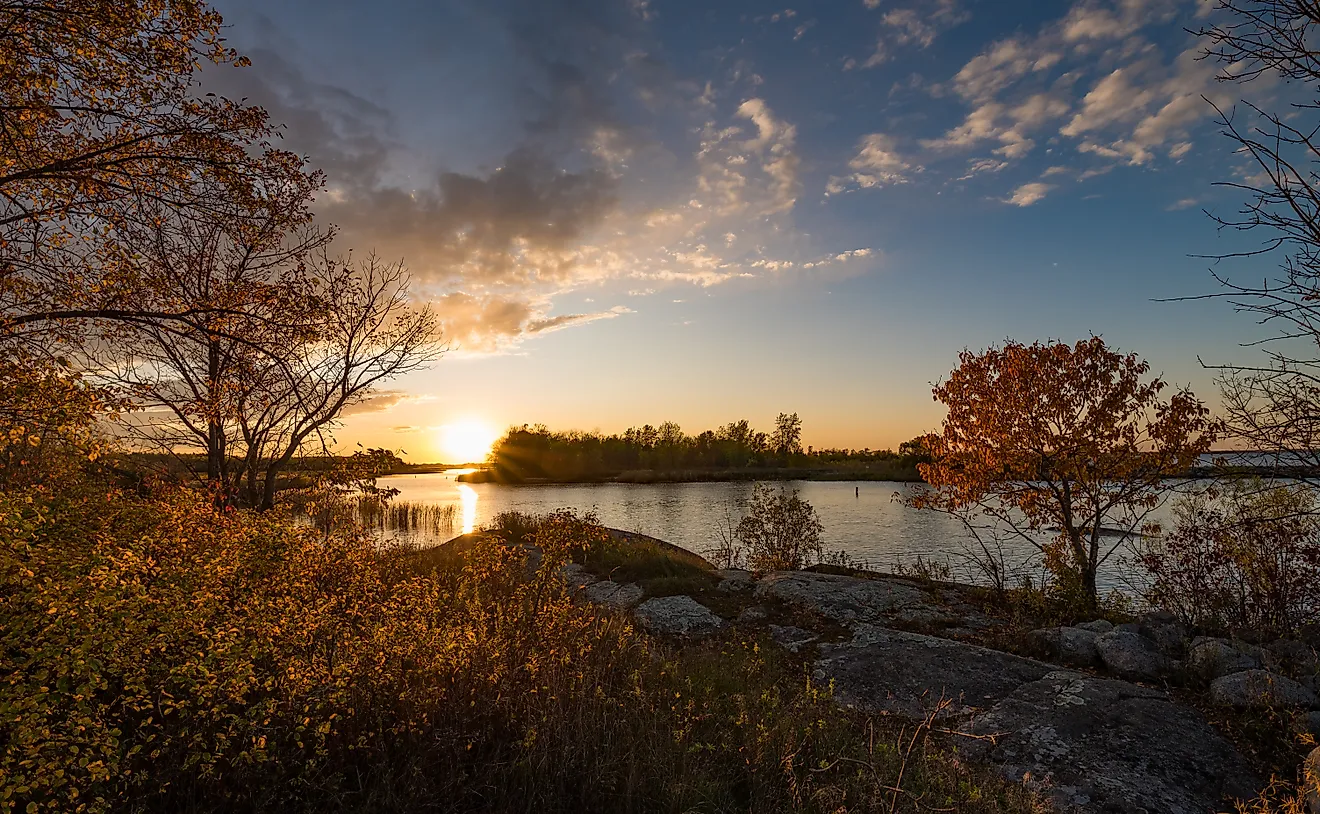
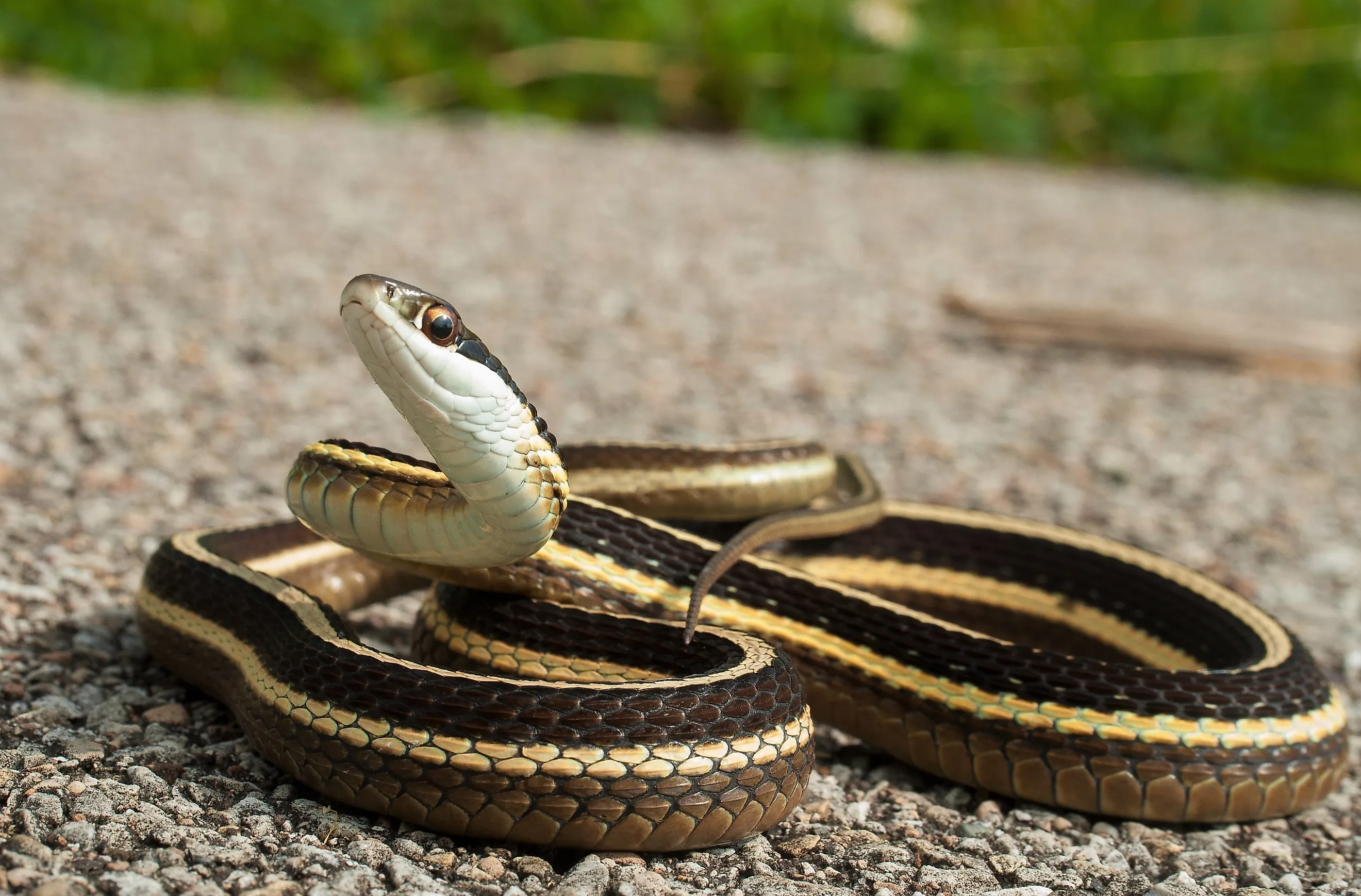
Another lake that rests on the Virginia-North Carolina border, attracting visitors to its natural beauty, is Lake Gaston. Fishing is a popular recreational activity on the lake, since there is an abundance of largemouth bass, striped bass, and catfish. Swimming, boating, and camping are also popular activities on Lake Gaston. While the lake is undeniably a beautiful location to enjoy these recreational activities, it is home to a variety of snakes. Some of the common nonvenomous snakes that visitors might encounter include the northern water snake and the eastern garter snake. Venomous snake species can also be found around the lake, including rattlesnakes, copperheads, and cottonmouths. According to the state's Department of Game and Inland Fisheries, Lake Gaston is the place where the highest number of snake bites have been reported. However, snakes don't usually attack unless provoked. Knowing this and keeping your distance, especially if guests are swimming, is important to remember. Typically the snakes at Lake Gaston live in the surrounding vegetation and marshy areas near the lake.
Smith Mountain Lake

Smith Mountain Lake is Virginia's second largest body of water, spanning 20,000 acres. Located in the Blue Ridge Mountains of southwest Virginia, the area attracts thousands of visitors every year. There is lots of wildlife in the area, including a large population of northern water snakes, a nonvenomous species that's sometimes confused with the venomous cottonmouth. Often the northern water snake is seen near the lake's shoreline. On sunny days they are seen sunbathing on rocks. Other snakes that visitors might find include the ribbon snake, eastern rat snake, and the eastern hognose snake. The venomous copperhead and cottonmouth snakes are found in the area but are rarer to spot than the nonvenomous snakes at Smith Mountain Lake.
Lake Anna

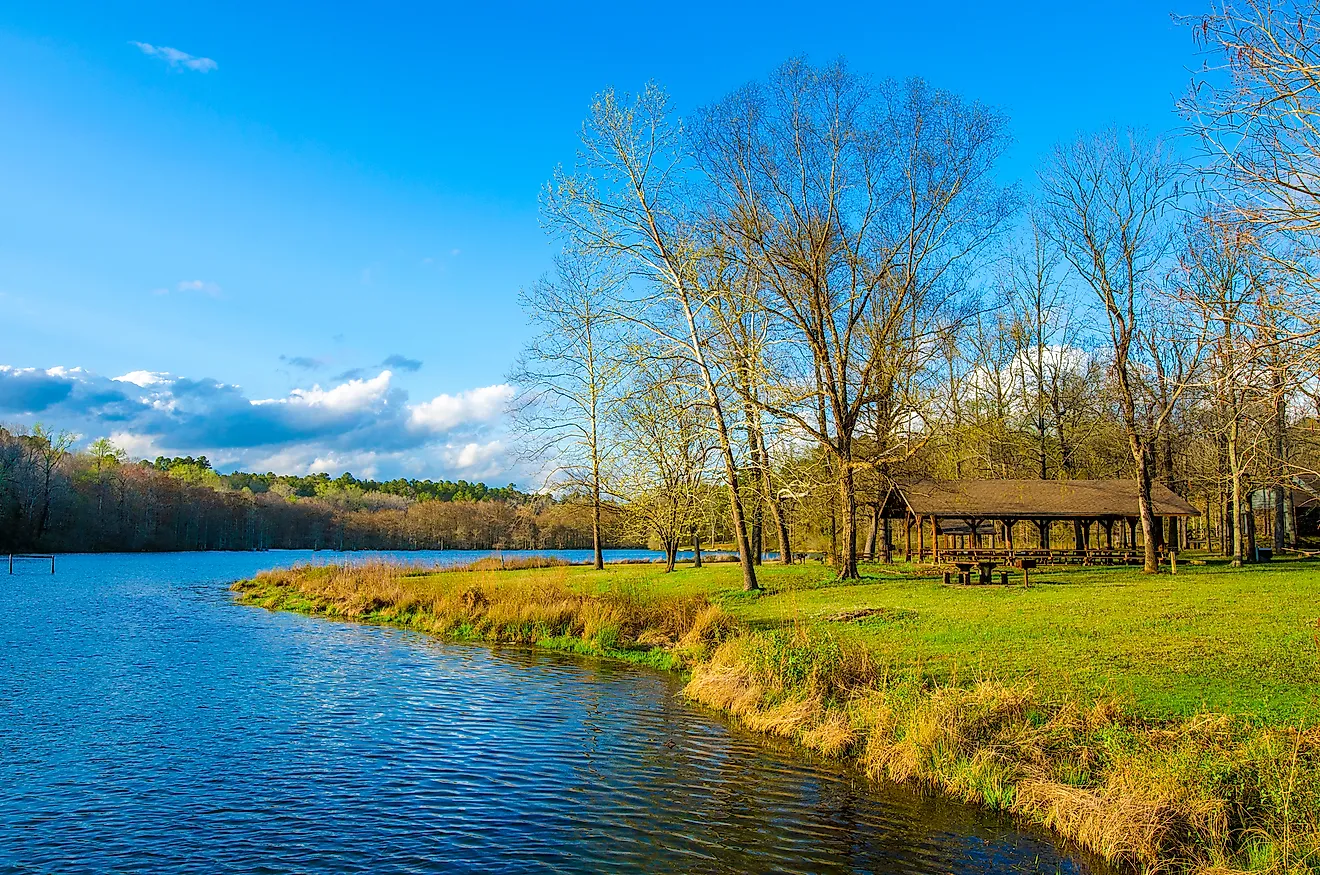
Lake Anna is a large reservoir in central Virginia. Covering 13,000 acres, it is slightly smaller than Smith Mountain Lake and remains a popular destination for boating, swimming, and fishing. Most snakes near the lake are nonvenomous, making it a safe place for visitors to observe these animals in their natural habitat, though encounters are rare. The most common snakes include the eastern garter snake and the eastern rat snake, both of which thrive in the warm water and vegetation along the shore. The only venomous snake in the area is the copperhead, but it is rarely found in the water. Usually, copperheads are seen on rocks or in nearby woods, so it's important to be cautious and watch your step.
Lake Drummond

Lake Drummond, nestled in the Great Dismal Swamp, is abundant with snakes. As one of Virginia's only two naturally occurring freshwater lakes, it features unique biodiversity and beautiful scenery that attract many visitors. The lake spans 3,100 acres and has dark, murky waters shrouded in mystery. The surrounding swamp habitat hosts various snakes, such as the northern water snake and the venomous cottonmouth, which is frequently found nearby water. Visitors should exercise extra caution around marshy, vegetated areas.
Kerr Lake

Kerr Lake, a popular spot for fishing, swimming, and boating, lies on the border between North Carolina and Virginia. Also called Bugg's Island Lake, it covers 50,000 acres, making it Virginia's largest lake. Its marshes, extensive shoreline, and protected wooded areas provide a sanctuary for snakes. The surrounding forests are full of prey like rodents, offering an easy food source for snakes. Both nonvenomous and venomous snakes can be found at Kerr Lake. Visitors might encounter species such as the eastern rat snake and the venomous copperhead. Since these snakes often hide under rocks, logs, or debris, it’s important to watch your step.
Snake Safety
Virginia's areas with the highest rattlesnake activity feature a diverse range of snake species. The timber rattlesnake, often found in mountainous regions and southeastern parts, is also called the canebrake rattlesnake and is currently endangered in Virginia. Near various water bodies, different snakes are more prevalent. For example, the eastern garter snake and eastern rat snake are common around Lake Anna. At Smith Mountain Lake, sightings of the ribbon snake and eastern hognose snake are frequent. Some lakes, such as Lake Gaston, are more likely to host venomous snakes like copperheads and cottonmouths. Since bites from these snakes can be deadly, visitors should exercise caution in these areas. To stay safe, it's essential to learn about the local snakes before visiting—especially how to identify venomous ones—and keep your distance if you see one. Snakes usually only attack when threatened. Always be careful where you step, especially in marshy zones or places with hidden snakes like under logs, rocks, leaves, or in murky water. Staying alert and understanding snake behavior helps ensure everyone’s safety.