4 Rattlesnake Hotspots In Oregon
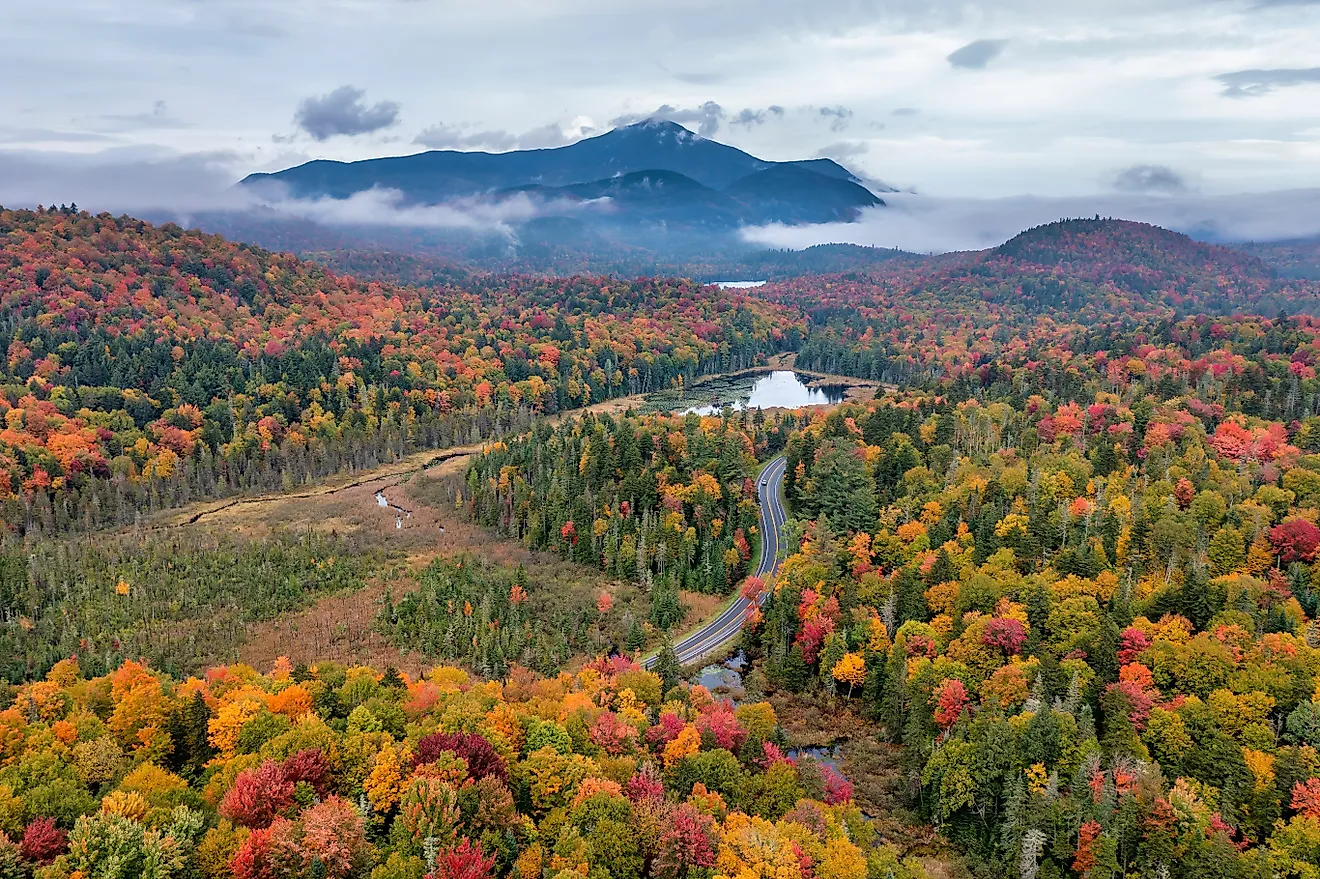
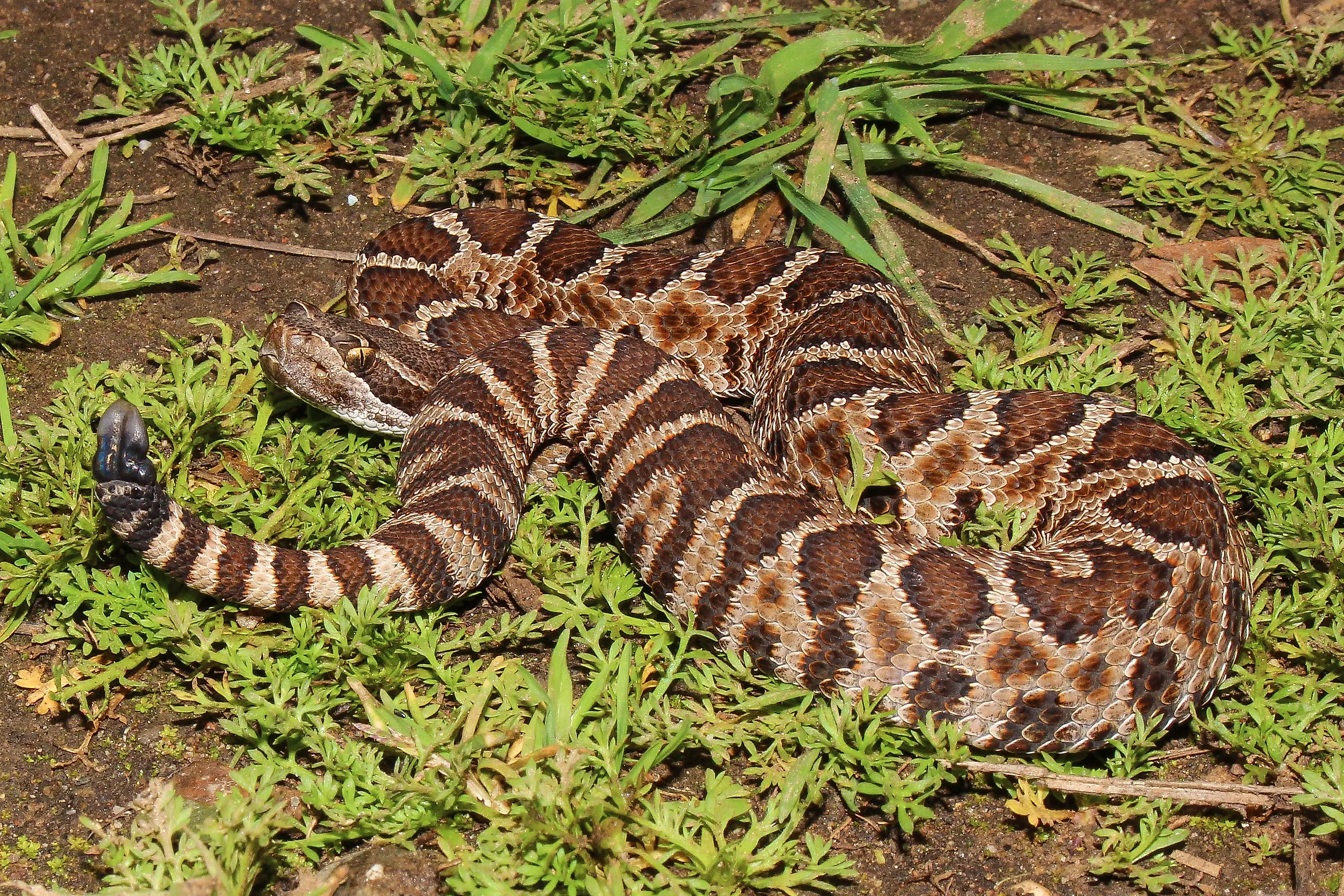
Eastern Oregon holds nearly all of the state’s rattlesnake habitats, shaped by its hot summers, low rainfall, and open terrain east of the Cascades, which contrasts almost completely with the lush western coastline. Western rattlesnakes in particular favor the region's many river canyons, cliff-filled parklands, and deserts, where shelter and prey are easy to find.
Unlike more forested regions of Oregon, these landscapes allow snakes to thrive for long periods of the year, making awareness of their presence and behavior vital for anyone visiting. With that, this article focuses on the places where geology, climate, and land use consistently overlap with areas that are rattlesnake-infested, highlighting zones where encounters are common rather than incidental.
Deschutes River Canyon

Oregon’s Deschutes River Canyon is one of the most notable rattlesnake hotspots in the state. The steep, arid landscape often surrounding it cuts through a scenic array of cliffs and shrub-covered steppe, creating ideal habitat for western and northern Pacific rattlesnakes, especially. Rock outcrops provide den sites for this species, while south-facing slopes warm quickly in spring, bringing these cold-blooded creatures out earlier than in forested regions. Additionally, this river corridor attracts a variety of smaller mammals, birds, and amphibians, providing a stable food supply throughout the year.
Rattlesnakes along the Deschutes River are most often encountered along its many adjacent hiking trails, talus slopes, and near water access points used by anglers and rafters. Also note that, unlike western Oregon’s cooler, wetter environments, the Deschutes Basin experiences particularly hot summers and low rainfall, conditions that favor reptile activity of all kinds, including several lizards. Sightings peak from late April through early fall, especially during warm mornings and evenings when snakes bask or hunt near open ground.
Owyhee Canyonlands

The Owyhee Canyonlands in the southeastern corner of Oregon represent one of the state’s most desert-like, yet surprisingly lively, environments, with over 200 species of animals calling it home. This remote region is defined physically by its deep volcanic canyons, exposed rhyolite cliffs, and vast stretches of high desert with little human disturbance.
Western rattlesnakes thrive here due to its countless denning crevices, the intense summer conditions that they prefer, and a steady supply of small mammals drawn to the sparse water sources along the Owyhee River. The area’s isolation also allows snakes to boldly travel open terrain, something rarely seen in more developed parts of the state.
Human-snake encounters often occur near rimrock edges, rocky benches, and dry washes where snakes like to regulate body temperature throughout the day. Spring and early summer are especially active periods, as these reptiles use this time to move between their winter dens and feeding areas.
Smith Rock State Park

Smith Rock State Park is among Oregon’s most well-known rattlesnake locations and one of its most famous recreational spaces, too, largely because of its awe-inspiring canyon environment and heavy foot traffic on its extensive web of trails. The park sits along the Crooked River just north of Bend, where flocks of rock climbers, hikers, campers, and rafters alike also frequent the area.
Rattlesnakes, gopher snakes, garters, and bull snakes are commonly spotted using rock piles and cliff bases for shelter while hunting prey, usually small rodents and other reptiles that thrive in the surrounding shrub-steppe, along with them.
Unlike forested parks on the west coast, Smith Rock’s low rainfall and open terrain allow snakes to thermoregulate easily throughout the day, a commonality among rattlesnake hotspots all throughout the country. Especially warm summer and spring temperatures bring increased activity for all critters in the park along lower trails near the river and beneath popular climbing routes.
Farewell Bend State Recreation Area

Farewell Bend State Recreation Area sits along a broad, exposed stretch of the Snake River near the Idaho border, where seasonal heatwaves and rolling landscapes attract snakes of all kinds. The surrounding terrain is characterized by dry grasslands, rocky embankments, and sparsely vegetated slopes, typical of the eastern half of the Pacific Northwest, which is particularly suitable for rattlesnakes.
The rattlesnakes here use the lengthy riverbanks and nearby rocky outcrops for cover while hunting near the water corridor. On the other hand, human activity is concentrated near campsites and boat launches, increasing the chances of encounters during warm months when these reptiles are more likely to be out and about.
The combination of river access, prey availability, and sustained heat for much of the year makes this stretch of the Snake River a consistent rattlesnake habitat rather than an occasional encounter zone, so beware where you step the next time you visit! And, like usual in this part of the United States, snake movement peaks from late spring into early fall, especially during mornings and evenings when temperatures are favorable for them.
Watch Your Step in These Wilderness Areas of Oregon
The bulk of the rattlesnakes in Oregon are clearly concentrated in its drier, more open landscapes east of the Cascades, where rivers, scablands, and other high desert terrain provide idyllic levels of shelter and food. Knowing that, awareness of their preferred habitats and active seasons helps you stay safe while exploring. From beautiful state parks to remote canyons, these areas above all show off the resilience and adaptability of western rattlesnakes in Oregon’s rugged environments.