4 Rattlesnake Hotspots In New Hampshire
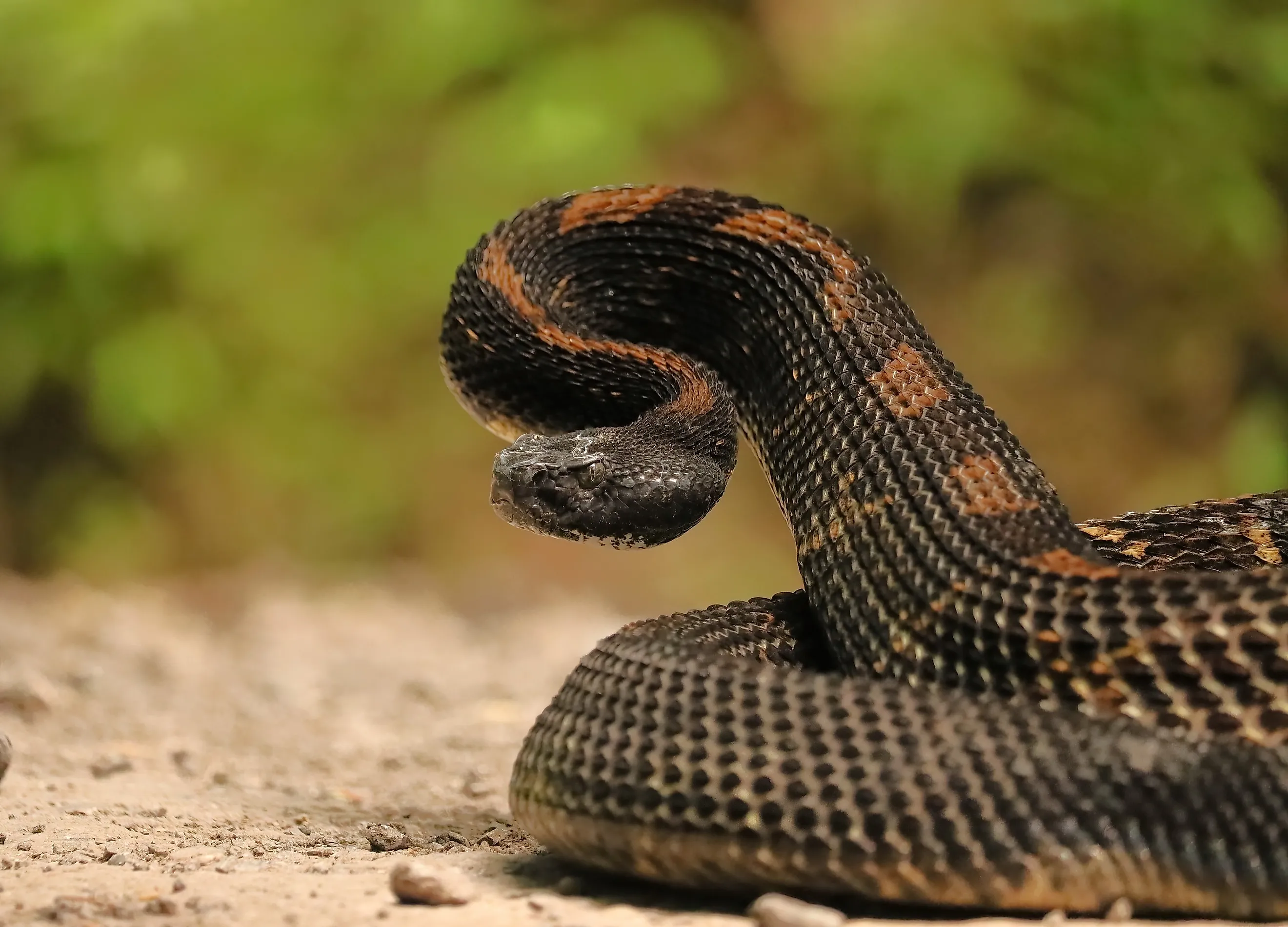
New Hampshire is home to the timber rattlesnake, a rare and protected species whose presence is closely tied to the state’s geology and land conservation history. While sightings are uncommon, there are several well-documented areas where rattlesnakes persist due to rocky terrain, south-facing slopes, and large tracts of protected land. These snakes are not aggressive, but bites can be serious; many bites involve stepping on a snake or deliberately handling/harassing it. Understanding where rattlesnakes live and how to behave calmly and respectfully around them helps prevent negative encounters and supports conservation efforts for one of New Hampshire’s most misunderstood native animals. Myths surrounding rattlesnakes often create unnecessary fear in a state meant to be shared by both wildlife and people.
Hotspot 1: Mount Monadnock State Park

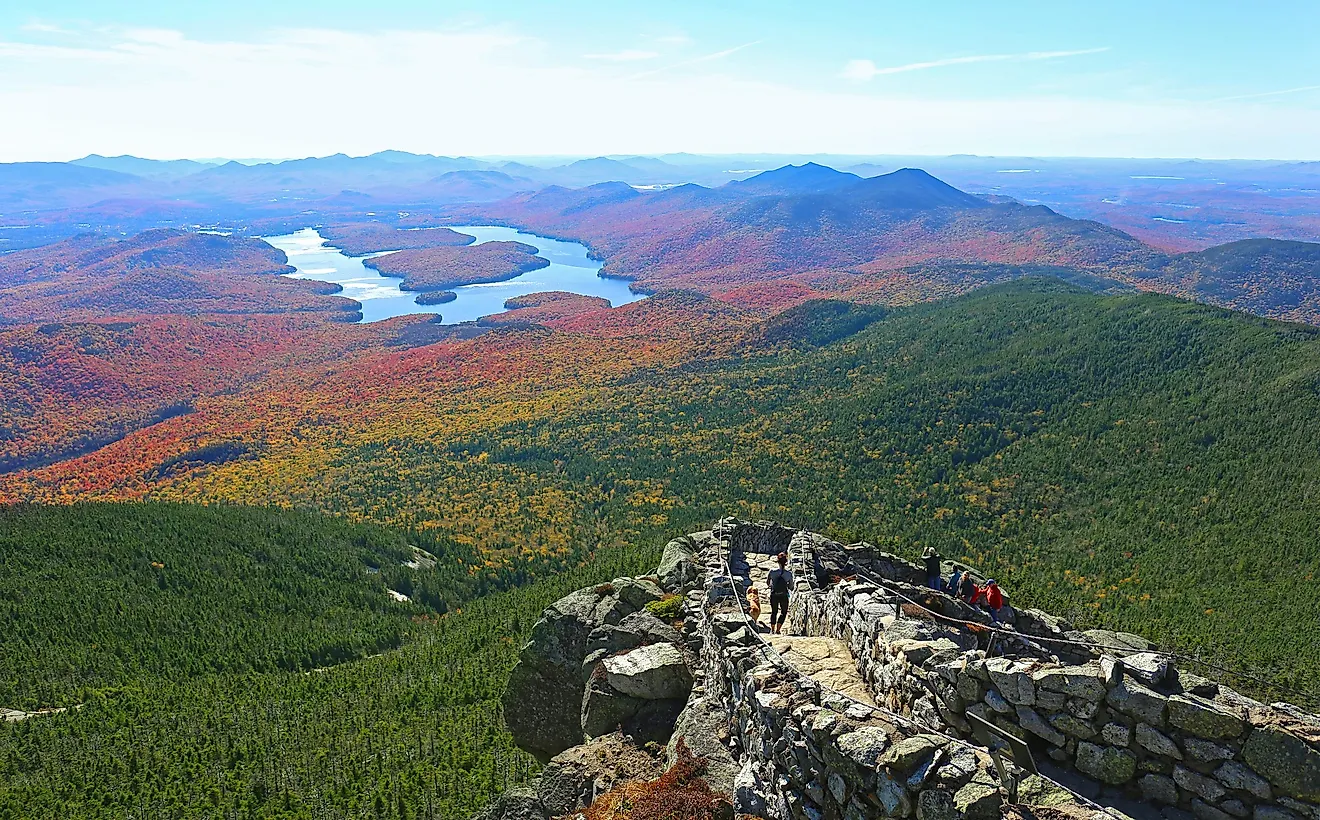
Mount Monadnock State Park and the surrounding Monadnock Region represent one of New Hampshire’s most historically significant rattlesnake areas. The mountain’s rocky ridges, talus slopes, and sun-warmed ledges provide ideal basking and shelter conditions for timber rattlesnakes. South-facing slopes warm quickly in spring, which is especially important in New Hampshire’s cooler climate. Rattlesnakes here benefit from abundant food sources due to surrounding open woodlands and forest edges that support rodent populations while offering nearby rocky cover for safety.
Hikers are most likely to encounter snakes on sunny days near exposed rock rather than deep forest trails. If one is seen, stopping and slowly backing away helps avoid conflict. Close-up photography or drawing attention to the area should be avoided. These snakes are legally protected, and maintaining distance helps keep both people and wildlife safe.
Hotspot 2: Pawtuckaway State Park

Pawtuckaway State Park in southeastern New Hampshire is a well-documented rattlesnake area due to its distinctive rocky outcrops, boulder fields, and open ridgelines. These features create effective thermal conditions for timber rattlesnakes, allowing them to regulate body temperature in an otherwise cool, forested state. The park’s mix of open woodland, ledge systems, and nearby wetlands supports prey species such as mice and chipmunks.
Despite frequent recreational use for hiking and camping, rattlesnakes here remain elusive because they rely on camouflage and avoidance rather than confrontation. The idea that rattlesnakes behave aggressively does not align with observed behavior in this setting, where most snakes retreat when given space. Visitors should stay on marked trails, watch footing near rocks, and avoid attempts to move or scare a snake.
Hotspot 3: Pisgah State Park and Conserved Lands in Cheshire County

Pisgah State Park and nearby conservation lands in Cheshire County form a large, relatively undeveloped landscape suitable for rattlesnakes. This region combines rocky hills, open forests, and old field edges, creating a connected habitat that timber rattlesnakes need to survive. Large protected areas are especially important in New Hampshire, where habitat fragmentation remains one of the primary threats to the species.
Rattlesnakes in this area may move between rocky basking sites and forested hunting grounds during warmer months. Encounters typically occur when people unknowingly step too close rather than from any intentional behavior by the snake. A rattling sound serves as a warning meant to prevent conflict. Pausing, locating the sound, and backing away slowly is the safest response.
Hotspot 4: Bear Brook State Park and Adjacent Protected Lands

Bear Brook State Park, New Hampshire’s largest developed state park, along with adjacent state forests, represents another documented rattlesnake area. The park’s rocky ridges, mixed hardwood forests, and less developed interior sections provide suitable habitat despite heavy recreational use in other areas. Timber rattlesnakes here benefit from a protected status that limits development and preserves natural prey populations.
While sightings are rare, they do occur near less-traveled rocky areas. Keeping dogs leashed, avoiding stepping over logs without visibility, and using extra caution on warm days helps reduce the chance of close encounters. Rattlesnakes do not chase people and do not strike unless threatened. Responsible behavior helps ensure the park remains safe for both visitors and this native species.
Rattlesnakes and the Landscapes That Sustain Them
Rattlesnakes in New Hampshire survive only where the landscape continues to meet their needs. Rocky terrain, open forests, and limited human disturbance remain essential for their persistence. Parks such as Mount Monadnock, Pawtuckaway, Pisgah, and Bear Brook provide these conditions, making them important strongholds for a rare species.
Encounters are uncommon, and aggression toward humans is even rarer. Remaining calm, keeping distance, and avoiding interaction are the most effective responses. Awareness and respect help protect both visitors and an important part of New Hampshire’s natural heritage.