4 Rattlesnake Hotspots In Minnesota
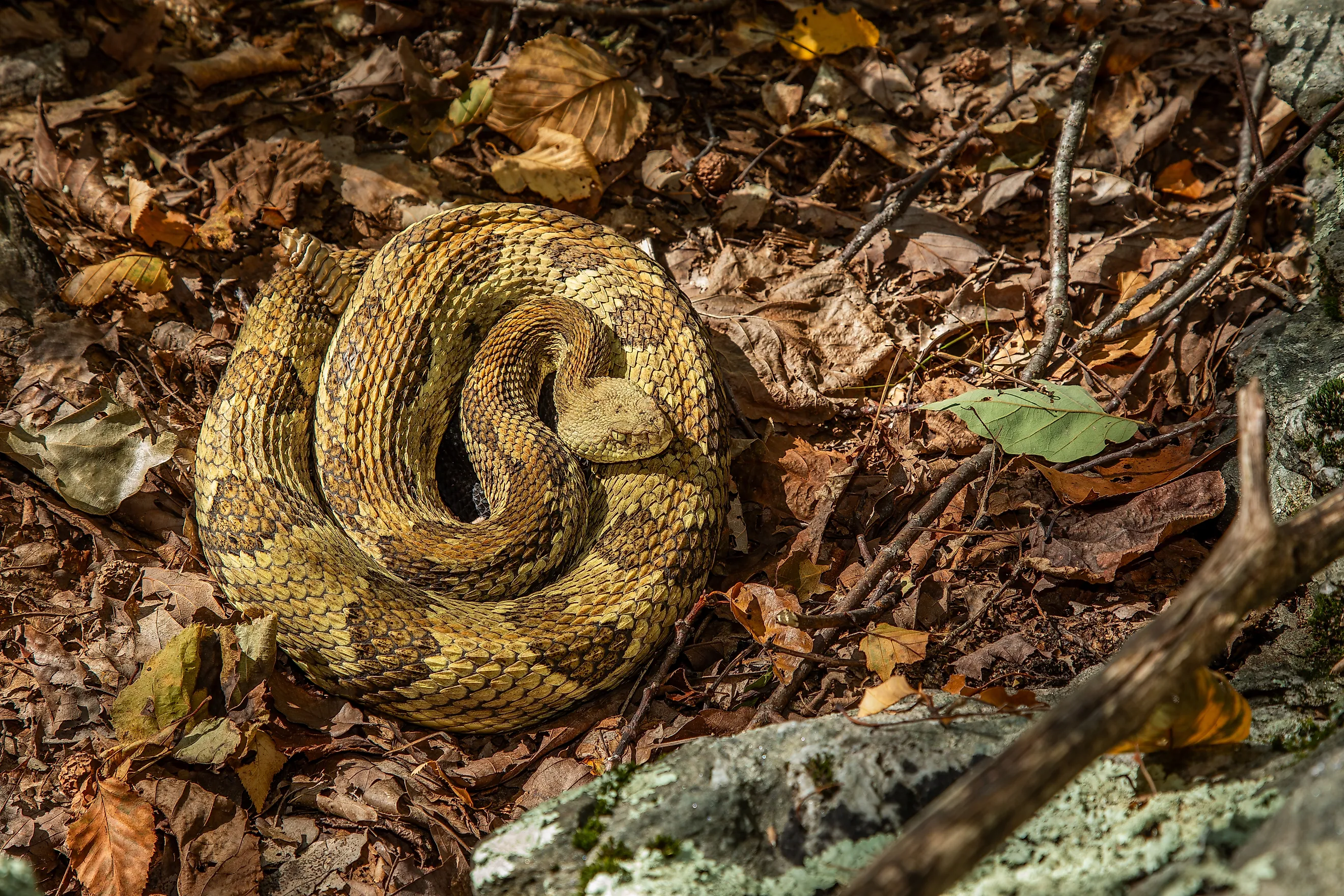
While Minnesota is not widely known for venomous snakes, it is home to a small population of timber rattlesnakes. These snakes are rare and highly localized, but in the right environments, they still thrive quietly among the state’s rugged landscapes.
Unlike other states in the southern US, rattlesnakes in Minnesota are limited almost entirely to the southeastern corner of the state, particularly within the Driftless Area. This region’s steep bluffs, rocky outcrops, and forested valleys create ideal conditions for Timber Rattlesnakes. If you’re hiking, camping, or exploring in this part of the state, here are four notable hotspots where rattlesnakes are most likely to be found.
Blufflands/Driftless Area

Houston County is widely considered the heart of rattlesnake country in Minnesota. Located in the far southeastern tip of the state, the Blufflands are part of the Driftless Area. This part of the country features dramatic limestone bluffs, rocky ledges, and south-facing slopes, exactly the type of habitat timber rattlesnakes depend on. These snakes use the crevices in the bluffs as winter dens and emerge in warmer months to bask on sunlit rocks.
Historically, this county had one of the highest rattlesnake populations in the state, although numbers have declined over time due to habitat loss and human activity. Still, it remains one of the most reliable places to encounter them in the wild. For any hikers or rock climbers, it is important not to reach your hand into a crevice that you can’t see inside of. Staying on trails is also a good way to avoid rattlesnakes while still enjoying the outdoors.
Root River Valley (Fillmore County)

The Root River Valley in Fillmore County is another prime rattlesnake habitat. This scenic region is known for its rolling hills, wooded bluffs, and river corridors, all of which provide excellent cover and hunting grounds for snakes. During the warmer months, timber rattlesnakes move between rocky den sites and nearby forests or prairies in search of prey like rodents.
Trails and bike paths in the area, including those near the Root River, occasionally pass through suitable habitat, making awareness especially important for outdoor enthusiasts. The Root River Valley Trail System is composed of 60 miles of paved and maintained trails. By staying on these paved trails, visitors will be less likely to encounter a rattlesnake, as they tend to avoid human activity.
Mississippi River Bluffs (Winona County)

Winona County, particularly along the Mississippi River and within protected lands, such as Great River Bluffs State Park, is another hotspot thanks to its steep bluff systems and forested slopes. These areas offer the same combination of rocky shelter and sun exposure that rattlesnakes require for survival. The bluffs overlooking the river create a patchwork of micro-habitats where snakes can thermoregulate and hunt.
While sightings are still rare, this region consistently supports small populations due to its relatively undisturbed terrain and proximity to the broader Driftless ecosystem. A pattern in habitat is appearing; if you see bluffs with crevices, especially those that are south-facing, it is important to be aware that you are in rattlesnake habitat. There is no need to be scared; only be aware and act with caution.
Wabasha County Bluff Prairies

Wabasha County marks the northern edge of Minnesota’s rattlesnake range. Here, bluff prairies and open, rocky hillsides provide suitable, though more limited, habitat for these reptiles. Populations in this area are smaller and more isolated, making encounters even less common. However, the presence of sun-exposed rock outcrops and forest edges still supports occasional sightings.
This region highlights just how restricted rattlesnakes are in Minnesota, as they rarely occur outside these southeastern bluff systems. Just because sightings are rare, it doesn’t mean that they are impossible. It is important to stay vigilant and watch your footing as well as your general surroundings. If you encounter a snake, remember to give it distance, never approach or try to handle it.
Rattlesnakes in Minnesota are far from widespread, but they remain an important part of the state’s natural heritage. Confined mostly to the blufflands of the southeast, these snakes rely on a very specific combination of rocky terrain, forest cover, and seasonal warmth to survive. For hikers and outdoor enthusiasts, the key takeaway is awareness, not fear. Timber rattlesnakes are generally shy and avoid human contact whenever possible. By staying on marked trails, watching your footing, and respecting wildlife from a distance, you can safely explore these beautiful regions while appreciating one of Minnesota’s most fascinating and misunderstood creatures.