4 Rattlesnake Hotspots In Maryland
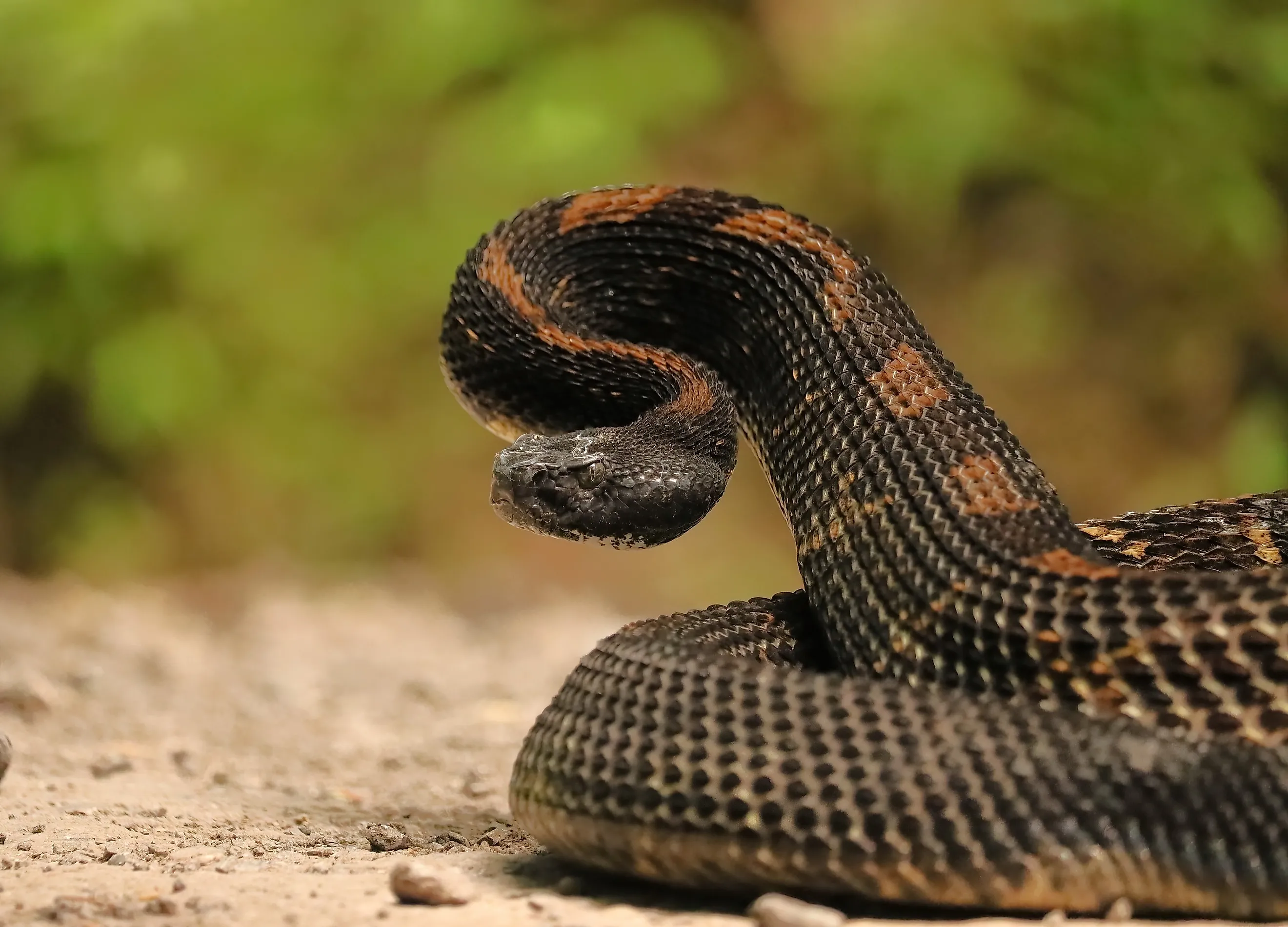
In Maryland, the only rattlesnake species currently found is the timber rattlesnake. It can be identified by its heavy body, dark crossbands across the back, broad triangular head, and segmented rattle at the tail. Color varies widely, so pattern and body structure offer more reliable identification than shade alone. Timber rattlesnakes use rocky uplands, forested slopes, and long-established den sites rather than low-lying terrain. Maryland law protects this species due to its limited distribution and population decline, making it illegal to harm, kill, or collect individuals. Enjoy walks and hikes, stay aware of your surroundings, and leave timber rattlesnakes undisturbed if you encounter one.
Catoctin Mountain Park

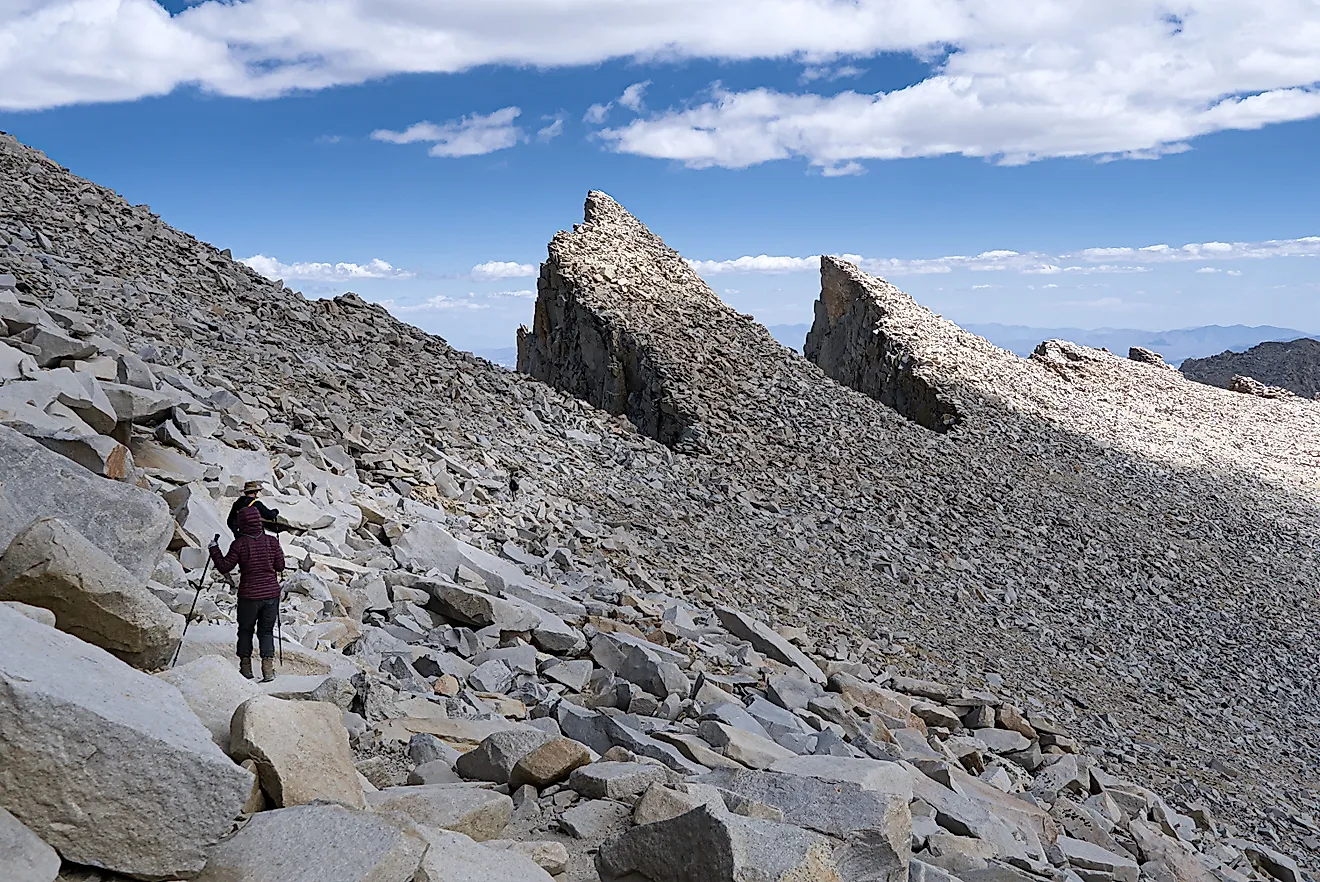
Rattlesnakes in here are most often found at higher elevations. Timber rattlesnakes concentrate along ridge tops and exposed quartzite where surface rock supports basking and long-term denning. Repeated sightings occur near Chimney Rock, Hog Rock, Thurmont Vista, and the Blue Ridge Summit Overlook. Wolf Rock serves as a documented denning site, which explains regular observations in that area. Activity increases during warmer months, especially after cool nights when snakes emerge onto exposed stone to regulate body temperature.

Within the park, timber rattlesnakes utilize rocky slopes, stone walls, woodpiles, and areas near streams where prey activity is more prevalent. Most individuals exhibit a yellow-toned coloration that matches the color of leaf litter and rock. A darker black morph appears at higher elevations where temperatures remain cooler. The species relies on ambush hunting and typically remains motionless when undisturbed. The winter months are spent in deep communal dens within bedrock fissures until the seasonal temperatures rise again.
Green Ridge State Forest

This forest supports one of Maryland’s most consistently documented timber rattlesnake populations. The species holds protected status in the state, a protection reinforced after a 2015 incident in which campers injured, killed, and ate a rattlesnake. That case drew public attention and pushed enforcement agencies to take protection laws more seriously. Today, harming or collecting a timber rattlesnake in this area carries legal consequences, reflecting the limited distribution of the species in the region.

Timber rattlesnakes in the forest rely on high ground where shale and sandstone break through the soil, providing them with a safe haven. Ridgetops and sloped terrain warm up quickly during the day, allowing snakes to regulate their body temperature. Talus slopes and deep rock cracks serve as den sites used year after year. These snakes hunt rodents by ambush, helping to limit populations of mice and other small mammals. Activity increases in late spring and early summer, with movement most common around dawn and dusk. When people approach, individuals usually remain still or move away rather than react defensively.
Rocky Gap State Park

Rock and elevation drive rattlesnake activity across this landscape. Evitts Mountain exposes stone that absorbs heat and supports basking after cool nights. Rocky Gap Run flows through a mile-long rocky gorge where timber rattlesnakes are spotted regularly. Observations also occur along the rocky shoreline of Lake Habeeb, including near the dam, where snakes use sun-exposed stone during warm periods. Encounters remain uncommon overall, but documentation increases during late spring and summer when surface movement rises.

Uneven ground along the Rocky Trail and the Lakeside Loop places hikers near active habitat, which explains repeated reports along those routes. Summer brings additional sightings near the G Loop and H Loop campgrounds, often when snakes seek shade beneath picnic tables or stored gear. Rangers also report individuals with dull, blue-tinged skin, a clear sign of shedding activity.
Prettyboy Reservoir

The reservoir remains one of the few confirmed sites in central Maryland that supports a localized population of timber rattlesnakes as of 2026. Although the species is found more consistently farther west, the reservoir’s steep topography and exposed rock create suitable conditions in this part of the state. Jagged cliffs and loose boulders line sections of the Gunpowder River valley and absorb heat during daylight hours. These features allow snakes to use elevated ground above the water while avoiding heavily trafficked access points.

Confirmed sightings have been reported in specific sections of the reservoir. Rock formations used by climbers serve as regular basking sites, particularly along the Upper Gunpowder Wall at the northern end and the Reservoir Wall and Bonus Wall farther south. Additional observations come from remote trails within the 7,380-acre Cooperative Wildlife Management Area, especially where sunlight reaches the forest floor. Surface activity increases from April through October, when snakes may remain visible on exposed rock or fallen logs during warm conditions.
Timber rattlesnakes do not inhabit every part of Maryland and tend to return to the same rocky landscapes year after year. They are not aggressive, yet venomous, so it's essential to watch your step. At Catoctin Mountain Park, higher ridges and quartzite outcrops support repeated use across seasons. That same ridge-and-valley pattern continues west in Green Ridge State Forest, where extensive uplands allow one of the state’s most documented populations to persist. Similar terrain appears again at Rocky Gap State Park, where gorges and exposed slopes concentrate activity in smaller areas. Farther east, Prettyboy Reservoir shows how steep rock and forested ground can support a localized population closer to dense recreation zones.