10 Most Relaxing Mississippi Towns
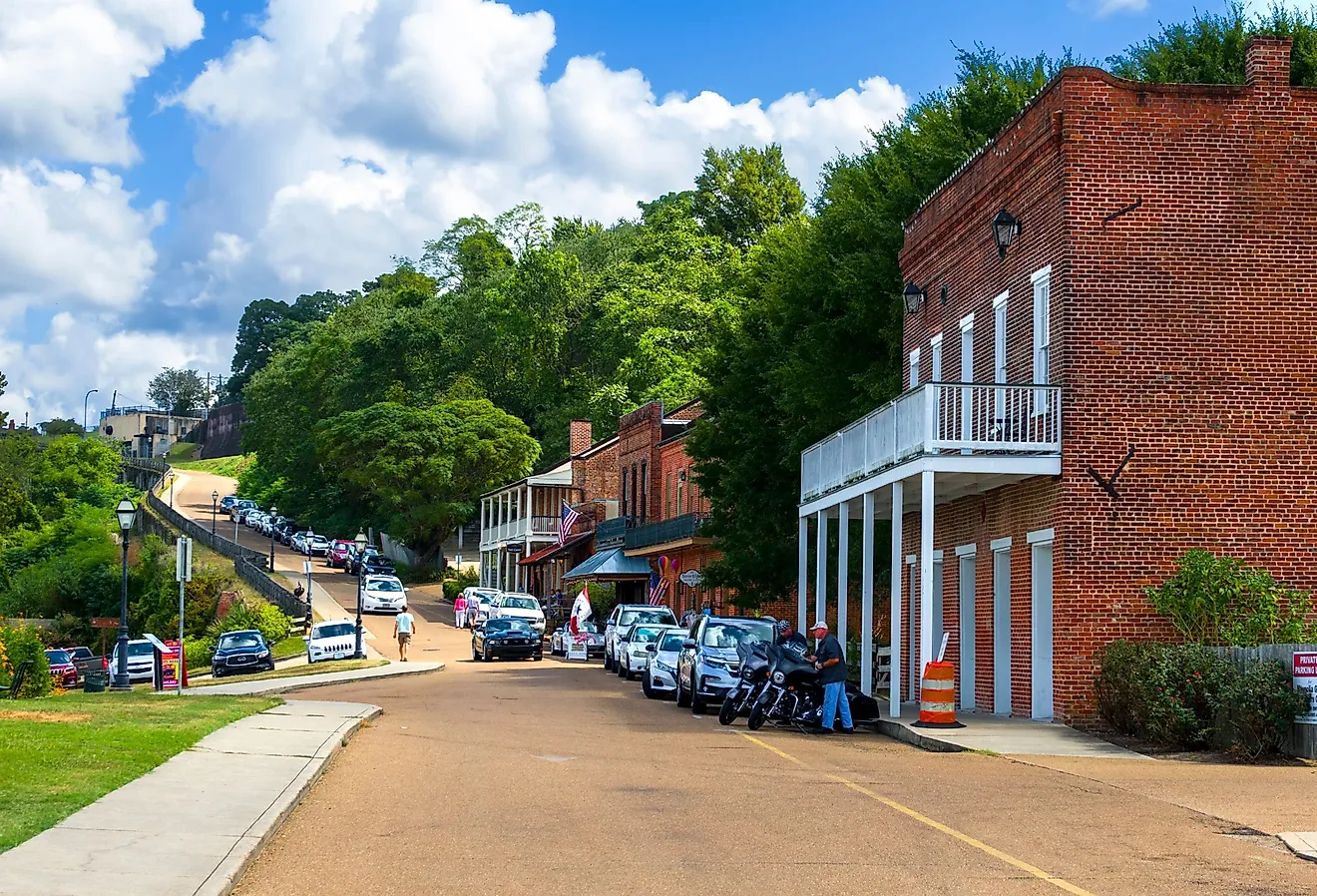
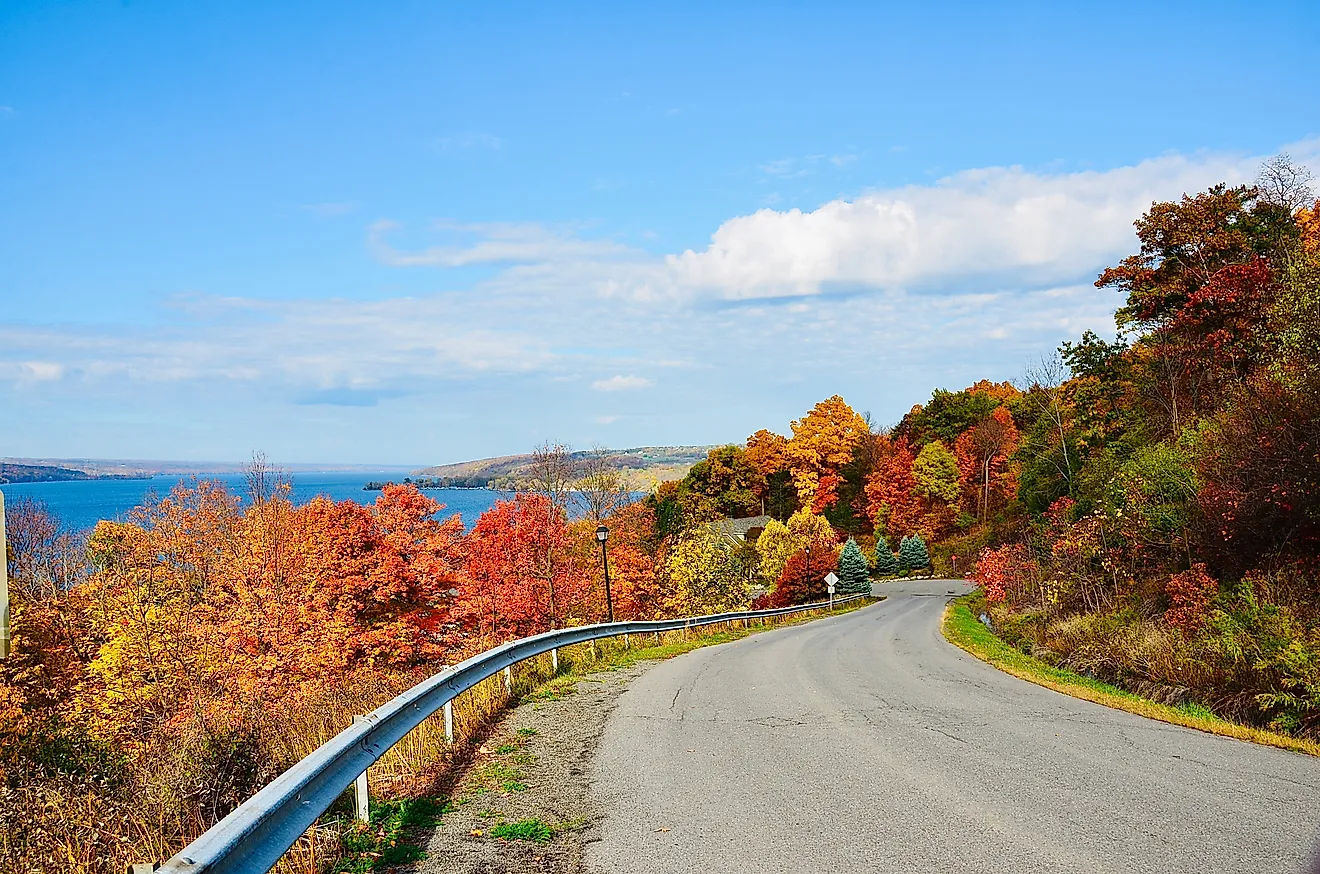
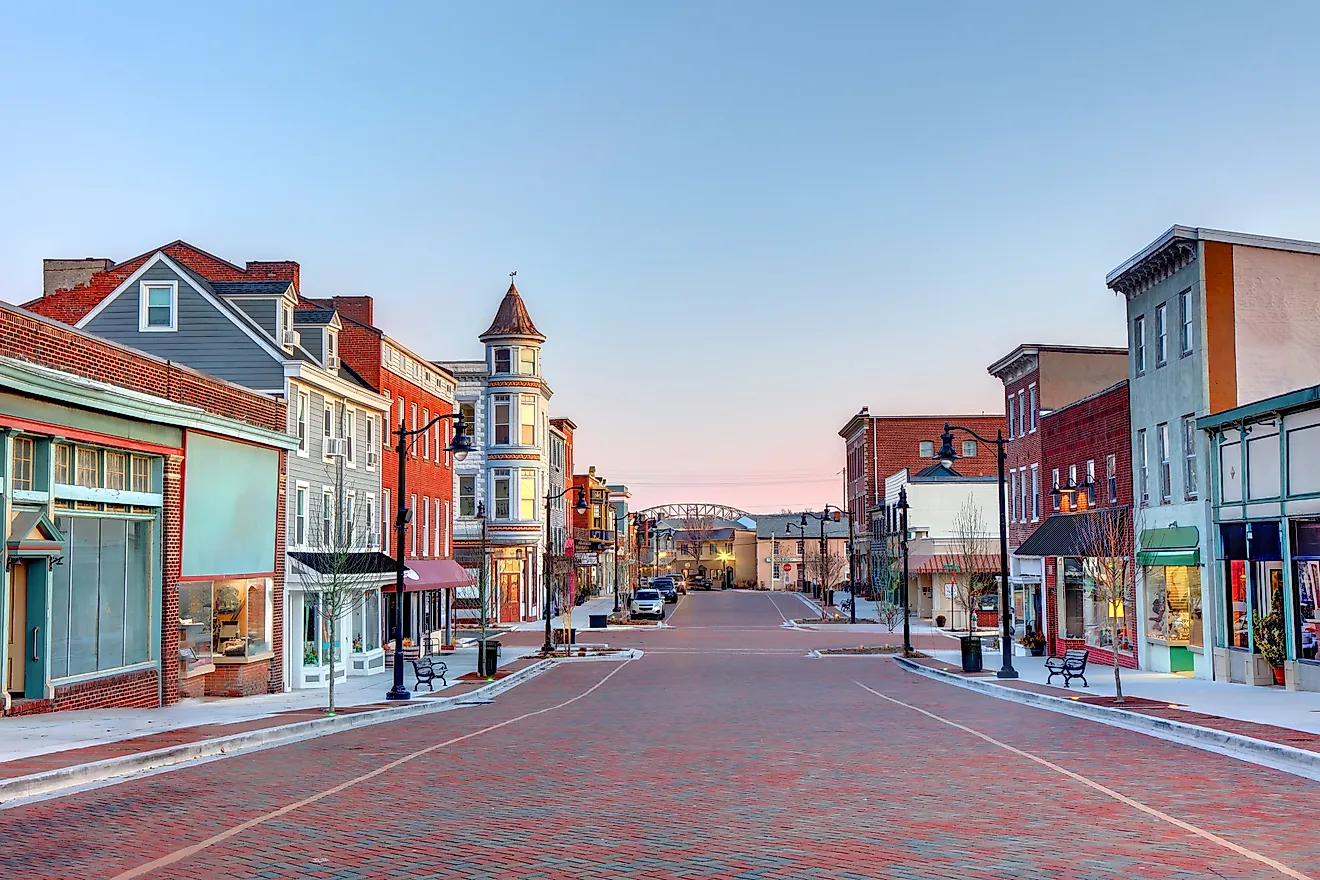
Mississippi runs slow by design. In Rolling Fork, the Delta stretches flat to the horizon, and the Great Delta Bear Affair pulls the whole community out for live music and fireworks. In Natchez, afternoons go by on the riverwalk beside the Mississippi River with nowhere particular to be. Louisville's Lake Tiak-O'Khata Resort offers a boat, a dock, and a reason to stay an extra day. These ten towns, across the Delta, the river counties, and the hill country of the north, are the most relaxing in the state.
Natchez

One of Mississippi's oldest European settlements, Natchez, was founded by the French in 1716 as Fort Rosalie. The seat of Adams County sits along the Mississippi River close to the Louisiana border, and the climate runs hot and humid through much of the year. Afternoons fill with boating and riverfront activities, and hiking and biking trails work for quieter days. Natchez State Park sits nearby with fishing, picnic sites, campgrounds, and disc golf.
Natchez's antebellum history is a bigger draw. As a major cotton and trading center before the Civil War, it holds some of the best-preserved 19th-century architecture in the Deep South. Landmarks include First Presbyterian Church (completed 1829), Selma Plantation (1811), and the On-Top-of-the-Hill Historic District. The Museum of African American History and Culture and the Grand Village of the Natchez Indians both dig deeper into who lived here before and alongside the cotton economy.
Aberdeen

Founded in the 1830s on the Tombigbee River, Aberdeen was a major river port and cotton town for most of the 19th century. Today, the seat of Monroe County keeps more than 100 historic buildings, many within National Register-listed districts, with styles ranging from Gothic to Victorian to Neoclassical. The Architectural Driving Tour routes through many of them, including The Magnolias and others.
Outside the architectural tour, Aberdeen Lake and the Tombigbee provide the rest of the agenda: swimming, cycling, boating, and picnicking close to the water. In town, Topp's Barbecue Restaurant handles the standard lunch, and the Bird's Nest Antique Store is a reliable stop for pickers.
Oxford

The seat of Lafayette County in north Mississippi, Oxford was named for the English university town in 1837, anticipating what would become the University of Mississippi (chartered 1844). The Ole Miss campus anchors much of the town's cultural life. Preserved properties worth a stop include Rowan Oak (Faulkner's home, built around 1844), Ammadelle (1859), St. Peter's Episcopal Church (1860), and the Lafayette County Courthouse (rebuilt 1872 after the Civil War). The University of Mississippi Museum holds a strong collection of 19th-century artifacts, and the Southside Art Gallery rotates work from contemporary regional photographers and painters.
Local restaurants and shops cover the rest of the trip. Back Nine Oxford serves American plates, and the Mustard Seed stocks gifts worth browsing. The surrounding landscape of red clay bluffs and forest gives Oxford a setting that holds up year-round.
Corinth

Founded in 1854, Corinth was one of the South's critical Civil War railroad junctions, and the town of around 14,600 still carries that history. The seat of Alcorn County sits inside the Mississippi Hills National Heritage Area, with cycling, hiking, picnicking, and camping routes across the surrounding uplands. Phillips Creek adds a quiet backdrop for photographs or a short walk.
Downtown's historic district holds a dense cluster of 19th-century properties, with stops at Corinth National Cemetery (established 1866), the Taylor House (1870s), and the Oak Home (1850s). The Crossroads Museum and the Curlee House Museum both cover the town's Civil War years in detail.
Rolling Fork

The seat of Sharkey County, Rolling Fork sits deep in the Mississippi Delta. It is a quiet community built for travelers who want open Delta country and a slower pace. Mont Helena Mansion (1896) and the Sharkey County Courthouse (1902, rebuilt after a tornado) are on the National Register of Historic Places. Downtown, the Lighthouse Variety Store and Bumpers Drive-In carry the small-town Mississippi feel.
The real draw is the landscape. Corn and cotton fields run flat to the treeline, and the town's signature event, the Great Delta Bear Affair, marks Rolling Fork's connection to the Teddy Roosevelt 1902 hunting trip that produced the "teddy bear." Live music, vendors, and fireworks round out the festival.
Woodville

Woodville was founded in 1811, six years before Mississippi joined the Union, which makes the Wilkinson County seat one of the state's oldest non-Indigenous settlements. It sits on the Louisiana border, and its Historic District is listed entirely on the National Register of Historic Places. Rosemont Plantation (1810) is the standout, the boyhood home of Jefferson Davis. The Wilkinson County Museum covers the region's economic history and the contributions of African Americans to it.
For the outdoor half of a visit, the 700-acre Clark Creek Natural Area sits a short drive out of town. It has hiking, biking, and birdwatching, plus a series of small waterfalls that break up the typical Mississippi terrain.
Raymond

Raymond is one of the two seats of Hinds County (sharing with Jackson) and sits about 30 minutes from the state capital. Founded in 1830, it runs at a slower pace than Jackson proper. The Hinds Community College campus (established 1917) is a pleasant place for a walk, and the Raymond Military Park covers the 1863 Battle of Raymond with preserved artillery pieces and antebellum homes on the surrounding grounds. Other 19th-century landmarks in town include the Peyton House and Mamie's Cottage at the Dupree-Ratliff House (1840).
Local shops and restaurants include The Lucky Hen Gift Shop and the Busted Biscuit Restaurant. For events, Raymond hosts the Family Freedom Fest in June, the Raymond Country Fair, and a Christmas Festival and Holiday Market each December.
Greenville

Greenville sits along the Mississippi River in the Yazoo-Mississippi Delta, close to the Arkansas border. The seat of Washington County, with a population just under 30,000, the modern city took shape in the 1870s after the Civil War, and its downtown still carries landmarks from that period. The Cotton Row District and buildings like the First National Bank (1903) mark the town's commercial heyday, and Nelson Street sits on the Mississippi Blues Trail as a historically Black commercial and music strip. Parts of it have struggled in recent decades, but revitalization is underway.
On the river side, the waterfront along Lake Ferguson (an oxbow of the old Mississippi channel) supports swimming, boating, biking, and hiking. It is the classic Delta river-town setting without the bustle of a larger city.
Louisville

Louisville is the Winston County seat, population just over 6,000, and the kind of town that makes a decent weekend on small details alone. Local shops, diners, and museums line the downtown, with Carnell's Restaurant handling American plates and El Paisaje Bar & Grill offering Mexican. For antiques, Becky's Antique Mall keeps most pickers busy for an afternoon.
The American Heritage "Big Red" Fire Museum is an unexpected stop, with vintage firefighting equipment and antique trucks on display. At the end of the day, Lake Tiak-O'Khata Resort handles swimming, camping, RVing, boating, and quieter time at the lake itself.
Stonewall

Stonewall dates to the late 1860s and is named for Confederate general Stonewall Jackson. The former cotton-mill town sits along the Chickasawhay River with the typical hot, humid Mississippi climate. Historic landmarks include Ramona's Mill House (1872), the Millstone Bungalow (1898), and the Stonewall Cemetery, which holds late-1800s burials.
The river handles most outdoor time: paddling, canoeing, kayaking, tubing, fishing, and camping or RVing along the banks. Stonewall Quarry Park adds another outdoor option, and the annual Quarry Days summer festival draws regional crowds to a town that often flies under the tourist radar.
Plan A Slow Mississippi Trip
Mississippi's smaller towns reward travelers who are willing to trade a packed itinerary for time to settle in. Aberdeen and Greenville bring the river-town angle, Natchez and Corinth deliver the heaviest historical content, and Louisville, Stonewall, and Rolling Fork run at the slowest pace of the ten. Across the Delta, the river counties, and the hill country of the north, a long weekend in any one of these towns does its job, and a full week lets you string several together.