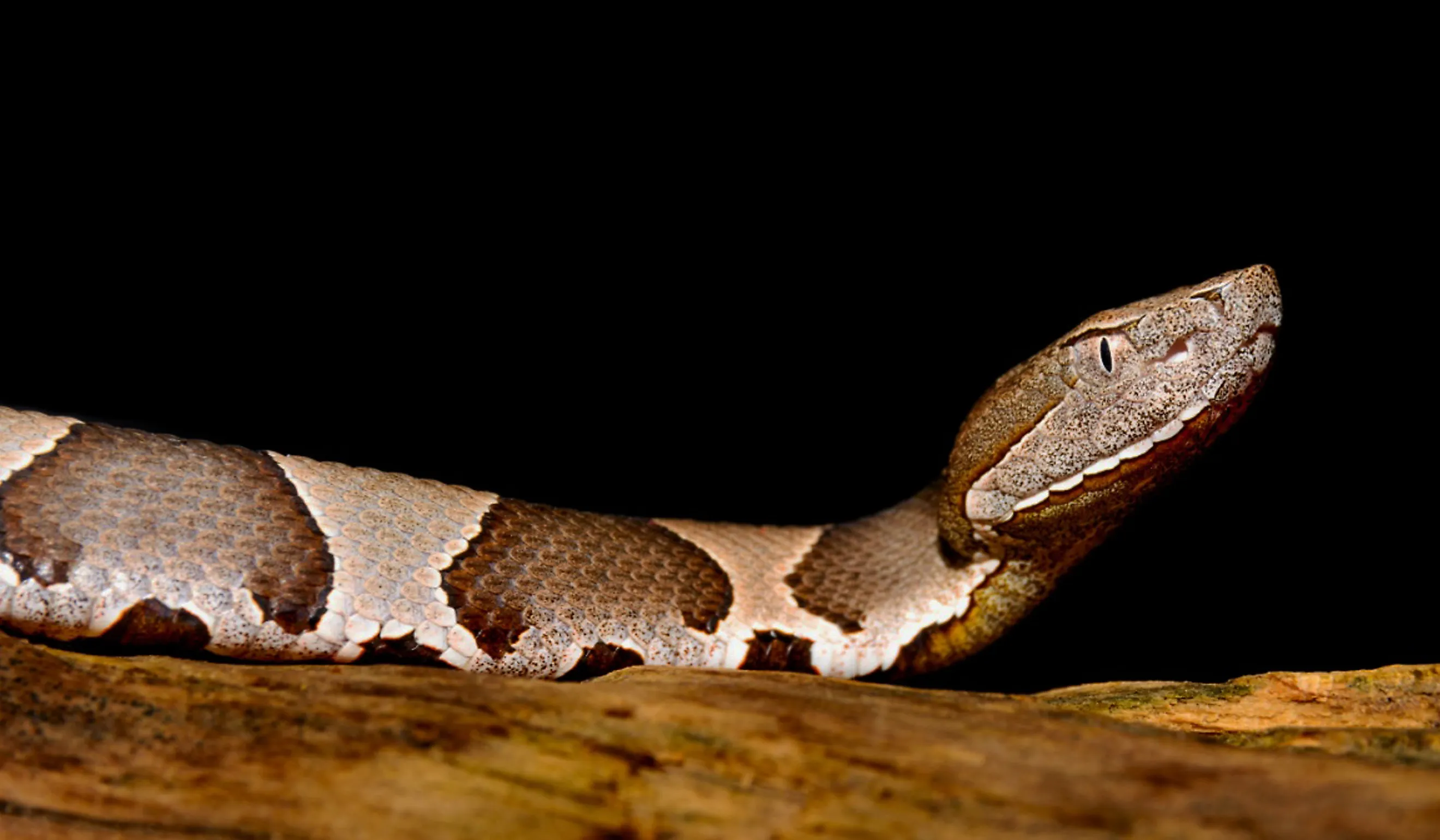
4 Copperhead Snake Hotspots In West Virginia
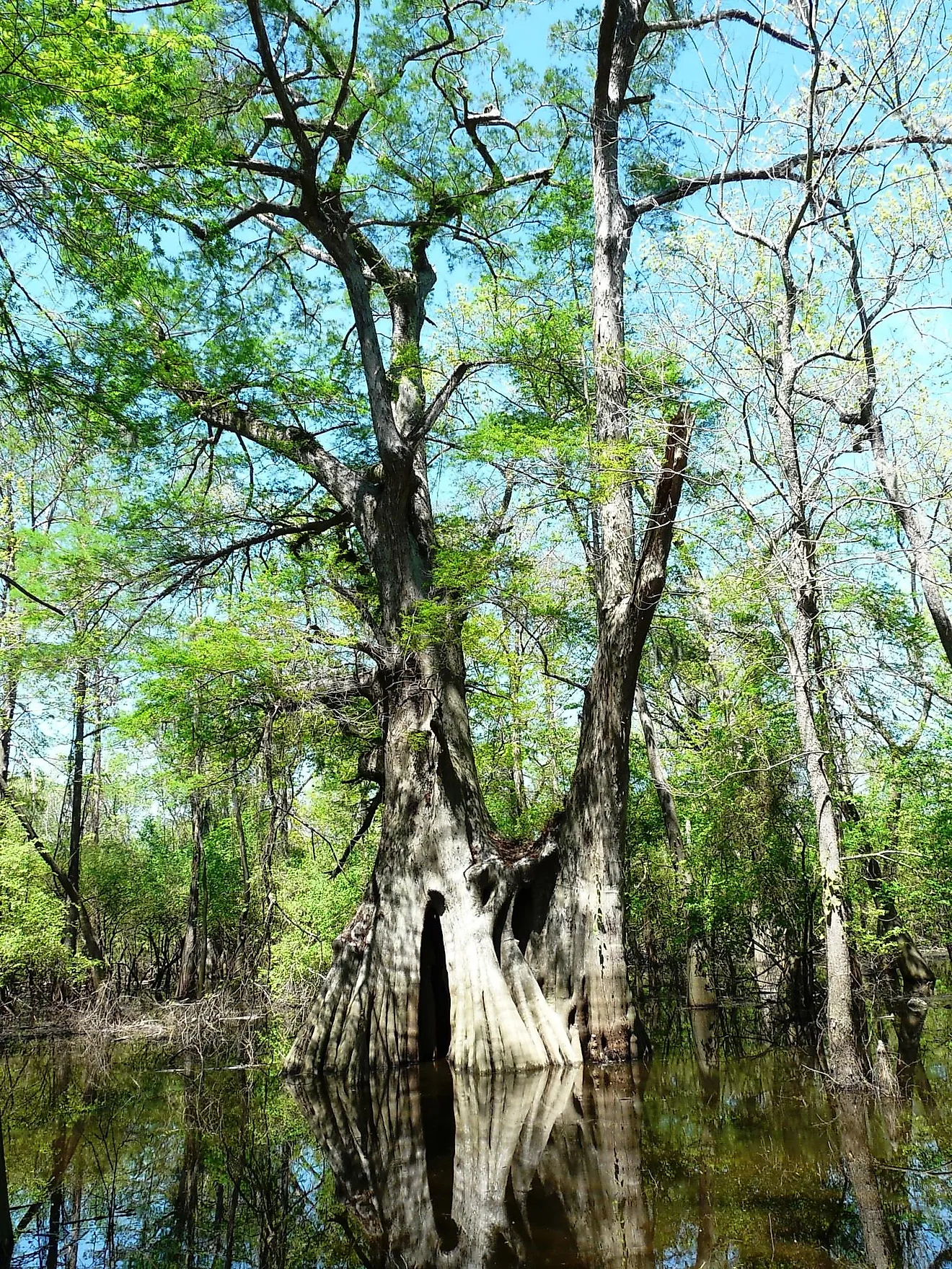
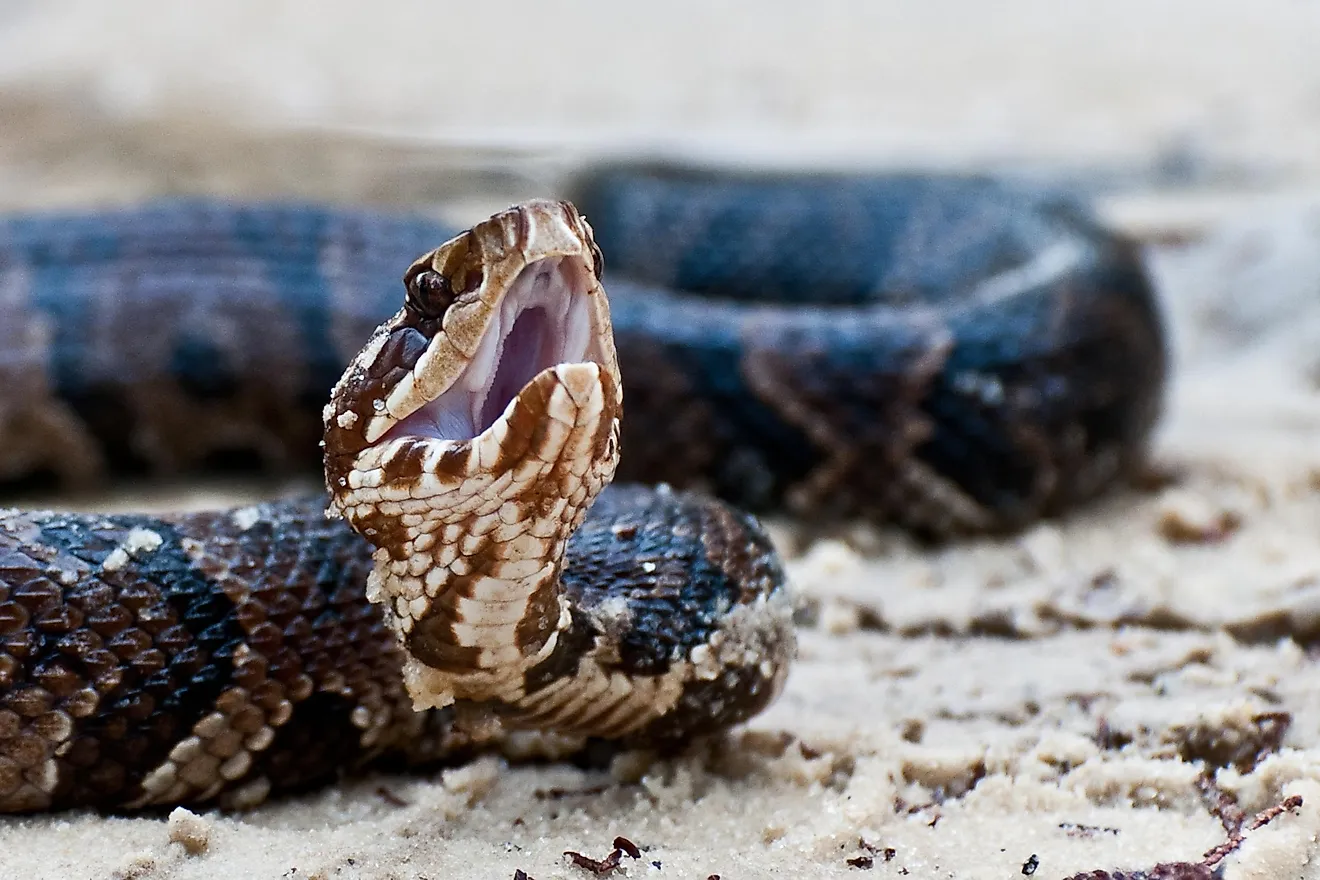
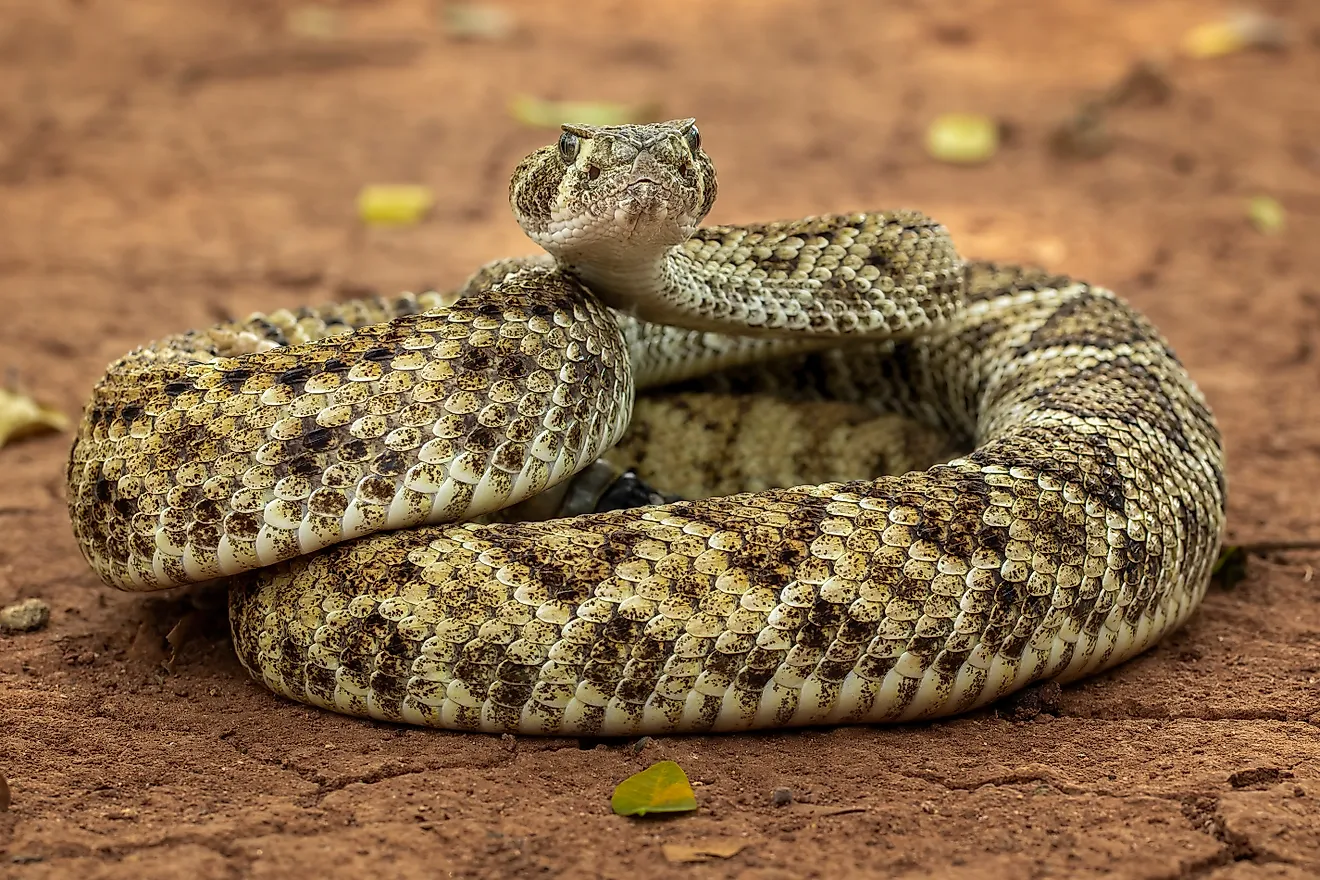
West Virginia boasts an often underrated landscape that not only features countless scenic natural landmarks but also provides tons of ideal habitat for copperhead snakes. This venomous species of pit viper favors rock-covered slopes, secluded woodlands, and sunlit clearings where it can bask and ambush small mammals.
While generally nonaggressive and well camouflaged, copperheads are responsible for a significant share of reported snake encounters in the state, and their bites can be deadly if not treated in time. From river gorges to historic hillsides and state forests, certain destinations consistently support healthy populations that any outdoorsman should probably know about, as understanding where they are most active can help you stay alert and reduce the risk of surprise run-ins.
New River Gorge National Park and Preserve

The rugged interior of New River Gorge National Park and Preserve is quite the haven for snakes. The park’s steep sandstone cliffs and mixed hardwood forests are particularly ideal living spaces for the northern copperhead, which loves rocky cover and forest edges. The gorge’s 53 miles of free-flowing river also support dense rodent populations, a primary food source for these predators.

But beyond its reptile-friendly reputation, the park is known for whitewater rafting, extensive climbing walls, and the steel arch New River Gorge Bridge, one of the longest single-span arch bridges in the world. Just keep in mind that for visitors hiking quieter backcountry trails, they are more likely to spot a copperhead than if they were to stick to the more developed, tourist-friendly overlooks.
Harpers Ferry National Historical Park

A second notable hotspot is Harpers Ferry National Historical Park in Harpers Ferry, a storied, open-air museum where rocky hillsides and forested ridgelines create prime copperhead habitat as well. This famous parkland sits at the confluence of the Potomac and Shenandoah rivers, and its steep, sun-exposed banks warm quickly in spring, allowing these cold-blooded animals to come out of winter hibernation earlier than usual.

Northern copperheads often shelter beneath stone outcrops, old retaining walls, and leaf litter along less-traveled trail sections, particularly on the Maryland Heights and Loudoun Heights trails. Moreover, the abundance of small mammals around old-timey structures and wooded edges supports a steady food supply.

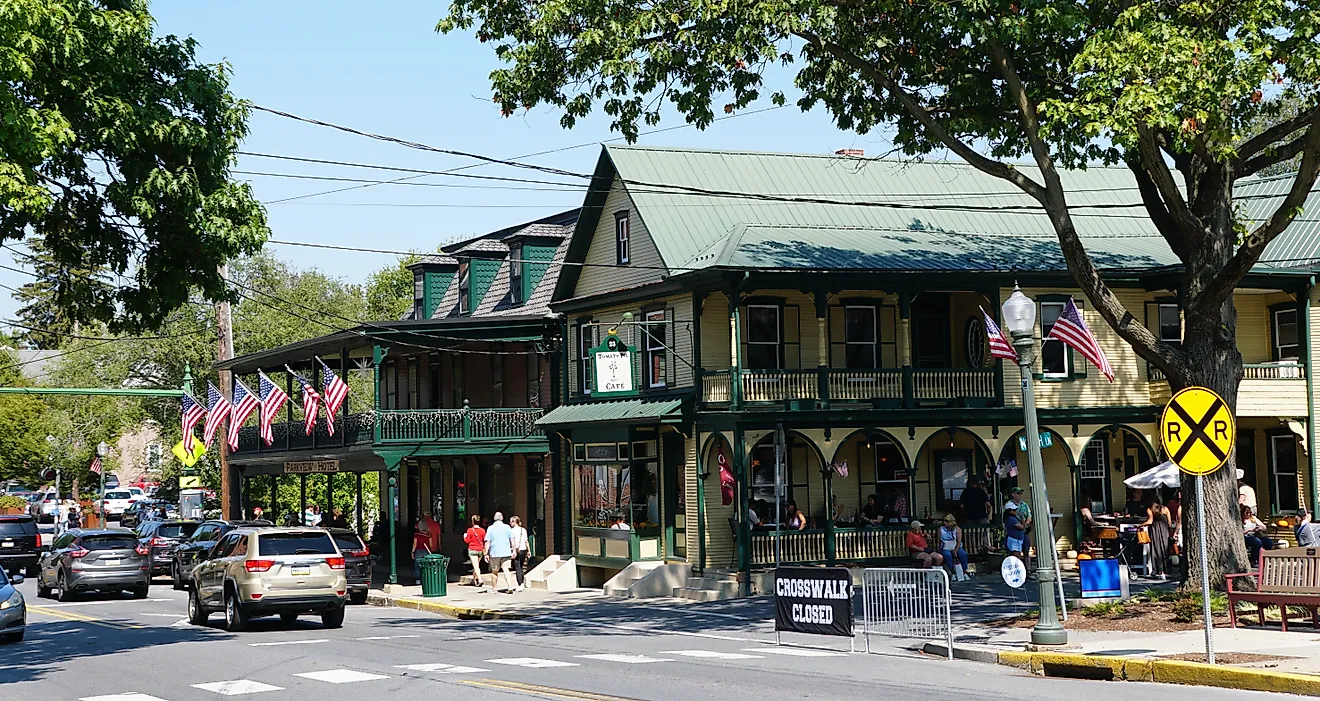
Aside from the wildlife, however, Harpers Ferry is known for its pivotal role in the 1859 raid led by John Brown and for its preserved 19th-century streetscapes dating back to the Civil War. This cool mix of history, river scenery, and rugged terrain makes it one of the state’s most layered attractions, but often brings its crowds of tourists into direct contact with local wildlife for better or worse.
Coopers Rock State Forest

Another copperhead stronghold in this interior state is Coopers Rock State Forest, located along the Cheat River Gorge near Morgantown. This forest’s towering cliffs, boulder fields, and oak/hickory woodlands provide ample cover, nesting areas, and basking sites for a variety of serpent species.

Copperheads are frequently reported along rocky trail edges and beneath flat stones near the Raven Rock overlook, particularly in late spring and early fall when temperatures are easily manageable. That being said, the extensive talus slopes in the preserve retain heat very well after sundown, creating favorable microhabitats even on cooler nights and days.

Coopers Rock spans well over 12,000 acres and is more renowned for its sweeping canyon viewpoints, seasonal wildflower blooms, and cross-country ski trails in winter, making it a year-round destination for outdoor adventurers. But because many visitors venture beyond the main overlook onto quieter paths, encounters are more likely in less-trafficked sections where leaf fall and rocky debris remain undisturbed.
Chief Logan State Park

One more West Virginian locale with consistent copperhead activity is Chief Logan State Park, about an hour's drive south of the state capital of Charleston. Spanning around 4,000 acres, the park has plenty of hiking trails, a wildlife exhibit center, and an outdoor amphitheater that hosts seasonal events.

It's beautiful, rolling hardwood forests create a number of habitats for eastern copperheads, too, particularly along less-developed trail networks. Chief Logan's lush foliage and open clearings also support sizable populations of rodents and amphibians, further sustaining steady numbers of snakes of all kinds.

While here, keep an eye out for rock-blanaketed embankments near picnic areas and wooded slopes above the lake, which provide hiding spots and reliable ambush sites.
Be Aware of These Venomous Snakes in West Virginia
As predators, copperheads are an integral part of West Virginia’s ecosystems, controlling rodent populations and blending into the state’s rugged landscapes. Knowing where their preferred habitats lie, from rocky cliffs to popular green spaces, allows you to better enjoy these outdoor areas safely. By staying on trails and observing the ground consistently, you'll be able to appreciate the natural diversity of this wilderness-filled state while minimizing the risk of an unwanted encounter with these elusive, venomous critters.