This Quiet Georgia City Is Hiding In Plain Sight
Cartersville is a quiet beauty among the dazzling attractions and city lights of the Peach State. Once upon a time, it was a hamlet used merely to get to the large cities, but the settlement would blossom like a rose into a beautiful town that is perhaps more worthy of a visit than any large city in the state. The virtue of Cartersville is that it not only fits in with its peers, but that it stands out in both its beauty and its silence; Cartersville hides in plain sight, but that doesn't mean this Georgian wonder is not worthy of the limelight.
A Quiet Beginning

The story of Cartersville is a fascinating one. Long before the arrival of Europeans, the Creek Indians had taken up residence on the land, and through a series of battles with the Cherokee, were effectively driven out. Settlers then arrived, and while they and the Cherokee coexisted for a short while, the discovery of gold in 1828 culminated in the seizure of American Indian lands in Georgia by the state, souring relations with the natives.
And while one important chapter in the story of Cartersville closed, another opened. Economic opportunity had found the then tiny settlement by the name of 'Birmingham', and while slavery was prominent in the area, and the cotton industry would be integral to the state as a whole until the 1920s, Birmingham's time would come with the expansion of the railroads in the 19th century. There was already a rail line between Atlanta and Chattanooga since May 1850, and preceding that, the settlement had already been connected to Atlanta a few years before. Prior to then, the tiny hamlet was simply a traveler's stop by stagecoach. In fact, it got its name from a wealthy and frequent passerby by the name of Farish Carter. He had quipped to the locals about renaming the town after him; the notion was promptly rejected. However, in 1850, for an unknown reason, they stuck with Carter's name, and the settlement became the proper town of Cartersville.

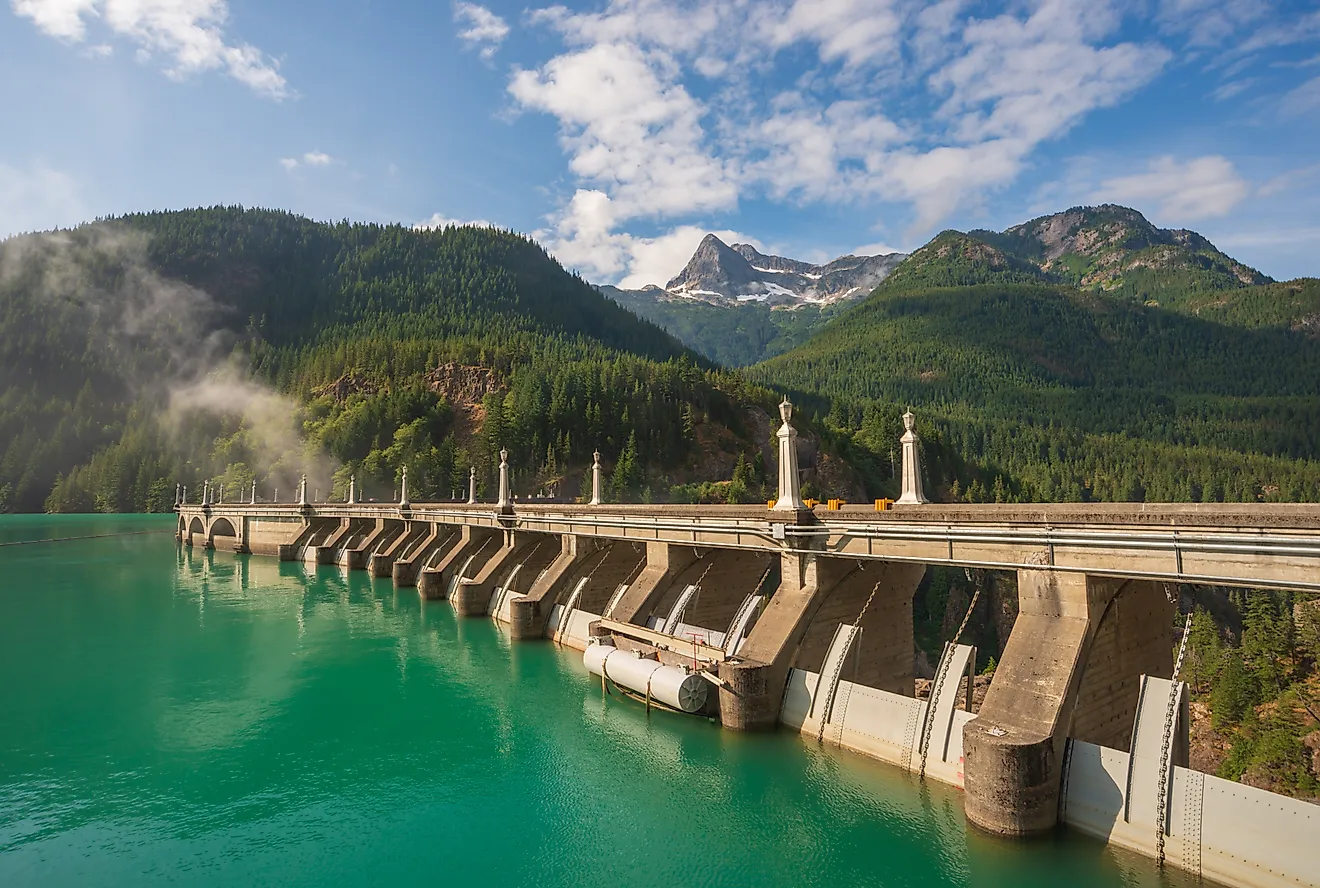
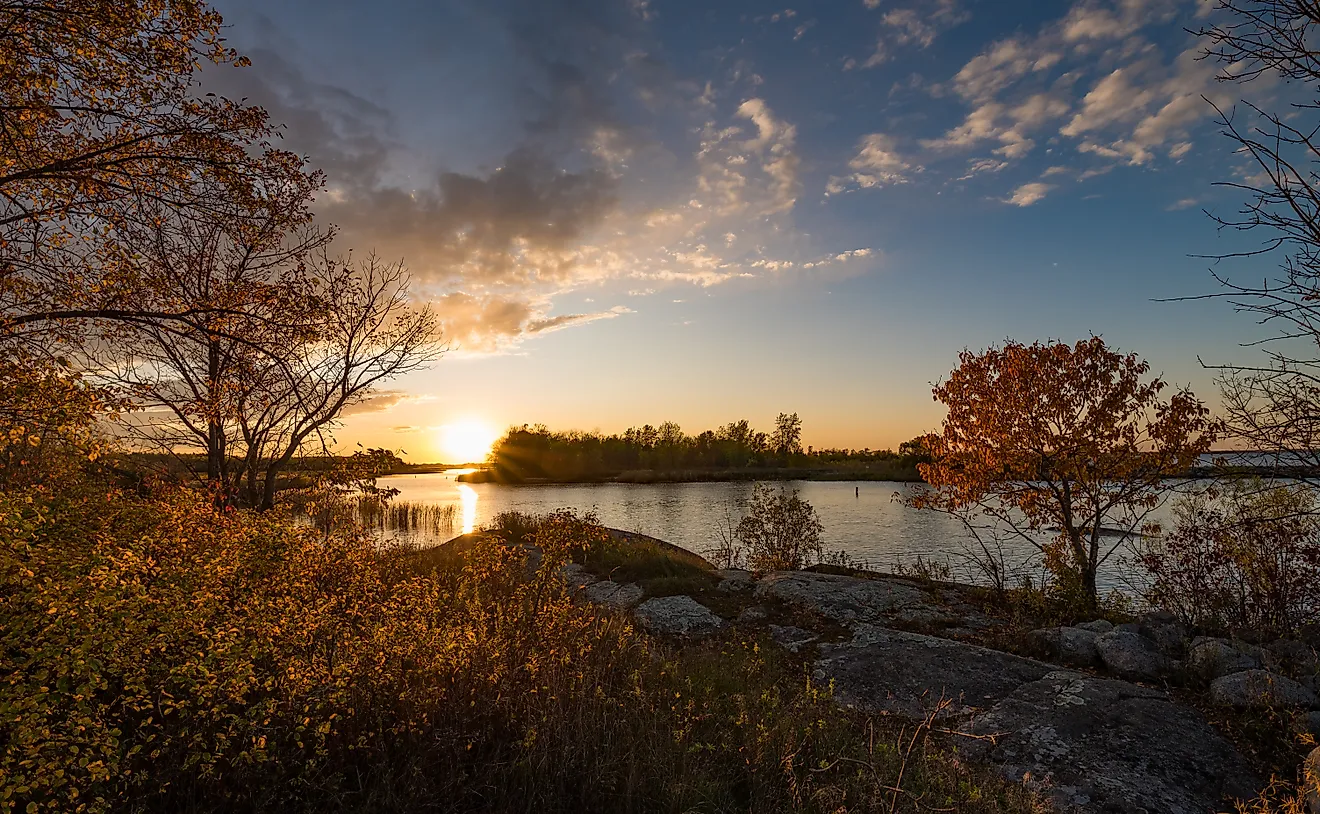
Prosperity would bless the new railroad town, and aside from housing the new Western and Atlantic rail line, and later, the Van Wert Railroad, Cartersville would be on an upward trajectory until the 1920s, when the state of Georgia's lifeblood, cotton, was destroyed in massive amounts by a weevil epidemic. The state entered an economic depression, and Cartersville was on a downward spiral until the 1950s, when state programs commissioned the nearby Red Top Mountain State Park and the Allatoona Dam (thereby creating Allatoona Lake). This revitalized Cartersville into the beautiful and one-of-a-kind town it is today.
Cartersville's Delights

In 1993, Cartersville was featured in the book 100 Best Small Towns in America, and for good reason. Firstly, there are smaller but significant attractions, like Cartersville’s Coca-Cola wall sign at Young Brothers Pharmacy, widely cited as the first outdoor painted wall advertisement for Coca-Cola (painted in 1894). And nearby is the wonderful downtown area, which has been historically preserved and offers a whole range of tiny shops (like 828 Urban Wear), historic buildings, and museums. The Grand Theatre, for instance, has been hosting shows, plays, and concerts since the late 1920s and shows no signs of slowing down or stopping. Even when the original burned down in 1923, the Cartersville spirit still lived, and a new, smaller building was erected. This marked the beginning of The Grand Theatre, a staple in the once-loud railroad town that had become a quiet, artistic beauty.

And who can forget Carterville's modern claims to fame, such as the Booth Western Art Museum and the Rose Lawn Museum. The former is an esteemed collection of everything Western, spanning presidential letters, paintings, and modern and contemporary art. At the time of writing, the rotating exhibit is currently Dany Lyon: The Bikeriders—a famous set of photographs that capture the life of a biker gang in the 1960s, both the highs and lows of life on the road.

The Rose Lawn Museum, on the other hand, is a preserved Victorian-era mansion that has been listed on the National Register of Historic Places. Once the home of the influential Samuel Porter Jones, the home was saved by the locals from vandals after it became abandoned; the county took notice and saved it by making it a museum. As of now, just like in its heyday, The Rose Lawn Museum has 200 heritage roses, and every blossom is as beautiful as the last. Gaining its name from the roses that line the estate fences, gardens, and paths, the museum is both a proper museum dictating the history of the house and area, but also hosts public events for all to enjoy the scent of delicate roses.

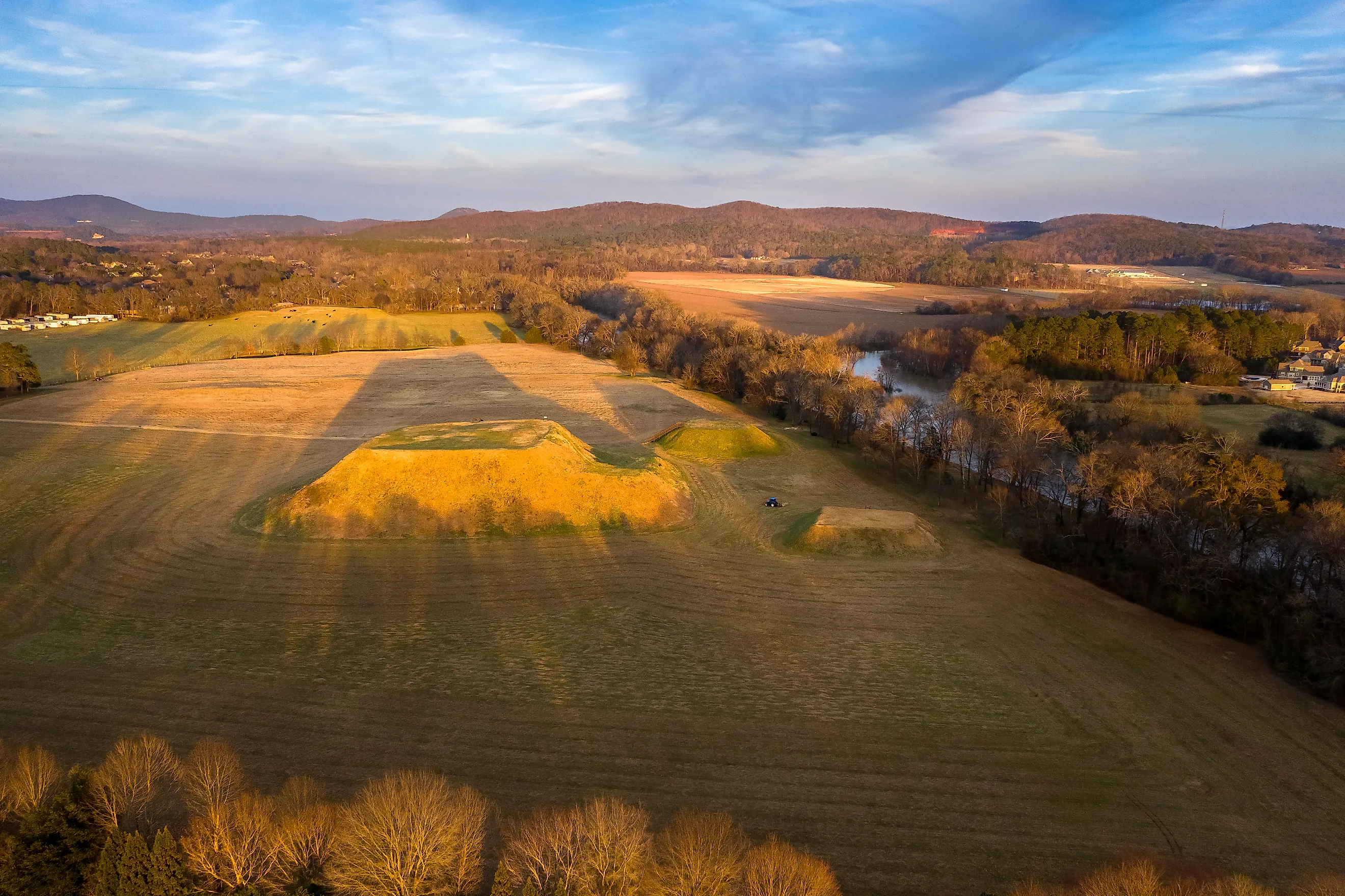
Finally, Cartersville cannot be appreciated without seeing the slice of that precious Georgian nature near the Blue Ridge Mountains. The Etowah Indian Mounds State Historic Site has that covered, and it is 54 acres of 6 gigantic mounds that oversaw the lives and rituals of the Mississippian peoples. Inhabiting the area about a thousand years ago, the mounds today are both a protected archeological site and a wonderful park, complete with a museum and insight into the lives of the past.
Why Cartersville?

Cartersville is the perfect example of a porridge that is neither too hot nor too cold, but just right. It may not have as many sites and attractions as a large city, such as Atlanta, but it avoids the noise pollution and rushed feeling of living in a large city. Nor is Cartersville as remote and insignificant as plenty of other small towns are; Cartersville was that, only to transform into a place worth remembering. What Cartersville does well is that it hides in plain sight: it is a quietly beautiful little town with enough culturally unique landmarks to set it apart from its neighbors, but not enough to make the town overcrowded, and its enchanting qualities are not smeared. It is the perfect, cool place to visit when one has had enough of the city air and wants to see something culturally enriching.