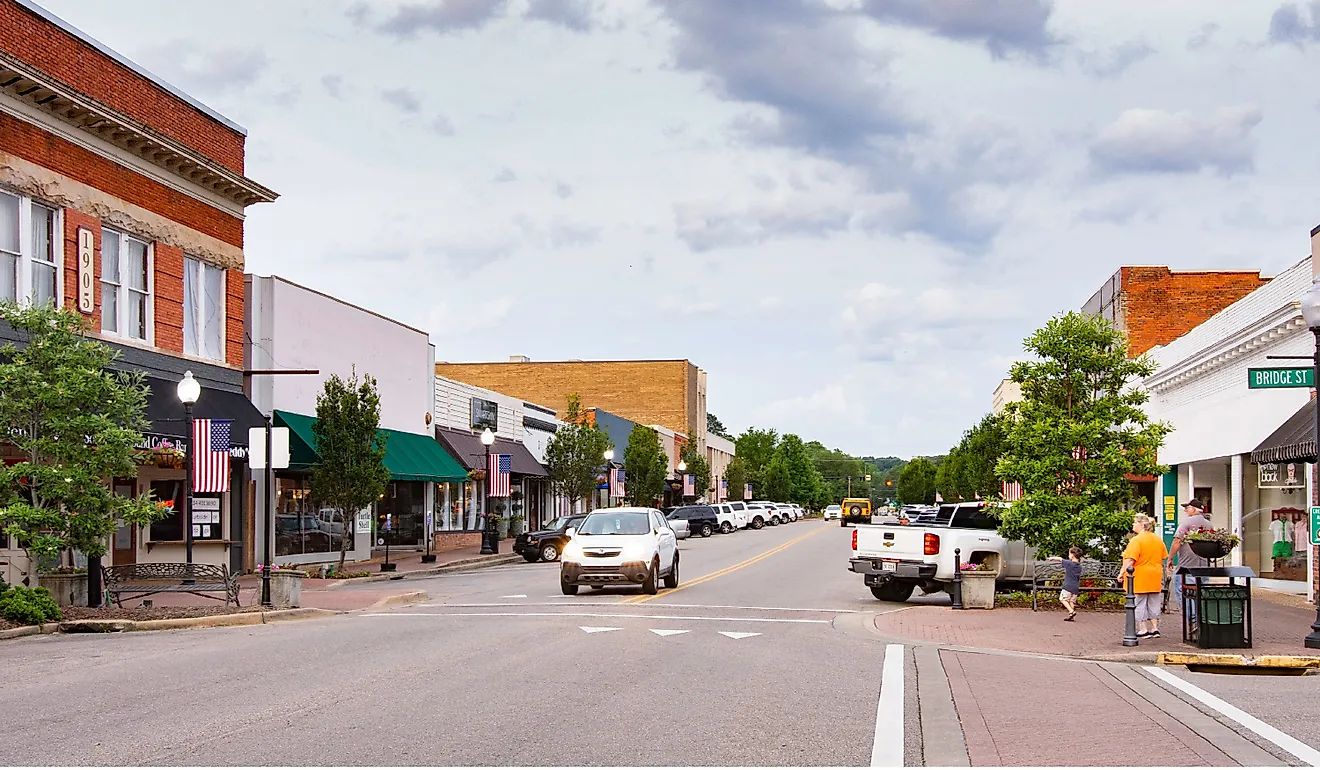
This New Mexico Main Street Feels Like A Movie Set
Las Vegas, New Mexico, offers visitors a glimpse into the Old West that Hollywood producers discovered decades ago. This small city, located in the foothills of the Sangre de Cristo Mountains, maintains a historic downtown corridor that transports travelers back in time with its Victorian architecture, brick facades, and streets that seem frozen in time. Unlike the glittering Nevada city that shares its name, this Las Vegas preserves an authenticity that filmmakers have celebrated since the early days of cinema, making it the backdrop for films and television productions throughout its history.
The main street area, centered around the historic Plaza and Bridge Street, offers visitors an immersive experience that requires no special effects or set construction. For travelers seeking an escape from modern homogenization, Las Vegas, New Mexico, delivers an experience that feels both genuine and extraordinarily cinematic.
Historic Las Vegas Plaza

Visitors should begin their journey at the heart of Las Vegas by exploring the Historic Plaza, where the city's founding spirit remains palpable in every adobe wall and wooden beam. The Plaza represents the original center of Las Vegas, established in 1835 when Mexican settlers first created this community as a stopping point along the Santa Fe Trail. Today, the same central square that welcomed traders and adventurers continues to welcome modern travelers who appreciate its unaltered historical character.
The surrounding buildings showcase a remarkable blend of Territorial, Victorian, and Romanesque Revival architecture that filmmakers find irresistible. Productions filmed here include No Country for Old Men (2007), Easy Rider (1969), and Red Dawn (1984). These movies used these streets because they offer something increasingly rare in America: historical authenticity that cameras capture without digital manipulation. Visitors can walk the same pathways Javier Bardem stalked in his Academy Award-winning performance, imagining the tension the Coen Brothers captured within these walls.
Carnegie Library

A short 20-minute stroll from the Plaza brings visitors to the Carnegie Library. Andrew Carnegie's foundation funded this structure in 1904, and the architects designed it with ornate detailing that modern libraries rarely attempt. The building's Romanesque Revival style features rounded arches, detailed stonework, and a commanding presence that anchors the surrounding streetscape.
Film crews frequently position their cameras to capture this building's façade, knowing that its grandeur immediately establishes a sense of place and historical significance. Visitors who approach the library find themselves standing before a structure that seems purpose-built for dramatic storytelling, though its actual purpose has always been community education and enrichment.
The library continues to function as an active community resource, allowing visitors to step inside and appreciate the craftsmanship that builders lavished on public buildings during the early twentieth century. High ceilings, original woodwork, and the quiet atmosphere of a working library transport visitors even further from their daily worries.
Bridge Street Historic District

Bridge Street offers visitors a concentrated dose of Old West atmosphere. This district contains buildings listed on the National Register of Historic Places. Store owners take evident pride in maintaining their buildings, understanding that they serve as custodians of irreplaceable architectural heritage. Bridge Street was named a Great American Street by the American Planning Association in 2013.
Visitors who walk along Bridge Street encounter a visual feast of decorative cornices, pressed-tin facades, and hand-painted signs. Film location scouts consistently identify this street as a prime shooting location because it requires minimal modification to represent multiple historical periods. Small businesses occupy many of these historic storefronts, offering antiques, local crafts, and Southwestern specialties that reward curious shoppers. The commercial activity maintains the street's intended purpose while allowing visitors to support local entrepreneurs who have invested in preserving this remarkable urban fabric. Coffee shops, galleries, and restaurants provide convenient stopping points for travelers who want to absorb the atmosphere at a leisurely pace.
Historic Hotels

Las Vegas maintains several historic hotels that enhance the movie-set atmosphere by offering accommodations steeped in genuine history. The Plaza Hotel, constructed in 1882, was “The Belle of the Southwest,” the fanciest hotel in all of New Mexico Territory. This establishment welcomed travelers arriving by railroad during the city's boom years, and it continues to welcome guests who appreciate staying within historically significant walls.
The Castañeda Hotel represents another architectural treasure that contributed to the city's cinematic appeal. The Fred Harvey Company built this establishment as part of its famous chain of railroad hotels, and its Spanish Mission Revival style established an aesthetic that influenced Southwestern architecture for decades. Visitors can admire the exterior while imagining the elegant travelers who once arrived by train to enjoy Harvey's legendary hospitality from all across America.
Railroad Depot

The railroad transformed Las Vegas from a frontier settlement into a thriving commercial center, and the historic depot area preserves this transportation heritage with structures that filmmakers find endlessly appealing. These buildings survive as monuments to an era when railroads represented the height of technological achievement and economic power. The depot has welcomed many famous travelers, including New York Governor Theodore Roosevelt in 1899, world heavyweight boxing champion Jack Johnson in 1912, early Western film star Tom Mix in 1915, and several Presidents and Presidential candidates who have made whistle stops here.
Visitors who explore this area discover industrial architecture that provides a striking contrast to the commercial and residential buildings elsewhere in the historic district. Massive timber construction, heavy iron hardware, and the functional aesthetics of working railroad facilities create visual interest that photographers particularly appreciate. The scale of these structures reminds modern visitors that Las Vegas once served as a major regional hub, processing goods and passengers traveling across the expanding American frontier.
The railroad heritage explains much about the city's architectural richness, as prosperity generated by rail commerce funded the construction of elaborate buildings throughout the downtown area. Understanding this connection between transportation infrastructure and urban development helps visitors appreciate why Las Vegas possesses such a remarkable historical character.
A Las Vegas Experience That You Will Remember
Visitors who explore the Historic Plaza, admire the Carnegie Library, walk Bridge Street, experience the historic hotels, and photograph the railroad heritage discover a community that has chosen preservation over development pressure. This decision creates a movie-set atmosphere that attracts both filmmakers and tourists, demonstrating that authentic historical preservation generates economic benefits while preserving community character. Las Vegas, New Mexico, demonstrates that some places remain worth visiting precisely because they refuse the pressure to conform, offering instead a real connection to American history that movies can only approximate.