This Michigan Downtown Is Made For Strolling
Tucked between Lansing and the rural landscapes of Ingham County, Williamston offers one of the state’s most inviting downtown experiences for visitors looking to explore on foot. With a year-round population under 4,000, Williamston’s historic core delivers a blend of well-preserved architecture, independent shops, cozy cafés, and pedestrian-oriented streets that make long walks feel effortless. Its small size means that almost everything in the historic district lies within comfortable walking distance, making it a fun destination for a half-day or full-day stroll through Michigan’s quiet urban heritage.
A District With Architectural Roots

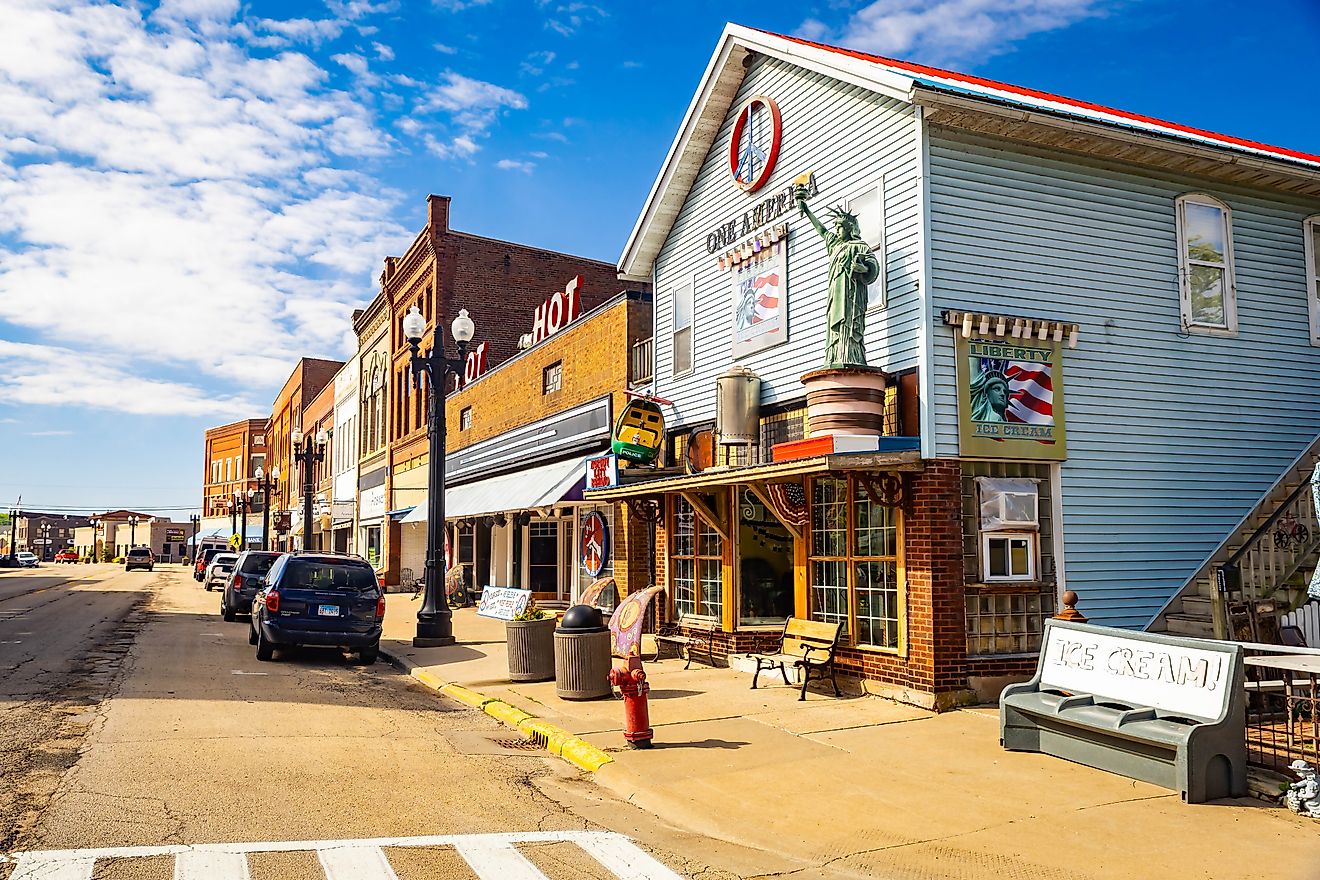
Williamston’s downtown is defined by its historic buildings and streetscape, many dating back to the late 19th and early 20th centuries. The Williamston Downtown Historic District, listed on the National Register of Historic Places, centers around the first blocks of East and West Grand River Avenue and South Putnam Street, preserving Italianate, Second Empire, Late Victorian, and Commercial Brick architectural styles in a cohesive commercial context.
These structures, including early brick commercial blocks like the Bowerman Block and the National Block, create an accessible architectural backdrop that has the feel of a warm neighborhood. Most buildings are only one to two stories tall, which keeps sightlines clear and sidewalks inviting, whether your stroll begins at the historic City Hall or meanders past boutique storefronts farther east.
Route Through Town: Exploring Grand River Avenue
To experience Williamston on foot, start your walk near the intersection of Grand River Avenue and Putnam Street, the historic heart of downtown. Facing the Victorian-era commercial blocks, head east along Grand River Avenue; within just a few blocks, you’ll find cafés, shops, and galleries, small and inviting with their charm. The entire stretch from Putnam to the end of the historic district is easily covered in 10-15 minutes of walking, with frequent places to stop and explore.
Westward from that same starting point, a short five-minute walk brings you to additional independent storefronts, local eateries, and the Sun Theatre, a historic single-screen movie house located on Grand River Avenue. Opened in 1940, the Sun Theatre has been preserved as a classic small-town cinema and remains a beloved local landmark, known for its vintage marquee and longtime role in downtown Williamston’s cultural life.
Where to Eat

Stop at Jose’s Cuban Sandwich & Deli for authentic, Cuban‑style sandwiches and deli offerings in downtown Williamston. Jose's offers roast pork, grilled chicken, medianoche sandwiches, and other handhelds served with sides like rice and beans or house salads. Customers often praise the fresh preparation and friendly service, and especially the traditional Cuban sandwiches and more inventive wrap options.
For an easy dinner, Brent’s Pizza of Williamston is a highly regarded local pizzeria known for its classic pies and hearty Italian‑American fare, including specialty pizzas, subs, and pasta dishes. Brent’s also offers carry‑out and dine‑in options, making it a flexible choice for a meal on the go after spending time exploring Grand River Avenue’s shops and cultural sites.
Parks and Trails

Williamston’s downtown is closely tied to the Red Cedar River, which plays an outsized role in the town’s recreational outlets. The city hosts the two farthest-upstream public launch points on the river in Ingham County, making it a primary access point for paddlers in mid-Michigan. Between these two launches lies the only stretch of whitewater rapids in the region, a rare feature that draws experienced canoeists and kayakers seeking conditions otherwise unavailable locally. McCormick Park, located just south of downtown, near the upper launch at the end of North Cedar Street, provides parking, restrooms, picnic areas, and short-term and overnight canoe and kayak storage, creating a well-supported entry point for river use.
The park itself is another popular area for outdoor enthusiasts. Its large walking trail loops through landscaped areas and along the riverbank, linking open fields, volleyball pits, and shaded picnic areas. Families can enjoy multiple playgrounds, including a traditional playground for younger children and a large wooden play structure designed for older kids. In the warmer months, an outdoor amphitheater hosts local performances and community events.
Nearby Towns Worth Exploring

Just a short drive from Williamston, there are plenty of small towns that are well worth the stop. Wayland, about an hour's drive west, centers its historic district on Main and Superior Streets, featuring late 19th- and early 20th-century commercial buildings that range from Richardsonian Romanesque to early commercial styles. Its brick storefronts, human-scale streets, and compact layout make it easy to browse independent shops and cafés while appreciating the district’s architectural cohesion.
About an hour south of Williamston is Hudson, a smaller town that preserves a downtown core along West Main Street showcasing early- to mid-20th-century commercial buildings. Listed on the National Register of Historic Places, Hudson’s downtown emphasizes visual rhythm and architectural continuity, creating a strong sense of place that resonates with visitors seeking historic small-town charm.
A Leisurely Walk In Michigan

Williamston’s downtown charm lies in the built environment and street patterns that make walking intuitive for soaking in the historic façades. Its locally owned businesses, small parks, and public spaces are all easily accessible, just a few hops from one another. In a state known for both big cities and scenic rural landscapes, Williamston stands out as a place where history, commerce, and community intersect in a compact, accessible, and visually cohesive downtown experience that reflects the town’s character and continuity.