This Is The Most Hospitable Town In Connecticut
Canton, Connecticut, located in Hartford County along the Farmington River, is a small town that balances historical character, natural beauty, and active community life. While it may not appear on every travel itinerary, Canton distinguishes itself through a steady calendar of local events, a concentration of independently owned shops and restaurants, and extensive parks and trails that tie the town together. The area’s history, from industrial roots to a modern, residential community, remains visible in its streets, buildings, and public spaces.
Historical Roots and Village Identity

Canton’s history is intertwined with industrial innovation and river-based commerce. The Farmington River provided water power that allowed the Collins Company Axe Factory to become one of the largest producers of edge tools in the 19th century, anchoring what would later become the village of Collinsville. Beyond Collinsville, Canton includes residential areas, smaller villages such as North Canton and Canton Center, and agricultural land that collectively reflect the town’s layered development.
Brick and clapboard structures from the 1800s and early 1900s remain throughout the town, and the historic district of Collinsville preserves both commercial and mill-era buildings. Many of these structures have been repurposed for modern use while retaining original architectural features like pressed-tin ceilings, arched windows, and decorative cornices, allowing the town’s industrial past to coexist with contemporary life.
Main Street and Local Businesses

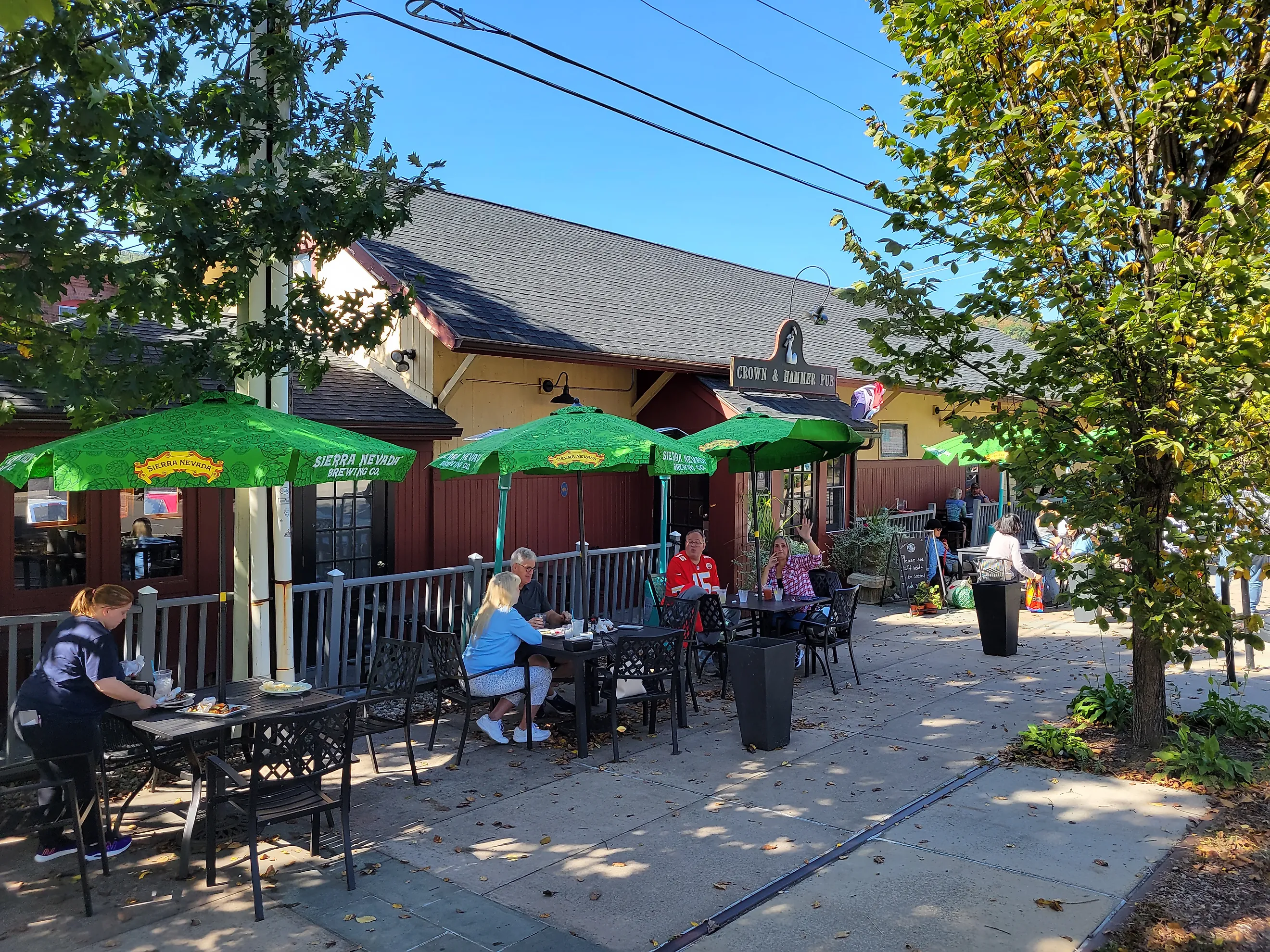
Canton’s downtown, centered in Collinsville but supported by surrounding neighborhoods, is home to a variety of independently owned businesses. LaSalle Market & Deli serves breakfast sandwiches, deli fare, and coffee, establishing a regular morning stop for residents. Crown & Hammer Restaurant & Pub, located in a historic train depot, offers classic pub fare with a local focus, including shepherd’s pies and seasonal flatbreads.
Shops along Main Street and throughout Canton reflect local craft and carefully selected goods. Antiques on the Farmington occupies a two-floor space inside the historic Collins Axe Factory, where more than 50 dealers offer furniture, china, collectibles, toys, glassware, and jewelry in a setting defined by industrial-era character. East West Vintage, which opened in Collinsville in October 2025, brings together mid-century and retro clothing, furniture, and décor, emphasizing design and quality over mass production. Carol & Company, a boutique on Main Street, sells locally made jewelry, fiber art, and home goods that support small makers.
Arts, Culture, and Community Events

Canton integrates arts and culture into everyday life rather than isolating them in formal museums. The Canton Historical Museum, housed in a former Collins Company factory, preserves artifacts from the town’s industrial era and offers rotating exhibitions and educational programs. Galleries and small studios throughout Collinsville and other parts of Canton host exhibitions and workshops that coincide with seasonal events, giving residents direct access to visual and performing arts.
Community events reinforce Canton’s hospitable atmosphere. The Canton Main Street Farmers Market, held Sundays from June through October, draws residents from across the town for locally grown produce, baked goods, flowers, and artisan foods. Live music and children’s activities often accompany the market, making it a recurring social gathering point. Other notable events include Sam Collins Day, which honors the town’s industrial founder with entertainment, pancake breakfasts, and business showcases.
Music plays a larger role during Music on Main, a Friday night concert series held on the Collinsville Green during warmer months. The event features local musicians performing jazz, rock, folk, and contemporary genres, while attendees enjoy food from nearby restaurants and informal seating on the green. It is structured as a destination event, drawing residents and visitors from across the region to spend an evening downtown.
Parks, Trails, and Outdoor Spaces

Canton’s parks and natural spaces are a defining part of daily life, offering open fields, wooded paths, and riverfront trails that connect residents to the landscape throughout the year. Mills Pond Park provides open lawns, shaded picnic areas, and a 50-meter Olympic swimming pool. Just south of Collinsville, the Farmington River Trail winds through woodlands and open stretches, following the historic canal route and offering paths for cycling, running, and longer walks that extend toward Canton Center and beyond.
For more extensive nature access, Roaring Brook Nature Center, set on over 100 acres of woods and meadows, features signed trails that pass through upland forests and along Roaring Brook. The center also includes wildlife exhibits and interpretive programs designed for visitors of all ages. Trail terrain ranges from easy paths to steeper hillside routes that highlight the variety of Connecticut’s woodland ecosystems.
Nearby Towns Worth Visiting

Simsbury is located just east of Canton and has a history as an agricultural and milling center dating back to the 17th century. Its downtown features 18th- and 19th-century buildings that reflect the town’s long development. The town combines residential areas with preserved landscapes, including woodlands and riverside spaces that support walking, cycling, and outdoor recreation. Together, these elements offer a clear picture of how small New England towns evolved over time.
Barkhamsted, about 15 minutes north of Canton, is primarily rural and largely defined by forests, rivers, and farmland. Settled in the early to mid-18th century, it developed around small mills and agriculture, much of which remains visible in the town’s layout and historic structures. Large open spaces and trail networks support outdoor recreation and quiet exploration, illustrating a less densely developed side of Connecticut's small towns.
What Makes Canton Feel Welcoming
Coupled with its local dining and recurring community events, Canton feels welcoming because daily life is organized around shared spaces and regular interaction. Residents cross paths at markets, along trails, and during public events that are woven into the town’s routine rather than treated as occasional attractions. This steady use of common places, supported by a walkable village center and accessible outdoor areas, creates a town environment that feels open and familiar. Canton’s sense of welcome comes from how consistently people participate in it, not from any single feature or destination.