These Historic Towns in New South Wales Are Worth Exploring
New South Wales (NSW), Australia's oldest state, is a treasure trove of history, culture, and natural beauty. While Sydney often steals the spotlight, the state's small towns are the unsung heroes, offering unique glimpses into Australia's past and present. From coastal gems to inland havens, these seven historic towns in NSW are not just stops along the way but destinations in their own right. Each town, steeped in history and charm, promises a journey through time and an opportunity to explore Australia's rich heritage. Whether you're a history buff, nature lover, or simply seeking a change of scenery, these towns offer something for everyone. Prepare to be enchanted by their storied streets, picturesque landscapes, and the warmth of local hospitality. Let's embark on a journey to discover the historical and cultural richness that lies within these hidden gems of New South Wales.
Berrima

Berrima, established in the 1830s in the Southern Highlands, is a Georgian village known for its well-preserved sandstone architecture. The village's streets, lined with these historic buildings, offer a journey back in time. Among them, the Surveyor General Inn stands out, holding the title of Australia's oldest continuously licensed inn since 1834. This inn is more than just a place for refreshment; it's a living museum, with its original structure and period décor offering a glimpse into the early colonial era.
The Berrima Courthouse, dating back to 1838, is another significant landmark. Now serving as a museum, it provides interactive tours that bring the 19th-century judicial system to life. Through realistic reenactments and detailed exhibits, visitors gain insights into the legal history and notable trials of the time.

Beyond its historical significance, Berrima is also a center for culinary and artistic exploration. The Little Hand-Stirred Jam Shop on the main street delights visitors with its range of homemade preserves, showcasing the local culinary traditions. Nearby, the Berrima Village Pottery exhibits a wide array of handcrafted ceramics, each piece reflecting the region's rich artistic heritage. These establishments, alongside others, make Berrima a vibrant hub for those interested in experiencing the unique blend of historical charm, local arts, and gastronomy.
Gulgong

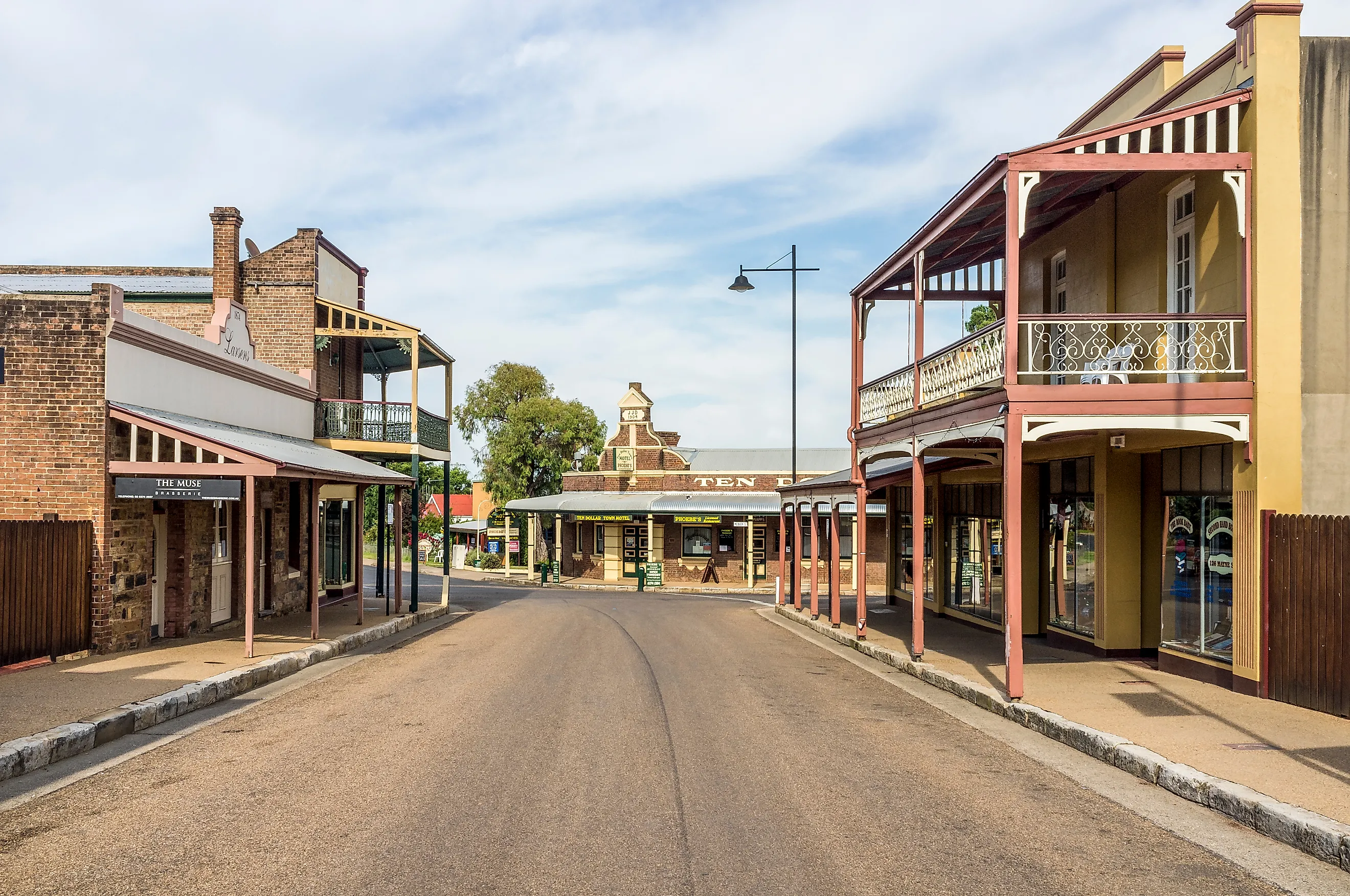
Gulgong, nestled in the Central Tablelands of New South Wales, is a historical gem that has remarkably preserved its 19th-century character. Known as the 'Town of 1,000 Faces', Gulgong gained nationwide recognition when its charming streets and historic buildings were featured on the Australian ten-dollar note. Walking through Gulgong is like stepping into a living museum, with its original buildings and storefronts evoking the spirited days of the gold rush.
The heart of Gulgong's historical narrative is the Gulgong Pioneers Museum. Here, visitors can immerse themselves in the rich tapestry of the gold rush era, exploring an extensive collection of colonial artifacts. The museum vividly portrays the daily lives of early settlers and miners, with exhibits that include original mining tools, period photographs, and personal diaries.
Gulgong's cultural scene is as vibrant as its history. The Henry Lawson Centre, a museum dedicated to the famous Australian writer who spent his childhood here, is a centerpiece of the town's artistic community. The Henry Lawson Festival, an annual event in Gulgong, celebrates Lawson’s literary legacy with poetry readings, live music, and art displays. Moreover, the town's numerous art galleries and workshops are bustling with local artisans, who keep the creative spirit alive by showcasing their handcrafted art and crafts.
Hill End

Hill End, nestled in the Bathurst region of New South Wales, stands as a captivating reminder of Australia's gold rush era. This once-bustling mining town is now a serene living museum, where history resonates through its well-preserved buildings and landscapes. The town's streets, flanked by historic structures, lead visitors on a journey back to the 1850s when gold fever transformed this remote area into a hive of activity.
Among Hill End's most notable buildings is the Royal Hotel, an enduring symbol of the gold rush hospitality. This historic inn, with its original facade and rustic charm, offers a vivid window into the life of miners and travelers from the gold rush period. The Hill End Historic Site, managed by the National Parks and Wildlife Service, provides guided tours that delve deep into the town's rich past, recounting stories of both remarkable fortunes and devastating losses.
The beauty of Hill End extends beyond its architectural heritage. The surrounding countryside is a tapestry of rolling hills, dotted with relics of mining activity. These landscapes offer a haven for bushwalkers and photographers, with trails leading to hidden ruins and panoramic vistas. The town's unique blend of historical significance and natural beauty continues to attract artists, photographers, and filmmakers, drawn by its unspoiled and picturesque setting.
Mudgee

Mudgee, nestled in the Cudgegong River valley in Central New South Wales, is a town where history and viticulture intertwine. Renowned for its well-preserved colonial architecture and as one of Australia's oldest wine-producing regions, Mudgee offers a captivating blend of cultural heritage and epicurean delights. The Mudgee Heritage Walking Tour is a key attraction, guiding visitors through the town's picturesque streets. This tour highlights architectural marvels like the Mudgee Post Office, built in 1862, and the iconic St. Mary's Catholic Church, showcasing the craftsmanship of the early settlers.
The heart of Mudgee's allure lies in its vineyards and wineries, spread across the rolling hills of the region. Each vineyard, from the historic Craigmoor, established in 1858, to the family-run Robert Stein Winery & Vineyard, has its own unique story and wine blends. The Mudgee Wine and Food Festival, an annual event, celebrates the region's rich agricultural produce and culinary innovations, attracting gourmets and wine connoisseurs from across the country.
Mudgee's vibrant arts scene adds another layer to its charm. Galleries like Artisan on Lewis and the Mudgee Art House are cultural hubs where local artists and craftspeople exhibit their works, ranging from traditional paintings to contemporary sculptures. These artistic venues not only display the creative talents of the Mudgee community but also contribute to the town's dynamic and evolving cultural identity.
Sofala

Sofala, cradled in the Bathurst region of New South Wales, is a living testament to Australia's gold rush era. This historic town, with its roots in the 1850s gold fever, still retains much of its original character. Notable landmarks like the Old Gaol, a relic of Sofala's law and order during the gold rush, and the Sofala Royal Hotel, a quintessential example of 19th-century architecture, offer a tangible link to the town's storied past.
The Turon Technology Museum in Sofala offers an immersive look into 1800s mining technology. Visitors can explore exhibits featuring antique mining tools and educational displays, providing a hands-on understanding of the methods miners used during the gold rush. The museum highlights technological advancements and portrays the daily lives and hardships of gold miners. Outside, Sofala's surroundings are rich with activities. The Turon River, a historic gold panning site, allows contemporary explorers to try their luck in a setting that has remained largely unchanged since the 1800s. Nearby hills and valleys also serve as beautiful spots for bushwalking, with trails passing through scenic views and revealing remnants of Sofala's mining past, like old shafts and equipment.
Tenterfield

Tenterfield, a town steeped in Australian history, is often revered as the 'Birthplace of Our Nation'. This charming town in New South Wales is where Sir Henry Parkes, a key figure in Australian politics, delivered his iconic Federation Speech in 1889 at the Tenterfield School of Arts. This pivotal moment in Australia's journey towards federation is commemorated within this historic building, which now serves as a museum and cultural center, showcasing exhibits about Parkes and the federation movement.
Another notable historic landmark in Tenterfield is the Tenterfield Saddler, a 19th-century saddlery famously associated with Peter Allen's hit song. Originally operated by Allen’s grandfather, this establishment remains a meaningful symbol of the town's history and the rural Australian community of the late 1800s.
Tenterfield also serves as a starting point for exploring the region's natural beauty, with Bald Rock National Park nearby. This park is renowned for its impressive granite formations, with Bald Rock being the largest. Visitors can enjoy hiking trails that lead to stunning views from the summit, offering sweeping vistas of the surrounding bushland.
The town's vibrant cultural scene is epitomized by the Tenterfield Show, an annual event that brings the community together. This traditional country show celebrates the local way of life, featuring exhibitions of regional crafts, fresh produce, and livestock. The show is a festive display of rural skills and traditions, ranging from horse riding competitions to agricultural displays, reflecting the town’s rich cultural heritage and community spirit.
Wollombi

Wollombi, a quaint village in the picturesque Hunter Valley, is a place where the past resonates deeply through its Indigenous and colonial heritage. The Wollombi Aboriginal Cultural Centre and Keeping Place are pivotal in preserving the town's Aboriginal legacy. This center provides a profound insight into the local Aboriginal history and culture, featuring a collection of artifacts, art, and information that highlights the significance of the area to the traditional custodians.
The Endeavour Museum, housed in a beautifully restored 19th-century church, is equally important. It provides a detailed history of European settlement in the area, featuring exhibits and documents that highlight the lives of early settlers. The museum reflects the area's evolution over the centuries, blending stories of Indigenous and European influences. Meanwhile, the Wollombi Valley Sculpture Festival, held every year, adds a modern touch to this historic setting. During the festival, the town and surrounding areas turn into an outdoor gallery, showcasing sculptures and installations by local and national artists. This event not only celebrates artistic expression but also creates a link between art, history, and the natural landscape.
Near Wollombi, Yengo National Park provides visitors with an opportunity to experience nature and history. It is famous for its ancient Aboriginal rock engravings that hold great cultural value and serve as a direct connection to the area's distant past. The park's trails meander through rugged terrain, guiding visitors to these sacred sites and offering breathtaking views of the valley.
The Takeaway
Exploring these seven historic towns in New South Wales offers a rare chance to step back in time and discover Australia's rich heritage. Each town, with its distinct character and charm, narrates a different chapter of the nation's history. Whether you're attracted by the gold rush era, the peaceful rural landscapes, or the lively arts and culture scenes, these towns promise an engaging and memorable experience. They serve as a reminder that history is not only in textbooks but is alive in the streets, buildings, and landscapes that have endured through time. So, pack your bags and embark on a journey to uncover the hidden historical treasures of New South Wales.