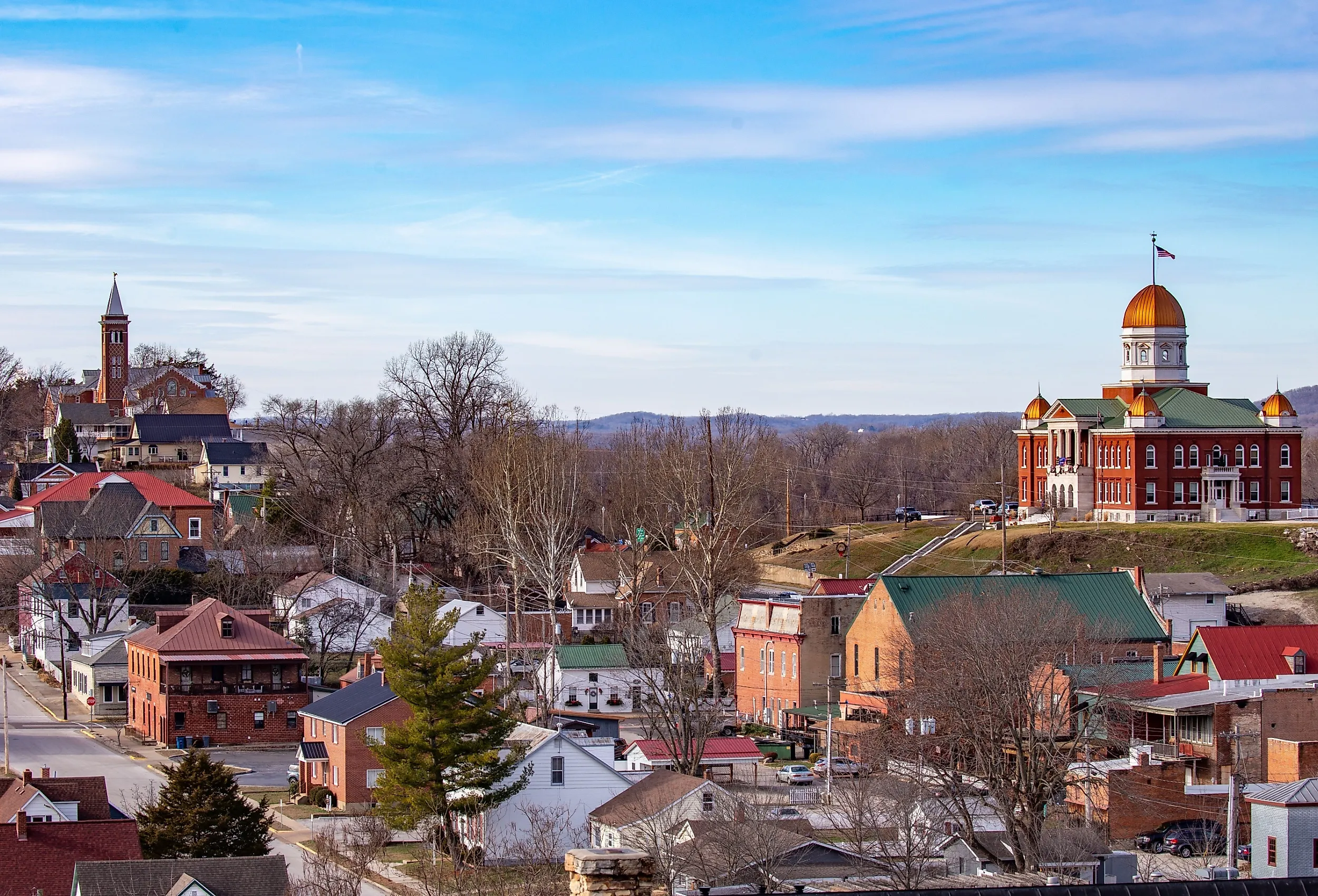
The One Missouri Town Everyone Should Visit At Least Once
Right on the banks of the Missouri River in central Missouri, Hermann is one of the state’s most distinctive small towns. Founded in 1837 by the German Settlement Society of Philadelphia, Hermann was planned as a German immigrant community to preserve Old World traditions in the American Midwest. The settlers soon discovered that the rocky hillsides nearby were ideal for viticulture, and by the mid-19th century, the town had become a thriving center of wine production. Today, Hermann combines that deep winemaking heritage with historic architecture, a busy calendar of local events, and a compact downtown of shops, restaurants, and tasting rooms, making it a worthy stop for anyone exploring Missouri.
A Town Built by German Immigrants

Almost from its founding, Hermann’s identity has been shaped by its German roots. Early settlers laid out the town with a strict plan for vineyards, selling “grape lots” on the condition that buyers plant grapes, which quickly gave rise to a robust wine industry. By the late 1800s, the region was producing millions of gallons of wine annually and had earned a reputation as part of the state’s Missouri Rhineland, a nod to the famed wine-producing valleys of Germany.
Although Prohibition and economic downturns interrupted that early success, the town’s wine tradition reemerged in the 1960s and has since grown into its modern incarnation: the Hermann Wine Trail. This 20-mile stretch of vineyards and tasting rooms between Hermann and nearby New Haven continues to anchor the region’s tourism and viticulture.
Historic Downtown and Architecture
A stroll through Hermann’s downtown historic district feels like a walk back in time. Roughly bounded by Wharf, Mozart, Fifth, and Gellert Streets, the Hermann Historic District encompasses more than 350 contributing buildings dating from 1838 to 1910, featuring Greek Revival, Federal, and Missouri German architectural styles. Landmarks such as the Strehly House, Eitzen House, and Gasconade County Courthouse illustrate how the town grew from its river commerce roots into a settled community

Among Hermann’s notable historic attractions is the Deutschheim State Historic Site, which preserves mid-19th-century homes, a barn, and a winery built and used by German immigrant families. Exhibits include period furnishings, tools, and gardens, all of which help visitors understand daily life for Missouri’s earliest German settlers.
Another unique historic structure is The Rotunda, an octagonal red-brick building constructed in the 1860s as an agricultural exhibition hall and still used for community purposes today.
Wine, Tasting Rooms, and Culinary Stops

A visit to Hermann wouldn’t be complete without delving into its rich wine culture. The Hermann Wine Trail includes several family-owned wineries with historic roots and modern tasting rooms. Some of the most notable include the Adam Puchta Winery. Founded in 1855, this is the oldest continuously owned family winery in the United States, producing a range of wines besides Frene Creek amidst pastoral scenery. You can even get free grape juice samples if you are visiting with children.

Hermannhof Winery, operating from the 1850s, this winery is known for its stone cellars and award-winning wines, with outdoor terraces and picnic areas that pair food with wines produced on site. Named after one of Missouri’s early viticulture pioneers, G. Husmann Wine Company offers tastings and a chance to taste local varietals in a historic setting, while smaller wineries like Reserve Cellars and Röbller Vineyard provide a more intimate tasting experience and scenic countryside views along the trail.
Near downtown, Tin Mill Brewery complements Hermann’s wine focus with craft beer brewed onsite at a historic mill building that also serves pub-style food and hosts local events. For views and wine paired with food, Stone Hill Winery, founded in 1847, remains one of Missouri’s most iconic winery experiences. Once one of the largest wineries in the country, Stone Hill still offers tours of its historic cellars, tasting rooms, and tasting flights that showcase Norton, Chambourcin, and other regional varietals.
Dining and Everyday Stops

Outside the wineries, Hermann’s culinary scene reflects its heritage and small-town ambiance. The Hermann Wurst Haus serves German-inspired sausages, schnitzels, and side dishes alongside cold beverages in a tavern environment that pairs well with local wine or beer.
If you're looking for a bar experience like no other, the iconic Doxie Slush is not only refreshing in its vibrant coastal interior but also a must-stop for its scratch-made frozen cocktails, such as their strawberry hibiscus frosé or their peach tea mint julep, all made by in-house mixologists. There are also non-alcoholic mixes to keep the whole family happy, and a variety of quality seafood offerings.
Seasonal Events and Traditions
Needless to say, there are wine-related events in Hermann throughout the year, many of them organized along the Hermann Wine Trail and designed to highlight seasonal food traditions alongside local wines. The calendar begins with the Chocolate Wine Trail, held on the fourth weekend of February, when participating wineries pair their wines with chocolate desserts and confections, drawing visitors during the quieter winter months. In early April, the Farmers’ Table Wine Trail emphasizes locally sourced ingredients, with wineries serving dishes inspired by regional farms and spring produce. The Wild Bacon Wine Trail, held on the first weekend of May, celebrates pork dishes prepared in a range of styles, reflecting both German culinary traditions and contemporary regional cooking.
Summer brings the Berries & BarBQ Wine Trail on the last full weekend of July, combining seasonal fruits and barbecue dishes with outdoor tastings across the countryside. In the fall, the Holiday Fare Wine Trail, held on the third weekend of November, features comfort foods and early holiday recipes paired with wines suited to cooler weather. The year concludes with the Say Cheese Wine Trail on the second Saturday of December, when wineries match their wines with a variety of cheeses, offering a relaxed, indoor-focused event that closes the calendar on a distinctly local note. Hermann truly leaves you with no time to waste without a full glass in hand and a reason to celebrate culinary traditions and local produce.
Where to Go Next: Nearby Towns

If Hermann piques your interest, several nearby small towns deepen the experience of Missouri’s river-and-wine country. New Haven, just east along the Hermann Wine Trail, developed alongside the Missouri River as a riverport and wine-growing community, and today blends vineyards, tasting rooms, and a compact historic downtown with direct access to the Katy Trail, making it an easy extension for cyclists and wine travelers alike.
Washington, located across the river to the east, is larger and more commercially active, with a well-preserved 19th-century downtown lined with antique stores, independent restaurants, and riverfront parks that host regular community events and festivals throughout the year.
To the north, Troy offers a quieter contrast, with a traditional courthouse square, locally owned cafés, and proximity to outdoor recreation along the Cuivre River and nearby segments of the Katy Trail, appealing to visitors interested in small-town life paired with accessible nature.
Hermann exemplifies how a small town can preserve its cultural roots while providing visitors with a range of interesting and tasty experiences, from historic sites and wine tastings and seasonal festivals. Wine lovers must not think twice before putting this town on their list. But Hermann's generous history, its outdoor spaces and culinary scene are sure to make anyone want to stay for a weekend.