9 Towns In Minnesota That Were Frozen In Time
Along the Mississippi River, beside glacial lakes, and across quiet prairie streets, Minnesota’s small towns protect its past and display it beautifully. Much of the state’s settlement expanded in the 19th century with milling, rail travel, and river trade, and the architecture from that period is still visible today. Historic districts listed on the National Register of Historic Places, like that of Stillwater, bring these communities together. Seasonal events—from summer band concerts in the park to winter festivals on frozen lakes—follow traditions that residents have shared for generations. Below are 9 Minnesota towns that feel frozen in time.
Wabasha

Located along the Mississippi River at the foot of Lake Pepin, Wabasha, Minnesota, exudes a sense of timelessness. Wabasha’s most prominent landmark is the National Eagle Center, where visitors can learn about the iconic bald eagle native to the area. The center offers close-up views of these majestic birds, allowing for an unforgettable experience.
The Wabasha-Kellogg Bridge, a historic lift bridge, stands as a testament to the town’s rich transportation history. Built in 1924, it remains an integral part of Wabasha’s landscape and offers scenic views of the Mississippi.
Another highlight is the Eagle’s Nest, a bluff overlooking the river. Hikers and photographers will enjoy the hike to this scenic overlook, particularly at sunset, when the sun’s golden glow lights up the river valley.
Grand Marais

Grand Marais is perched on the shores of Lake Superior and near the Boundary Waters Canoe Area Wilderness. It also boasts a thriving arts scene, with numerous galleries and studios in town, like Sivertson Gallery and Studio 21.
For those interested in local history, the Cook County Historical Museum displays exhibits on the town’s past, including its origins as a fishing village and later as a popular resort destination. The Pincushion Mountain Trail System offers access to breathtaking views of the surrounding wilderness and a glimpse into the area's rich natural history, with plants and wildlife that have adapted to the tough environment of the North Shore.
Start your exploration at the Grand Marais Lighthouse, perched at the end of the breakwater, offering sweeping views of the lake and harbor. This lighthouse has stood since 1858 and is still operational, guiding ships safely into the harbor. Just a short walk from the lighthouse is Artist’s Point, a rocky promontory where waves crash against jagged stones. Artists often gather here to capture the beauty of the timeless landscape.
Stillwater

Stillwater, often referred to as the birthplace of Minnesota, seems to have been suspended in time. Nestled on the banks of the St. Croix River, this town was once the lumber capital of the Upper Midwest, and its streets are lined with 19th-century buildings that tell the story of its prosperous past.
A visit to the Stillwater Lift Bridge, built in 1931, is a must. This steel bridge was one of the first of its kind in the country and still serves as a vital connection between Minnesota and Wisconsin. Strolling along the riverfront, you will find the Washington County Historic Courthouse, a stunning example of Renaissance Revival architecture dating back to 1870. Today, it houses the Washington County Museum, where visitors can explore exhibits dedicated to the history of the St. Croix Valley.
Stillwater’s Main Street is filled with quaint shops, cafes like Daily Grind Espresso Cafe, and antique stores housed in historic buildings like American Gothic Antiques, giving the town a distinctly Victorian air. You can also stop by The Lowell Inn, a 1920s-era hotel, eatery, and bar serving as a gathering place for locals and travelers alike, complete with classic, elegant architecture and a storied past.
Lanesboro

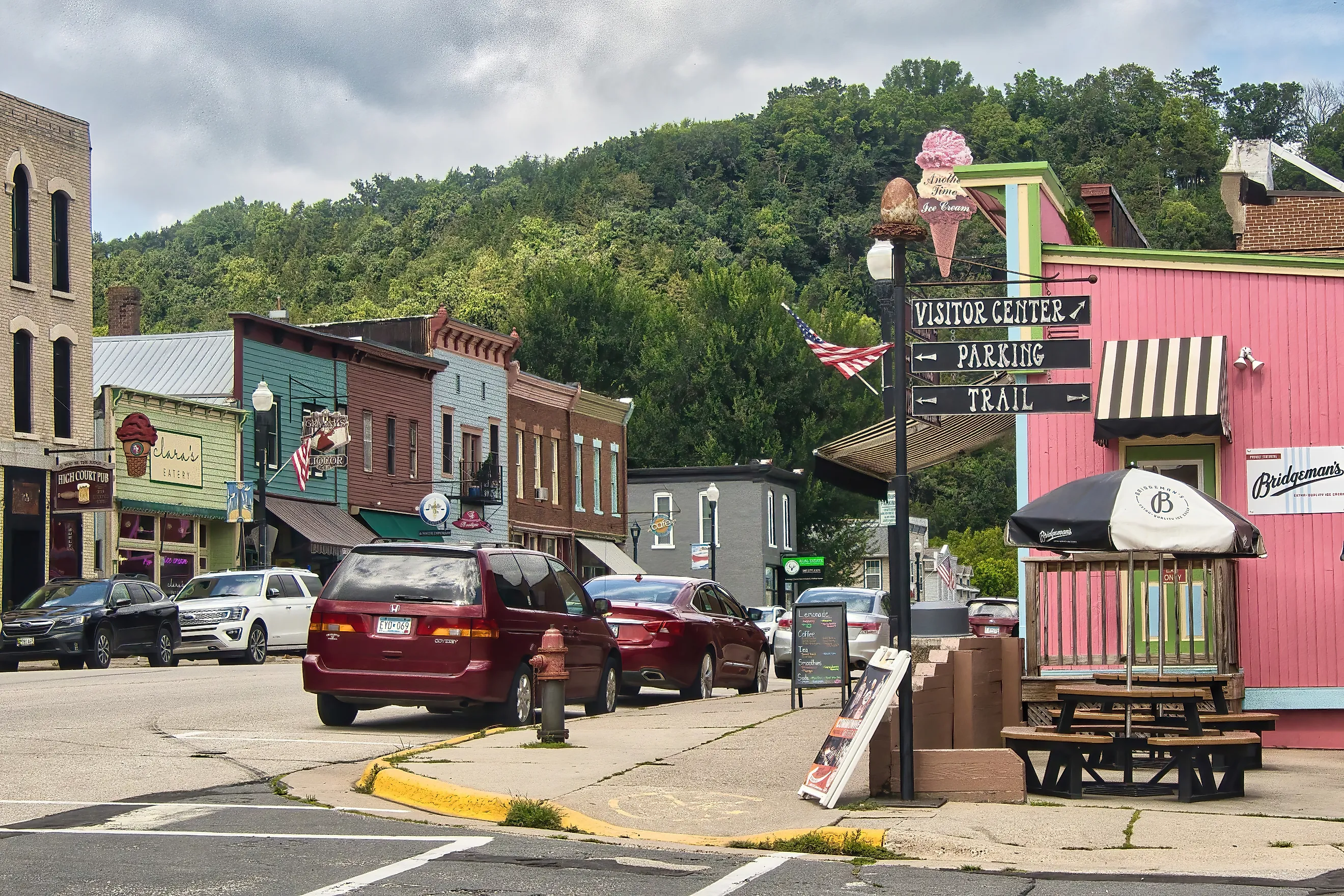
Tucked away in the rolling hills of southeastern Minnesota, Lanesboro is an inviting town that captures the beauty of the countryside and the spirit of a bygone era. Known as the “bed and breakfast capital” of the state, the town offers visitors a cozy, intimate experience amidst some of Minnesota’s most breathtaking landscapes.
The town’s main attraction is the Root River State Trail, which runs through a scenic corridor of wooded bluffs and meandering rivers. Whether you prefer biking or hiking, the trail offers a way to explore the area's natural beauty. For history enthusiasts, the Lanesboro Museum provides a deeper dive into the town's heritage, showcasing artifacts from the town’s beginnings as a farming community and later as a popular tourist destination.
Lanesboro is also home to The Commonweal Theatre, a local repertory theater where visitors can enjoy world-class performances of various plays over one weekend. The historic Hotel Lanesboro, located in the heart of the town, utilizes a historic downtown building as modern, luxury accommodations, serving as an example of how the town has adapted while retaining its historic essence.
Northfield

Northfield is known for its college campus and interesting history. The town’s origins date back to the mid-1800s, and it retains a sense of its historic past through well-preserved architecture and landmarks like the historic shops on Division Street.
Visiting The Northfield Historical Society Museum, situated in the historic Scriver Building, provides an understanding of the town’s past, including its connection to the well-known bank robbery by the James-Younger Gang in 1876. The robbery site at the First National Bank Building has been designated a historical landmark. Near the museum, a short walk leads to Carleton College, where visitors can enjoy the stunning collegiate Gothic architecture and visit the Weitz Center for Creativity, which artfully combines contemporary art with academic history.
Bridge Square, located on the banks of the Cannon River, provides a picturesque location to take in the town’s beauty. At the same time, the Cannon River Wilderness Park offers opportunities for hiking and enjoying the surrounding nature.
Red Wing

Red Wing, a town brimming with rich history and scenic beauty, is best known for being the home of the iconic Red Wing Stoneware and the Red Wing Shoe Company. These brands have shaped the town’s identity, and visitors can learn about their history at the Red Wing Heritage Center.
Barn Bluff, a 350-foot-high hill overlooking the Mississippi River, offers one of the best scenic views in town. Hikers can ascend the trail to enjoy a broad panorama of Red Wing and the river valley. Below, Main Street features stunning 19th-century architecture, notably the Goodhue County Courthouse, a notable example of Beaux-Arts style.
For those interested in local history, the Pottery Museum of Red Wing offers exhibits on the town’s centuries-old ceramic traditions, and the Red Wing Arts Association showcases local talent and offers a glimpse into the town’s thriving arts scene.
Morris

Morris, in west Minnesota, is an agricultural center with farming traditions. A visit to The Stevens County Historical Society provides an overview of the area’s farming history, showcasing tools, exhibits, and artifacts that tell the story of the region’s evolution from Native American land to modern-day agriculture.
The University of Minnesota-Morris campus in the town features several historic structures, including the Eliasen Memorial Auditorium, which hosts cultural and performing arts events. Outside the town, the Pomme de Terre River provides opportunities for outdoor activities like fishing, boating, and hiking along its peaceful banks.
Pipestone

Pipestone is a small town in southwestern Minnesota, famous for the Pipestone National Monument and Pipestone Indian Shrine. The monument preserves quarries used by local Sioux Indigenous Peoples for centuries to harvest the red stone used in ceremonial pipes. Visitors can tour the quarries and learn about the sacred history of the site, which is used in religious ceremonies to this day.
The Pipestone County Historical Museum provides further perspective on the area's cultural importance, featuring exhibits on Native American history, early settler life, and the town’s growth. Main Street is lined with local cafes and charming shops. For example, Prairie Maiden Treasures focuses on creating artisan pipes in Native American designs.
New Ulm

New Ulm is renowned for its German-American roots. The Hermann Heights Monument, shown above, celebrates the area's Germanic heritage. The Brown County Historical Society preserves local history, including early German immigrant settlement and the notorious 1862 Uprising. Each year, the town hosts festivals such as the Baggin’ In The Street Bean Bag tournament and the Bavarian Blast celebration. For a glimpse of local culture, the New Ulm Brewery offers tours and tastings, showcasing the town’s strong brewing tradition.
From the windswept bluffs of Lanesboro to the Victorian streets of Stillwater, these Minnesota towns are windows into the past. Whether you find yourself hiking to the top of Barn Bluff or walking along the banks of the St. Croix River, each of these towns invites you to step back in time, even if just for a moment. Minnesota is known as the land of a thousand lakes and is home to so much character, too.